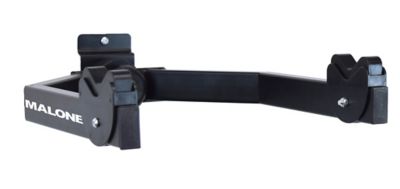
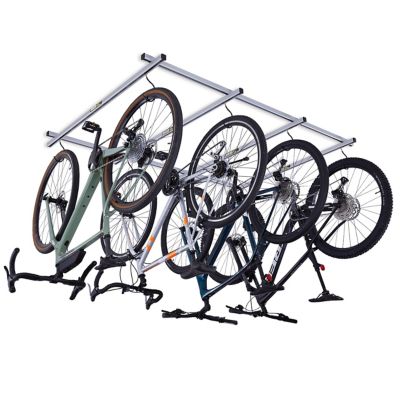
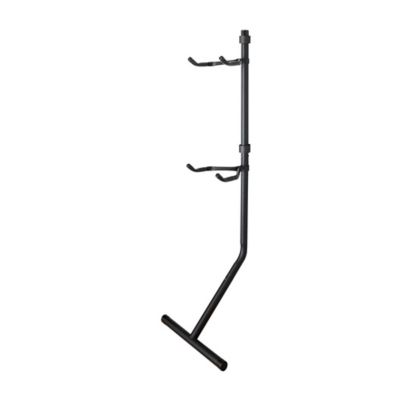
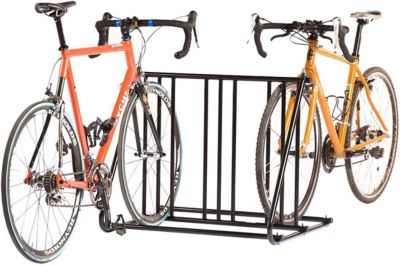
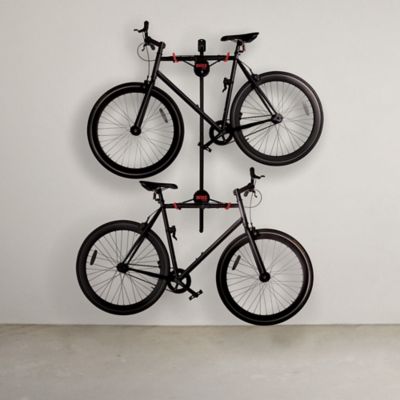
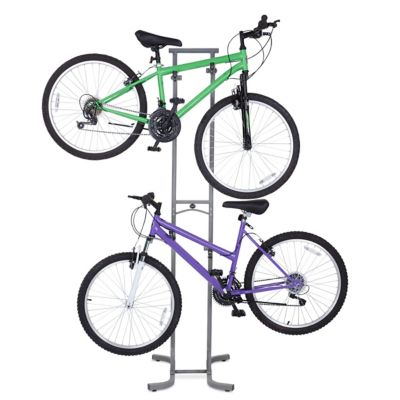
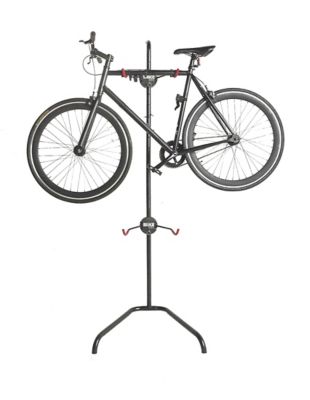
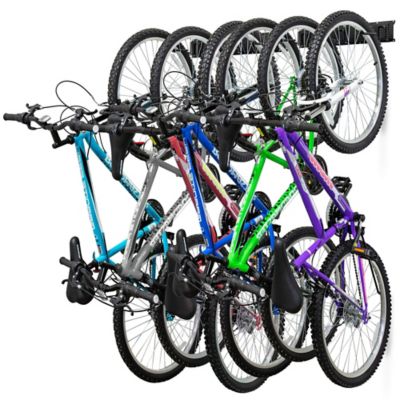
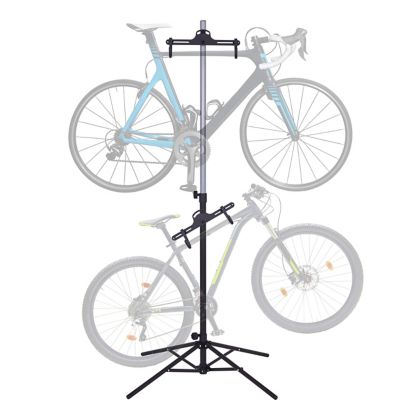
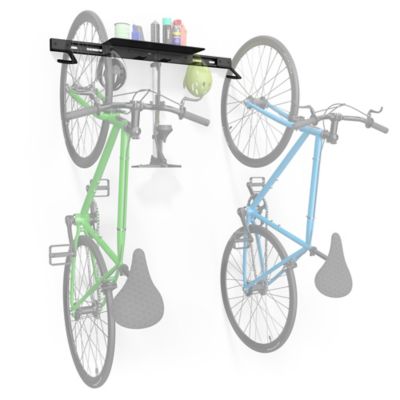
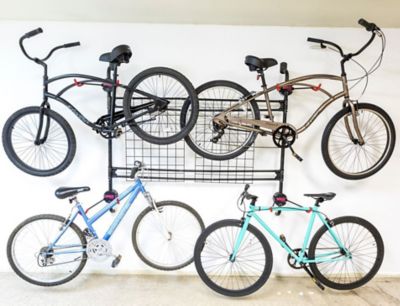
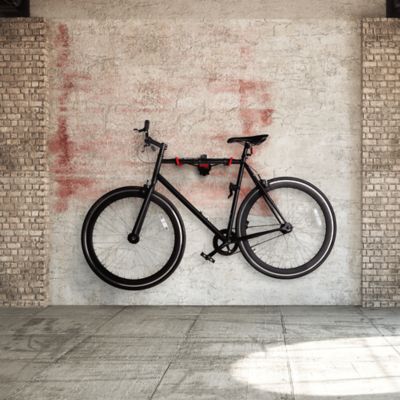
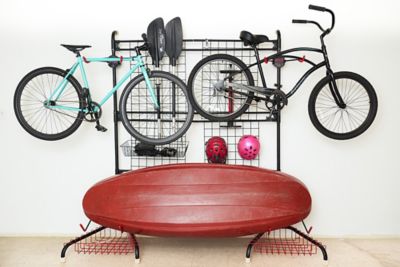
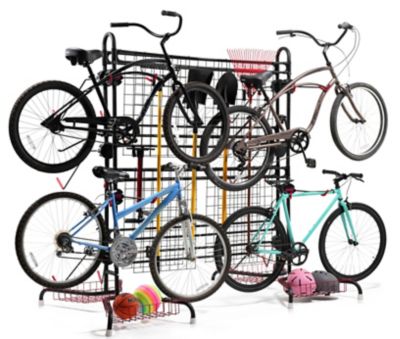
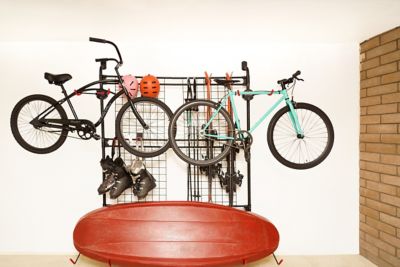
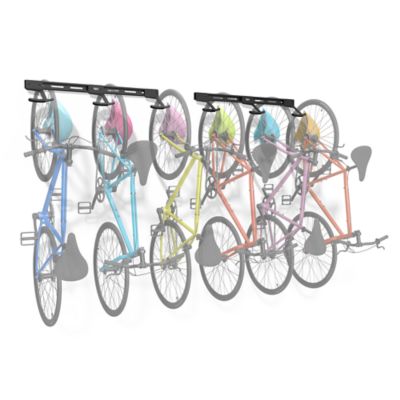
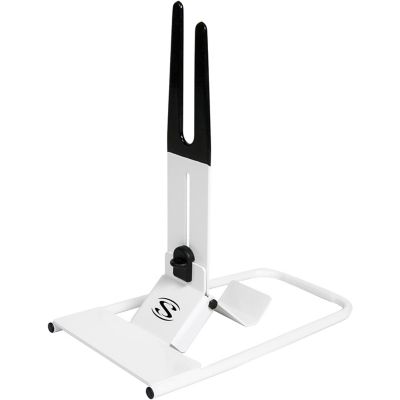
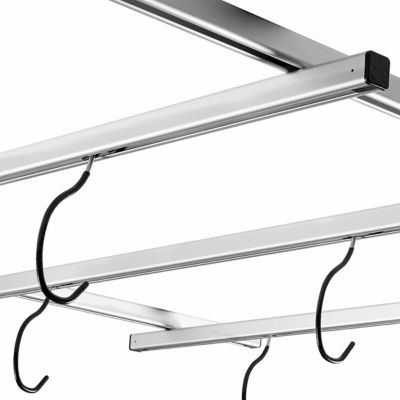
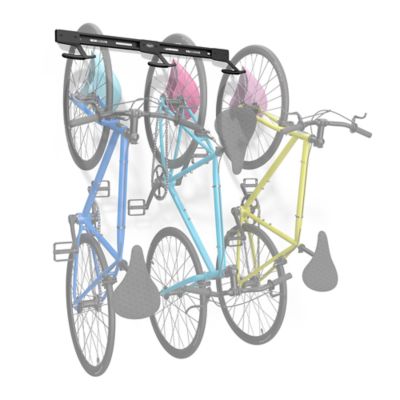
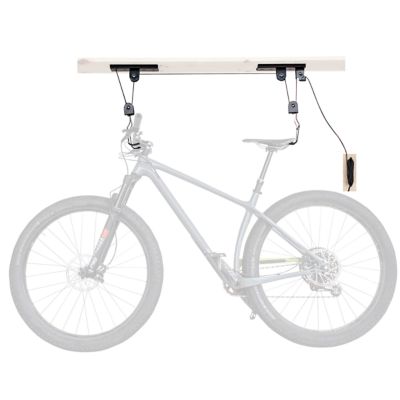
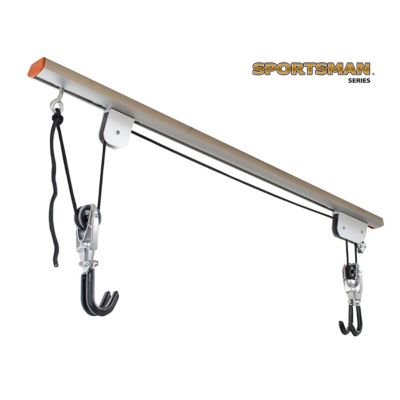
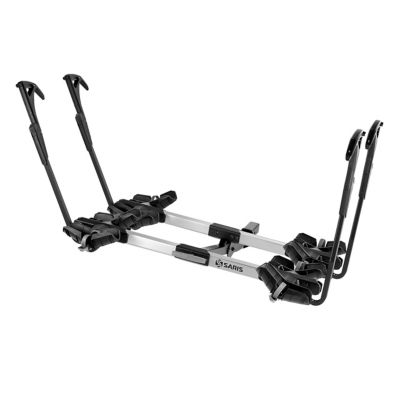
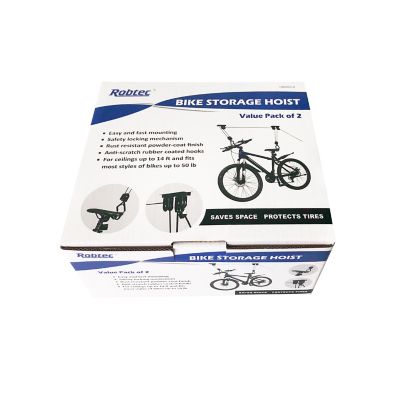
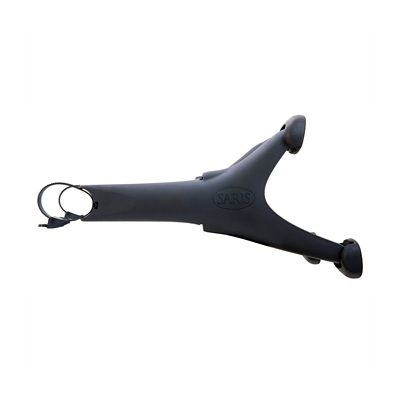
Cycle storage racks give bicycles a proper parking spot instead of leaving them leaned against a workbench, tangled beside the mower, or stretched across the garage floor. A well-matched rack helps keep the path clear between the house door, tool storage, and the truck, while making it easier to grab a bike for a ride down the lane or a trip into town. Different layouts suit different spaces. Freestanding floor racks keep bikes within reach without requiring wall installation, and they can work well for families whose bikes come and go throughout the day. Wall-mounted racks take advantage of open wall space, while vertical designs can reduce how far a bicycle extends along that wall. Horizontal supports hold the bike sideways, which may suit a long, narrow section beside a work area. Overhead storage can free up space below, although lifting height, ceiling clearance, and the rack’s operating method matter a good deal. The best arrangement leaves room not only for the bicycle itself but also for handlebars, pedals, and the person moving it. A row of bikes needs enough separation that brake levers and cables do not catch on neighboring handlebars. Floor space also matters beyond the rack’s footprint: a bicycle still needs room to roll in, turn, and come back out. For a household with adult bicycles, smaller children’s bikes, and a wide-tire trail bike, spacing and adjustability can make the difference between orderly parking and another crowded corner. Single-bike storage suits a lone rider or a tight workspace, while multi-bike racks bring several bicycles together in one designated spot. In a garage that handles everything from feed runs to weekend projects, keeping the bikes gathered in one area can make everyday movement a whole lot simpler. A rack near the usual entry point can also make putting a bicycle away feel like less of a chore, especially for younger riders.
Fit is about more than the number of bikes a rack can hold. Wheel size, tire width, frame shape, and bicycle weight all affect whether a storage design is a good match. A narrow wheel channel may not accommodate a broad mountain-bike tire, and a support intended for an adult frame may not line up well with a small child’s bicycle. Step-through frames and sharply sloped top tubes can call for a different support arrangement than a traditional level frame. Wheel-support designs also need clearance around fenders, brake components, and other equipment near the tire. For frame-contact racks, the bicycle maker’s guidance matters, especially with carbon frames or tubing that needs particular handling. Electric bicycles deserve extra attention because their weight can exceed the limits of racks intended for lighter bicycles. Published capacity should cover the weight of each bicycle and, on shared racks, the combined load across all positions. Materials and construction play a part in how a rack handles everyday parking, too. Steel tubing is common where strength and a steady base are priorities, while aluminum can offer lower weight for storage that occasionally needs moving. Braces, joints, mounting plates, and the width of a freestanding base all influence how the structure carries its load. Painted or powder-coated metal surfaces help protect the underlying material, but scratches and worn areas still deserve attention. Rubber sleeves, padded cradles, and coated hooks can cushion contact points and help limit scuffing when they match the bicycle and remain in good condition. Wall-mounted and overhead racks depend on sound attachment to a suitable supporting structure, not just the strength of the rack itself. The mounting surface, fasteners, and installation requirements should all match the manufacturer’s directions. A finished wall may conceal framing, wiring, or plumbing, while masonry calls for its own attachment approach. Those details are worth settling before choosing a mounting location above a walkway, workbench, or parked vehicle. For renters or anyone who wants to avoid permanent mounting, a floor-standing design may be a more practical fit, provided the floor is level and the base suits the load.
Day-to-day convenience is what makes bicycle storage earn its place. Children are more likely to park their bikes neatly when the holders are low enough to reach and simple enough to manage without help. An adult who rides often may prefer roll-in access over lifting a bicycle onto a high hook after every trip. A rider with limited lifting strength may find a floor-level option more manageable, particularly with a heavier bike. In a shared garage, placement away from swinging doors and busy work areas helps reduce bumps and keeps pedals from becoming an obstacle. Space beside the rack can hold helmets, riding shoes, locks, and a tire pump, so getting out the door does not turn into a search through several shelves. Nearby
Garage Storage Racks can give those supplies a home alongside tools and other household gear without piling everything around the bicycle wheels. Storage also needs to leave access for ordinary bike care. Enough room to check tire pressure, wipe down a frame, or inspect a chain makes small maintenance tasks easier to keep up with. Dirt and grit can collect in wheel channels and around floor supports, so accessible surfaces are helpful when it is time to sweep or wipe things down. Contact pads and hook coverings benefit from occasional checks for splitting, slipping, or exposed metal. Loose hardware, movement at mounting points, and damaged finishes also deserve attention before the next bicycle goes into place. For a regular rider, a well-matched rack can be a thoughtful gift, but bicycle measurements and the intended storage space matter more than appearance alone. Whether the goal is parking one bike beside the mudroom or making room for a whole family’s rides, a sensible setup keeps bicycles supported, everyday gear close by, and the garage ready for the next job.