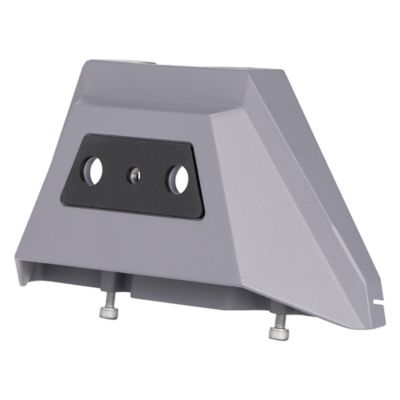
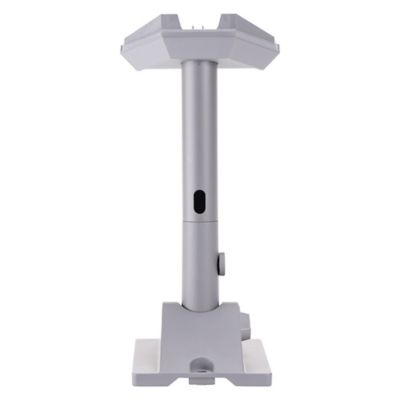
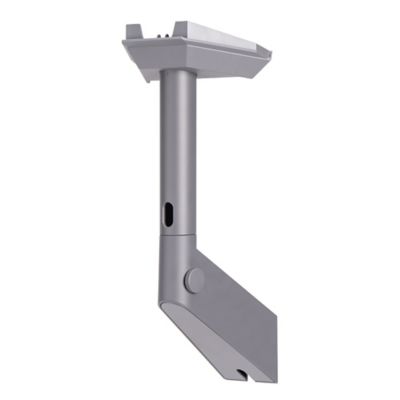
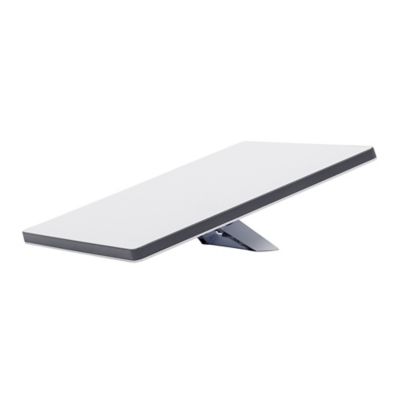
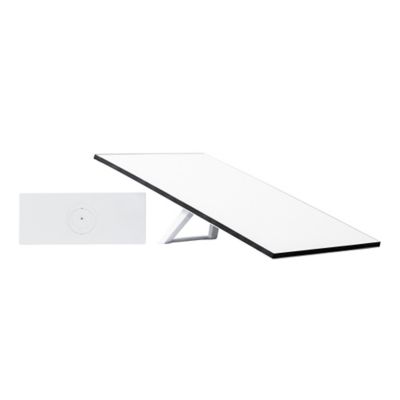
Starlink mounting kits for Standard and Mini terminals connect satellite internet equipment to the place it needs to stay, whether that is a farmhouse wall, a shop roof, a freestanding pole, or an approved vehicle rack. The main differences among these mounting categories are terminal compatibility, attachment style, adjustment range, and the structure carrying the load. Standard terminals generally call for mounting hardware sized for a larger dish, while Mini terminals have a smaller footprint suited to both fixed locations and portable setups. That difference matters at the connection point: a bracket intended for one terminal should not be assumed to fit the other, and different Standard generations can have different mounting interfaces. Compatibility information should identify the terminal model or generation, not simply describe a mount as universal. Wall brackets provide an attachment point along a building’s exterior, with arm length affecting clearance past siding, trim, and roof overhangs. Pivot-style roof mounts offer adjustment for sloped surfaces, while pipe adapters connect a compatible terminal to a mast or pole within a stated diameter range. Ground supports and nonpenetrating roof mounts serve other installation needs, though their footing, ballast, and surface requirements still matter. On a rural property, the closest mounting surface is not always the best location. A spot beside the house may be convenient for cable routing but sit behind a broad tree canopy; a position near the shop may offer a clearer sky view but need a longer approved cable route. Mount height and placement help establish that view, but mounting hardware cannot make up for a blocked signal path. Manufacturer obstruction checks and installation requirements remain important for any location. For equipment that belongs alongside a fixed household installation,
Starlink Standard Kit & Rural Home Setup Gear brings the broader setup into the picture, including the relationship between the outdoor terminal, its cable route, and the equipment inside the home.
Materials and construction affect how a mounting kit holds its position and how well its parts handle ongoing outdoor exposure. Aluminum can keep a bracket relatively light, while steel can provide substantial support in a mast, base, or mounting arm. Material alone does not establish a mount’s load capacity; wall thickness, welds, fasteners, bracket geometry, and the complete assembly all contribute. Powder-coated finishes, galvanized surfaces, and corrosion-resistant hardware can help protect exposed parts, but finishes still need attention around scratches, cut edges, and contact points. Connections between dissimilar metals may also need isolation or other treatment specified by the manufacturer. Hardware should suit both the mount and the surface beneath it. A wood-framed gable, masonry wall, metal-sided shop, and roof deck present different fastening needs, and siding or roof covering alone is not a substitute for structural support. Roof-mounted installations also involve flashing, sealing, and the building’s roofing requirements wherever fasteners penetrate the surface. Nonpenetrating mounts avoid attachment holes in some applications, but they still need an appropriate supporting surface and the prescribed ballast or restraint. For pole installations, the adapter’s stated fit range should match the pole’s actual outside diameter; nominal pipe size is not always that same measurement. Clamp length, engagement depth, and clearance around the terminal matter just as much as whether the parts initially slide together. Kit contents deserve attention, too, since a mounting bracket does not necessarily include a mast, surface-specific anchors, cable clips, or sealing supplies. For ongoing care, accessible mounting points make it easier to check for loosened fasteners, worn pads, damaged coatings, or a cable rubbing against an edge. Cleaning methods and inspection intervals should follow the equipment maker’s guidance. A mount that remains steady, allows necessary access, and keeps cables clear of sharp corners is better suited to everyday service than one chosen on appearance alone.
Intended use helps separate a permanent mounting setup from one meant to move between locations. At a farmhouse or workshop, a fixed bracket can keep the terminal out of the way of foot traffic, mowing, and everyday chores while leaving a defined cable path into the building. A pole beside an outbuilding may offer placement flexibility, but it also introduces questions about foundations, underground utilities, service access, and the distance back to the equipment it serves. A ground-level support may suit a temporary stationary setup, provided it rests on a stable surface and stays clear of driveways, livestock areas, and equipment paths. For an RV, work trailer, or other travel setup, mounting needs depend on whether the terminal operates only while parked or is specifically approved for operation in motion. A vehicle-compatible attachment does not by itself establish permission for in-motion use; the terminal, mounting system, service terms, and installation all have to support that application. Rack attachments need to match the rack’s bar shape, dimensions, and load limits, while removable attachments have their own surface and inspection requirements. A smaller terminal can be easier to carry between a home base and a parked travel setup, but it still needs secure support rather than a loose spot on a tailgate. Cable management is part of that support system: enough slack for approved adjustment, strain relief at connection points, and routing away from hinges, doors, moving parts, and sharp metal edges help protect the connection. Removable setups also benefit from a way to separate and stow the equipment without pulling on its cable or connector. Across these settings, the best fit is a mounting arrangement matched to the exact terminal, the supporting structure, and the way the equipment will operate. That keeps attention on the practical details that matter around a working property: a clear sky view, a sound attachment, protected connections, and reasonable access when service is needed.