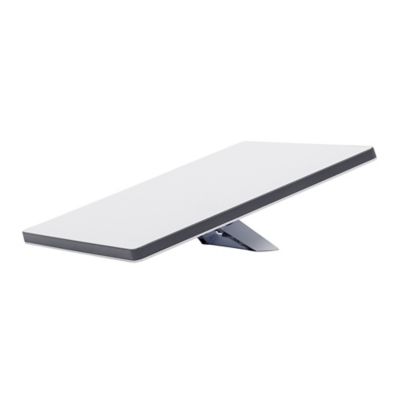
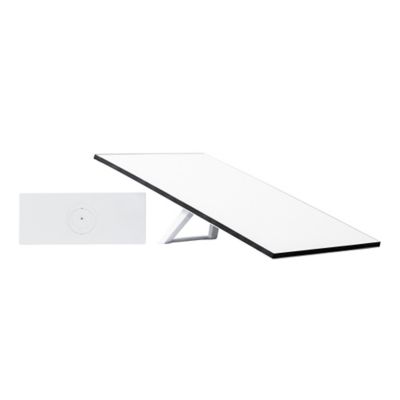
A camper parked beyond the last stretch of cell service can still be a place to answer emails, check on the farm or settle in for a longer stay. Compact satellite internet kits and setup gear bring together the hardware that makes that kind of connection possible, from a portable terminal to the mounts, power connections and carrying equipment that support it. These products suit travelers staying at remote campsites, ranch hands working away from the main house, hunters spending time at a base camp and folks who split their days between a laptop and the outdoors. For a parked setup, the main considerations are a clear view of the sky, compatible power and a secure place for the terminal to sit. Satellite internet does not depend on a nearby cellular tower, but trees, buildings and other obstructions can interrupt the signal. A shady parking spot beneath a thick canopy may be comfortable for the camper without being a good location for the dish. That is where placement flexibility matters: a separate stand, suitable cable length or compatible mast can give the terminal more room without forcing the whole rig into a different spot. A compact terminal may include a Wi-Fi router, though kit contents and connection options differ, so the listed components matter as much as the overall size. Indoor Wi-Fi coverage is another consideration, especially in campers with metal walls or a workspace tucked behind several partitions. The terminal needs its view of the sky, while connected devices need a workable path to the router. Hardware compatibility, service coverage and account requirements are separate pieces of the setup, and none should be assumed from the appearance of a connector or mount. For someone planning several nights at a remote site, equipment that packs neatly and sets up without a pile of loose parts can make settling in feel a whole lot simpler.
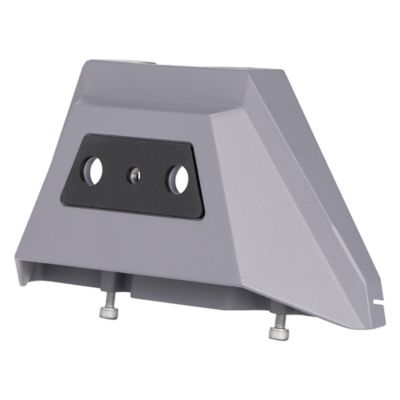
Mounting gear helps bridge the gap between a promising campsite and a practical place for the terminal. Ground stands offer straightforward placement beside a parked rig, while pole adapters, ladder brackets and rack attachments provide other ways to position compatible equipment. The right fit depends on the terminal model, attachment pattern, mounting surface and dimensions of the support—not just whether two pieces look close enough. The
Starlink Mounting Kits For Standard And Mini collection provides a focused place to compare mounting styles for those hardware families. Aluminum components can keep carrying weight down, while steel brackets provide strength where the design calls for it; coatings, fasteners and the condition of contact surfaces also affect how a mount holds up. Molded cradles and padded contact points can help limit rubbing against the terminal or vehicle finish. Magnetic attachments require an appropriate ferrous surface and do not attach directly to aluminum or fiberglass. Suction attachments depend on a suitable smooth surface and the maker’s stated conditions, rather than simply the size of the cup. Ladder and rack mounts bring their own fit questions, including tubing shape, clamp range and the support’s load limits. Extra height may improve clearance around nearby obstacles, but it cannot promise an open sky view, and taller supports need a stable base. Clearance from overhead electrical lines matters anywhere a pole or mast enters the picture. For equipment intended only for stationary use, road travel calls for removal and proper storage rather than assuming a parked mount can handle highway forces. Cable routing belongs in the same conversation as bracket fit. A path around a camper should leave doors, steps and walkways clear without pinching a lead beneath a window or stretching a connector tight. Enough slack for placement changes is helpful; a loose loop across the spot where somebody carries a feed sack or camp chair is not. Mounts and cable-management accessories work best as parts of the same planned setup.
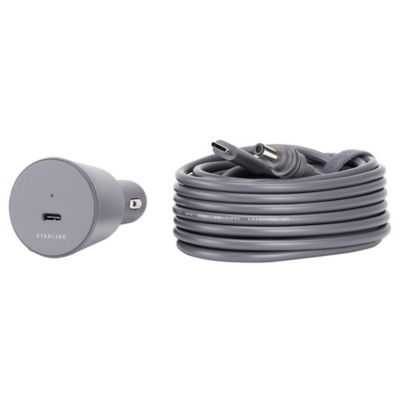
Power gear deserves just as much attention as the dish and its mounting point, particularly when the nearest outlet is back at the house. Portable power stations, compatible vehicle power connections and purpose-built adapters serve different needs, and their ratings need to match the terminal’s stated requirements. Connector shape alone does not establish compatibility: voltage, polarity, supported power delivery and cable specifications all matter. A USB-C port is not automatically suitable just because a cable plugs into it, and an adapter for a tool battery needs to support both that battery system and the connected equipment. For longer parked stays, battery capacity in watt-hours gives a more useful starting point for runtime planning than a capacity figure without its voltage context. Actual operating time depends on the terminal’s power draw, conversion losses, other connected loads and the energy the battery can deliver. Direct-current power can reduce conversion steps when the equipment supports it, but the full connection still needs the right ratings and protection. Keeping communications equipment separate from a vehicle’s starting battery can also help preserve the ability to leave camp without a jump-start. Solar charging may support a longer stay, though charging input, panel compatibility and the rest of the electrical system determine how much it contributes. Cases, cable pouches and protective caps round out the setup by keeping small parts together between stops. A fitted case can cushion the terminal during transport, while separate storage for leads helps prevent bent plugs and tangles with mounting hardware. Dust and grit deserve attention before connectors are joined or equipment is packed away, and cleaning should follow the manufacturer’s directions for the housing, screen surfaces and seals. Outdoor ratings apply to individual components and connections, not automatically to every adapter in the chain. For a remote worker, a traveling ranch family or someone who spends plenty of time in a parked camper, well-matched setup gear supports a tidy work corner and fewer loose ends when it is time to head down the road.