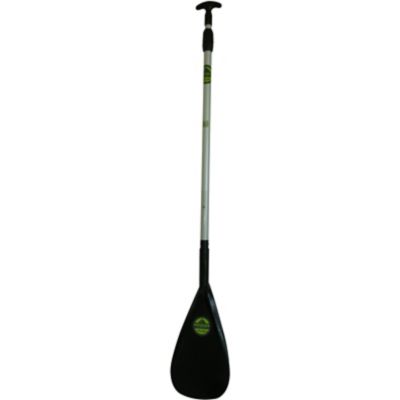
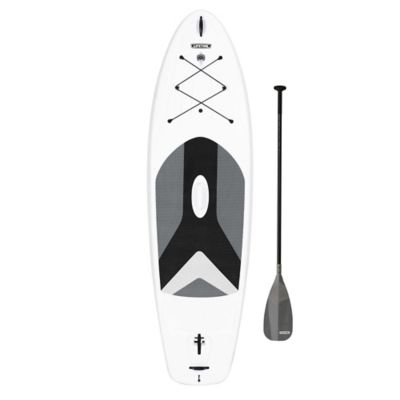
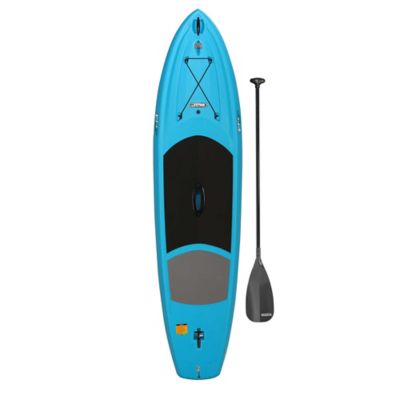
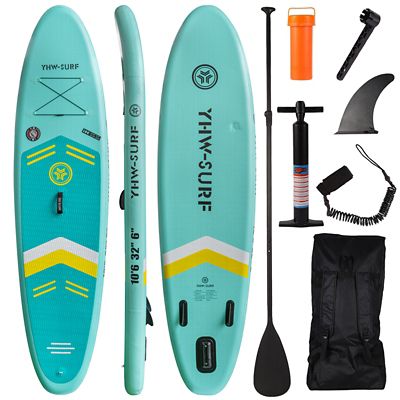
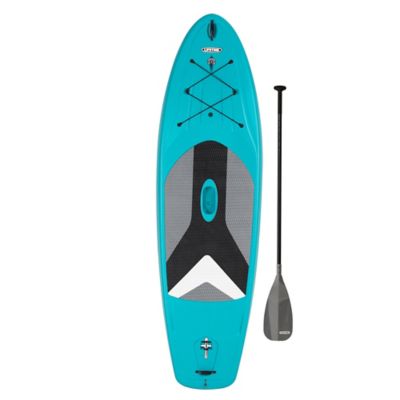
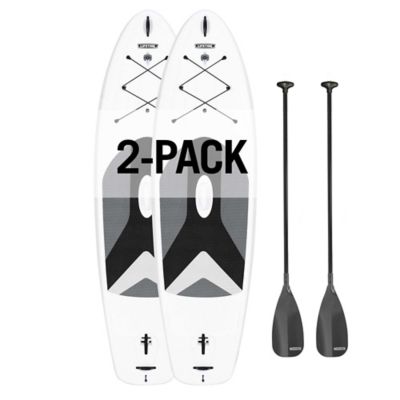
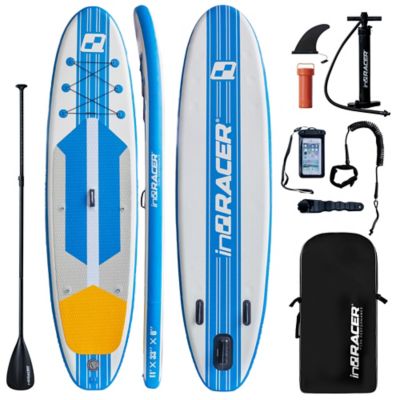
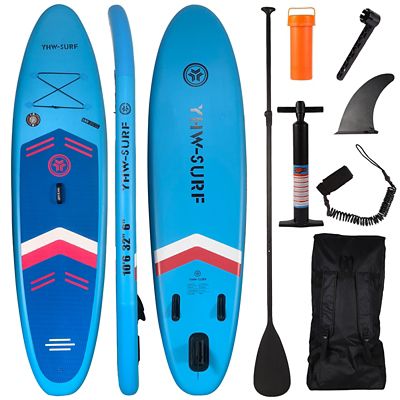
Stand up paddles are single-blade paddles made to move and steer a stand up paddle board, often called a SUP. Each paddle has a grip at the top, a long shaft and a blade that catches the water with each stroke. Unlike a double-bladed kayak paddle, a SUP paddle works on one side of the board at a time, with the rider switching sides to maintain direction. The right match depends on the paddler’s height, the board’s thickness and the kind of outing planned, whether that means an easy loop around the pond or a longer stretch along the lake shoreline. Length plays a big part in how comfortable that outing feels. A paddle that is too short can leave a standing rider bending forward, while one that is too long can make the return stroke awkward and tiring. For general recreational paddling, a common starting point is a paddle roughly 6 to 10 inches taller than the rider, though board design, paddling style and the maker’s sizing recommendations can call for a different fit. Adjustable stand up paddles offer room to dial in that reach and can work well when several family members share a board. A fixed-length paddle suits a rider who already knows the length that feels right and wants fewer moving parts. Smaller paddlers often benefit from a shorter shaft, a grip that fits their hand and a blade that does not demand too much effort with every pull. Adults getting comfortable on a board may also prefer a manageable blade rather than the largest option. A comfortable setup lets the rider stand naturally, hold the grip without squeezing hard and settle into an easy rhythm. That matters on a short paddle from the dock just as much as it does on a longer trip past coves, fishing spots and stretches of open shoreline. For shared family gear, clear length markings and an adjustment mechanism that is easy to operate make changes between riders less of a chore.
Materials affect a stand up paddle’s weight, feel and ability to handle everyday bumps. Aluminum shafts are common in recreational paddles and can make sense for casual outings, family equipment and trips where the paddle spends plenty of time riding in the truck beside other gear. They generally weigh more than carbon-fiber shafts, a difference that becomes more noticeable over repeated strokes. Fiberglass can offer a middle ground in weight and flex, while carbon fiber is often chosen by paddlers looking for a lighter feel over longer distances. Construction matters as much as the material name: shaft thickness, blade reinforcement, joints and the grip all contribute to how a paddle feels in the hand. A little shaft flex can soften the feel of a stroke, while a stiffer shaft transfers effort more directly. Blade materials range from molded plastics and reinforced nylon to fiberglass and carbon composites. Molded blades can suit shared equipment and outings near shallow launches, where an occasional brush with the bottom is harder to avoid. Composite blades can reduce weight, but their edges still deserve care around rocks, ramps and dock hardware. Blade size and shape matter, too. A broader blade catches more water with each pull, which can help with a strong stroke but also asks more of the shoulders and arms. A narrower blade can feel easier to move repeatedly, particularly for a smaller rider or someone covering more distance at a steady pace. The angle between the blade and shaft supports the forward stroke, so a SUP paddle has a different shape and reach than a canoe paddle. Grip shape rounds out the feel of the whole setup. A rounded palm grip or T-style grip should sit comfortably without sharp pressure points, and the shaft should feel manageable with wet hands. For a couple sharing equipment, differences in hand size, strength and height can matter more than matching every piece of gear. A paddle that feels right to one person may be tiring for another.
Transport, storage and care also help determine which stand up paddles fit into everyday life. A one-piece paddle has no sectional joints and is straightforward for a rider with enough storage space at home and room in the vehicle. Two-piece and three-piece paddles pack down for smaller vehicles, gear bags and trips that involve carrying a board from the parking area to the water. Three-piece designs are especially handy alongside inflatable boards that travel in a carry bag. Section connections and length locks deserve attention because play at a joint or slipping adjustment can interrupt an otherwise comfortable stroke. Sand and grit can interfere with those fittings, while salt left on metal parts can contribute to corrosion. A fresh-water rinse after saltwater use, clean adjustment surfaces and thorough drying before storage help keep the parts moving as intended. Storage out of prolonged direct sunlight helps protect grips, finishes and other components; keeping heavy gear off the blade and shaft also limits unnecessary stress. Flotation varies by construction, so a paddle should not be assumed to float simply because it belongs with a paddle board. Manufacturer information can clarify flotation and compatible accessories. For the full setup,
Lightweight Paddle Boards pair naturally with paddles chosen for easy carrying, especially when the route from the truck to the launch includes a grassy bank or a long dock. Total carrying weight matters when one person is handling the board, paddle and other equipment. A properly fitted, Coast Guard-approved life jacket and safety equipment suited to the water belong in that setup as well. Stand up paddles can also make a practical gift for someone who already enjoys time on the water, provided the length range, preferred grip and board setup are known. For a family lake trip, a quiet solo outing or regular laps close to shore, the best fit is the paddle that matches the rider’s reach, strength, transportation needs and time on the water.