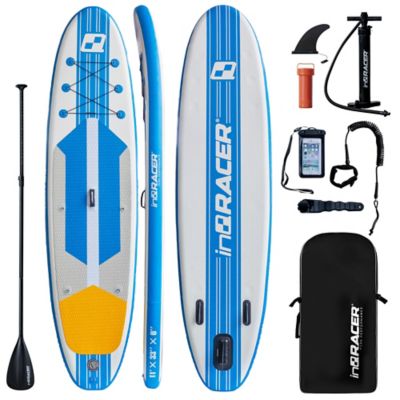
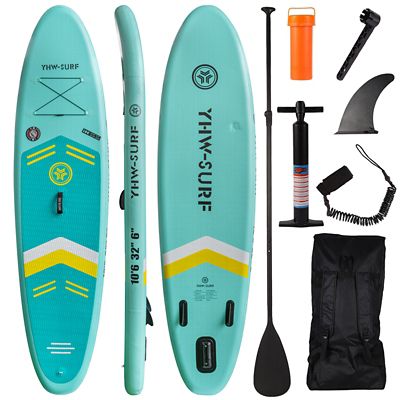
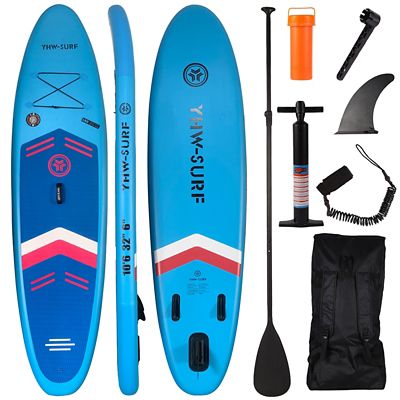
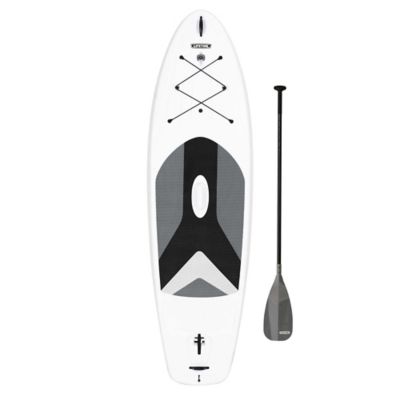
Inflatable stand up paddle boards bring a different view of familiar water, from a sheltered lake cove to a quiet stretch along the shoreline. Often called iSUPs, these paddle boards are air-filled watercraft that provide a standing platform for paddling and pack down for transport and storage. Most feature a PVC outer shell surrounding a drop-stitch core, where thousands of internal threads connect the top and bottom surfaces. Those threads hold the board’s shape as air pressure builds, helping create a firm platform without a solid foam core. Construction varies, with differences in reinforcement, seams, sidewalls, and deck padding affecting weight, stiffness, and resistance to everyday wear. An inflatable board is not puncture-proof, but its flexible construction and packable shape make it practical for trips that start with a drive down a gravel road and end at a small boat launch. Once deflated and packed according to its instructions, it can fit in a carrying bag for storage in a vehicle or at home. Packed dimensions and total kit weight still matter, especially when space is shared with fishing tackle, camping gear, or the family’s weekend bags. For paddlers who regularly carry equipment from a parking area to the water,
Lightweight Paddle Boards offer another way to compare options with transport in mind. The appeal goes beyond saving storage space. An inflatable stand up board can suit someone learning to balance near shore, an experienced paddler looking for an easygoing outing, or a camper who wants another way to enjoy a lake. It can also make a thoughtful gift for an outdoors-minded adult, provided the board matches that person’s size, paddling plans, and ability to handle setup. A board that packs away neatly is convenient, but how it feels underfoot and carries its load matters just as much once it reaches the water.
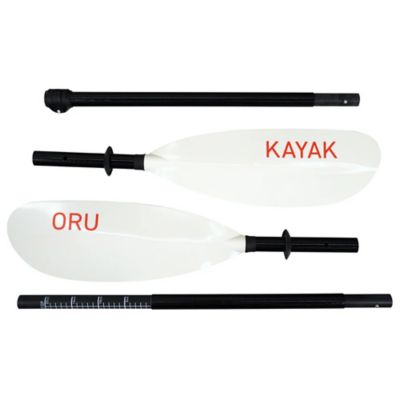
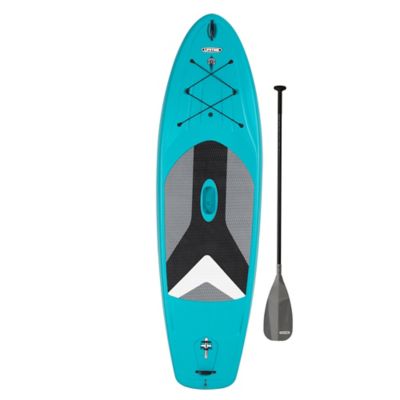
Board length, width, thickness, and shape all influence that on-water feel. Wider all-around paddle boards generally offer a steadier platform for getting comfortable, changing foot positions, or taking a break on your knees. Longer, narrower shapes tend to favor glide and straighter travel, which can appeal to paddlers covering more shoreline rather than staying close to the launch. Shorter boards often turn more easily, though performance also depends on the paddler, fin arrangement, and water conditions. A rounded nose is common on boards intended for relaxed recreation, while a more tapered outline can help a board move efficiently through the water. No single measurement tells the whole story. Thickness alone does not establish stiffness, and a high maximum weight rating does not guarantee the same handling for every load. The board needs to support the paddler plus clothing, drinking water, and any permitted gear or passenger. Staying within the manufacturer’s rating is essential, and allowing room below that limit can help keep a loaded board from sitting too low or feeling sluggish. Families comparing boards for different adults may find width, recommended rider weight, and paddle adjustment more useful than length alone. A child needs equipment suited to their size, swimming ability, and supervision, not simply a smaller place to stand on an adult’s board. For anyone considering a board for fishing or fitness, deck space and attachment points deserve attention. A clear, cushioned standing area allows room to shift your feet, while properly secured cargo stays out of the paddle stroke. Soft deck pads provide traction, but wet surfaces still call for care. Carry handles affect the walk to the launch, and removable fins can simplify packing while helping the board hold its course when installed. Included equipment varies, so the full setup matters: a compatible pump, correctly sized paddle, appropriate fin hardware, and a suitable carrying bag each play a part in getting from the truck to the water without an overlooked piece of equipment.
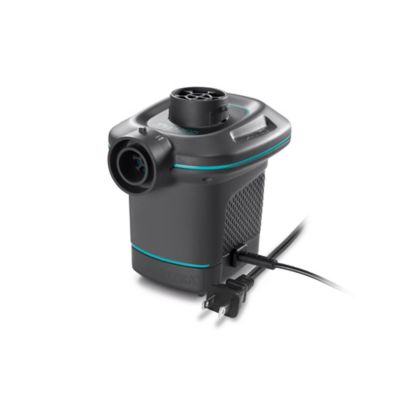
Ownership also means allowing time for inflation, drying, and a little routine upkeep. Inflation pressure is specific to the board, so the stated operating range and maximum pressure are more useful than a general number taken from another model. Too little pressure can leave a board flexing underfoot, while exceeding its limit can strain the construction. A compatible pump with a readable pressure gauge helps with setup, and an electric pump needs the right valve connection and power supply. Temperature changes affect internal pressure, especially when an inflated board sits out of the water in direct sunlight. Keeping it away from excessive heat and following the maker’s guidance helps protect seams and materials. At the shoreline, carrying rather than dragging the board reduces contact with gravel, sharp sticks, and broken shells. Enough water beneath the fin helps prevent a hard scrape during launch or landing. After an outing, a freshwater rinse can remove sand, mud, or salt, and thorough drying before packing helps prevent mildew and odors. Fins and loose hardware belong where they will not press into the rolled board, and storage should be dry, sheltered, and protected from rodents and sharp tools. An occasional check of the valve, seams, deck pad, and fin box can catch a small concern before another trip. Safe paddling takes more than a well-kept board, particularly during cooler weather when calm-looking water can still be dangerously cold. A properly fitted, Coast Guard-approved life jacket belongs on the paddler, and clothing should account for water temperature rather than sunshine alone. Leash selection depends on the setting; ordinary ankle leashes can create entrapment hazards around moving water and obstructions. Local rules, weather, wind direction, and access conditions also shape whether an outing makes sense. Sheltered water and a short route near a safe landing are a different proposition from open water with an offshore breeze. Matching the board and equipment to those real conditions helps make a simple paddle along the bank a more comfortable, manageable part of time outdoors.