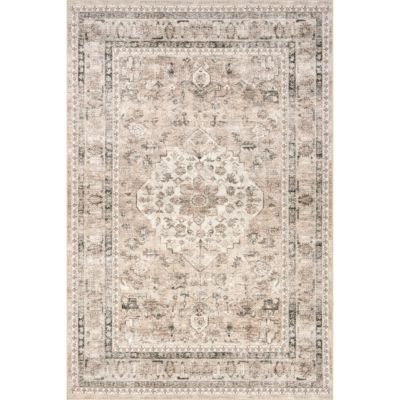
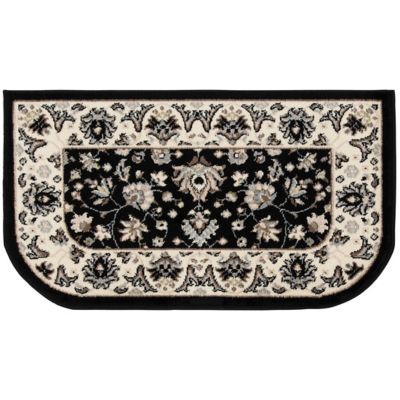
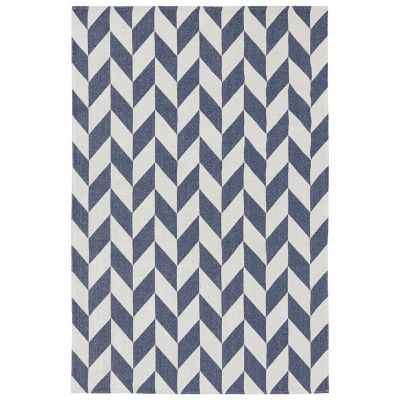
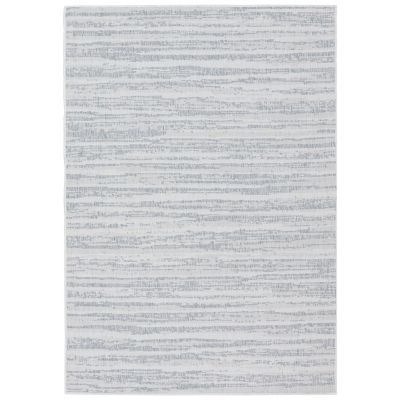
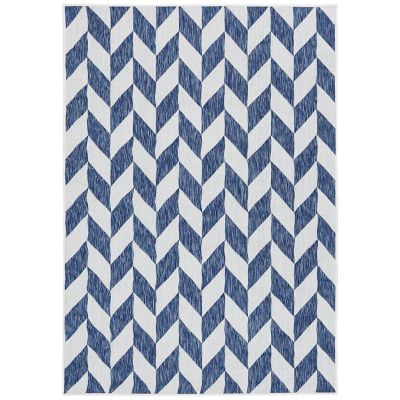
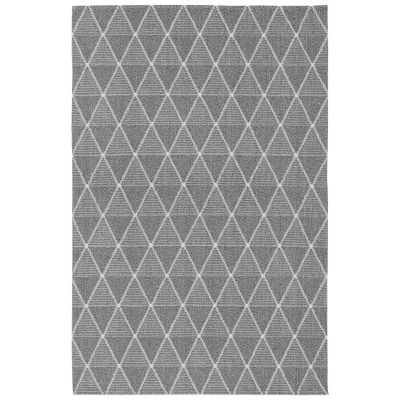
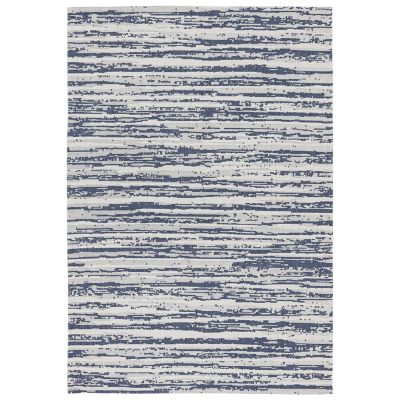
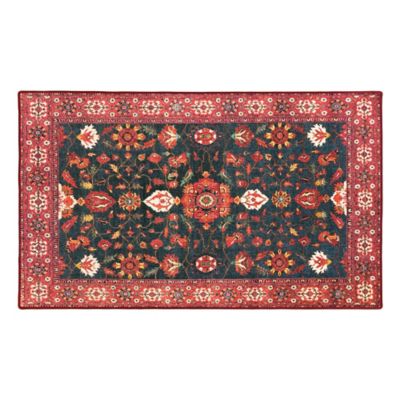
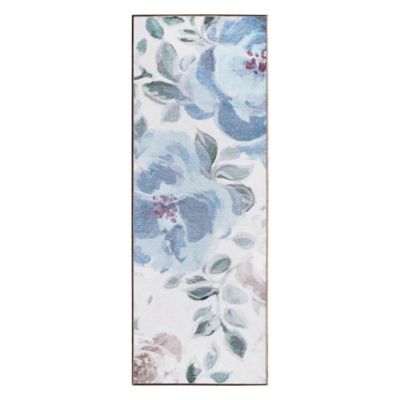
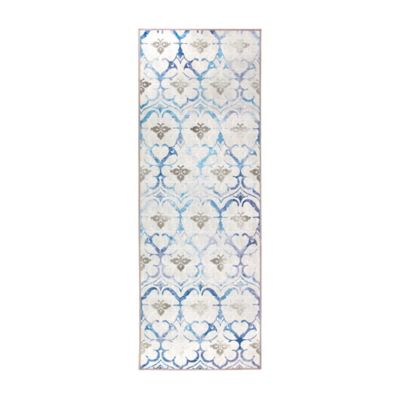
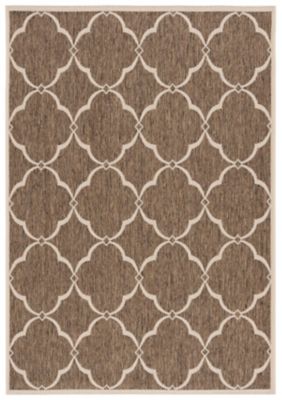
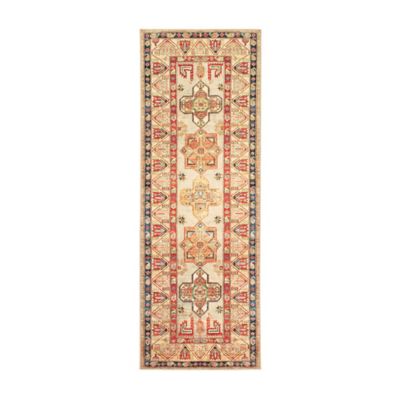
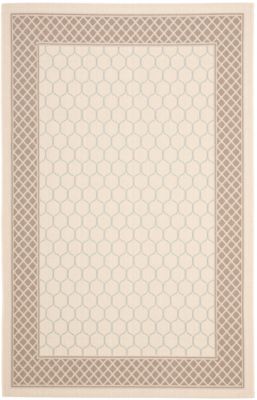
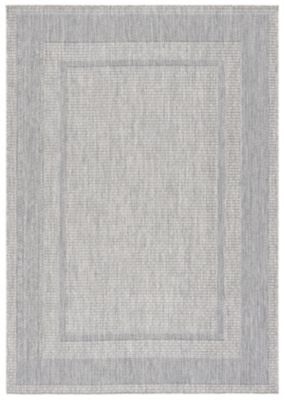
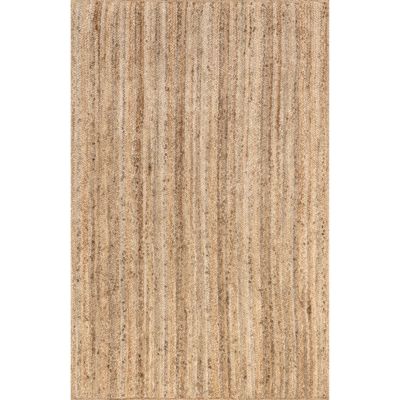
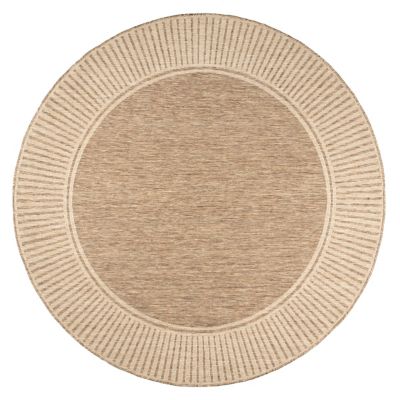
Stain resistant area rugs make it easier to keep busy rooms looking pulled together, even when life gets a little messy. A rug by the back door may see muddy boots, damp paws, and bits of gravel, while one beneath the kitchen table has to handle dropped food, drink splashes, and the everyday scuffing that comes with family meals. In a living room, den, nursery, or hallway, the right rug adds warmth and color underfoot while giving you a more forgiving surface than a bare floor. These rugs are made with treated fibers or protective coatings that help liquids bead on top instead of soaking straight into the pile, giving you a little more time to blot a spill before it turns into a lasting mark. That extra breathing room can be especially helpful in homes with children, dogs, cats, frequent visitors, or muddy work clothes coming in from outside. Polypropylene, sometimes called olefin, is a popular choice for high-traffic spaces because it naturally resists moisture, holds up well to regular use, and generally does not shed much. Treated polyester can offer a soft feel and good resistance to many water-based spills, while nylon is known for its toughness and springy texture; some nylon rugs rely on an added stain treatment for extra protection. A low-pile or flatweave style is often handy beneath a dining table, in a hallway, or near an entry because it is easier to sweep and less likely to catch on shoes. A thicker pile can bring a softer, cozier feel to a bedroom or family room, though it may need more care when crumbs, hay, or pet hair work their way down between the fibers. Stain resistance does not mean a rug is completely spill-proof, and the label should always be checked for cleaning instructions, recommended products, and whether the rug is safe for machine washing, hosing, or spot cleaning. Some styles are designed with a removable or washable top layer, while others are best maintained with regular vacuuming and gentle blotting. For most spills, lift away solid debris, press with a clean absorbent cloth, and avoid rubbing hard, which can push the mess deeper or rough up the fibers. A rug pad can help keep the rug from shifting, protect the floor underneath, and add a bit of cushion when you are standing at a worktable or walking through the room.
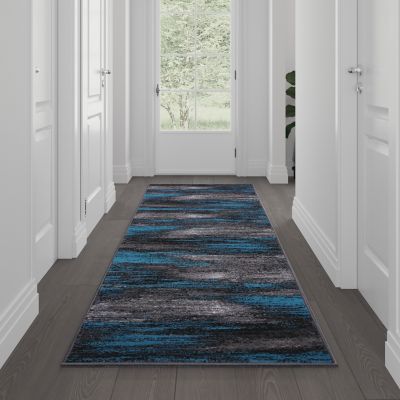
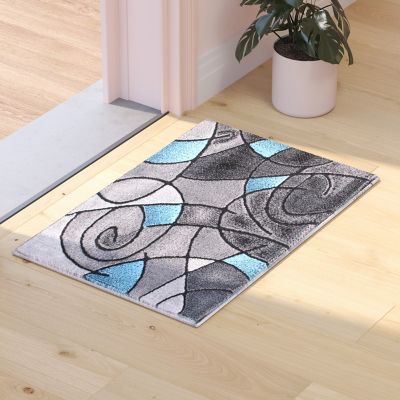
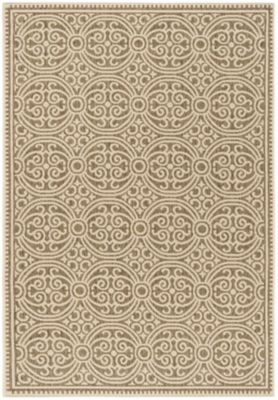
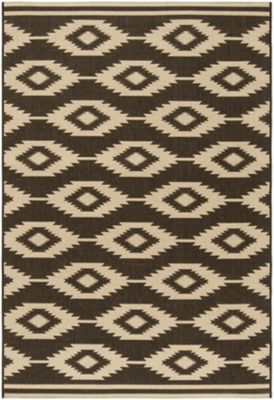
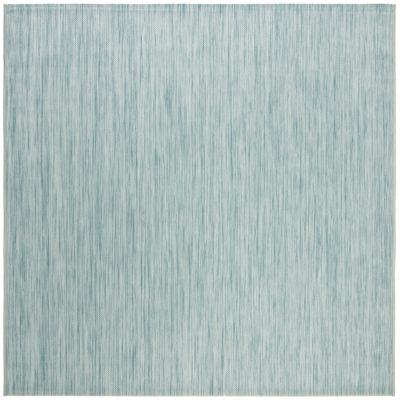
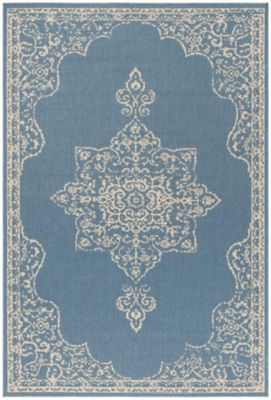
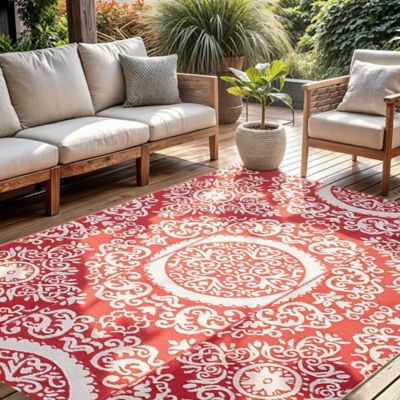
Before choosing a stain resistant area rug, measure the space and think about how the furniture will sit on it. In a seating area, a larger rug that reaches beneath at least the front legs of chairs and sofas can make the room feel connected instead of pieced together. Under a dining table, leave enough rug around the edges for chairs to slide out without catching on the border. Runners work well in hallways, mudrooms, kitchens, and narrow spaces, while smaller rectangular rugs can define a reading corner, pet feeding area, or entry landing. Round and square options can soften a boxy room or fit neatly beneath a small table. Keep door swings, vents, floor registers, and cabinet clearance in mind, since a thick rug in the wrong spot can be a daily nuisance. Color and pattern also make a difference in how often a rug looks marked up. Multicolor designs, subtle patterns, and medium tones tend to disguise small bits of dirt between cleanings better than a solid, very light surface. That does not mean you have to give up a bright farmhouse look or a simple neutral style; it just helps to match the rug to the amount of traffic a room receives. A patterned rug in an entryway can hide the evidence of a wet walk from the truck or barn, while a calm solid color may be just right beside a bed where foot traffic is lighter. During the cooler months, area rugs help take the chill off hardwood, tile, and concrete floors, making a mudroom or living room more comfortable when everyone comes in from the cold. They can also help quiet footsteps and add a finished feel to a cabin, farmhouse, apartment, or family home. If you are refreshing an outdoor sitting area, porch, or covered entry, look for a rug made for exterior use rather than placing an indoor rug where it will face weather and strong sunlight;
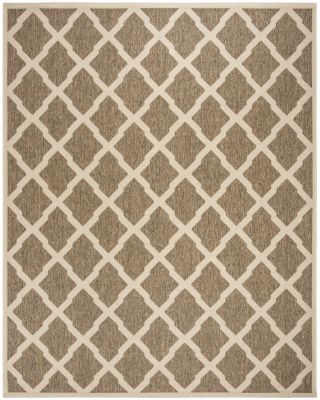
Fade Resistant Outdoor Rugs are made with those conditions in mind. Indoors, keep moisture-resistant rugs away from standing water, and allow any damp area to dry fully so the floor beneath stays in good shape.
These rugs can be a thoughtful, practical gift for someone settling into a new home, welcoming a puppy, opening a nursery, or giving a high-traffic room a fresh start. They are also useful for households that host family meals, run a home business, or spend plenty of time moving between the kitchen, porch, garage, and yard. A washable or easy-clean rug can be especially welcome for new parents and pet owners, while a durable low-pile design may suit someone with a busy entryway or a home full of grandkids. When shopping, compare the listed dimensions with the room rather than relying on a picture, since an area rug can look much larger or smaller online than it does once unrolled. Check whether the edges are bound, whether a backing is included, and whether a separate non-slip pad is recommended. If the rug will sit on hardwood, vinyl, laminate, or another delicate surface, look for care details about backing materials and use of rug pads. Think about the way the rug will be cleaned, too. A hose-washable option may be convenient for a covered porch or mudroom, while a machine-washable design can be useful in a home with pets and children, provided the washer can handle the size and weight. For larger rugs, routine vacuuming, quick attention to spills, and an occasional professional cleaning may be the simplest approach. Rotate the rug from time to time if the room gets strong sunlight or one section receives more foot traffic than another. Keep furniture legs from dragging across the surface, and trim loose threads instead of pulling them. With the right size, material, pattern, and cleaning plan, a stain resistant area rug can stand up to everyday living while making a room feel warmer, more comfortable, and ready for whatever comes through the door.