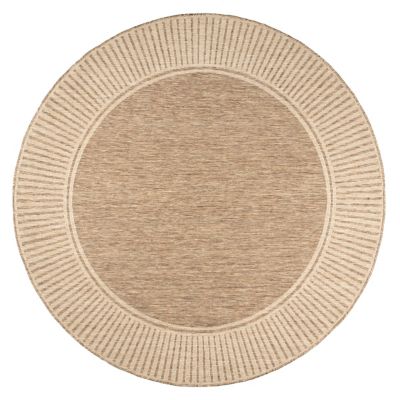
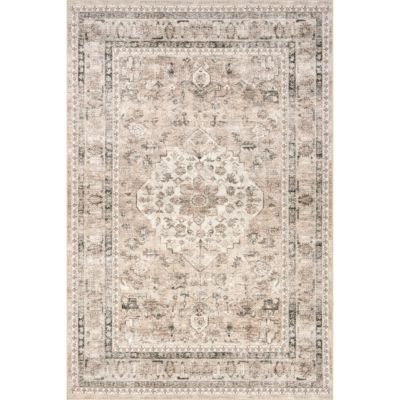
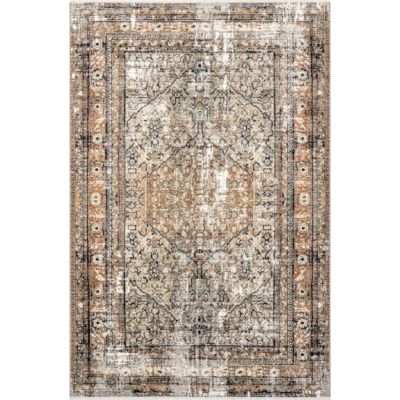
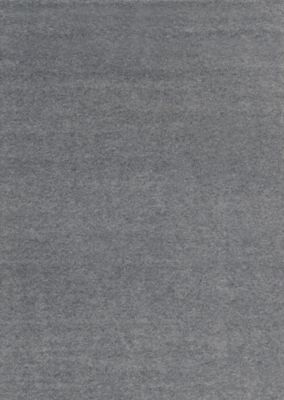
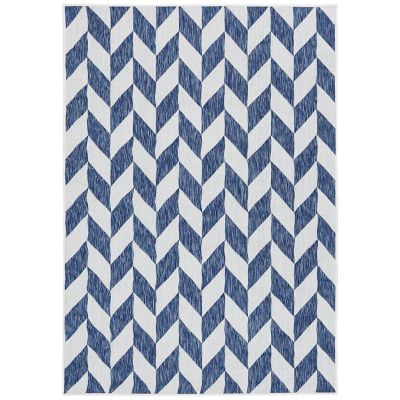
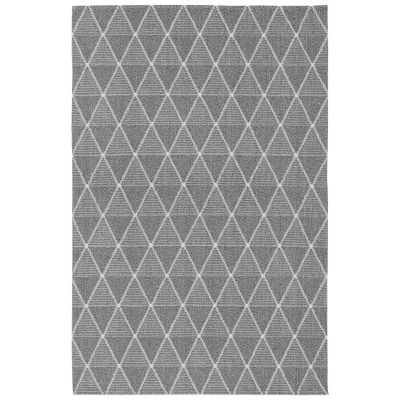
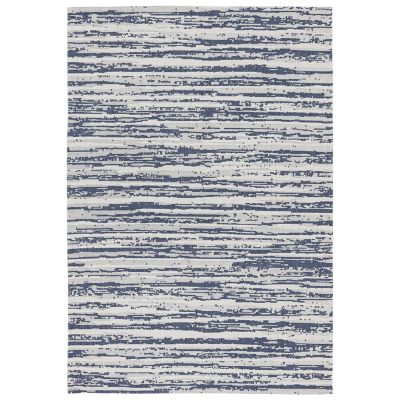
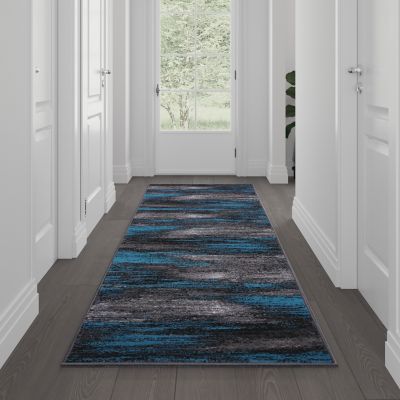
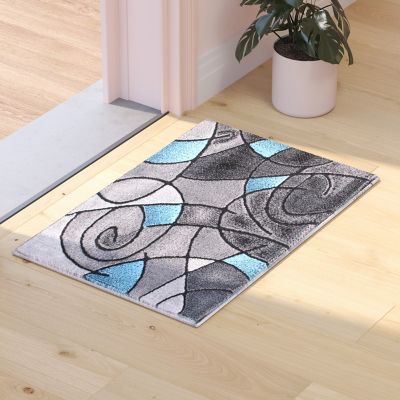
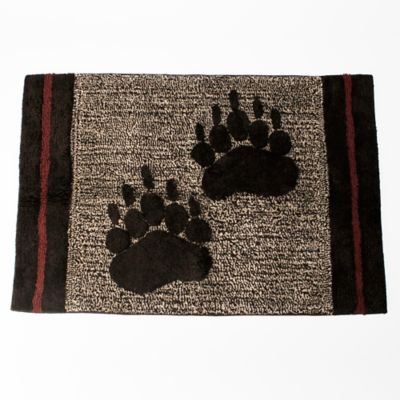
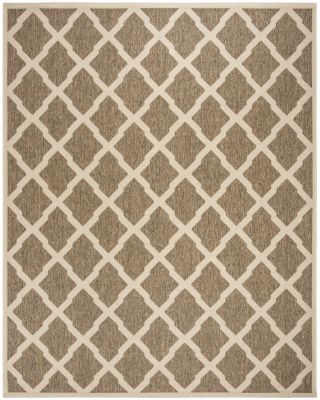
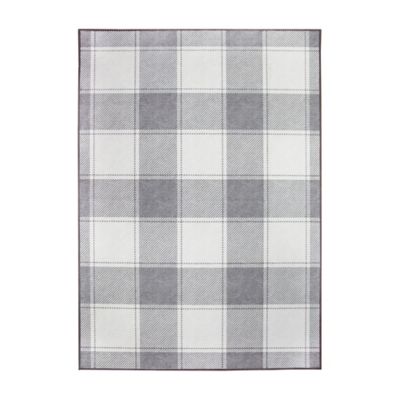
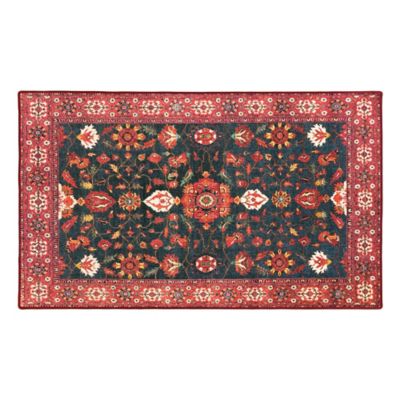
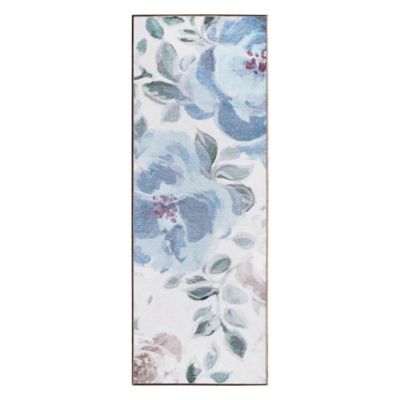
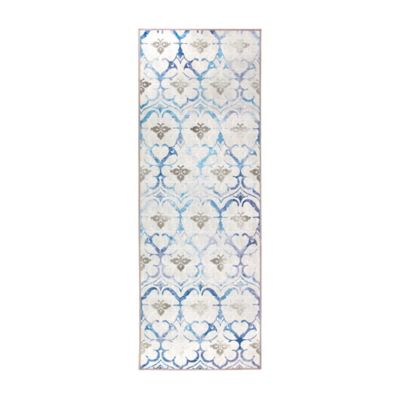
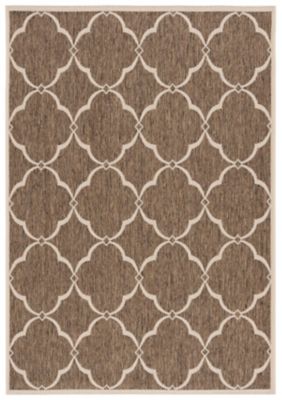
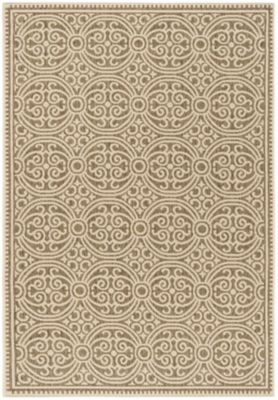
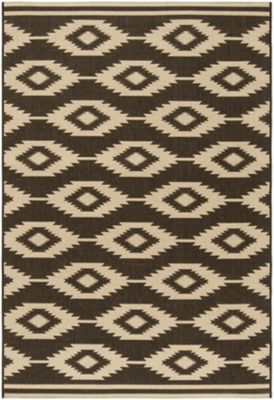
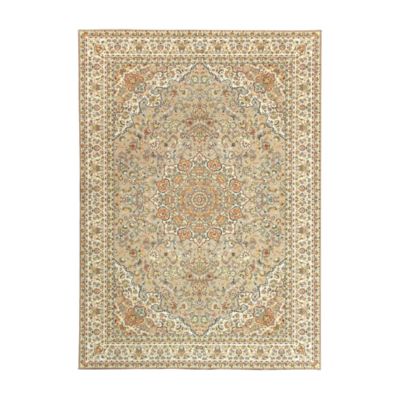
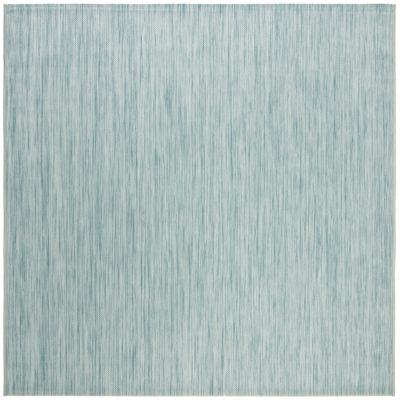
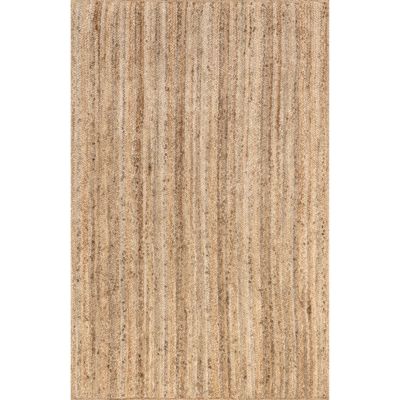
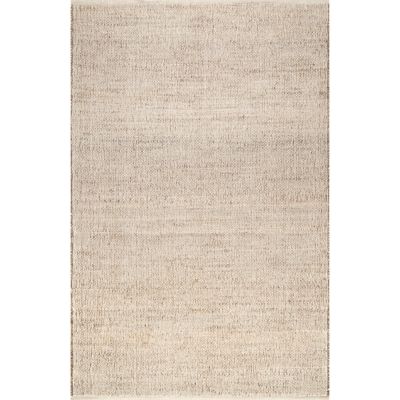
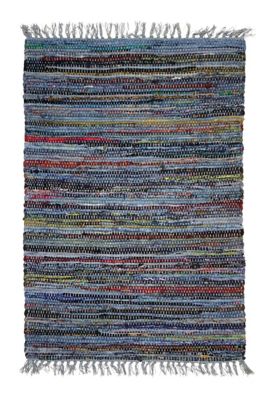
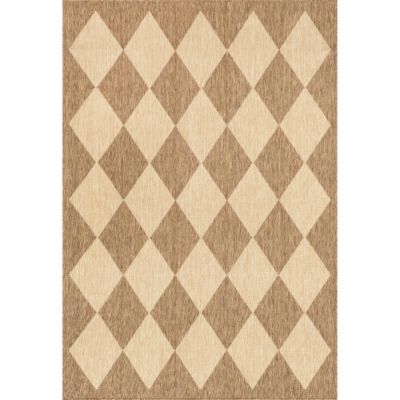
Easy-to-clean area rugs bring softness and color to a room without making every muddy paw print or dropped cracker a big project. The easiest styles to keep tidy often combine a low pile or flat weave with fibers that release everyday dirt and a cleaning method that fits your household. Short fibers leave less room for crumbs, dust, and pet hair to settle than a deep, plush pile, which can make routine vacuuming simpler. A flatter surface also helps dining chairs move more freely and keeps small toy pieces from disappearing underfoot. Material matters, too. Polypropylene absorbs very little moisture into the fiber and often handles water-based spills well, though greasy spots may need extra attention. Polyester offers softness and resistance to many water-based stains, while nylon is known for standing up to foot traffic; its stain performance depends partly on any protective treatment. None of these materials makes a rug stainproof, and the backing, weave, and care label matter just as much as the fiber name. Cotton can feel soft and flexible, and some cotton rugs allow machine washing, but it absorbs spills readily and may shrink if cleaned incorrectly. Wool has natural soil resistance and a comfortable feel, though many wool rugs call for more careful cleaning rather than a trip through the washer. For a living room shared with kids and pets, a tightly woven surface with little fringe can mean fewer places for hair to catch and fewer loose ends to tempt a playful cat. Beside a kitchen table, a low-profile rug can catch crumbs without holding them deep in the fibers. In a sitting room, a slightly softer pile may be worth a little more vacuuming. The right balance comes down to how the room gets lived in: boots crossing the entry, a dog settling beside the couch, or a family gathering around the table every evening.
Size and placement have a lot to do with how an area rug performs once it reaches the floor. A rug that looks right in an open room can become a nuisance if its edge catches a door, bunches beneath a chair, or lands directly in a busy walking path. In a living room, enough coverage for the front legs of the main seating pieces helps tie the space together and keeps the rug from looking stranded between the sofa and coffee table. Under a dining table, room for chairs to remain on the rug when pulled out makes sitting down and getting up easier. In an entryway or mudroom, door clearance deserves particular attention because even a thin rug can sit too high once a pad is underneath it. Measuring the usable floor space, including door swings and furniture movement, gives a better picture than measuring an empty stretch of floor alone. Rectangular rugs suit many seating arrangements, while round shapes can work well beneath a round table or in a small conversation area. Color and pattern have a practical side, too. A mixed-tone pattern can make scattered lint and small marks less noticeable between cleanings, while a solid light surface may show tracked-in soil more quickly. Very dark colors can make pale pet hair stand out. Neither choice replaces cleaning, but matching the appearance to daily household traffic can keep a room looking pulled together with less fuss. A compatible rug pad can add cushioning, reduce shifting, and limit rubbing against the floor. Backing materials are not suitable for every floor finish, so flooring and rug care recommendations should agree before anything goes down. Even a rug with a slip-resistant backing needs a clean, dry surface beneath it. For homes with older adults, young children, or a dog that takes corners at full speed, flat edges and a rug that stays in place matter more than extra plushness.
Care features are most helpful when their meaning is clear. An easy-clean label may refer to spot cleaning, machine washing, or another approved method; it does not mean every rug can handle the same treatment. For households that want a wash-day option,
Machine Washable Area Rugs offer a cleaning approach worth considering alongside rug size, construction, and laundry equipment. Some washable designs have a removable top layer, while others are cleaned as a whole piece. The care label determines which parts can go into a washer, and the rug must fit within the machine’s capacity with room to move. A large rug may require a commercial-size machine even when it is labeled machine washable. Drying directions deserve equal attention: some rugs allow low-heat tumble drying, while others need air drying, and extra heat can affect fibers, shape, or backing. A rug should be fully dry before returning to the floor so moisture does not linger underneath. Between deeper cleanings, regular vacuuming lifts grit that can wear at fibers as people walk across the surface. Adjustable suction or a brush setting appropriate for the rug can help protect edges and loops; fringe is best kept away from a rotating brush. With spills, lifting solids and blotting liquid promptly with a clean cloth helps contain the mess without pushing it farther into the rug. Any cleaning solution should match the care directions and be tested in an out-of-sight spot first. A stain-resistant treatment may slow absorption, but it is no reason to leave spilled juice or a pet accident sitting. Rugs marked for indoor and outdoor placement may offer additional cleaning options, including rinsing when the manufacturer permits it, but that does not automatically make them machine washable. For a busy family home, a first apartment, or a housewarming gift, the most useful choice is a rug whose upkeep fits everyday routines. A manageable size, a surface suited to the room, and clear care directions go a long way toward keeping comfort underfoot without turning small messes into an all-day chore.