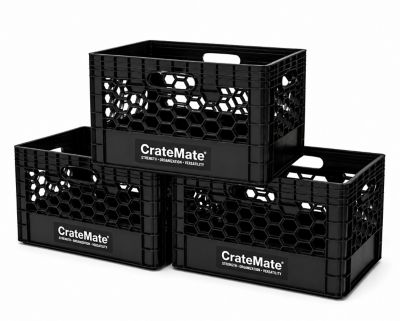
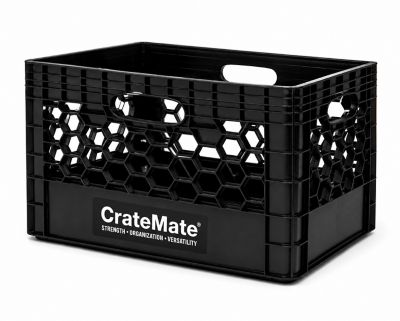
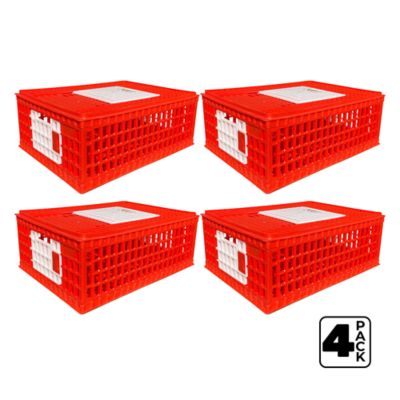
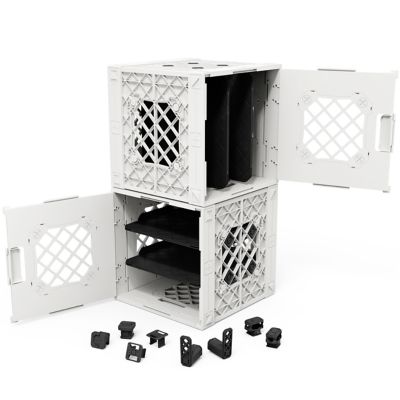
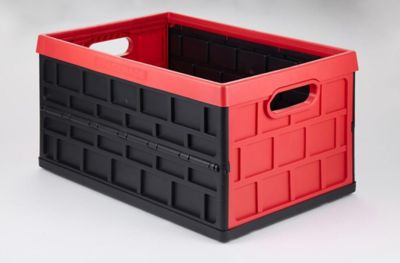
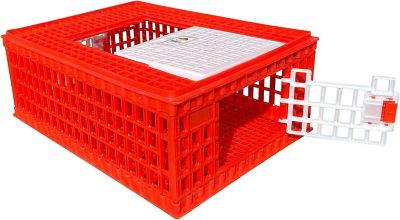
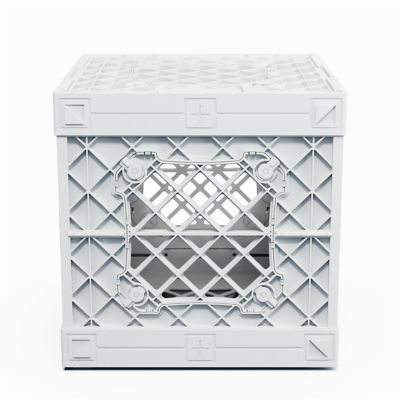
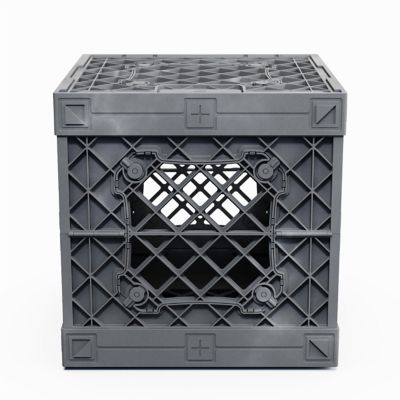
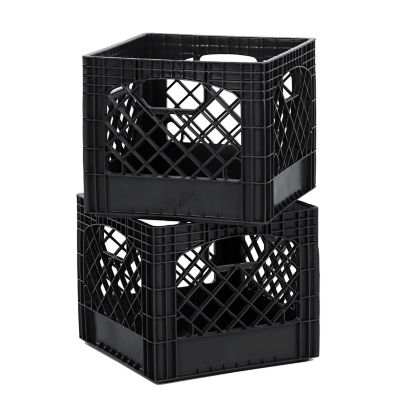
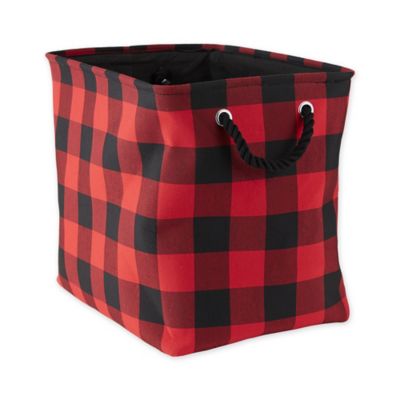
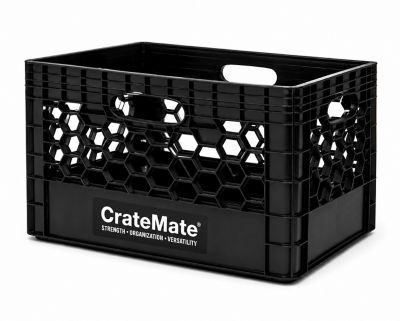
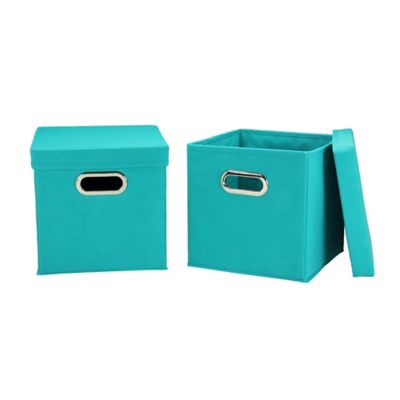
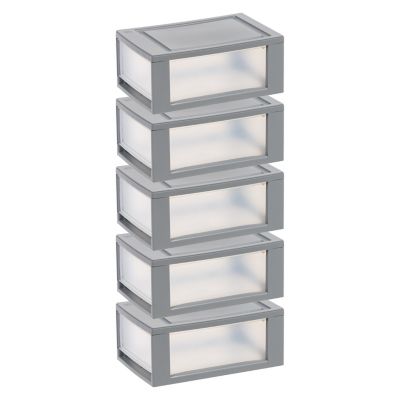
Stackable crates help turn a crowded corner into storage you can actually work with, whether that corner is in a garage, mudroom, barn office, or back room at the shop. Their appeal is straightforward: they keep everyday belongings together while making better use of the space above the floor. A row of loose containers can spread across a workbench in a hurry, but crates designed to stack let you give supplies a home without giving up your whole work surface. For folks balancing chores, hobbies, and household errands, that can mean less time hunting for a missing glove and more room to get things done. Open-top designs make it easy to see what’s inside when the crate is within reach, while slotted sides can offer ventilation and a glimpse of the contents. Solid-sided options help contain smaller belongings that might otherwise poke through openings. Neither style is right for every job; the better fit depends on what you’re putting away and where it needs to go. Think of the familiar pile just inside the door after an afternoon outside: gloves, a brush, a few supplies, and odds and ends that never quite make it back to the shelf. A crate gives those belongings a landing place, and a stack of clearly labeled crates helps separate household supplies from work gear. During the cooler months, when more gear comes indoors and enclosed workspaces fill up, that little bit of order earns its keep. Stackable storage crates also suit people whose storage needs shift throughout the year. They can move from a closet to a utility room or from a home workspace to a covered outbuilding, provided the material is suited to the conditions. Rather than building your setup around one permanent arrangement, you can choose containers that fit the way you move through a normal day, with frequently needed belongings close at hand and less-frequent supplies tucked out of the way.
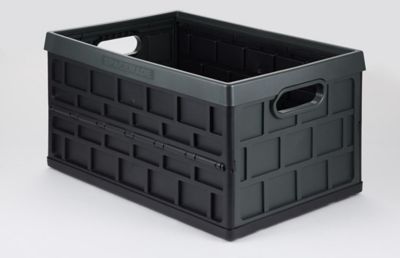
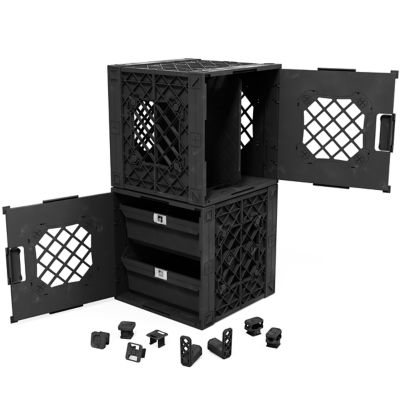
Size matters beyond whether a crate looks roomy enough. Outside dimensions determine how it fits on a shelf, beneath a bench, or through a narrow doorway, while inside dimensions determine what it can hold. Tapered walls, handles, and reinforced edges can take up space, so capacity alone doesn’t tell the whole story. If you’re storing longer belongings or packing several things side by side, checking the interior measurements can save some frustration. It also helps to picture the crate full rather than empty. A large container may be easy to carry off the shelf but awkward once it’s loaded, especially if you’ll be lifting it into a vehicle or carrying it across a gravel driveway. Handle placement, grip clearance, and the weight of the empty crate all affect everyday handling. Smooth grip areas and enough room for your fingers are worth a close look, particularly when you’re wearing work gloves. Material choice deserves the same attention. Plastic crates often offer a wipe-clean surface, though temperature limits and suitability for sunlight vary by design. Wood brings a different feel and may suit dry indoor storage, but rough surfaces and moisture exposure deserve consideration. Metal construction can make sense for some work settings, with the finish and care requirements helping determine where it belongs. Whatever the material, look for the manufacturer’s stated load capacity and stacking limits. The amount a crate can carry is not necessarily the same as the weight it can support from containers above it. Matching footprints alone also don’t guarantee a secure stack; rims, feet, and locking features need to work together as intended. Some crates nest when empty and stack in a different orientation, while others fold down between jobs. Those differences matter when spare containers have to share space with everything else. For storage you’ll reach into often, front access or visible label areas may be more helpful than extra depth. For belongings that need covered storage,
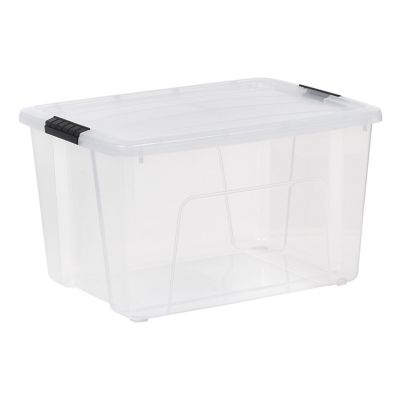
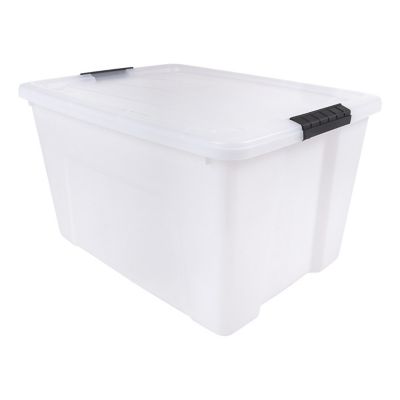
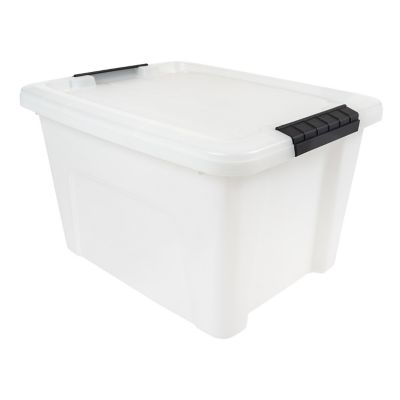
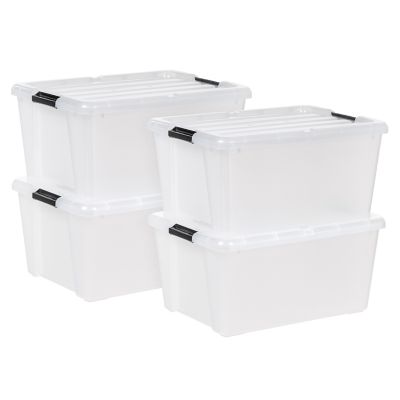
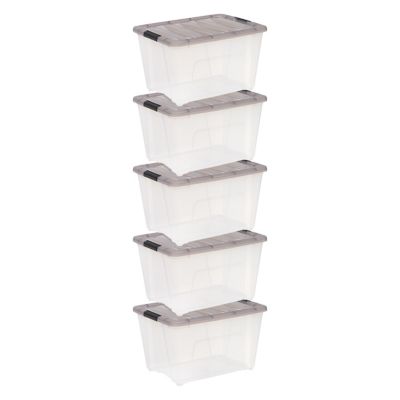
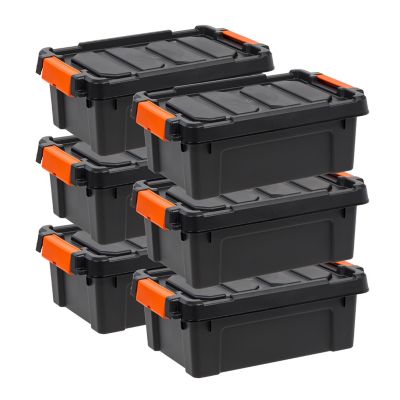
Stackable Storage Totes With Lids offer another option to consider, with closure styles and protection levels that vary by design.
The best stackable crate setup feels natural to the people reaching for it. In a busy household, that might mean separate spaces for each person’s outdoor gear, with labels facing forward so nobody has to pull apart the whole stack before heading out. In a workshop, it might mean grouping supplies by task so you can carry one manageable load to the bench. Gardeners can keep clean, dry supplies together between outings, while hobbyists can sort materials without letting them take over the spare room. Small business owners and market vendors may appreciate containers that travel easily between storage and a work site, though a stack that sits neatly in a room still needs appropriate restraint during transport. Crates can also make a practical gift for someone settling into a new home, setting up a garage, or making room for a growing hobby, especially when you know the dimensions of their storage area. At home, a little breathing room around the stack makes a difference. Leave space to get a good hold on the handles, avoid blocking doors or walkways, and keep heavier loads low on a level surface. Tall stacks can become awkward even before they reach a stated limit, so easy access matters as much as fitting everything into one spot. Storage in a barn or shed calls for a closer look at dampness, dust, pests, and temperature swings. Ventilated crates are not sealed containers, and a lid does not automatically make any container weatherproof or pest-resistant. Clothing and other moisture-sensitive belongings should be clean and fully dry before they’re put away. Food or animal feed requires storage intended for that purpose rather than an assumption that any crate will do. With the right fit, stackable crates bring a workaday kind of order: a clearer bench, a more open floor, and supplies waiting where you expect to find them when the next chore comes along.