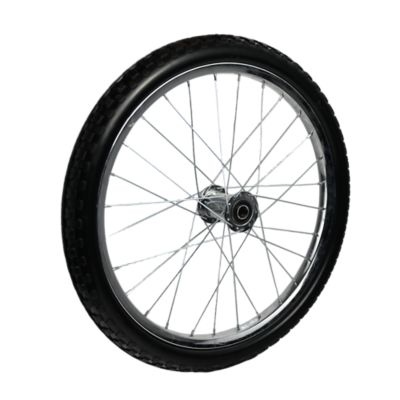
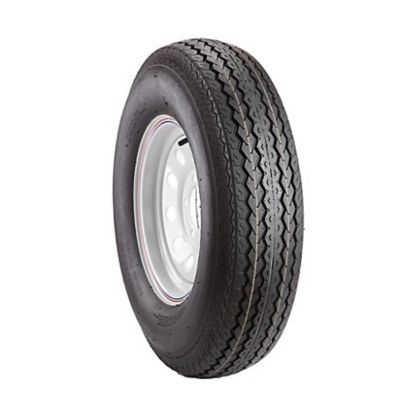
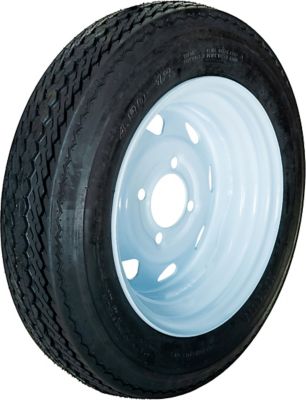
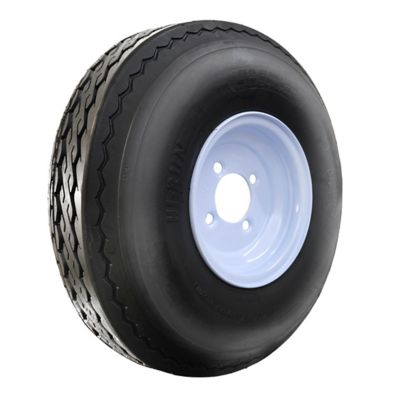
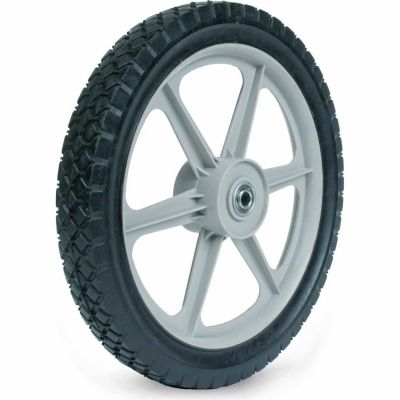
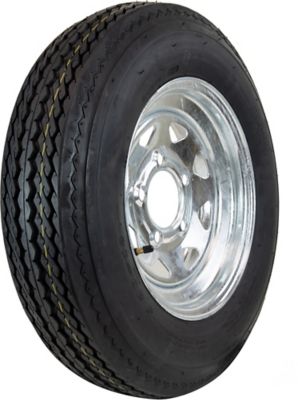
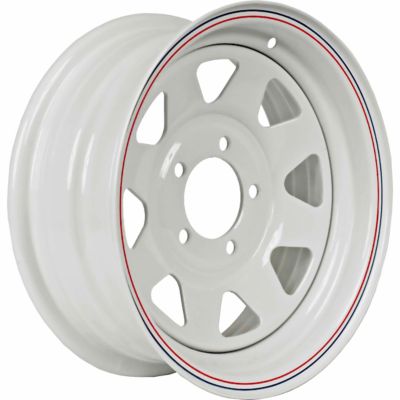
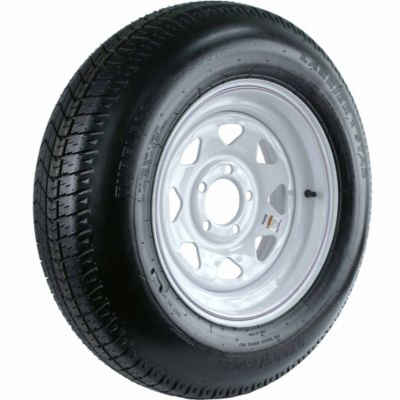
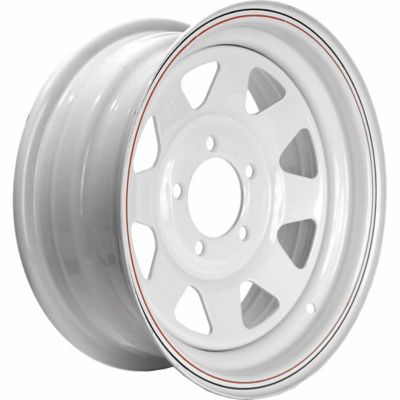
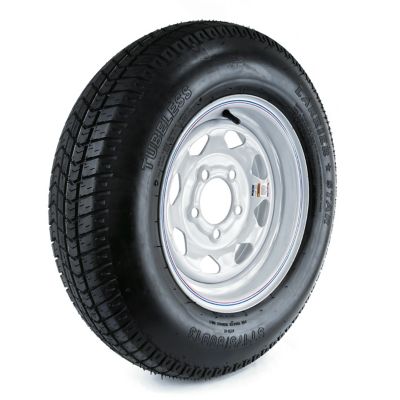
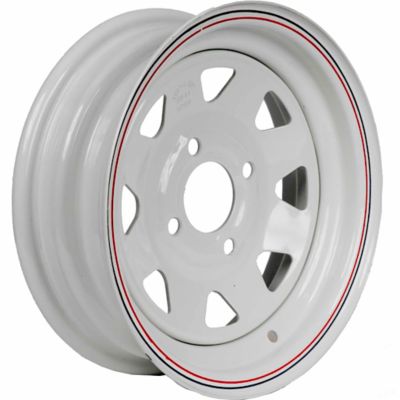
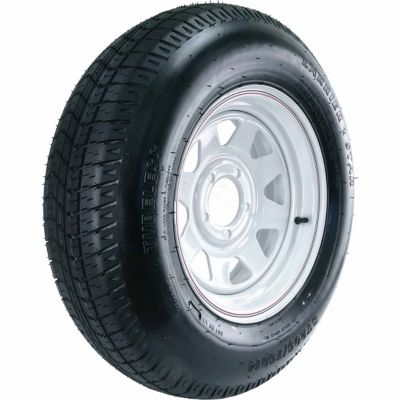
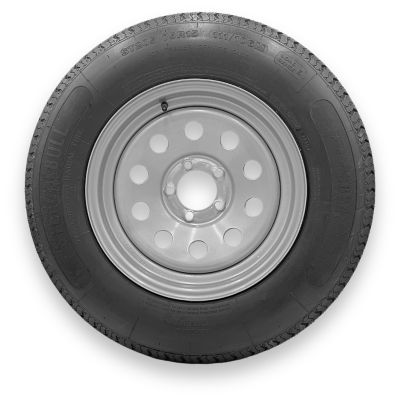
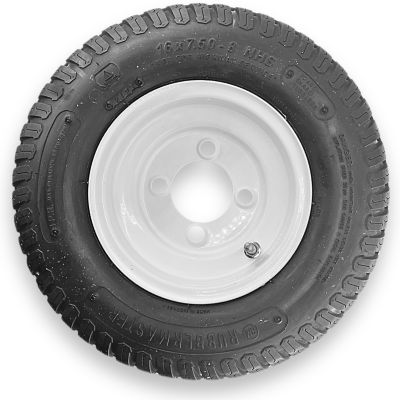
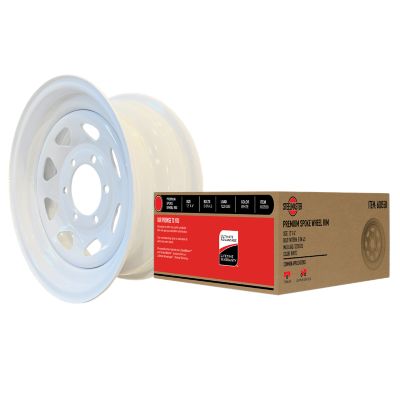
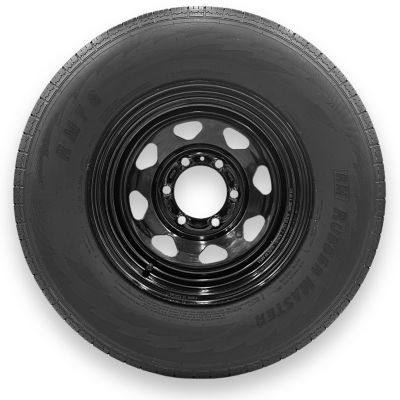
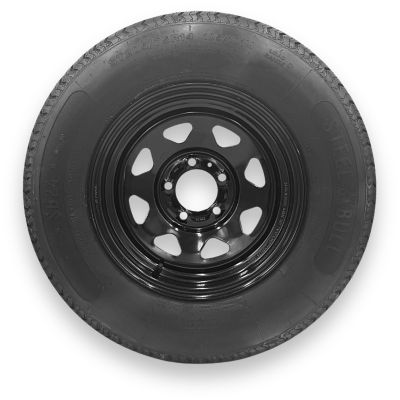
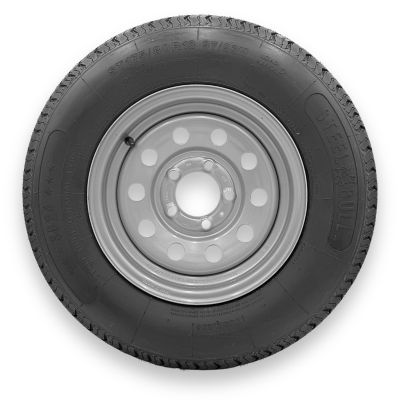
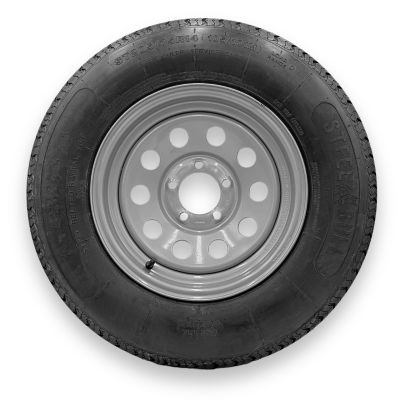
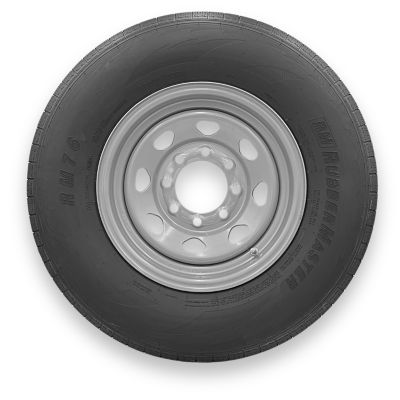
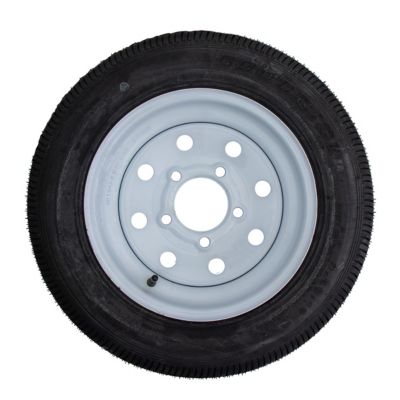
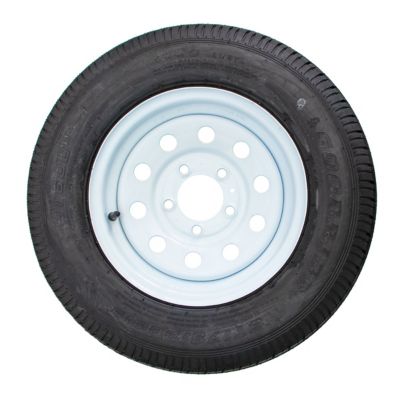
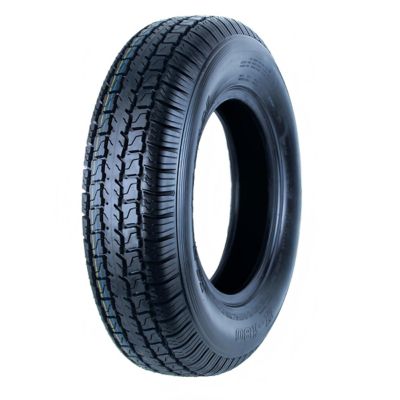
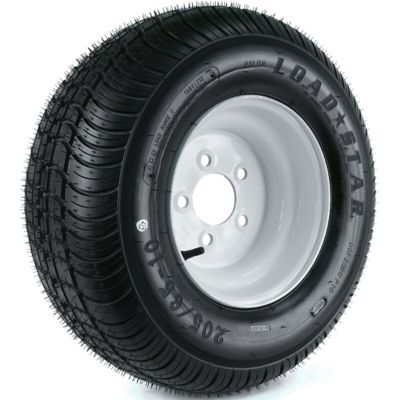
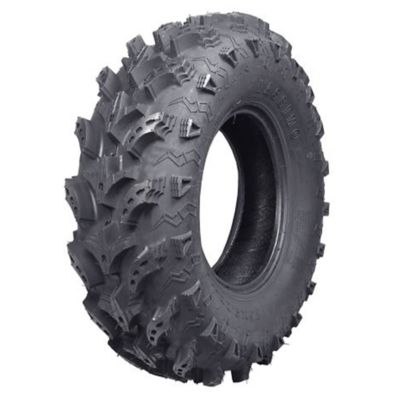
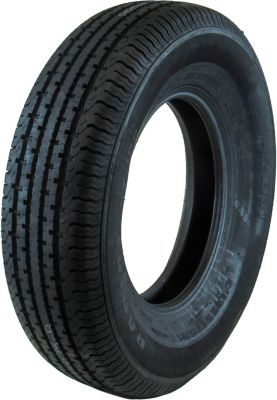
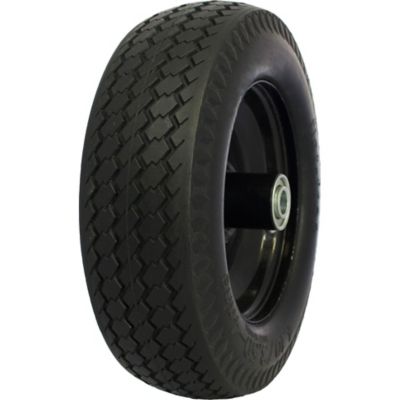
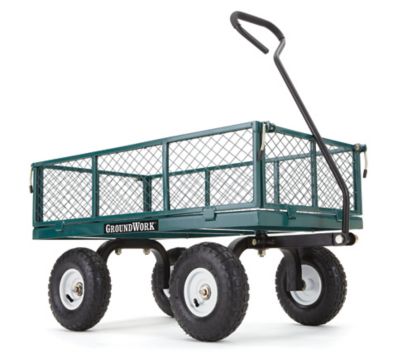
Spoked tires bring together a tire and a wire-spoke wheel, giving equipment and vehicles a useful blend of classic style, practical flexibility, and dependable performance. In a spoked wheel, individual metal rods connect the center hub to the outer rim, spreading the load around the wheel while allowing a small amount of natural flex. That flex can help absorb bumps and hard impacts on rough ground, which is one reason spoke wheels are common on dirt bikes, off-road motorcycles, utility vehicles, bicycles, and other machines that travel over uneven terrain. They also have a look all their own. Clean metal spokes and a defined rim can add a vintage touch to a restoration project, classic vehicle, hot rod, or lowrider, while still serving a working purpose. When shopping for spoked tires or wheel-and-tire assemblies, start with fitment. Check the tire size, wheel diameter, width, axle or hub dimensions, bolt pattern where applicable, spoke count, and the manufacturer’s recommended load rating. A tire that looks close may still be the wrong match if the rim width, hub spacing, or overall diameter does not suit the machine. It is also worth checking whether the setup uses an inner tube or is designed for tubeless use, since that affects installation, repair supplies, and routine maintenance. Riders and property owners often keep a spare tube, patch kit, valve core tools, and a hand pump nearby, especially when traveling away from the shop or working on back trails. For equipment used around barns, gravel drives, wooded paths, and farm lanes, choose a tread pattern that matches the surface and inspect the sidewalls for cuts, cracking, or weathering before putting the wheel to work.
One of the practical advantages of a spoke wheel is that damage may be serviceable instead of requiring the complete wheel to be discarded. Individual spokes can often be replaced, and a rim that has shifted slightly out of alignment may be trued or straightened by someone with the proper tools and experience. This repairability can be especially helpful after a sharp impact from a rut, rock, curb, or hidden stump. Spokes should be checked for looseness, bends, broken sections, or a dull sound compared with neighboring spokes when lightly tapped during an inspection. A wheel that wobbles, rubs, or loses air deserves attention before the vehicle is used at speed or under a heavy load. Keep metal surfaces clean and dry when possible, brushing away packed mud, salt, and road grit that can encourage corrosion around the spokes, nipples, hub, and rim. During cooler months, machines may sit for longer stretches in a shed or garage, so storing them off wet ground and checking tire pressure before the next ride can prevent an easy job from turning into a roadside repair. Cold air can lower tire pressure, while extended storage can allow a tire to develop a flat spot or lose air through a small puncture. Follow the pressure range marked on the tire or recommended for the vehicle, and do not assume a higher pressure is better. Correct inflation helps the tread sit properly, supports the rated load, and lets the wheel do its job without excessive flex. Those outfitting a motorcycle, ATV, trailer, or utility machine should also consider the balance between traction and rolling resistance. A more open tread may clear loose dirt and mud, while a smoother pattern can roll more quietly on paved roads. If the machine moves between pavement and unpaved ground, an all-purpose tread may offer a sensible middle ground. For road-focused vehicles, shoppers may also want to compare available
Radial Tires for a different construction and driving feel.
Spoked tires can suit a wide range of people, from a rider refreshing an older machine to a landowner keeping a dependable off-road vehicle ready for chores. They are useful for checking fence lines, reaching a hunting blind, carrying gear down a gravel trail, or getting around a property after rough weather has left the ground uneven. A well-matched set can also make a thoughtful gift for someone who enjoys restoring classic vehicles, maintaining a dirt bike, building a custom ride, or spending weekends on back roads. For a gift, it helps to know the exact year, make, model, wheel size, and intended use before choosing, since appearance alone does not guarantee compatibility. A tire gauge, spoke wrench, replacement tubes, rim strips, cleaning brushes, or a compact repair kit can be useful additions when the exact wheel specifications are not known. Appearance matters, too. Polished or bright metal can complement a show vehicle, while a durable coated finish may be a better fit for work equipment exposed to mud, moisture, and changing temperatures. Before installation, compare the new tire and wheel with the original dimensions, confirm that the brakes and suspension have adequate clearance, and use proper mounting equipment to avoid pinching a tube or damaging the rim. After installation, check that the wheel spins freely, the axle or fasteners are tightened to the vehicle maker’s specifications, and the tire holds air. A short, careful inspection before each ride or workday goes a long way, especially when the wheel will carry tools, feed, firewood, or a rider over ground that is less forgiving than a paved road. With the right fit, regular pressure checks, and simple spoke and tread maintenance, spoked tires can deliver a comfortable, repairable setup with the rugged character needed for everyday work and the timeless style that makes them stand out.