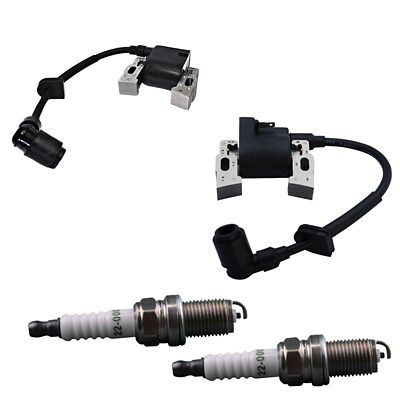
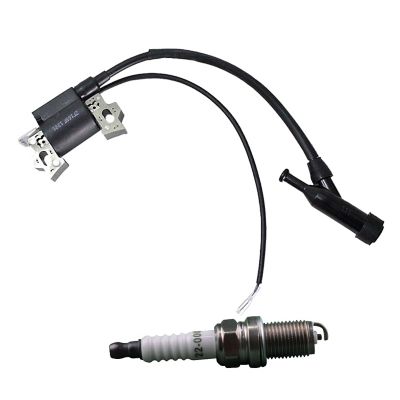
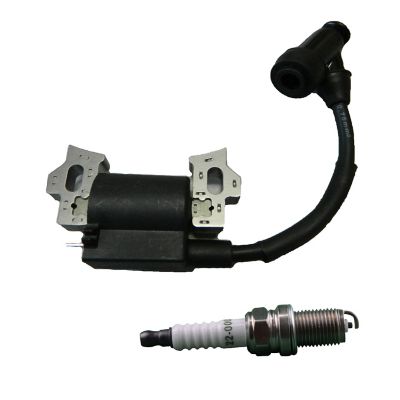
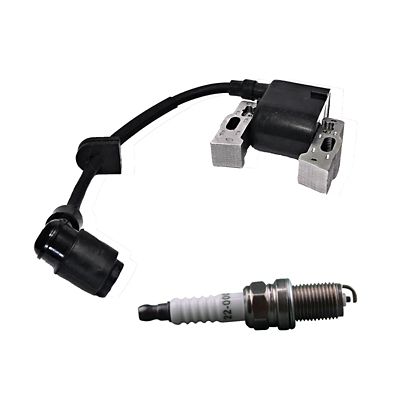
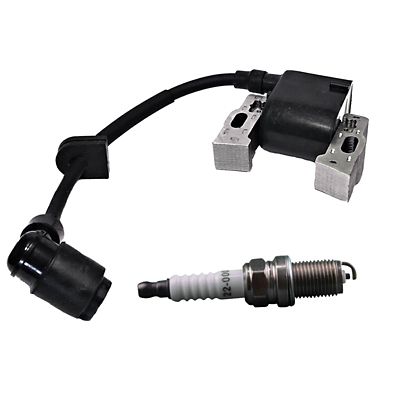
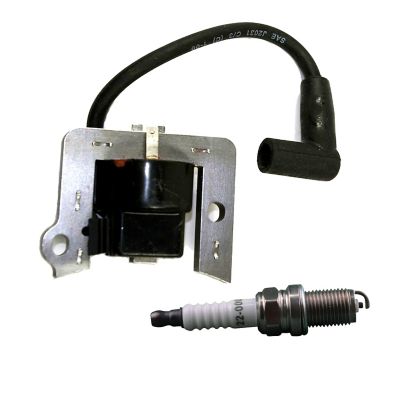
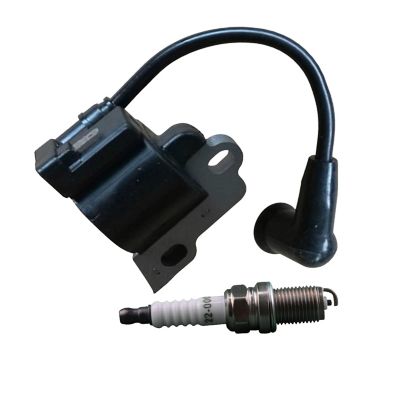
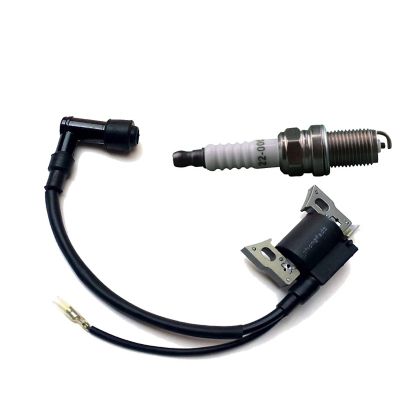
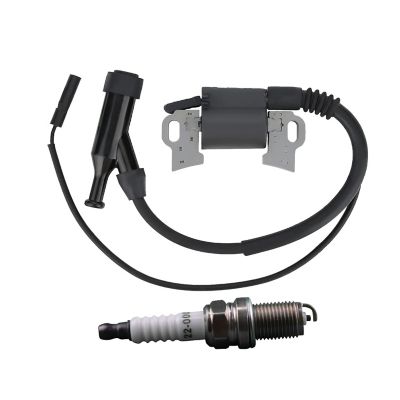
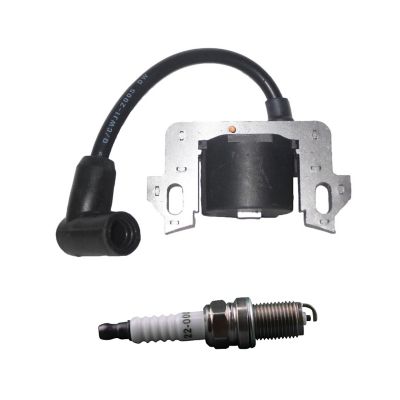
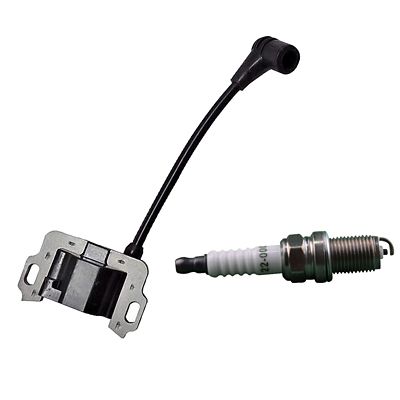
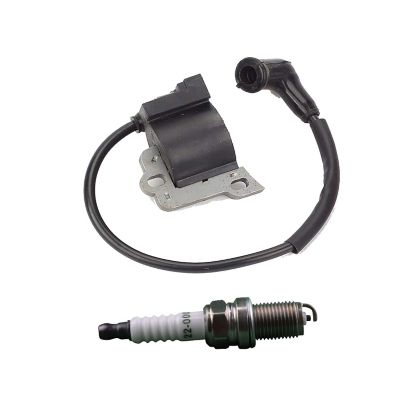
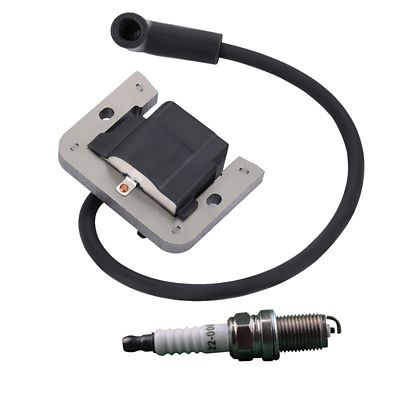
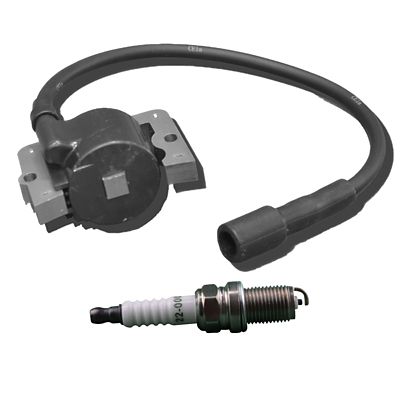
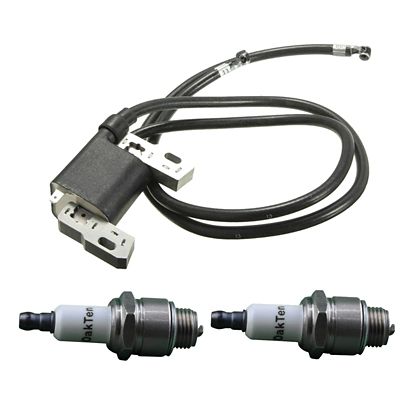
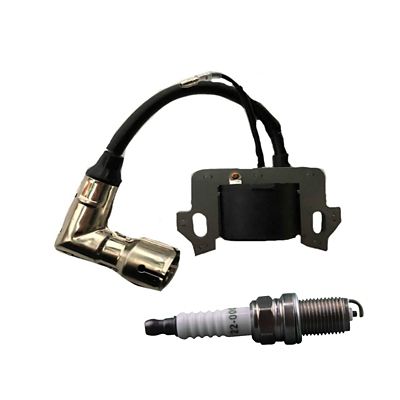
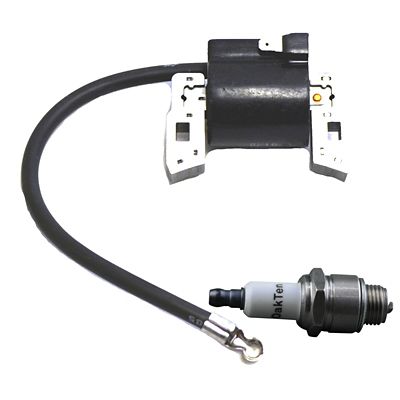
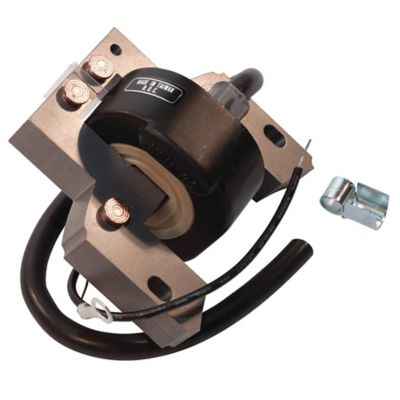
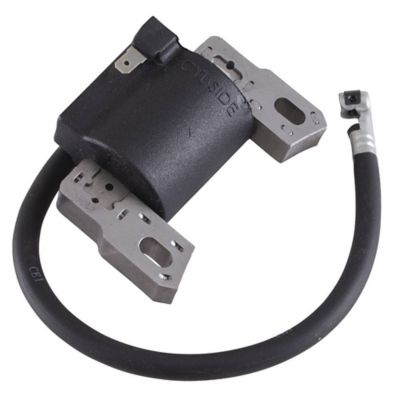
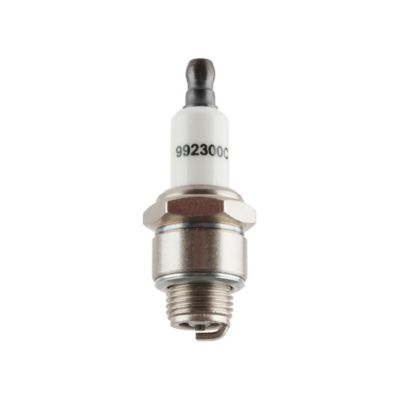
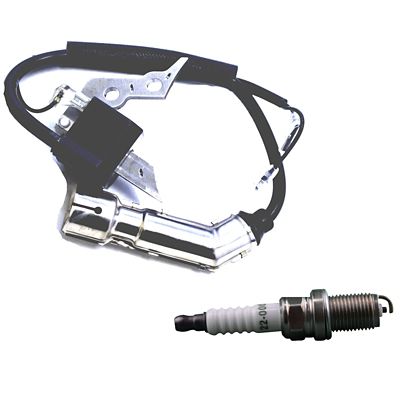
Ignition coils and spark plugs handle different jobs in the same system: the coil builds the voltage, and the plug delivers the spark that ignites the air-fuel mixture in a gasoline engine. When shopping for coil spark plugs, that distinction matters because a coil and a spark plug are separate components, even when they mount directly together. In many battery-powered ignition systems, the coil transforms low battery voltage into the high voltage needed for a spark to cross the plug’s electrode gap. A coil-on-plug setup places an individual coil directly over a spark plug, while a coil-near-plug arrangement connects the two with a short ignition wire. Other engines have coil packs that serve multiple cylinders. These layouts call for different replacement parts, so a similar-looking housing does not establish a match. The right combination supports proper combustion whether the engine belongs to a pickup hauling fence supplies, a gasoline-powered utility vehicle traveling between outbuildings, or equipment handling chores around the property. Some small gasoline engines generate ignition energy through a magneto-style arrangement rather than a battery-fed automotive system, which makes engine identification especially important. Hard starting, rough idling, hesitation and a noticeable misfire can point toward an ignition problem, but those symptoms do not prove that either component has failed. Fuel delivery, wiring, compression and other engine conditions can produce similar trouble. Even a cylinder-specific misfire code identifies an area for diagnosis rather than naming a failed part with certainty. For owners sorting out a repair, the goal is a component matched to the engine and the actual fault, not simply a coil advertised with a higher voltage figure. Properly matched replacement coils and plugs help restore the ignition system’s intended operation; they do not automatically add horsepower to an otherwise healthy engine. That makes fit and operating specifications more useful shopping details than broad performance claims, especially for equipment expected to start, idle and pull its share throughout a workday.
Fit starts with the vehicle’s year, make, model and engine, or the equipment’s engine model and identifying numbers. Engine displacement alone may not separate every ignition arrangement, and production changes can affect connectors, mounting points and plug specifications. With ignition coils, details such as connector shape, terminal count, mounting-hole position, boot length and the connection to the plug all matter. A housing that bolts into place still needs the electrical characteristics specified for that application. Spark plug fit involves another set of measurements, including thread diameter, thread reach, seat style and hex size. Reach describes how far the threaded portion extends into the cylinder head; the wrong reach can affect combustion or cause mechanical interference. A gasket-seat plug and a tapered-seat plug also seal differently and are not interchangeable simply because their threads appear similar. Heat range is another engine-specific requirement. It describes how readily the plug transfers heat away from its firing tip, not how powerful its spark will be. Resistor specifications and electrode gap belong in that same fit discussion, particularly on engines with electronic controls. Gap requirements can differ between applications that otherwise appear closely related, and a plug labeled pre-gapped still needs to meet the engine manufacturer’s specification. Material choices add another layer to the comparison. Many spark plugs have a copper core, while the firing surfaces may feature nickel alloy, platinum or iridium. Those electrode materials influence resistance to erosion and the service interval for the intended engine. Fine-wire designs can reduce the voltage needed to initiate a spark, but they are not a substitute for matching the specified plug design. Ignition coils commonly combine metal windings with insulating resin, a molded housing and a boot that helps isolate the high-voltage connection. Resistance to engine heat, vibration and moisture matters at those connections. For a truck that spends hours on chores or equipment that runs for long stretches, correct mounting and sound insulation matter far more than appearance.
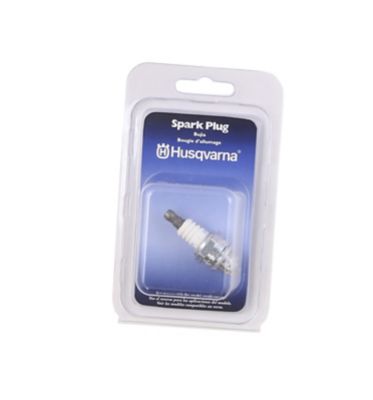
Care and replacement planning are closely connected because worn spark plugs can place extra demands on an ignition coil. As electrodes erode, the gap can widen, increasing the voltage required to fire the plug. Leaving plugs beyond their specified service interval can contribute to ignition stress, though replacing every coil whenever plugs are changed is not a universal requirement. The engine’s condition, service history and diagnosis should determine whether the job calls for plugs, a failed coil, serviceable boots or related connections. Cracked insulation, damaged terminals, oil in a plug well and moisture around a boot deserve attention because a new component cannot correct the source of contamination. On an engine with deep plug wells, a leaking seal can leave oil around the coil boot and lead to repeat trouble if the leak remains. Clean sealing surfaces and intact boots help keep the high-voltage path where it belongs. Installation details matter, too: spark plugs require the specified tightening method and torque, and thread treatments should follow the plug and engine manufacturers’ directions rather than a blanket rule. Delicate firing tips also need protection from impacts or forceful gap adjustment. For maintenance focused on worn or scheduled-service plugs,
Spark Plug Replacements keeps the comparison centered on that part of the ignition system. Owners maintaining several gasoline engines benefit from keeping each engine’s specifications and service records separate; a mower, utility vehicle and pickup may have very different requirements despite doing work on the same property. Recording operating hours or mileage at replacement makes the next service interval easier to track. Any persistent misfire deserves attention before the engine returns to hauling, towing or extended operation, since unburned fuel can damage a catalytic converter on engines equipped with one. Matching the components to the application, addressing the cause of failure and following the service schedule help keep an ignition repair from turning into the same job twice.