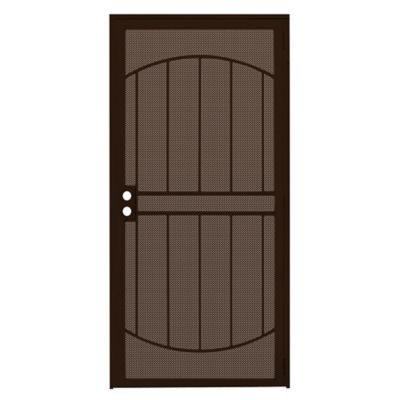
Lockable doors help bring a little more order and peace of mind to homes, barns, workshops, sheds, outbuildings and other spaces where access matters. A lockable door may use a keyed entry knob, a deadbolt, a privacy knob or an electronic locking system to keep a room or building closed when you are away. Traditional keyed hardware is a familiar choice for exterior doors, with a key used from the outside and a turn button or thumb turn on the inside. Deadbolts add a solid locking bolt that reaches into the door frame, making them a popular option for main entrances, side doors and other spots that need a little extra security. Privacy knobs are generally meant for interior spaces such as bedrooms, bathrooms and offices, where the goal is to limit casual entry rather than secure valuables. For sheds, tack rooms, feed storage areas and utility buildings, a lockable door can help keep tools, equipment and supplies protected from weather, curious children and unwanted visitors. In a busy household or working property, the right door lock also helps define which areas are open to everyone and which should stay closed, such as a medicine cabinet room, workshop or animal-care area. Look for hardware that matches the door’s construction and the way the doorway is used. Exterior doors may need weather-resistant materials, while interior doors can often use lighter hardware with a simpler privacy function. Pay attention to the door’s thickness, the direction it swings, the location of existing holes and the available space around the frame. A latch and strike plate should line up cleanly when the door is shut, and the door should close without forcing the knob, key or bolt. If the frame is worn, loose or out of square, improving that fit may be just as important as choosing a new lock.
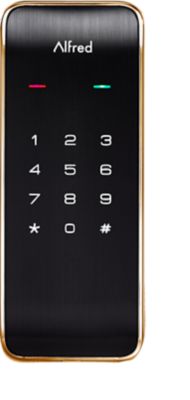
Access preferences are another important part of choosing lockable doors and related hardware. A keyed system suits people who like a straightforward setup and do not want to rely on batteries, phone service or an app. Keep a spare key in a sensible, secure place, especially for a workshop, cabin or detached building that may be visited during the cooler months. Keypad and smart locks can be handy for a guesthouse, rental space, home office or property where several people need entry without passing around a ring of keys. Some electronic systems allow temporary codes, automatic locking or access tracking, though they require attention to batteries and compatibility with the existing door. For bedrooms and bathrooms, privacy hardware offers a convenient way to close off the room while still allowing emergency access from the outside when needed. In a home with young children, older family members or frequent visitors, simple controls and an easy-to-understand locking action can make a big difference. A small farm office may benefit from a keyed lock, while a garden shed used by several family members may be easier to manage with a shared code or a lock that accepts a common key. For extra flexibility around gates, cabinets, storage boxes and utility areas, browse
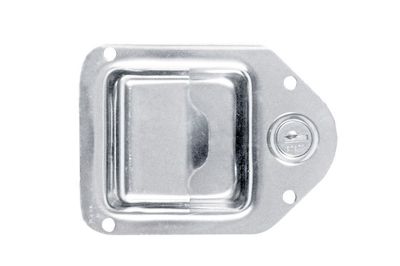
Lockable Latches as another way to keep doors and access panels closed. Portable options such as doorstops, chair-style barricades and travel locks can provide added security from the inside when staying away from home, though they are not a replacement for properly installed exterior hardware. These temporary solutions can be useful in dorm rooms, guest rooms, rental cabins or hotel rooms, especially when the existing lock offers limited privacy. Always make sure an interior device can be removed quickly in an emergency and does not block a required exit.
The best choice depends on who uses the door, what is behind it and how much daily wear the hardware will see. A mudroom door that opens dozens of times a day needs a dependable latch and a handle that feels comfortable with work gloves or cold hands. A barn office or tool room may need a stronger lock to help protect paperwork, fuel-related supplies or equipment. A garden shed door should close firmly enough to keep wind and rain from pushing it open, while a chicken coop, feed room or livestock area may call for hardware that is easy to operate but resistant to clever animals and rough use. During wet weather and the cooler months, inspect the door and frame for swelling, sticking, rust or loose screws before installing new hardware. A little clearance can help a wooden door close properly as conditions change, but too much movement can prevent the latch from seating securely. Choose fasteners suited to the door and frame, and use longer screws where appropriate to anchor the strike area into sound material rather than only thin trim. If the door is part of a rental property, check for installation restrictions and keep track of keys or access codes as people come and go. Lockable doors can also make practical gifts for a new homeowner, someone setting up a workshop, or a family member improving a cabin, storage shed or home office. Think about the recipient’s routine: a person who often has full hands may appreciate a simple, easy-turn handle, while someone managing a shared property may prefer controlled access through separate keys or codes. Whether the goal is privacy inside the home, protection for supplies in a detached building or a more dependable entry for everyday comings and goings, matching the lock to the door and the job helps create a setup that feels natural to use and ready for the seasons ahead.