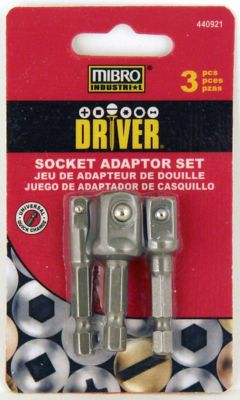
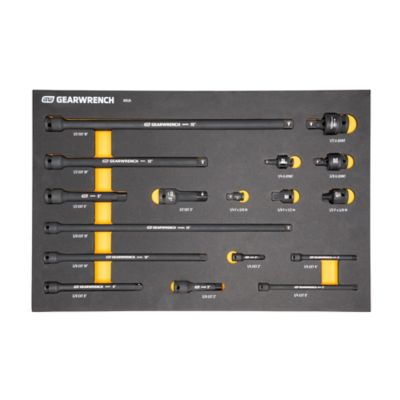
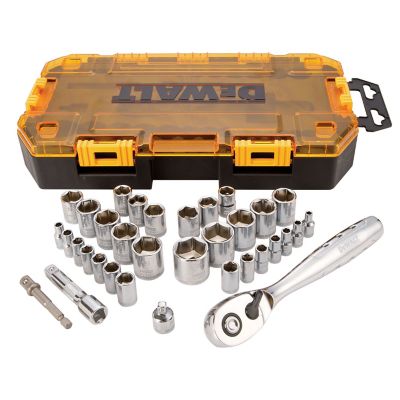
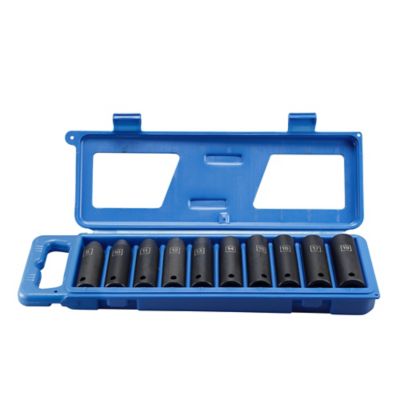
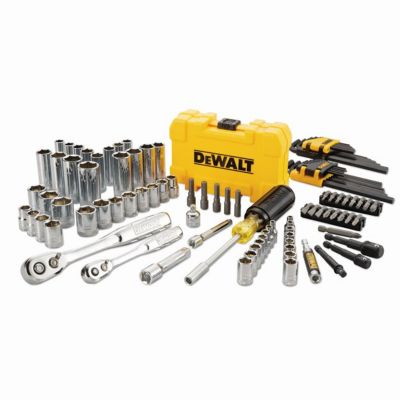
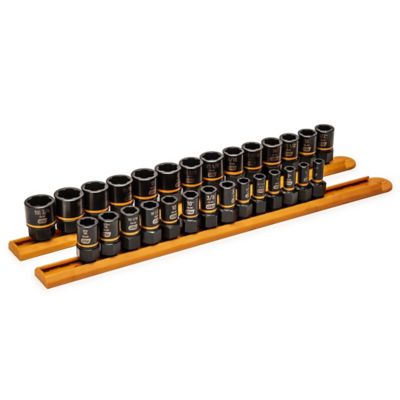
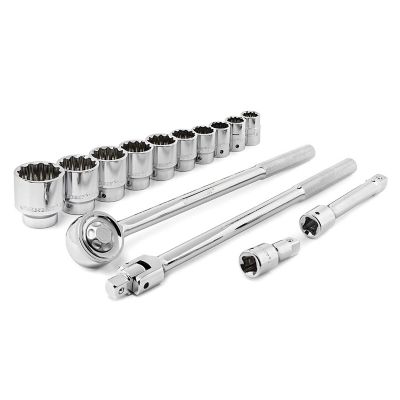
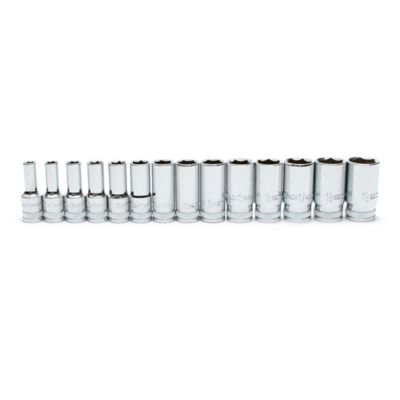
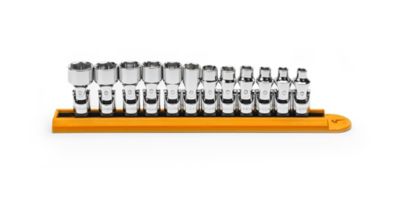
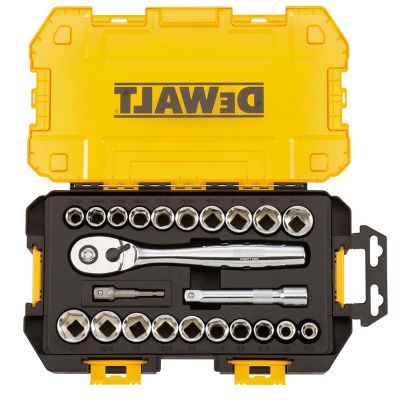
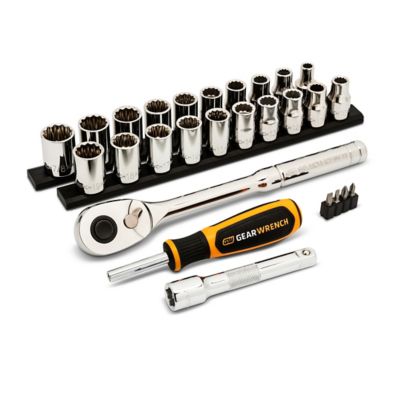
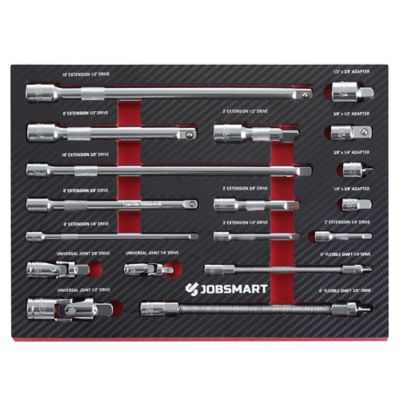
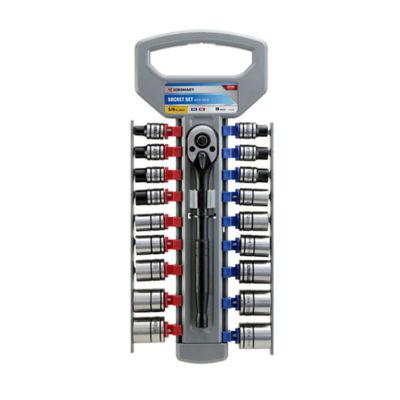
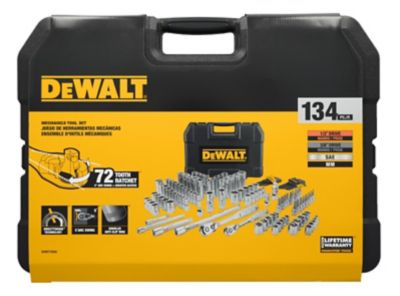
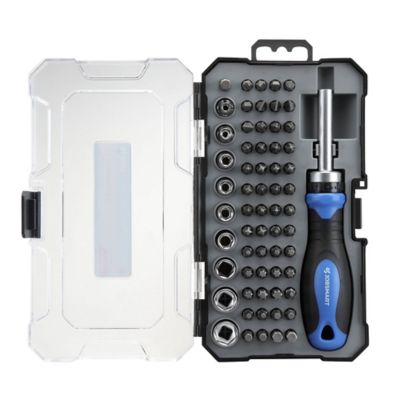
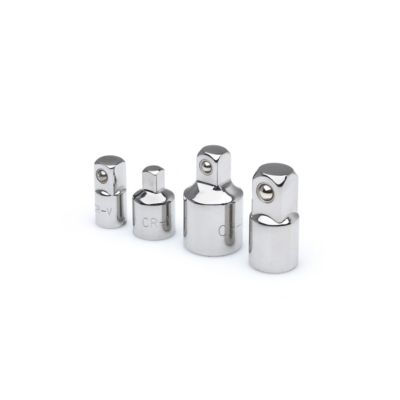
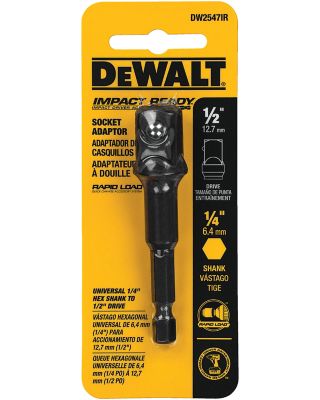
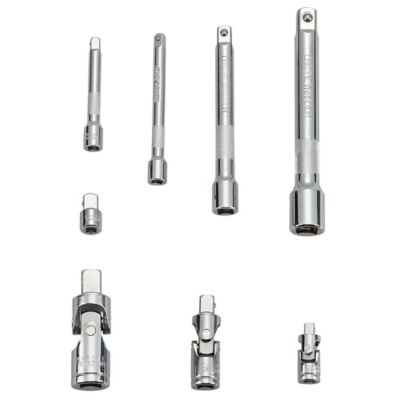
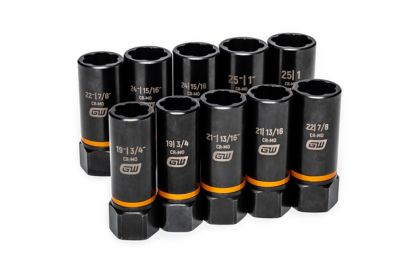
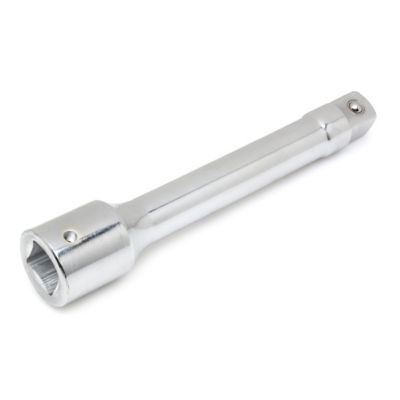
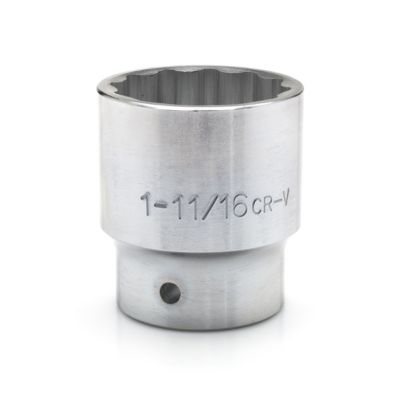
Socket accessories help turn a basic ratchet, wrench, drill or impact driver into a more flexible setup for repairs around the farm, shop, garage and home. These handy drive tools are made for the jobs where a standard socket cannot quite reach, fit or move the way you need it to. Extension bars add length between the drive tool and socket, making it easier to reach recessed fasteners tucked behind brackets, inside engine bays or down in narrow equipment frames. Universal joints, sometimes called swivel joints or U-joints, allow the socket to pivot so you can work around an angle instead of trying to hold the ratchet perfectly straight. Drive adapters let you connect sockets and tools with different drive sizes, such as using a socket with a 1/2-inch drive on a 3/8-inch ratchet when the job calls for a little more reach or a different setup. Drill and hex adapters add another option by allowing standard sockets to be used with a compatible power drill or impact driver. Flexible shafts can snake around hoses, guards and other obstacles, which comes in handy when a straight extension will not line up. Together, these accessories can save time, reduce the need to disassemble surrounding parts and make common maintenance tasks feel less like a wrestling match with a stubborn bolt. They are useful for working on trucks, trailers, lawn equipment, tractors, gates, fencing hardware, utility equipment, bicycles, furniture and plenty of everyday repairs that pop up around a country property.
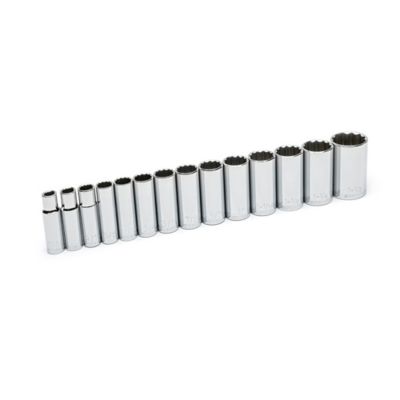
When choosing socket accessories, start by matching the drive size to the ratchet, breaker bar, torque wrench, drill or impact tool you plan to use. Common drive sizes include 1/4-inch, 3/8-inch and 1/2-inch, and an adapter can bridge a size difference, but it should not be used to push a tool beyond its intended capacity. Pay attention to whether an accessory is designed for hand tools, impact tools or both. Impact-rated adapters and extensions are built to handle the repeated force and vibration produced by an impact driver or impact wrench, while standard chrome accessories are generally intended for hand-operated tools. The socket itself also needs to match the fastener, including the correct metric or standard measurement and the right six-point or twelve-point design for the job. Six-point sockets are often a solid choice for loosening tight or weathered fasteners because they grip the flats more directly, while twelve-point sockets can make it easier to position a tool in tight quarters. Length matters, too. A short extension may provide just enough clearance to get past a lip or bracket, while a longer bar can reach a deep fastener but may give up some control in a cramped space. Look for secure detent balls, locking features or other retention details that help keep the socket attached while you work. A swivel or flexible accessory adds reach and movement, but it can also change the feel of the tool, so steady pressure and careful alignment are important. Keeping a few sizes and styles on hand is often more useful than relying on one extra-long piece for every repair. For a closer look at reach and clearance options, browse
Socket Extension Bars.
Socket accessories are a practical addition to a toolbox for experienced mechanics, do-it-yourselfers, property owners and anyone who handles routine upkeep without calling in help for every loose fastener. They can be especially useful during the warmer part of the year when outdoor projects, equipment checks and vehicle work tend to pick up, and they remain just as helpful during the cooler months when repairs move into the barn, shed or garage. A ranch hand might use a swivel joint to reach a fastener behind a mower deck, while a homeowner may use a drill adapter to speed up a long row of bolts during shelving or fencing work. Extension bars can help with trailer maintenance, replacing hardware on gates or reaching recessed bolts on a vehicle, and flexible shafts can make awkward cabinet, appliance or small-engine repairs less frustrating. These tools also make thoughtful gifts for someone setting up a first workshop, fixing up an older truck, maintaining a small acreage or building a better emergency repair kit. Before use, inspect the accessory for cracks, bent shafts, damaged drive ends or excessive wear, and make sure the socket is fully seated on both the accessory and the fastener. Wear eye protection, keep hands clear of pinch points and use the right tool for the amount of force required; a breaker bar is a better choice for breaking loose a stubborn fastener than a drill adapter. Once the repair is finished, wipe away grease and dirt, check that moving joints still pivot smoothly and store accessories together by drive size. A well-matched set keeps the work moving, whether you are tightening equipment in the gravel drive, repairing a trailer by the barn or handling small fixes before the next round of chores.