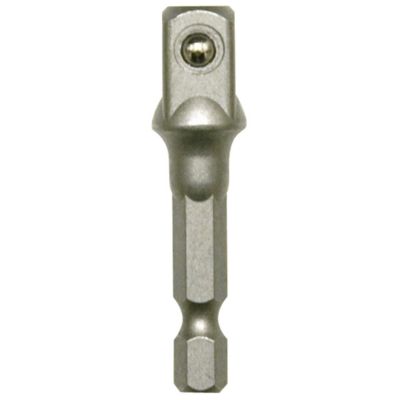
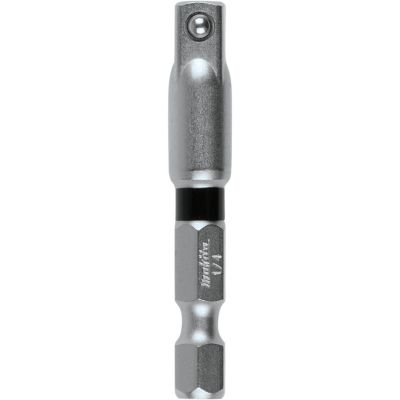
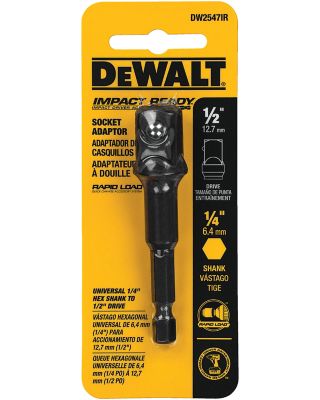
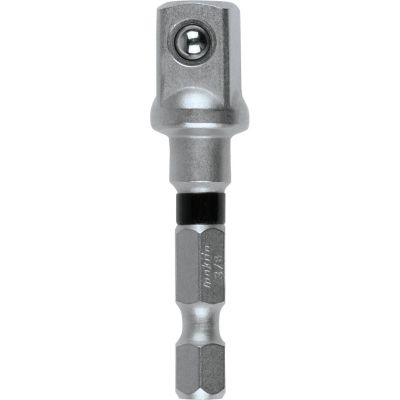
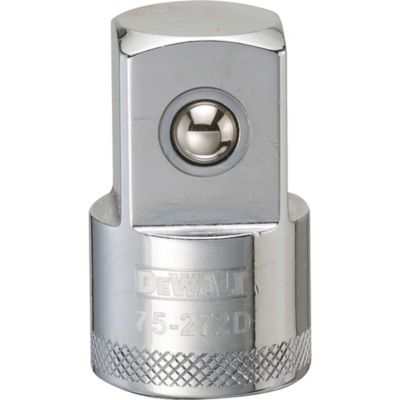
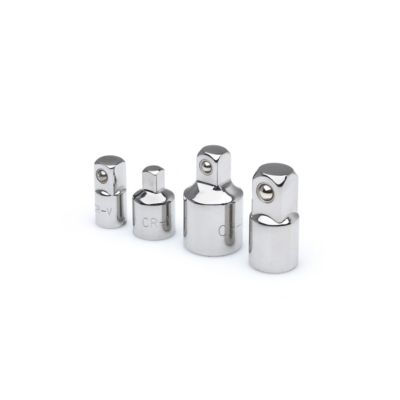
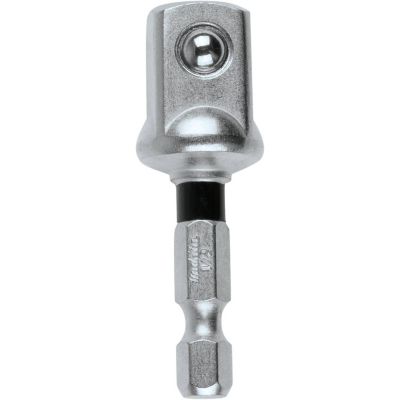
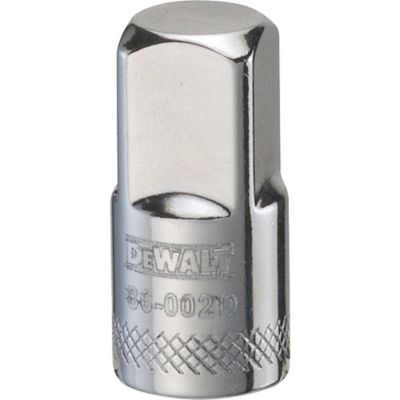
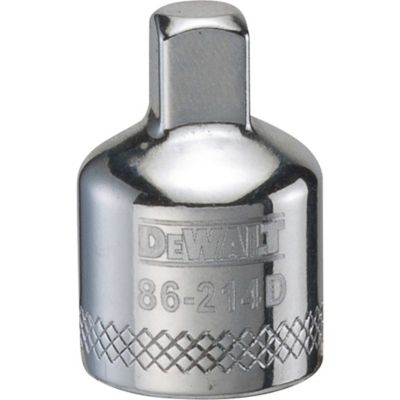
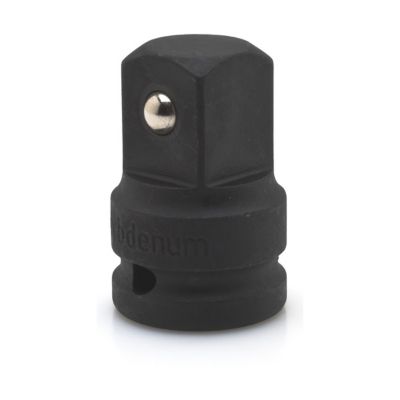
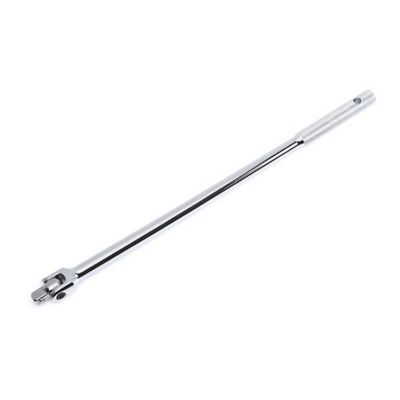
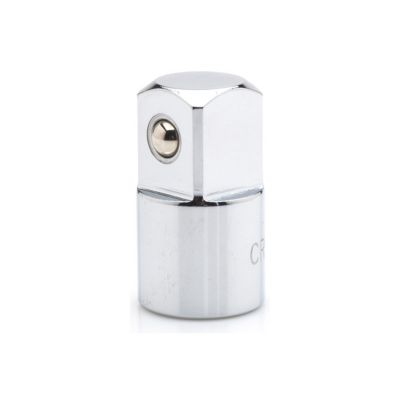
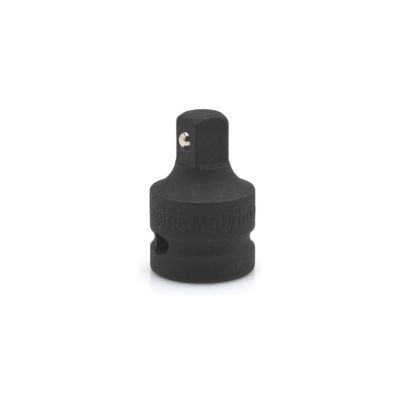
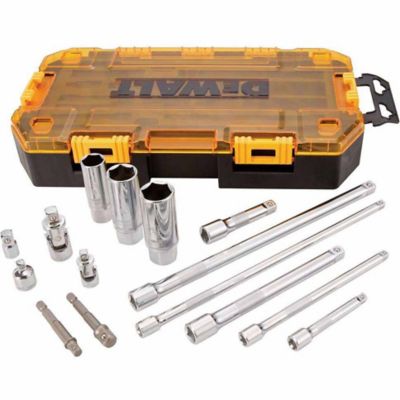
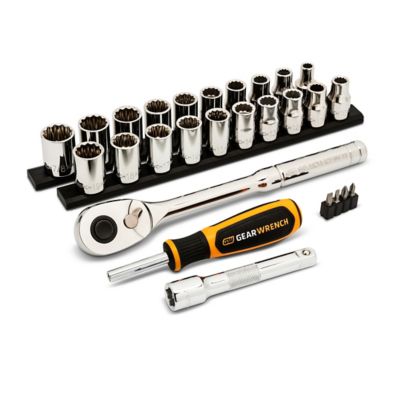
Socket adapters are handy tool accessories that help you get more use from the sockets and drivers already in your toolbox. Depending on the style, an adapter can connect a socket to a drill or impact driver with a 1/4-inch hex chuck, change one square drive size to another, or add a swiveling connection for bolts tucked behind brackets and other hard-to-reach spots. A basic adapter can turn a familiar drill into a quick nut-running tool for assembly work, while a drive reducer or increaser lets a ratchet handle sockets of a different size. That flexibility comes in handy around the farm, garage, workshop, trailer, and house. They can help with putting together gates, shelving, machinery guards, utility trailers, lawn equipment, and furniture, as well as handling everyday repairs on vehicles and outdoor equipment. During the cooler months, when there is more time spent tuning up equipment indoors or buttoning up a shop, a small adapter can save a surprising amount of rummaging through drawers for the right tool. Many folks keep a few in a vehicle toolbox, service cart, or saddlebag-style tool bag because they take up little room but can fill an important gap when a repair is waiting on one connection. Socket adapters may also make a practical gift for a handy homeowner, new driver, farmer, rancher, maintenance worker, or anyone building a first serious tool collection. They are especially useful for someone who already owns a good selection of sockets but wants to use them with more than one ratchet, wrench, drill, or impact driver.
The right socket adapter depends first on the drive sizes and tools you plan to connect. Check the square drive size on the socket and the drive size on the ratchet or extension, then choose an adapter that changes between those measurements. Common combinations include 1/4-inch, 3/8-inch, and 1/2-inch drives, though the best choice is always based on the actual tools in your box rather than a guess. A hex-to-square adapter is useful when a drill or impact driver needs to run a socket, but make sure the adapter is rated for the kind of tool and work involved. Standard hand-tool adapters are intended for hand ratchets and controlled turning, while impact-rated adapters are made to handle the repeated hammering action of a compatible impact tool. Using a non-impact accessory with an impact driver can lead to premature wear, cracking, or a broken adapter. It is also worth checking whether the adapter has a retaining ball, detent, or other feature to help hold the socket in place, especially when working overhead or reaching into a cramped engine compartment. A universal joint, sometimes called a U-joint, can add useful side-to-side movement around obstructions, but it should not be forced at a sharp angle or used as a substitute for the correct extension. Keep the connection as straight as possible, use steady pressure, and match the adapter to the amount of torque required. For stubborn fasteners, penetrating oil, a properly sized socket, and a longer hand tool may be safer than putting excessive strain on a small adapter. A quick inspection for rounded corners, cracks, bent sections, or loose retaining parts before each job helps keep a simple accessory ready for the work ahead.
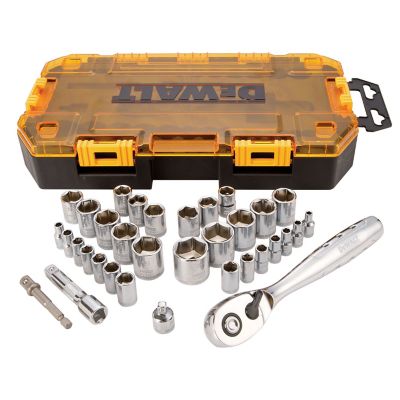
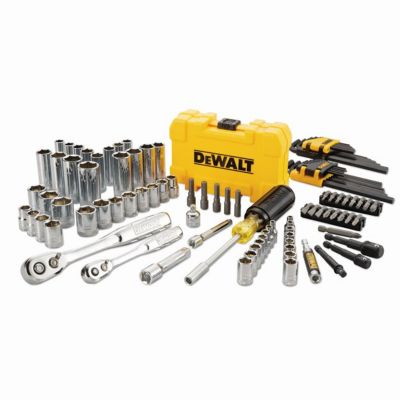
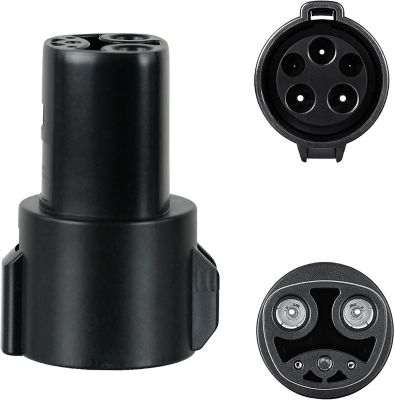
When comparing socket adapters, look for accurate drive sizing, solid construction, a clean fit, and compatibility with the sockets and tools you use most often. A single adapter may be all that is needed for a particular repair, while a multi-piece set can be a better value for a shared shop, a growing toolbox, or a household with several drive sizes. Sets are convenient for keeping common combinations together, but it still pays to confirm that the included sizes cover your ratchets, extensions, drills, and sockets before buying. If an adapter will ride in a truck or tractor toolbox, consider how well it will stand up to dust, moisture, grease, and the occasional drop on a concrete floor. Wipe adapters clean after greasy jobs and store them where the drive ends will not be battered by loose hardware. Socket adapters are not the same as electrical connection accessories; shoppers looking for that separate type of item can browse
Electronic Adapters. For mechanical work, keep the adapter seated fully in the socket and use the correct direction and speed for the fastener. Avoid using a socket that is too large, and never rely on an adapter to make an unsuitable socket fit safely. Whether you are tightening wheel hardware, assembling a workbench, repairing a fence gate, or getting equipment ready for changing weather, the right socket adapter can help make a well-matched tool setup faster and more versatile without taking much space in the toolbox.