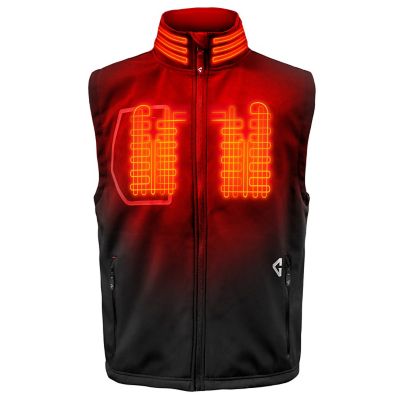
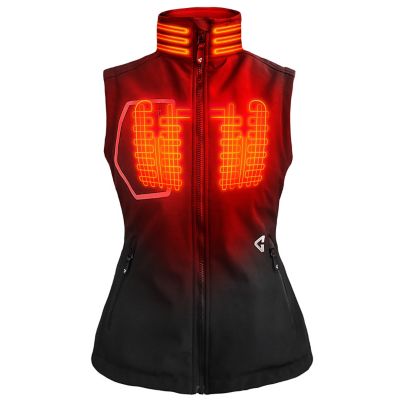
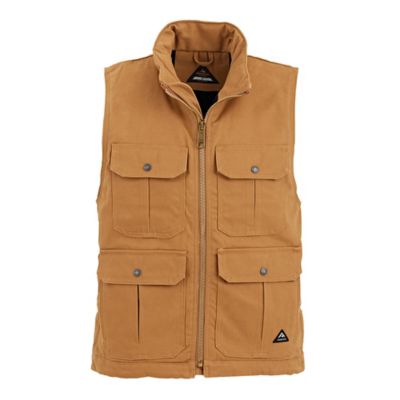
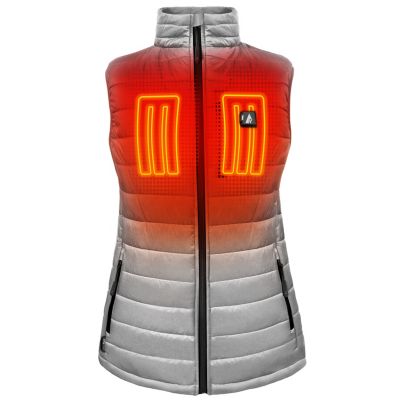
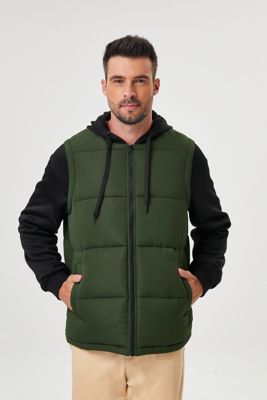
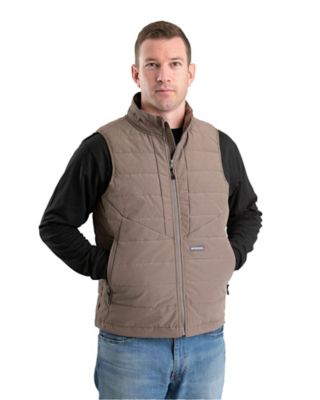
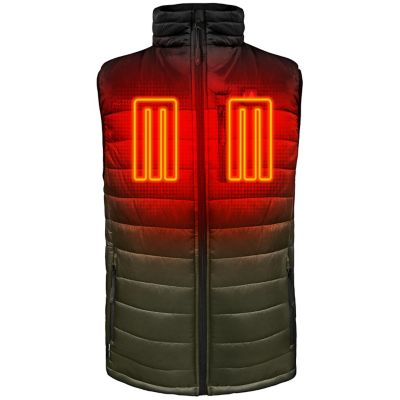
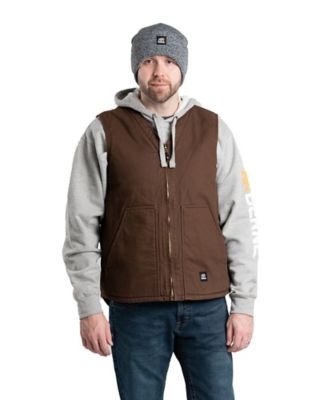
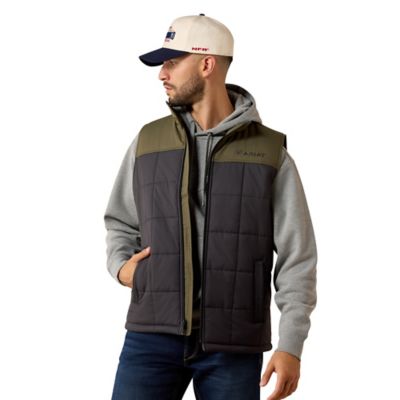
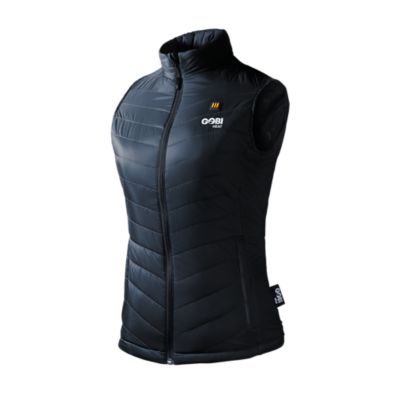
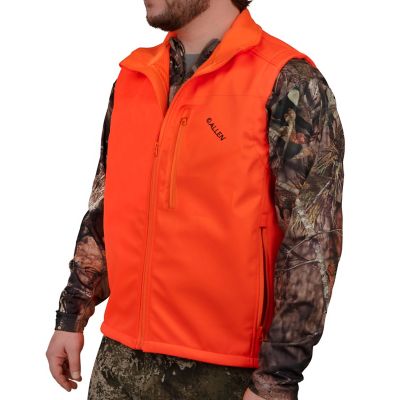
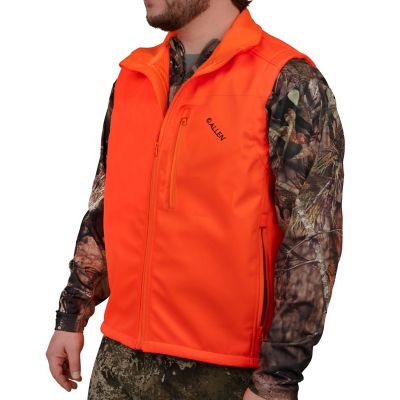
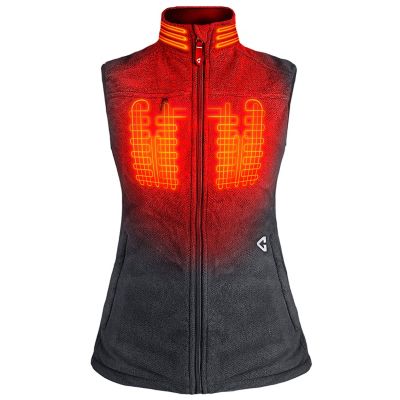
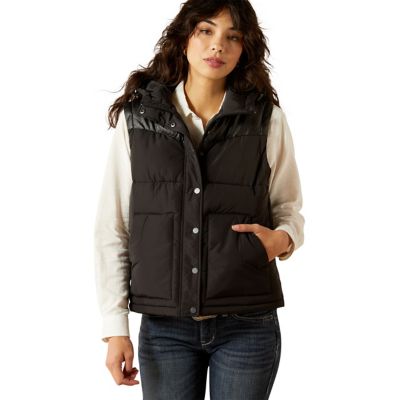
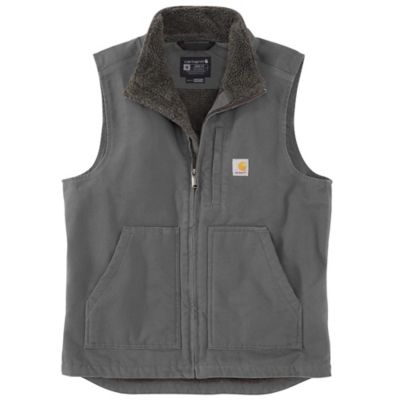
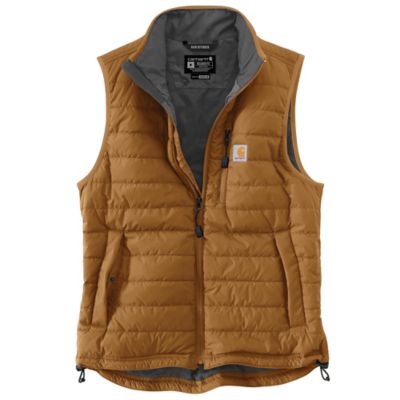
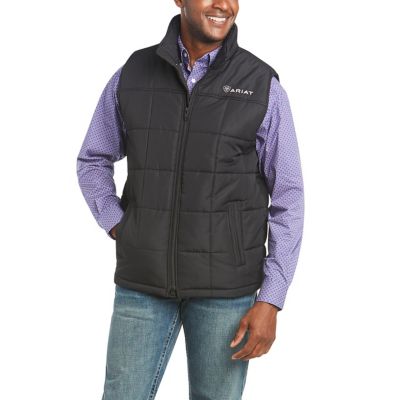
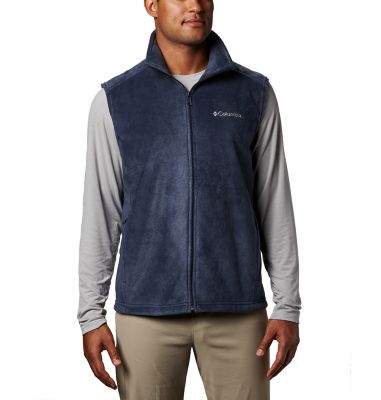
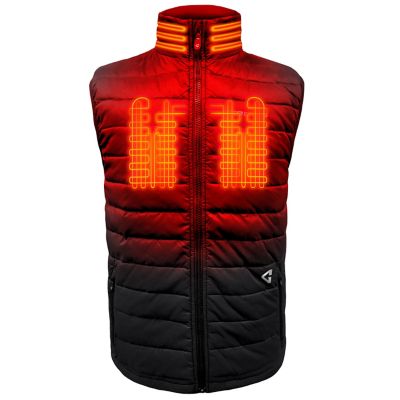
Snow vests provide coverage through the chest and back while leaving the arms free for movement, making them a practical part of a cold-weather layering setup. The category includes insulated vests for everyday outdoor wear, lighter layers that fit beneath a shell, and specialized utility vests built for snow sports. An insulated snow vest can take the edge off a frosty walk to the barn, add warmth beneath a winter jacket or keep the torso comfortable while the arms stay busy stacking firewood. For skiing and snowboarding, a vest may serve as a midlayer, while a purpose-built utility style focuses more on carrying equipment close to the body. Those differences matter because a vest meant for chores has a different job than one designed to organize gear on the mountain. Down insulation offers warmth with little weight and compresses easily, making it useful when pack space is tight. Its loft needs protection from moisture, since wet down can lose much of its insulating ability. Synthetic insulation generally handles damp conditions better and often dries more readily, though warmth still depends on the amount of insulation, construction and overall layering system. Fleece provides a soft, breathable option for active tasks, while quilted designs help keep loose insulation distributed across the body. Outer fabrics range from lightweight nylon and polyester to heavier woven materials suited to regular contact with tools, gates and rough surfaces. Wind-resistant fabric can make a noticeable difference across an open pasture or along an exposed trail. A water-repellent finish helps shed light moisture, but it does not make every vest waterproof. Because the arms remain uncovered, a snow vest works best as one piece of an outfit rather than complete protection from blowing snow, soaking precipitation or severe cold. The shirt, jacket, gloves and other layers worn with it all contribute to comfort.
Fit affects how well a snow vest works, especially when the day includes reaching overhead, bending to latch a gate or leaning forward on a pair of skis. A close but comfortable fit helps an insulating layer sit near the body without squeezing the fill flat. Enough room through the chest and arm openings allows a flannel shirt, sweatshirt or base layer to fit underneath without bunching. A vest intended to sit beneath a shell needs a smoother profile than one worn over a heavy hoodie. At the waist, coverage should remain comfortable when sitting in a truck or crouching beside a feed bin; a longer back hem can help cover the gap that opens when bending. Stretch panels, shaped seams and flexible side sections can make movement easier, depending on the design. A raised collar adds coverage at the neck, while a soft zipper guard helps keep the closure from rubbing against the chin. Pocket placement deserves attention, too. Hand pockets offer a place to warm fingers between tasks, and zippered compartments help contain keys or a phone when climbing steps or working around equipment. Deep pockets are handy, but carrying heavy objects can pull a lightweight vest out of shape. On snow-sport utility vests, storage is more specialized. Some designs include organized compartments for a shovel and probe, hydration storage or attachment systems for carrying skis or a snowboard. Those features belong to particular designs and should not be assumed across all snow vests. Gear-carrying systems need to match the equipment and fit closely enough to limit shifting during movement. A storage vest is not automatically an avalanche airbag vest, and neither storage nor an airbag replaces avalanche education, rescue equipment and sound terrain decisions. For everyday wear, simpler features may be the better fit: an easy-grip zipper, accessible pockets and a hem that stays put while carrying an armload of split wood.
Construction and care influence how a snow vest holds up to repeat wear. Tightly woven shell fabric, reinforced pocket edges and neat stitching around high-stress areas can help a vest handle regular chores. Lightweight outer fabrics save weight and pack down well, but they may need more protection around barbed wire, sharp tools and brush. Heavier work-oriented shells can stand up better to rubbing against rough surfaces, although they may feel stiffer beneath a fitted jacket. Smooth linings make layering easier by sliding over shirt sleeves and sweatshirt fabric instead of catching and pulling. Breathability matters whenever activity levels change: hauling bedding can build heat quickly, while standing beside a fence line afterward calls for more insulation. A front zipper offers a straightforward way to release some heat, and a vest that fits comfortably beneath a shell leaves room to add coverage when needed.
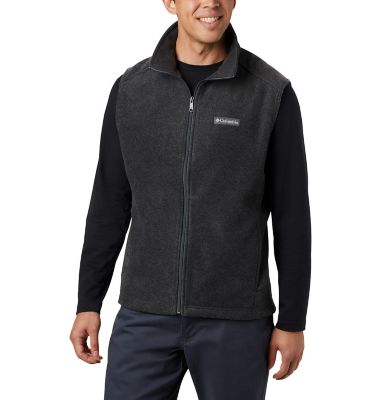
Fleece Vests offer another soft layering option for daily chores, walks and casual wear, especially when paired with an outer layer that blocks wind or moisture. Care requirements vary with the shell, lining and fill, so the garment label remains the starting point for washing and drying. Some insulated styles need a gentle wash and careful drying to restore loft, while other fabrics have different requirements. Fabric softeners, bleach or high heat can interfere with certain finishes and materials. Letting a damp vest dry fully before putting it away helps keep moisture from lingering in the lining or insulation. Down and other lofted fills generally store better without long-term compression. For someone receiving a snow vest as a gift, familiar sizing and enough room for their usual layers matter more than guessing based on appearance alone. Whether the day means feeding livestock, walking a snowy property or heading toward a ski trail, a vest earns its place through comfortable movement, useful coverage and features suited to the work or recreation ahead.