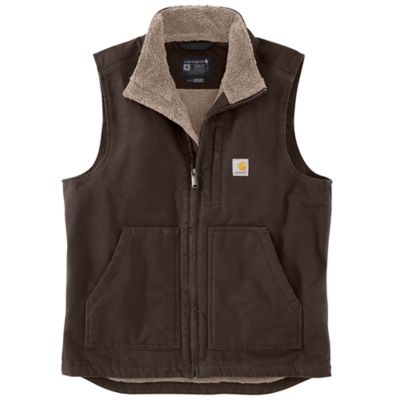
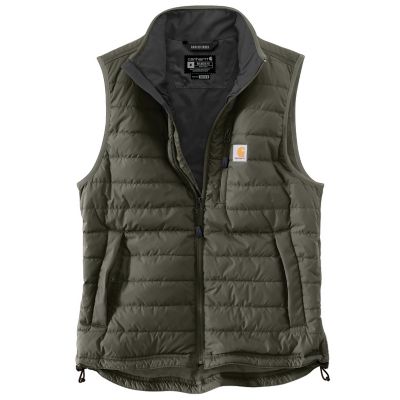
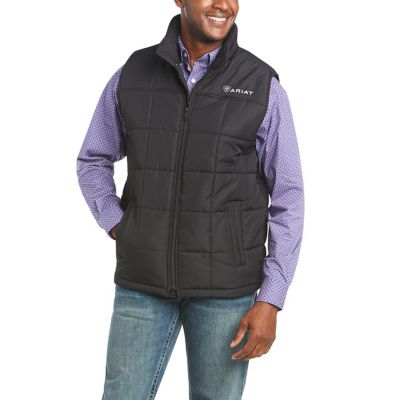
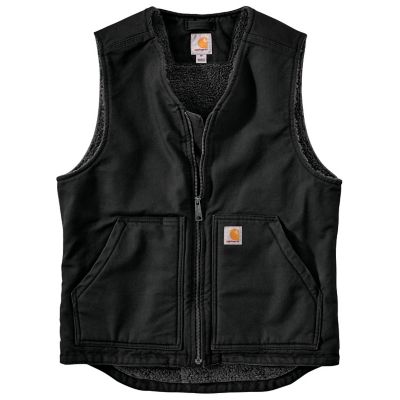
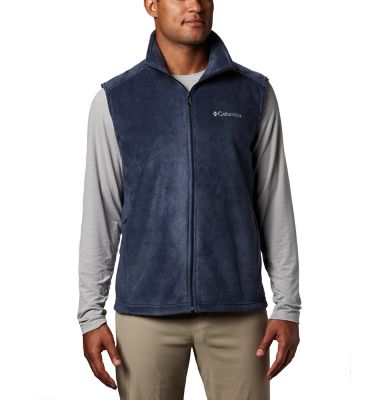
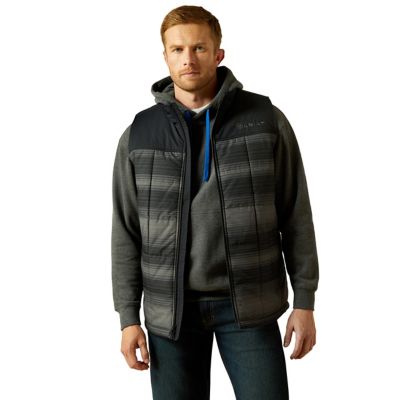
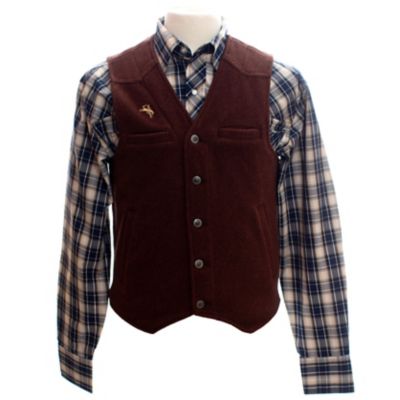
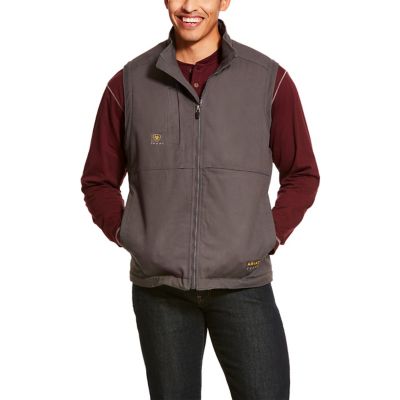
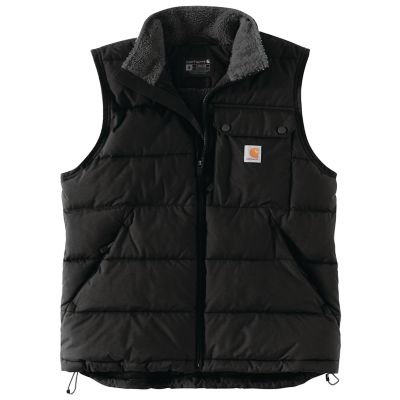
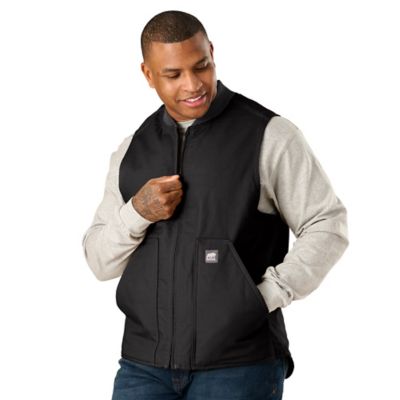
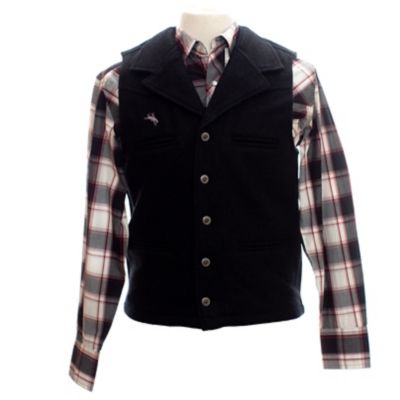
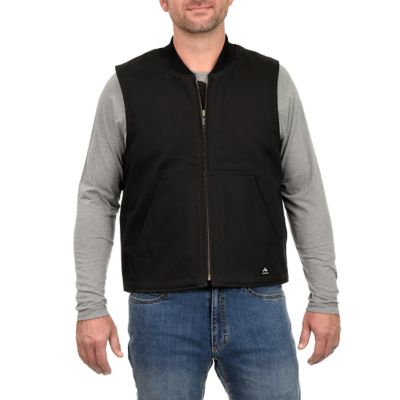
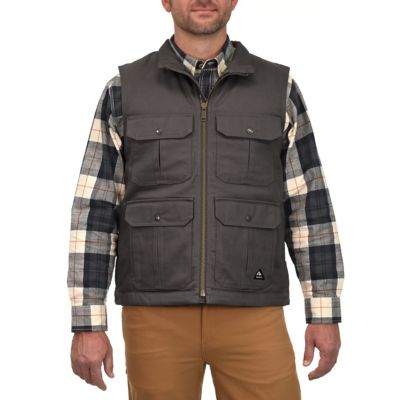
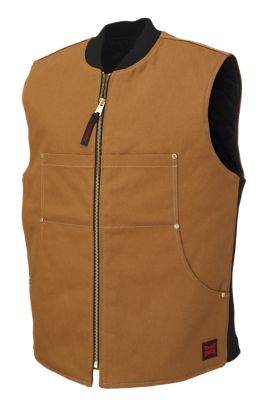
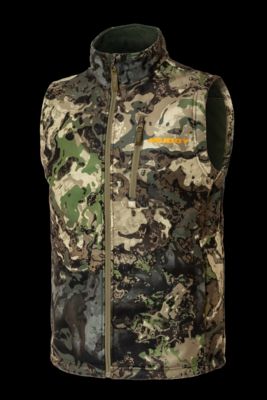
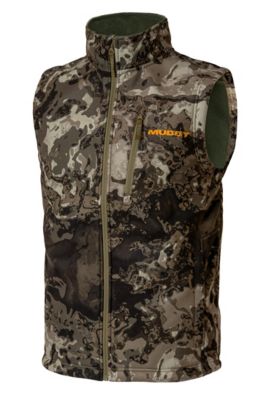
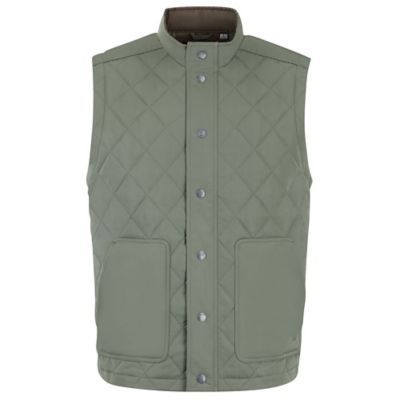
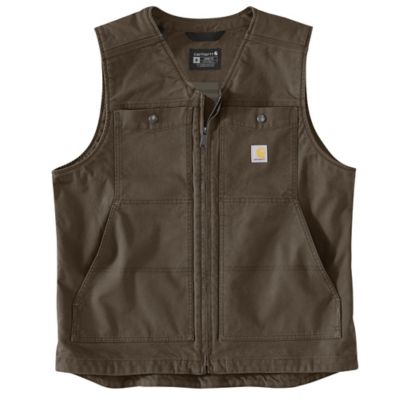
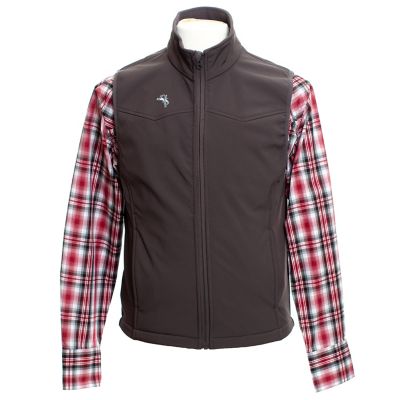
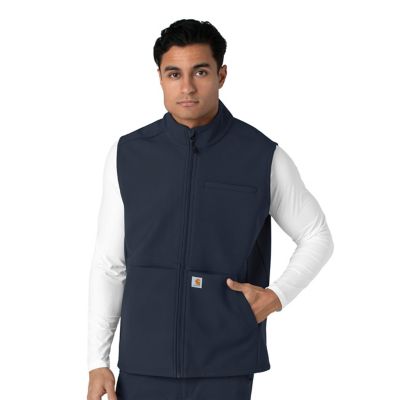
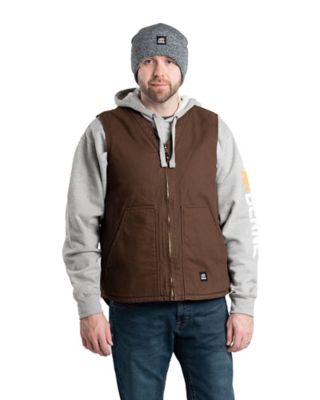
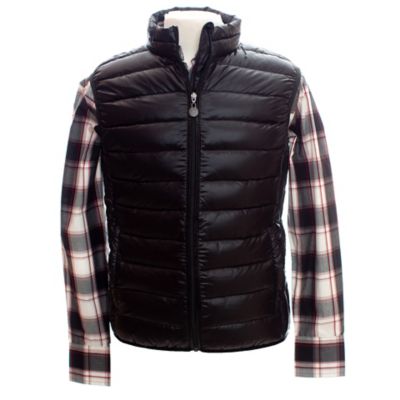
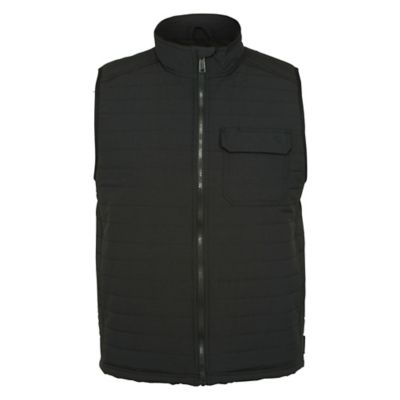
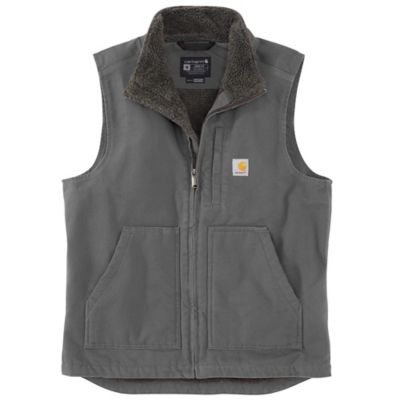
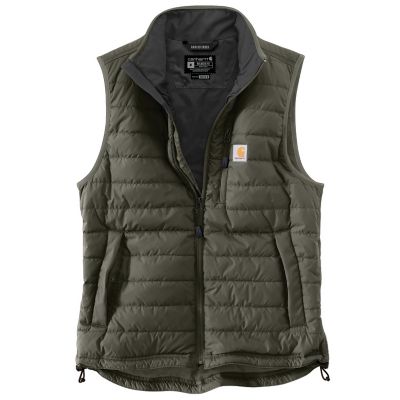
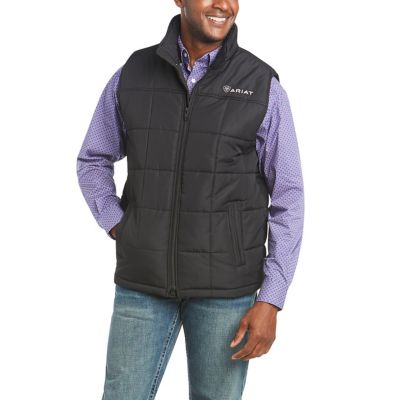
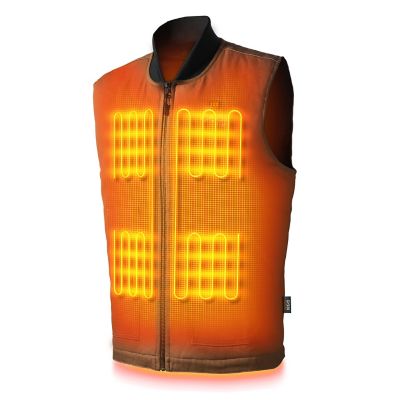
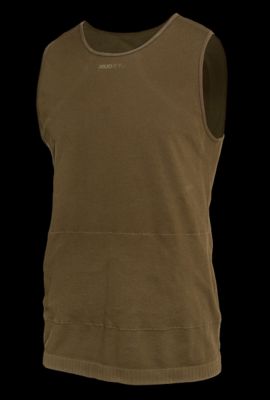
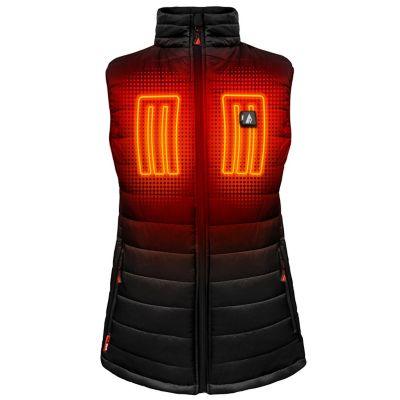
Cold weather vests for men are a handy way to keep your core warm while leaving your arms free for work, driving, walking, and everyday chores. They fit right in between a jacket and a shirt, making them useful through the cooler months when the temperature can shift from crisp in the morning to mild by afternoon. A vest can add welcome warmth over a flannel, work shirt, sweatshirt, or hoodie without the bulk of a full coat, which comes in handy when you are stacking firewood, checking a fence line, feeding animals, or working around the shop. For outdoor recreation, a vest can help hold in body heat during a morning hike, a campfire gathering, a trip to the hunting property, or a long walk with the dog. Lightweight styles are easy to wear during active jobs and can often be packed into a truck, backpack, or gear bag when the day warms up. Heavier insulated vests are better suited to standing around in cold air, riding along on a tractor, watching outdoor events, or handling slower-paced work where extra warmth matters. The right choice depends on how you plan to use it, how cold your surroundings tend to be, and what you normally wear underneath. Insulation may be made with synthetic fill, down, fleece, or a combination of materials. Synthetic insulation is often a practical pick for damp conditions because it continues to provide warmth when exposed to some moisture and is generally easy to care for. Down is known for its lightweight warmth and compressibility, while fleece can offer a soft, comfortable layer for casual wear and active use. Look for an outer shell that helps block wind, especially if you spend time in open fields, along rural roads, or on exposed job sites. Water-resistant fabric can help with light drizzle, scattered flurries, and wet brush, though a vest is not a substitute for rain gear during steady precipitation. Features such as a stand-up collar, full-length zipper, hand pockets, an inside pocket, and a drawcord or elastic binding can make a noticeable difference in comfort. Zippered pockets help keep keys, a phone, gloves, or small tools from slipping out while you move. A smooth lining makes it easier to pull the vest over layers, while a tougher outer fabric may be worth considering for barn work, brush clearing, and other jobs where clothing meets rough surfaces.
Fit is just as important as insulation. A cold weather vest should sit comfortably close to the body so it can help hold warm air near your torso, but it should not squeeze the insulation flat or make it hard to move. Leave enough room for the layers you actually wear, whether that means a long-sleeve tee on a mild day, a thick flannel for chores, or a sweatshirt when the air turns sharper. Check that the armholes allow a full range of motion through the shoulders; you should be able to reach, bend, steer, lift, and swing your arms without the vest binding under your armpits. The bottom hem generally works best when it covers the waist and meets around the belt line without riding up every time you sit or bend. A longer cut can offer added coverage when working outdoors, while a shorter hem may feel less restrictive behind the wheel or on the job. Think about layering before choosing a size, and remember that a vest worn over a bulky hoodie may need more room than one worn over a shirt. For active use, breathable panels or lighter insulation can help release heat during a brisk walk or demanding task. For low-activity use, more substantial insulation and a snug collar can help you stay comfortable while standing in the cold. Neutral colors and simple designs make men’s winter vests easy to wear with jeans, canvas work pants, boots, or everyday casual clothing, so they can pull double duty from the feed store to the hardware counter. They also make a practical gift for a dad, husband, son, brother, neighbor, or co-worker who spends time outdoors. A vest can be especially useful for someone who works on a farm, ranch, job site, delivery route, or property where a full coat gets in the way. It is also a thoughtful choice for an outdoorsman, camper, hiker, commuter, or anyone who likes having a dependable layer close at hand. To get the most use from a cold weather vest, follow the care instructions for its insulation and shell, keep zippers closed during washing, and store it clean and fully dry. Pair it with a warm base layer, gloves, a hat, and weather-ready footwear when conditions call for more coverage. Men shopping for options for another member of the household can also browse
Women's Winter Vests for similar layering needs and cold-weather comfort.