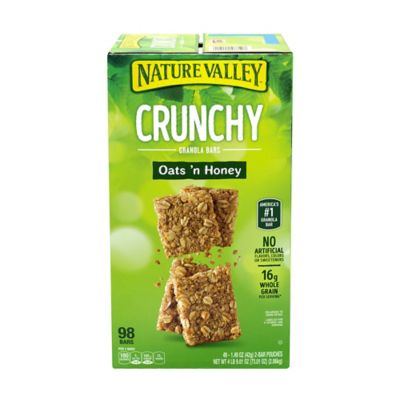
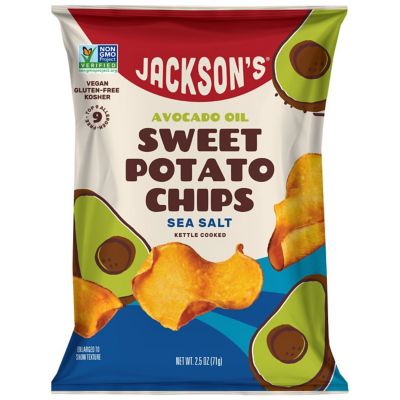
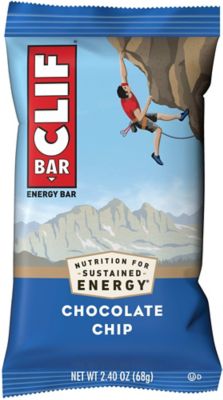
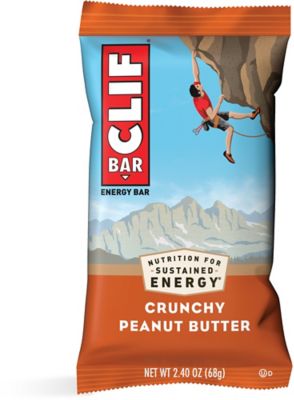
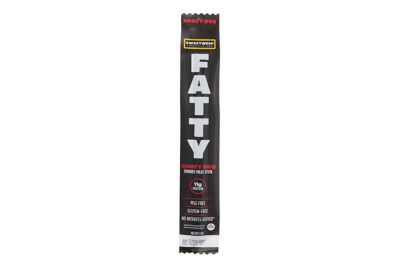
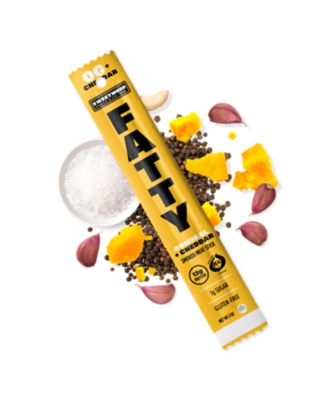
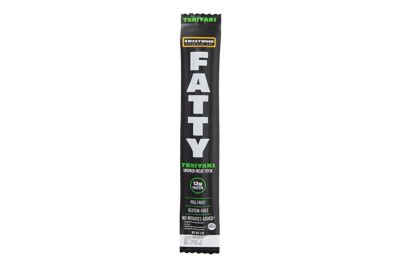
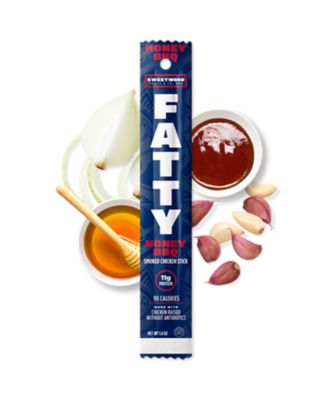
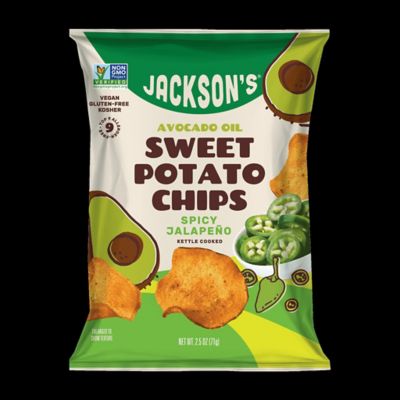
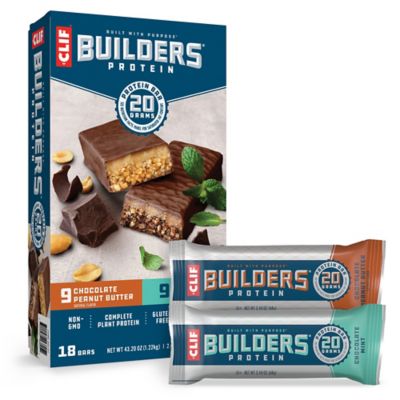
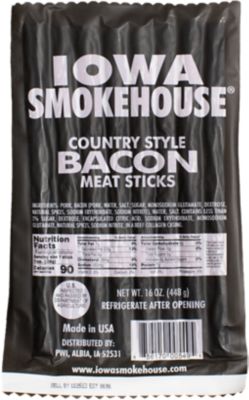
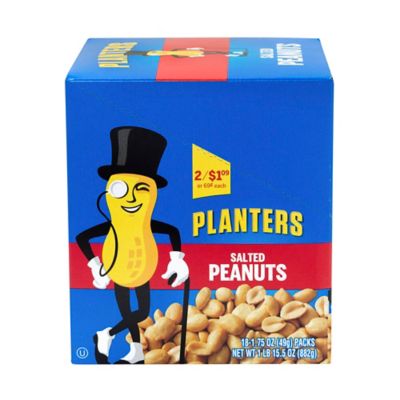
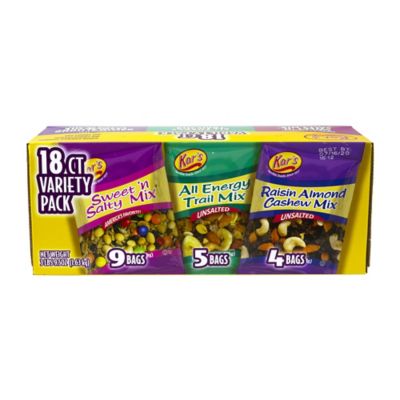
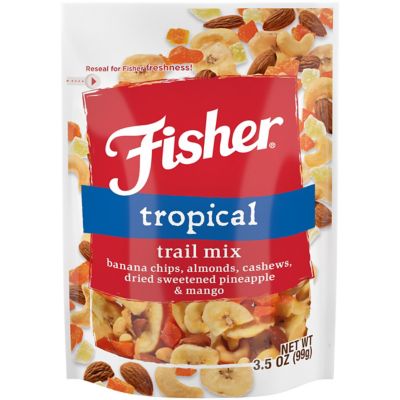
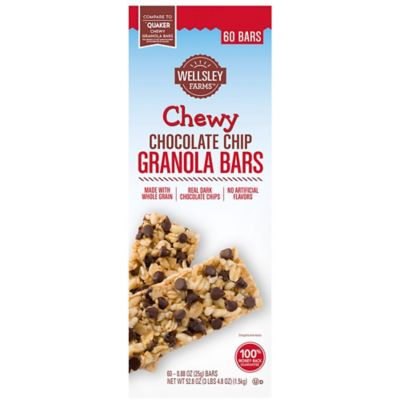
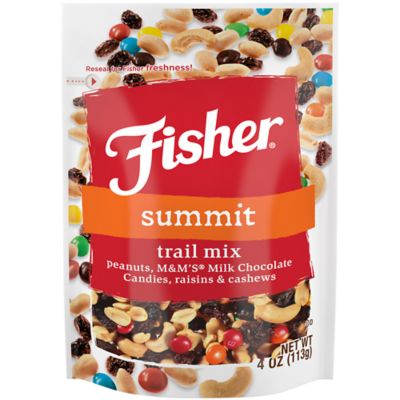
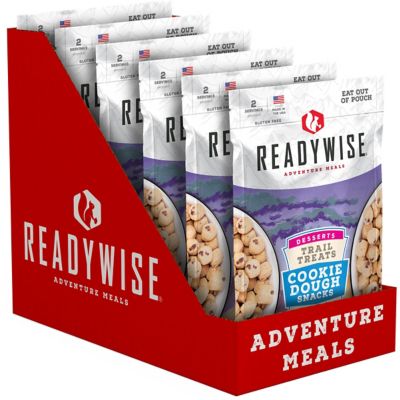
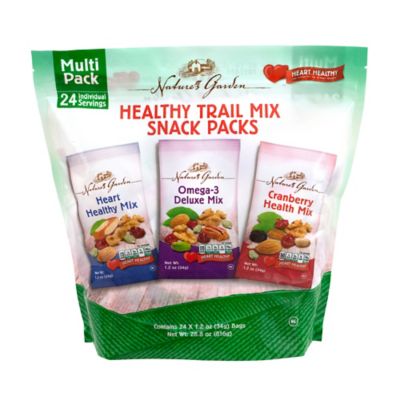
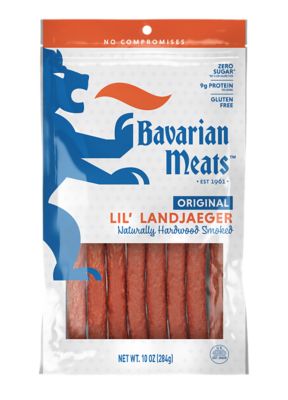
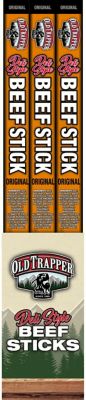
Snacks for backpacking put trail fuel within easy reach without adding much weight or taking up the space meant for the rest of your gear. The most practical choices combine enough calories for the miles ahead with compact packaging, easy eating, and little or no preparation. A good assortment has a place on a short walk past the back pasture, a full day on a wooded ridge, or a longer trip with several nights away from the trailhead. Nuts, seeds, dried fruit, trail mix, snack bars, shelf-stable meat snacks, and nut butter packets all bring something different to the pack. Nuts and nut butters offer concentrated calories from fat along with some protein, while dried fruit and carbohydrate-rich bars can provide readily accessible fuel for walking. Jerky and meat sticks contribute protein and often sodium, though their nutrition varies by recipe and serving size. Chews and gels are another compact source of carbohydrates, especially for hikers who prefer a small portion during a demanding stretch. No single snack has to cover every need. A mix of carbohydrate sources, fats, and protein gives backpackers more flexibility between meals, with different flavors and textures to match their appetite. Something sweet may sound good at the first overlook, while a savory bite can be more appealing after several hours on the trail. Calorie density matters because food contributes to total pack weight, but the highest number on a label does not automatically make a snack the best fit. Familiar flavors, comfortable portions, and food that agrees with your stomach matter just as much when the next stopping place is still a mile away. Comparing calories per serving with the weight of that serving helps show how much fuel a snack brings along. Checking the number of servings in a package also makes it easier to judge whether it belongs in a quick-access pocket or in the food bag for a longer outing.
Packaging makes a real difference once snacks leave the kitchen shelf and settle into a backpack. Flexible pouches can tuck into narrow gaps, individually wrapped portions keep separate servings contained, and resealable bags let hikers save part of a snack for the next break. A closure that stays shut helps keep loose crumbs out of a hip belt pocket and sticky bits away from a map or phone. Package shape matters, too: a broad, flat wrapper may ride comfortably in an outside pocket, while a larger bag often fits better near the top of the main compartment. For food packed beneath other gear, resistance to crushing can be more useful than a tidy appearance. Dense bars, dried fruit, and nuts generally handle the jostling of a walking day differently from thin crackers or other brittle snacks. A small food container can offer extra protection where needed, though its weight and space count toward the load. Snack packaging that opens without a struggle is welcome during a short stop, and portions that can be finished in one sitting leave fewer open packages to manage. Foods that need no cooking, mixing, or utensils simplify those breaks even further. Texture deserves some thought before a long trip: very chewy bites may take more effort to eat, dry snacks pair well with regular water breaks, and sticky foods can leave hands needing a cleanup. Shelf-stable options are a straightforward match for trips without refrigeration, but storage directions still matter. Meat snacks and other packaged foods can have different requirements after opening, so the label—not the general food category—determines how they should be carried and kept. Food bags and containers should stay clean, and wrappers, crumbs, and leftovers belong packed away rather than scattered beside a resting spot. Where wildlife precautions apply, snacks need the same approved storage as meals and other scented supplies. Keeping food organized protects the rest of the pack and makes it easier to find the next bite without unloading everything beside the trail.
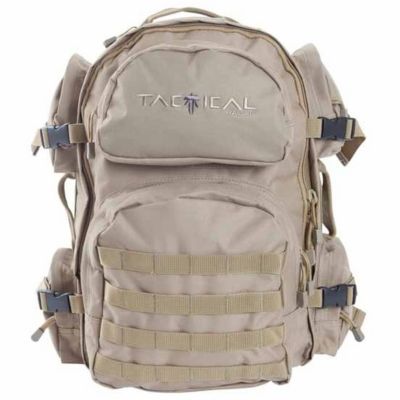
The right mix of backpacking snacks depends on who is carrying them, how long they will be out, and what else is on the meal plan. A day hiker may want a few easy portions between breakfast and supper, while someone walking from camp to camp needs snacks that work alongside planned meals across several days. Longer distances, elevation gain, pack weight, and individual appetite all affect food needs, so a single calorie target will not suit every backpacker. An extra portion provides a little breathing room when a route takes longer than expected or a lunch stop ends up farther down the path. For shared outings, separate portions make it easier to divide food among companions without passing around an open bag at every break. Different preferences deserve space in that assortment, too. Plant-based, gluten-free, and lower-added-sugar eating patterns call for a closer look at ingredient lists and nutrition labels rather than assumptions based on the front of the package. Anyone managing a food allergy should check both the ingredients and allergen statements, including cross-contact information when provided. Trying unfamiliar snacks before a long outing can help avoid finding out halfway up a climb that a flavor, texture, or ingredient does not sit well. Drinking water remains part of the picture; salty snacks do not take its place, and snacks alone are not a complete hydration plan. Food also needs to fit the way the rest of the load is carried. Alongside
Equipment For Backpacking, compact snacks help round out a setup that keeps eating, drinking, and moving manageable. For an outdoors-minded friend or family member, a selection of familiar trail snacks can make a thoughtful addition to a hiking gift, especially when dietary needs are already known. Whether the destination is a creekside lunch spot or a campsite well beyond the road, food worth carrying is food that fits the pack, satisfies the appetite, and is easy to enjoy when it is time to stop.