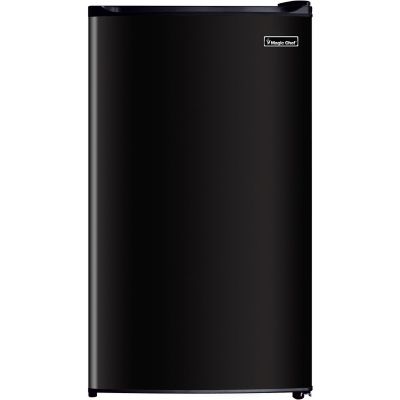
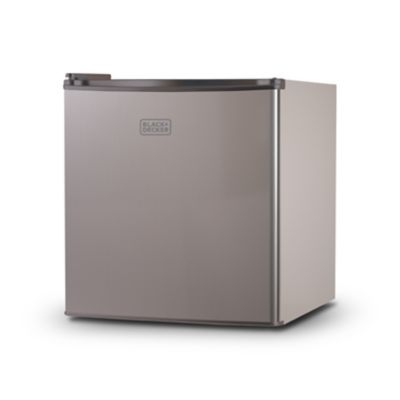
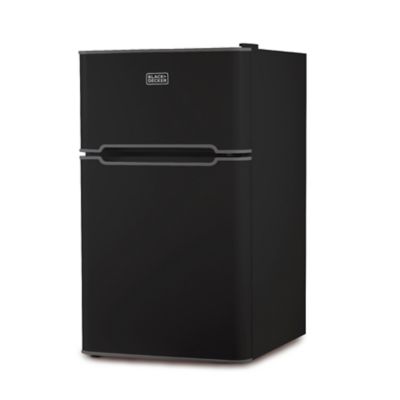
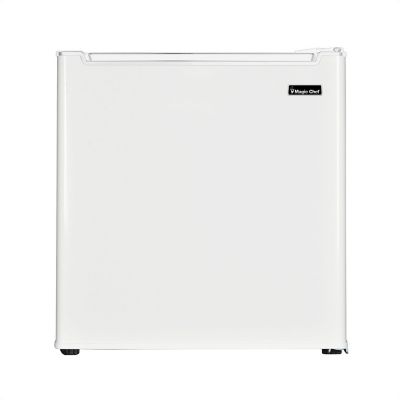
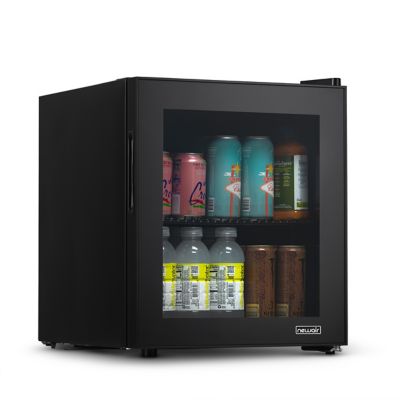
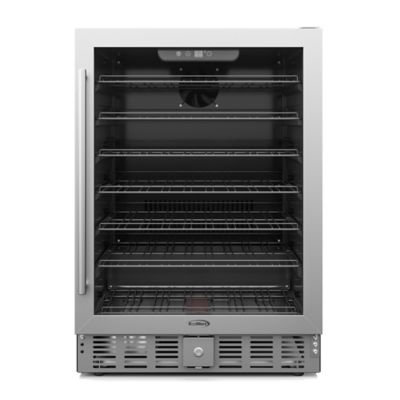
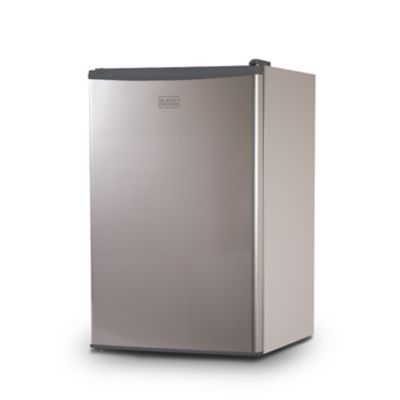
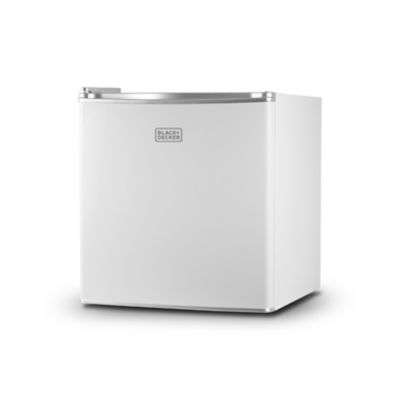
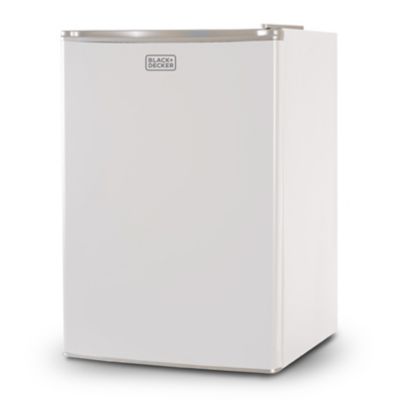
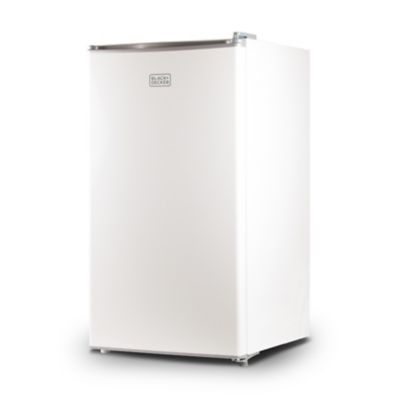
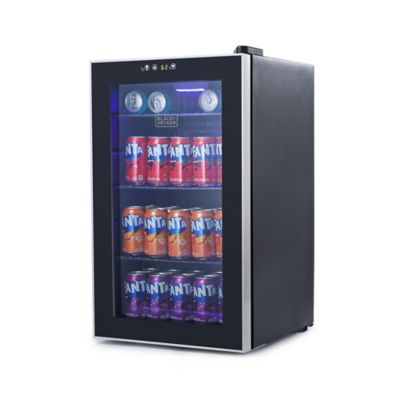
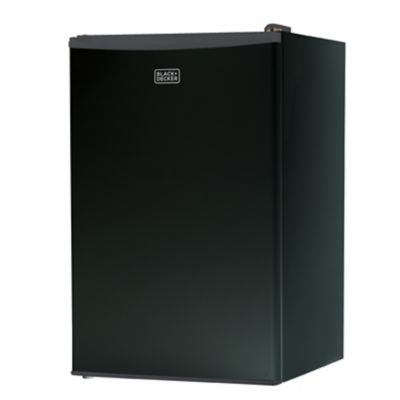
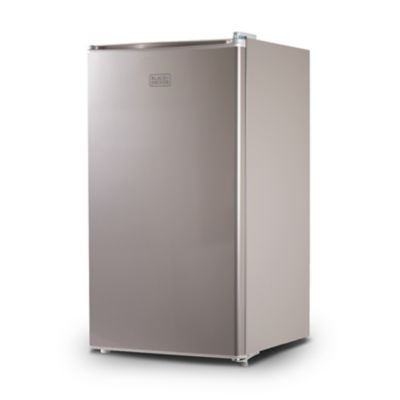
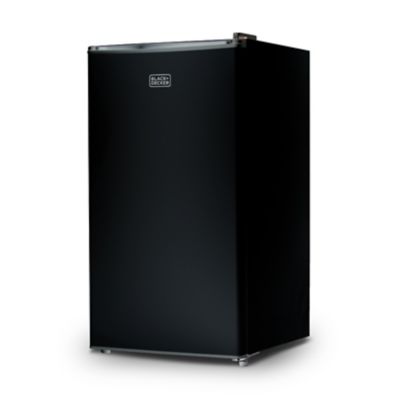
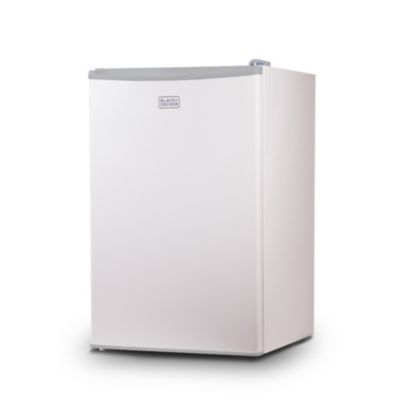
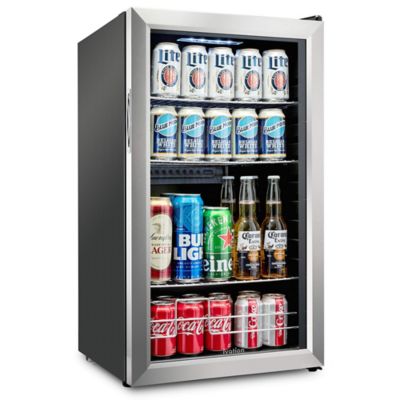
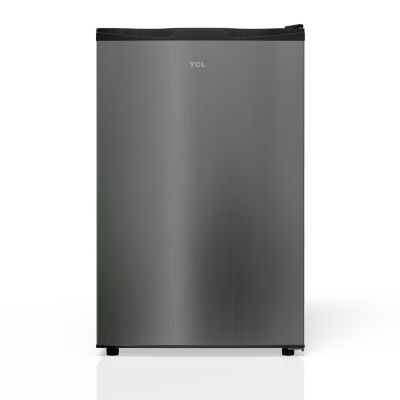
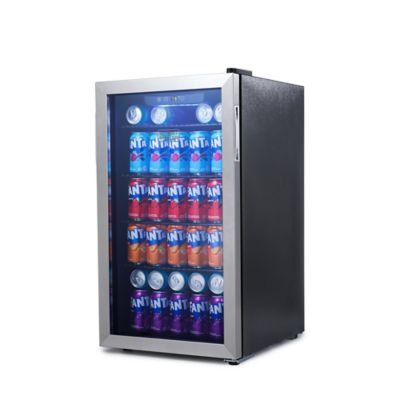
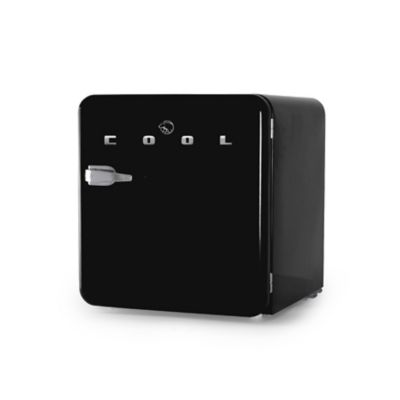
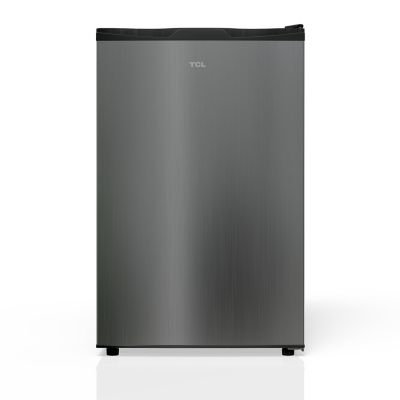
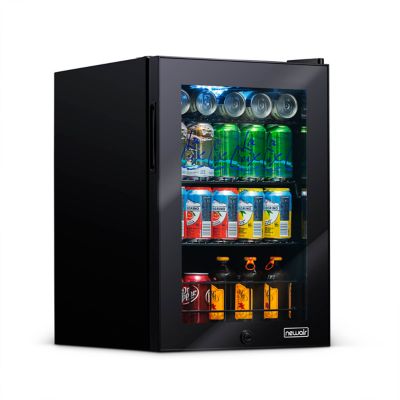
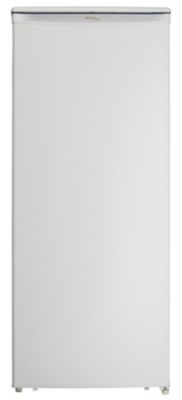
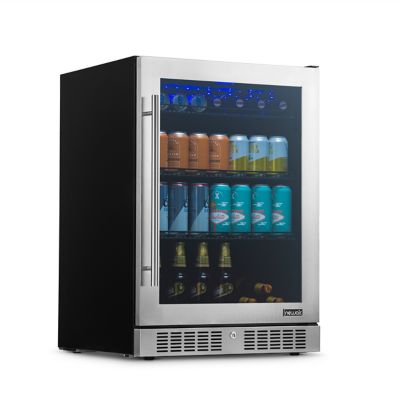
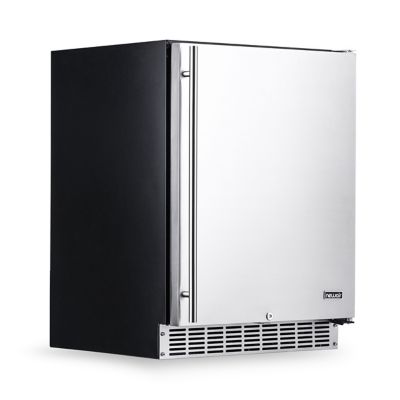
Small refrigerators for bedrooms keep cold drinks and a few everyday groceries close without taking up the room a full-size appliance needs. A bottle of water beside a reading chair, milk for an early start, or a snack after a long shift can make a bedroom feel a little more comfortable and self-contained. These compact appliances fit a range of households, from adults sharing a home to college students furnishing a room and families setting up a welcoming guest space. For someone whose bedroom is a good walk from the kitchen, having a small fridge nearby can also mean fewer trips down the hall or stairs. Bedroom mini fridges commonly fall around 1.7 to 3.2 cubic feet, though capacity alone does not tell the whole story. A cube-shaped refrigerator generally takes up less vertical space, while a taller compact refrigerator may offer more shelf levels and room for upright bottles. The better fit depends on both the space outside the cabinet and the food and drinks going inside it. A few cans and small snack containers need a different layout than tall bottles, lunch containers, and a carton of milk. Exterior width, depth, and height matter just as much as the cubic-foot rating, especially beside a dresser or beneath an open desk. Door swing and the ventilation clearances specified by the manufacturer count toward that footprint, too. A refrigerator that slips into a narrow opening still needs room to release heat and open far enough for shelves or drawers to come out. Reversible doors can help with awkward room layouts when that feature is included, and adjustable leveling feet help the cabinet sit evenly on a suitable floor. A freestanding refrigerator belongs in a setup approved for freestanding installation, not tucked tightly into an enclosed cabinet. Keeping walkways clear and leaving dresser drawers free to open makes a compact fridge feel like part of the room rather than something to squeeze past.
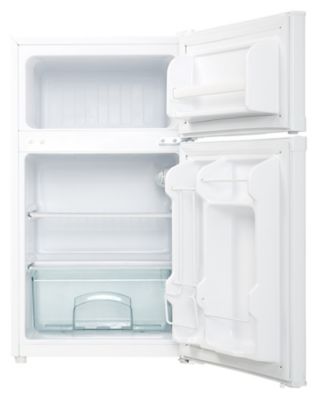
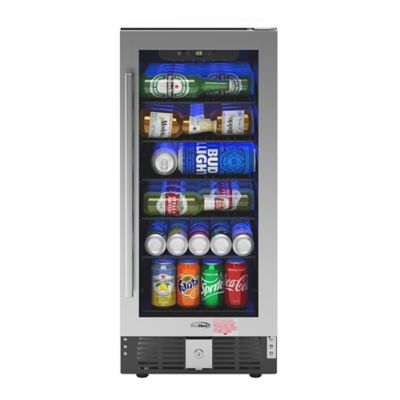
Sound is a big consideration for a refrigerator that shares sleeping space. Compressor refrigerators cycle on and off, and some humming, clicking, or refrigerant movement can be part of normal operation. A low-noise description is worth checking against a published sound rating when one is provided, since quiet means different things to different sleepers. Placement also matters: a level cabinet with the required clearance and no contact against nearby furniture is less likely to pass vibration into a bed frame or desk. Thermoelectric coolers work differently from compressor refrigerators and may have fans that remain audible; their cooling performance can also depend more heavily on the surrounding room conditions. For milk, yogurt, leftovers, and other perishable food, the appliance needs to maintain 40°F or below, which a separate refrigerator thermometer can help confirm. A beverage cooler or personal cooler should not automatically be treated as a refrigerator for perishable groceries. Inside the cabinet, freezerless layouts devote their storage area to refrigerated contents, making them a practical match for drinks, fruit, and ready-to-eat snacks. A small internal chilling compartment is not necessarily suitable for long-term frozen food storage. For frozen meals or ice cream, the freezer section needs to be rated for that purpose and capable of maintaining 0°F. Separate freezer doors can make access more convenient, although that compartment takes space away from refrigerated storage. Adjustable shelves help accommodate changing grocery needs, while door bins can keep bottles from crowding the main shelf. Removable glass shelves provide a flat surface for small containers and can help contain drips when their edges are designed for it; wire shelves leave open space around stored contents. Smooth interior liners make spills easier to reach, and painted metal or stainless steel exteriors offer different looks and cleaning needs. Simple black, white, or metallic finishes can sit comfortably alongside wood bedroom furniture without drawing much attention. Interior lighting, accessible controls, and a handle that is comfortable to grip are small details that can make everyday use easier.
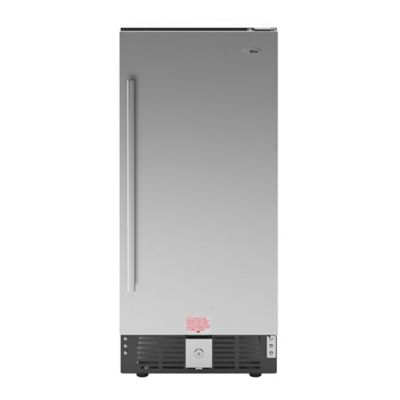
A bedroom refrigerator earns its place through everyday convenience, but its setup and care have a lot to do with how well it serves the household. A firm, level surface that meets the installation requirements is a better foundation than an improvised stand, and any supporting furniture must be rated for the appliance and its contents. Electrical placement deserves the same attention as furniture placement: the refrigerator should connect to a properly grounded outlet as directed by its manufacturer, without relying on a power strip or running a cord beneath a rug. Keeping the door seal clean helps it close fully, while wiping spills promptly keeps sticky residue from collecting around shelves and bins. Mild cleaning products and a soft cloth are generally easier on interior surfaces than abrasive scrubbers, with the appliance manual providing the final word on care. Removable shelves make a thorough clean less of a chore, particularly when a drink tips over at the back. Models with manual defrost need occasional attention to frost buildup; ice should never be chipped away with a sharp tool. Leaving space around interior air outlets also helps cold air circulate instead of trapping it behind tightly packed containers. For a guest bedroom, a modest amount of easy-to-reach storage may matter more than a freezer compartment. For a college student, residence hall size limits and appliance rules come first. For a shift worker, sound levels and convenient access may carry more weight than extra capacity. Small refrigerators can also make thoughtful housewarming or college send-off gifts when the recipient has confirmed the space, electrical setup, and preferred layout. If the extra food storage belongs in a work area instead of a sleeping space, a
Garage Refrigerator is a separate option to consider, with operating requirements suited to its intended location. In a bedroom, the right balance is straightforward: enough room for everyday favorites, a footprint that leaves breathing room, and operation that fits comfortably around rest.