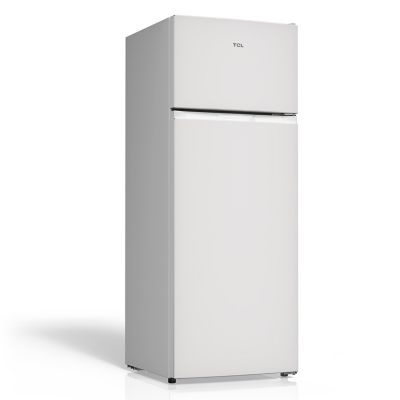
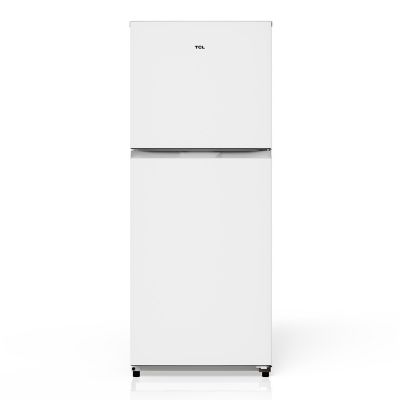
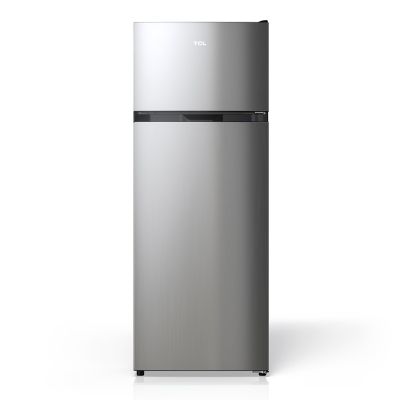
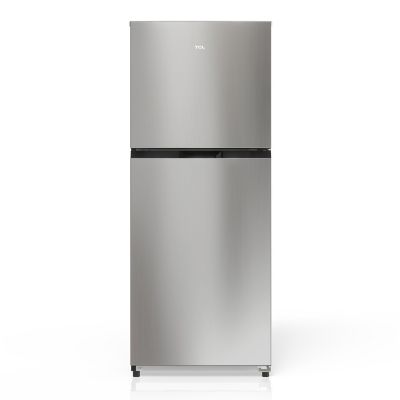
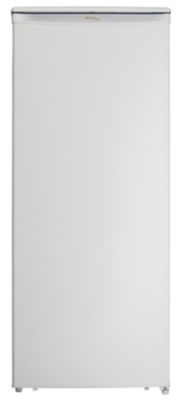
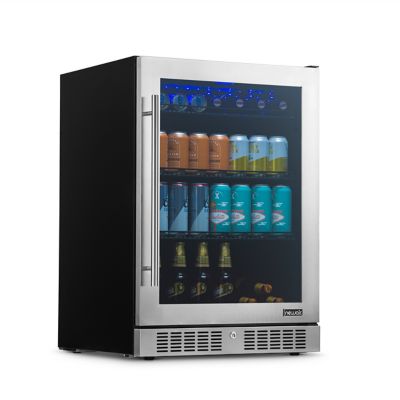
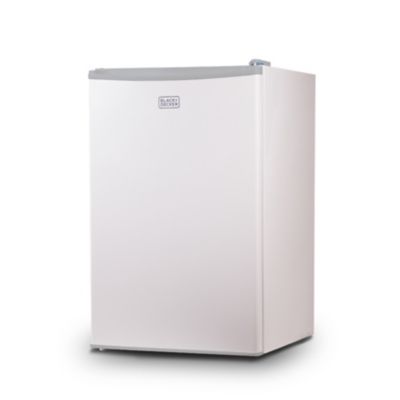
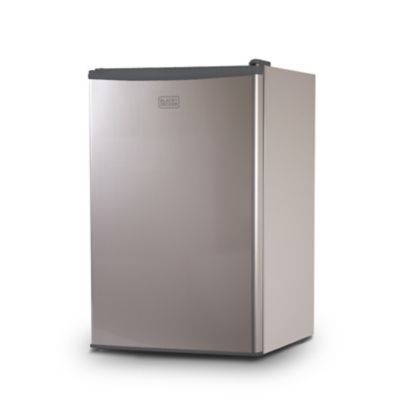
A garage-ready refrigerator is designed to keep food cold within a manufacturer-specified range of surrounding air temperatures, making it suitable for garage environments that fall within those limits. It gives drinks, groceries, and meal-prep containers a place outside the kitchen, whether the garage doubles as a workshop, a home gym, or the landing spot after a grocery run. The important distinction is between a refrigerator that simply fits in a garage and one rated to operate there. Garage-ready designs may have controls or cooling systems adapted for a broader ambient operating range, but the term does not mean every model can handle every garage. Some specify a range around 38°F to 110°F; others have different limits, so the listed operating conditions matter more than the label alone. An unheated or unconditioned garage can fall outside those limits. In a refrigerator-freezer with a shared control system, very cold surroundings may keep the compressor from running often enough to maintain the freezer compartment properly. Excessive heat can also make the appliance work harder and affect its ability to maintain safe storage conditions. For perishable food, the refrigerator compartment should stay at 40°F or below, while a freezer should stay at 0°F. A separate appliance thermometer makes those conditions easier to monitor, especially when the refrigerator holds milk, eggs, meat, or prepared meals rather than drinks alone. Adjustable controls, clear temperature displays, and separate compartment settings can make everyday operation more straightforward, depending on the design. A garage refrigerator is extra food storage, not a substitute for a suitable installation location: direct sunlight, nearby heat sources, and blocked ventilation can all affect performance. The right fit comes from matching the appliance’s stated operating range, storage layout, and installation requirements to the space where it will actually sit, rather than assuming any household refrigerator will perform the same way beside a workbench.
Size matters in more ways than the number of cubic feet printed on a specification sheet. A full-height garage refrigerator can hold grocery overflow and larger containers, while a compact refrigerator takes up less floor space near a bench or seating area. Refrigerator-only layouts devote their interior to chilled storage; refrigerator-freezer combinations divide that space between fresh and frozen food. The most useful capacity depends on what goes inside. Tall drink bottles need vertical clearance, casserole dishes need shelf width and depth, and a supply of frozen meals calls for a freezer compartment with room beyond a small tray. Adjustable shelves and door bins help accommodate those different loads without leaving awkward gaps. Clear drawers make produce easier to spot, and an interior light helps when the garage lighting does not reach every shelf. Outside the cabinet, door swing and walking clearance deserve just as much attention as overall width. A refrigerator tucked beside shelving still needs to open far enough for drawers to slide out, and a unit near a parked truck should not force someone to squeeze between the open door and a bumper. Reversible doors can offer more placement flexibility where the design allows. Manufacturer-required clearances around the cabinet support ventilation, and freestanding appliances should not be boxed into cabinetry unless their installation instructions permit it. A firm, level surface helps the doors close as intended. Cabinet finishes and interior materials affect upkeep, too: painted metal and stainless steel have different cleaning needs, while removable glass shelves and smooth liners make spilled milk or sticky drink rings easier to reach. Shelf load limits matter when storing several heavy containers. Door gaskets benefit from regular wiping so grit and crumbs do not interfere with the seal, and accessible ventilation areas make routine cleaning less of a chore in a space that also sees sawdust, grass clippings, and everyday garage traffic.
The appeal of a garage refrigerator is often the way it takes pressure off the kitchen without changing the household routine. Groceries can move from the vehicle into nearby cold storage, bottled water stays within reach during a repair job, and covered dishes have a place to wait before a family supper. For households that pack lunches, keep drinks for a ball team, or prepare several meals at once, a sensible shelf layout can matter more than a long list of features. A gardener might value roomy drawers for freshly picked vegetables, while someone who cooks ahead may prefer more freezer space for labeled portions. Those needs call for different configurations, even when the appliances occupy a similar footprint. Noise is another practical consideration if the garage shares a wall with a bedroom or serves as a gathering spot. Published sound information, where provided, can help set expectations, though the room’s surfaces and the appliance’s placement also influence what people hear. Energy consumption is worth comparing alongside capacity and operating limits; a larger interior is only helpful when the household has a reason to fill it, and energy-label figures reflect standardized testing rather than every garage environment. Automatic defrost can reduce hands-on upkeep, while manual-defrost compartments require periodic attention according to the owner’s manual. Power requirements also belong in the decision, including a suitable grounded outlet and any dedicated-circuit recommendation from the manufacturer. Extension cords and power strips are not a substitute for the required electrical setup. For a different space altogether,
Small Refrigerators for Bedrooms suit a separate shopping need; compact size alone does not establish garage suitability. A well-matched garage refrigerator brings together the operating range, usable shelf space, easy-to-reach controls, and straightforward care that fit the household, keeping extra cold storage convenient without crowding out the work that already happens in the garage.