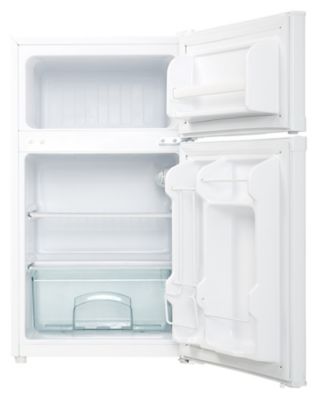
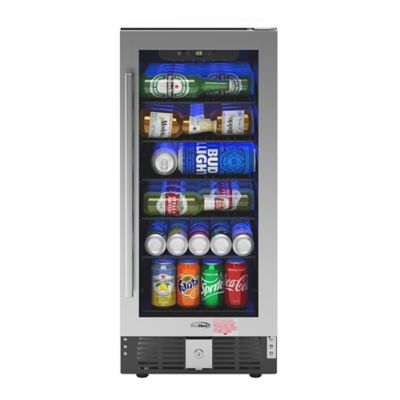
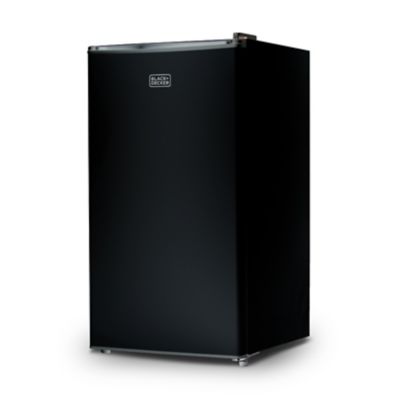
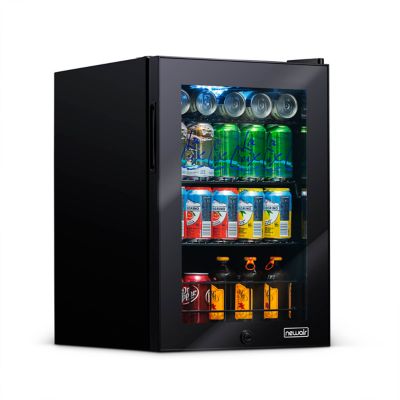
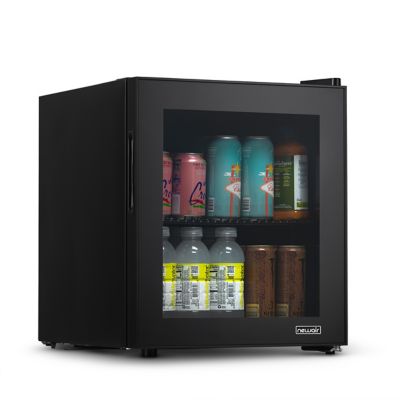
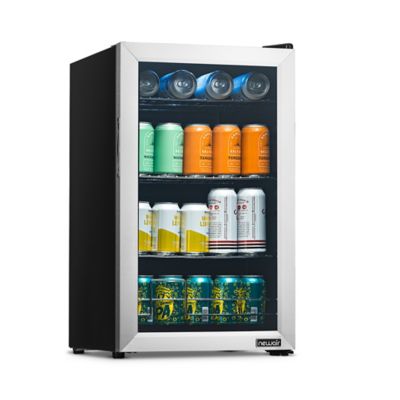
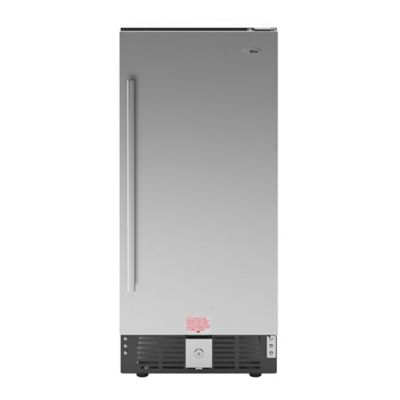
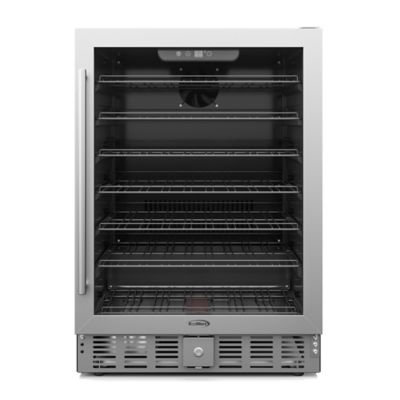
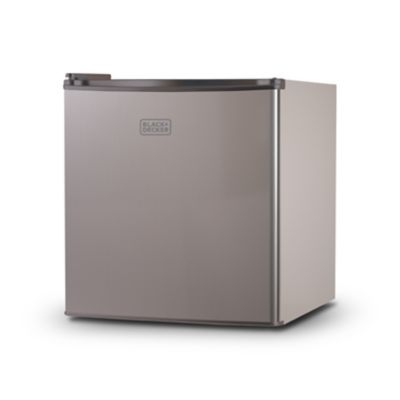
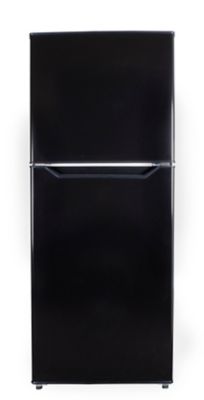
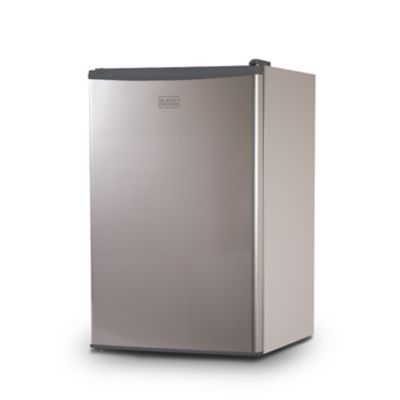
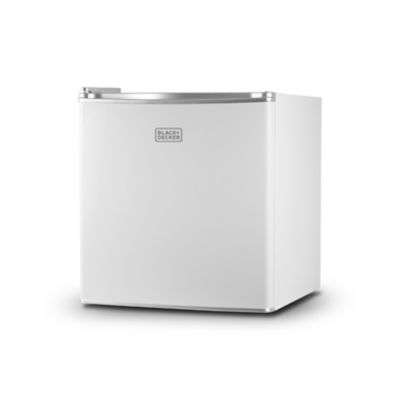
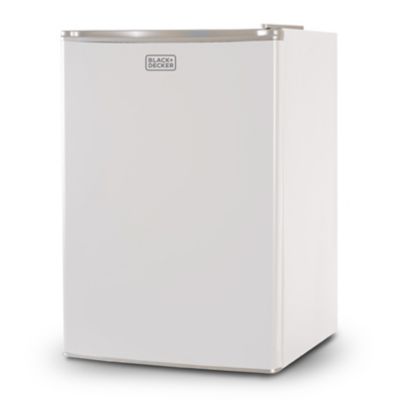
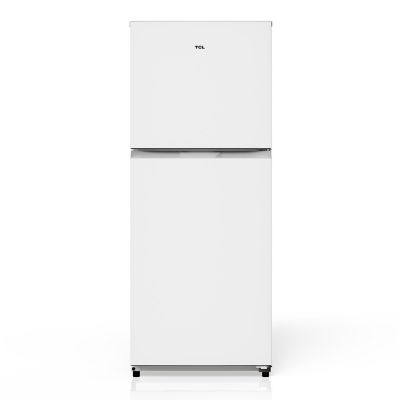
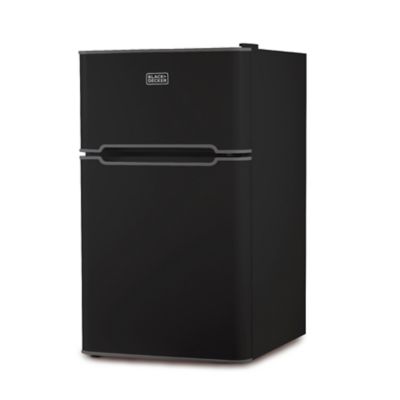
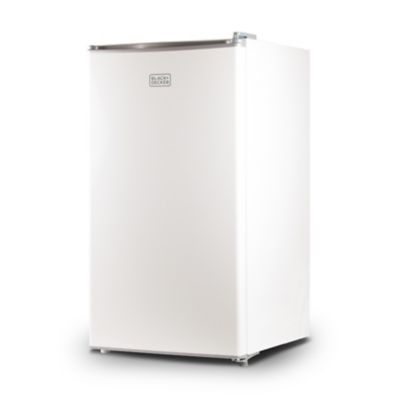
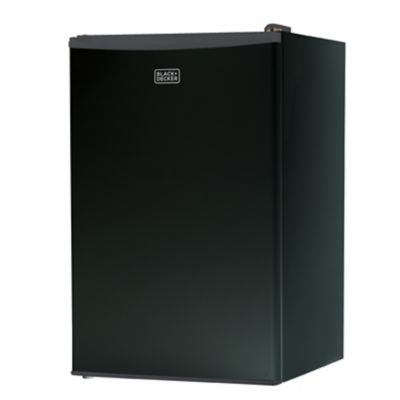
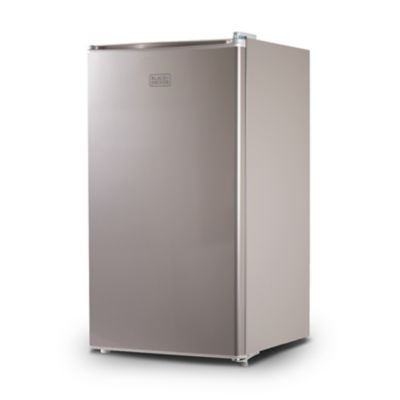
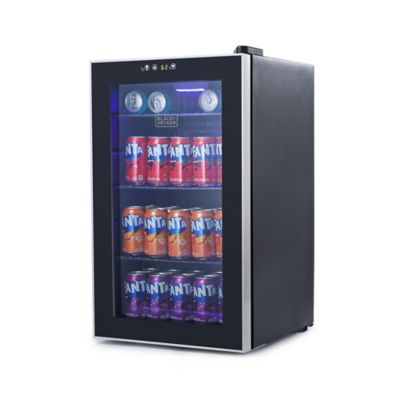
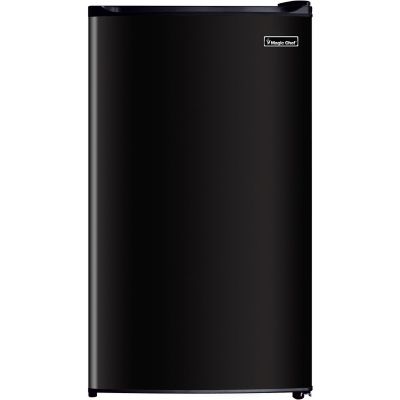
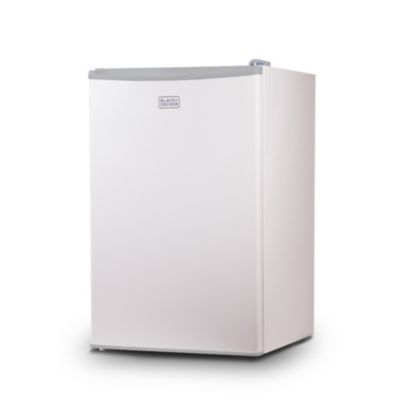
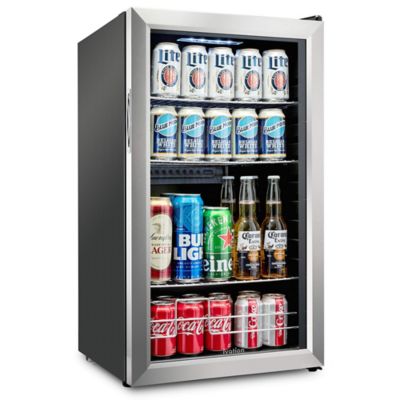
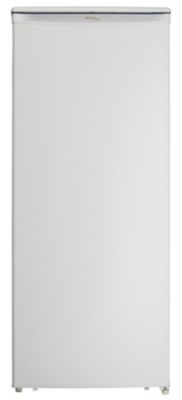
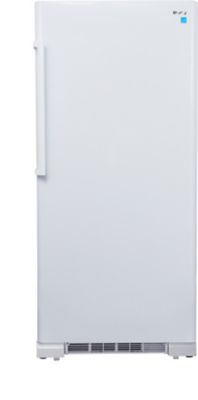
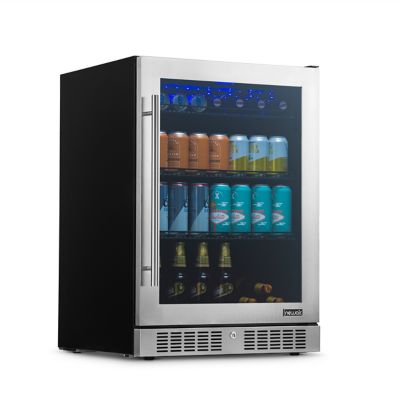
Compact refrigerators for small spaces keep everyday food and drinks close at hand without taking up the room a full-size appliance needs. In a studio apartment, dorm room, office or bunkhouse, that can mean space for milk, sandwich fixings and a few containers of leftovers while leaving more floor space open. A small refrigerator can also serve as a second cooling spot away from the main kitchen, handy for packed lunches in a farm office or refreshments in a finished workshop. Capacity is measured in cubic feet, but the way that space is arranged matters just as much as the number. A low, cube-shaped mini fridge suits a modest supply of drinks and snacks, while a taller compact refrigerator generally provides more room for groceries and upright bottles. Models around 1.7 cubic feet often fit a lighter storage routine; those around 3.3 cubic feet generally offer more interior space, though outside dimensions and shelf layouts vary. Neither capacity alone nor a photo tells the whole story. A shelf that holds several cans may not accommodate a tall milk carton, and a freezer compartment takes up room that might otherwise hold fresh food. Adjustable shelves, door bins and open sections for taller containers give these small appliances different strengths. For someone carrying lunch out to the office each day, room for a wide food container may matter more than a built-in can rack. For a college student, easy access to yogurt, fruit and drinks may be the main job. A compact refrigerator can make a practical gift for someone settling into a first apartment or heading to campus, provided the appliance fits the space and any housing rules. Its appeal is straightforward: a little more independence, fewer trips to the kitchen and a dedicated place for the food that gets reached for most often. Alongside other
Space Saving Appliances, it helps make a small living or working area feel more settled without crowding out everyday activities.
Fit involves more than finding an empty corner. Overall width, height and depth determine whether a compact fridge can sit beside a desk or along a kitchenette wall, but door movement and ventilation also need room. Published dimensions may treat handles and hinges differently, so those details matter in a tight opening. A reversible door, when offered, allows the hinge side to match the layout, keeping a nearby wall or cabinet from getting in the way. There still needs to be enough clearance for the door to open fully and for shelves or drawers to slide out. Freestanding mini refrigerators generally need ventilation space around the cabinet according to their installation instructions; they are not automatically suitable for an enclosed cabinet just because they fit underneath a counter. Built-in installation calls for an appliance specifically rated for that placement. A firm, level surface helps the door close properly and keeps containers from leaning or sliding. Access to a suitable grounded outlet matters, too, with electrical placement and connection following the manufacturer's directions rather than depending on a power strip. In shared sleeping or working spaces, sound deserves attention. Compressor operation can bring a gentle hum, clicks or occasional refrigerant sounds, and noise claims are worth checking rather than assuming every small fridge will be equally quiet. Energy consumption also varies across sizes and designs. An EnergyGuide label provides estimated annual electricity use, while ENERGY STAR certification identifies models that meet the program's applicable efficiency requirements. For a farm office, garage or outbuilding, the manufacturer's permitted ambient operating range is especially important. An indoor refrigerator is not automatically suited to an unconditioned building, and a sheltered location does not make an appliance outdoor-rated. These details distinguish a refrigerator that merely fits an opening from one that suits the place where it will run. A lunch fridge beside a workbench needs a sensible installation just as much as one tucked into an apartment kitchenette.
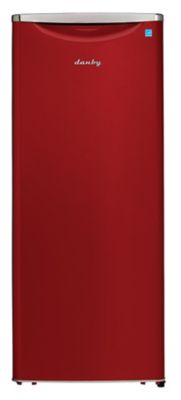
Interior materials and everyday upkeep help determine how well a small refrigerator handles regular meals, spilled drinks and repeated opening. Glass shelves provide a flat surface for food containers and can help contain small spills when they have raised edges; wire shelves allow airflow through their open construction but may need more care when balancing narrow bottles. Smooth interior liners and removable bins make wipe-downs easier, while shelf supports, hinges and door gaskets deserve attention because they carry loads or move throughout the day. Exterior finishes bring their own tradeoffs. Painted metal can blend into a simple room setup, while stainless steel or stainless-look surfaces offer another appearance; the finish description and care instructions explain what the surface actually is and how to clean it. A soft cloth and mild cleaner suited to the appliance are generally preferable to harsh abrasives, and spills are easier to manage before they dry beneath a shelf. Food storage needs also shape the right configuration. A refrigerator-only layout dedicates its interior to chilled groceries, while a separate freezer section can provide room for frozen food when it is designed to maintain freezer temperatures. A small chiller box is not necessarily a substitute for a true freezer. Perishable foods belong at 40°F or below, and frozen food storage calls for 0°F; an appliance thermometer helps verify conditions rather than relying only on a numbered control dial. Leaving room around groceries for air circulation supports more even cooling, especially when the fridge holds a full round of lunches. Manual-defrost compartments need periodic attention as frost builds, following the appliance instructions and avoiding sharp tools that could damage the interior. Clean door seals and accessible ventilation areas also help keep routine care manageable. Whether the daily contents are eggs and milk for a small household or sandwiches and drinks for a long workday, a compact refrigerator earns its place by matching storage habits, installation needs and the room available.