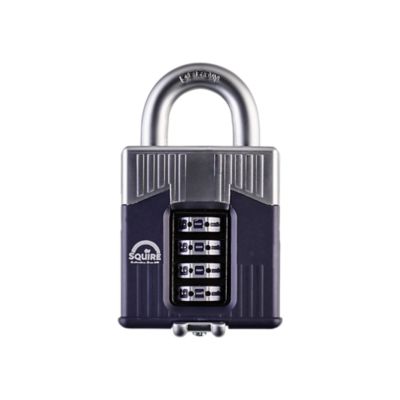
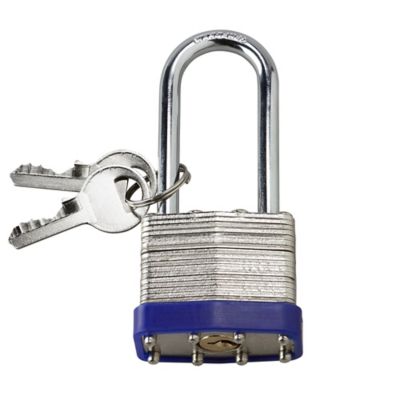
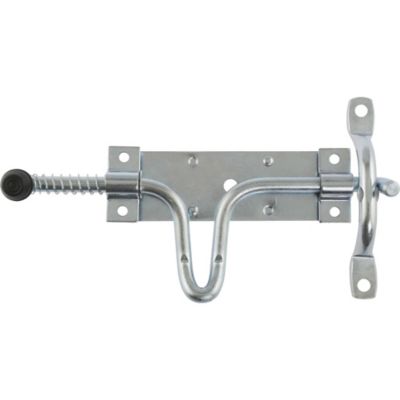
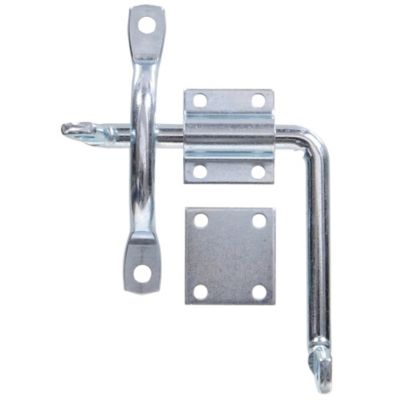
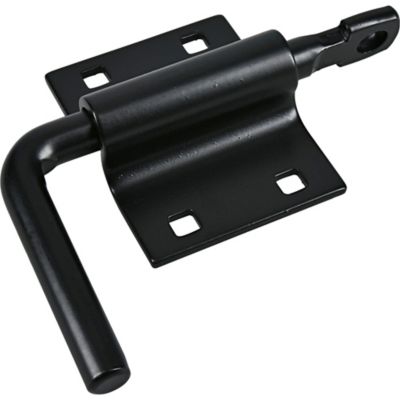
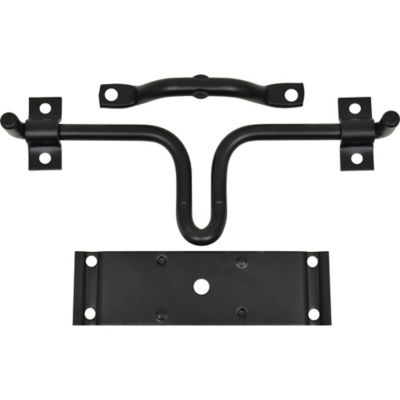
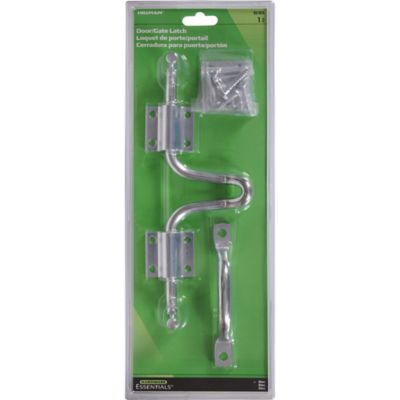
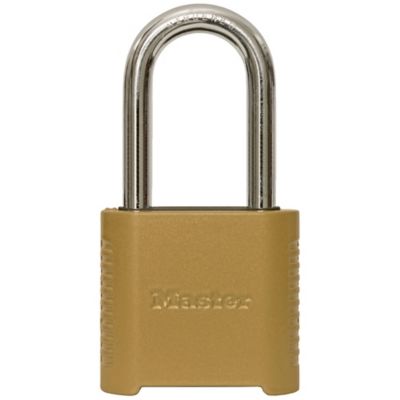
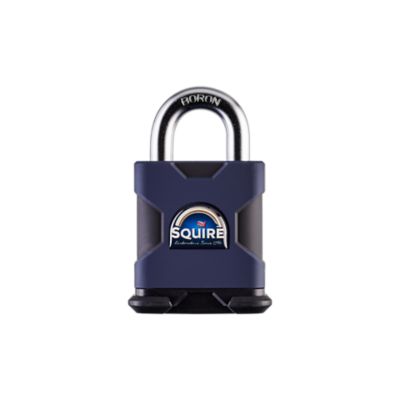
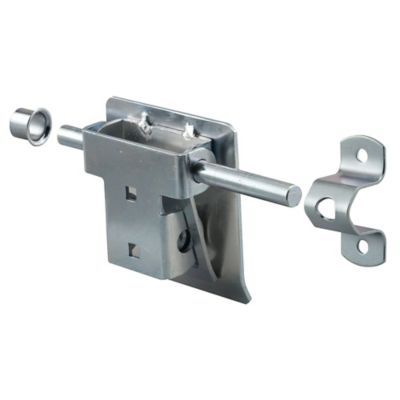
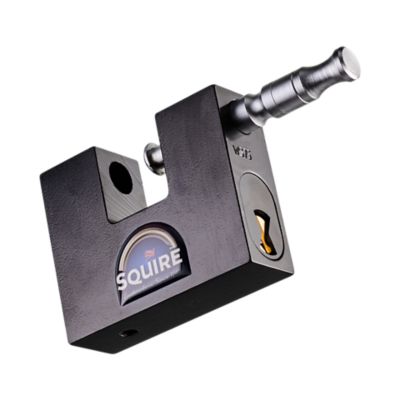
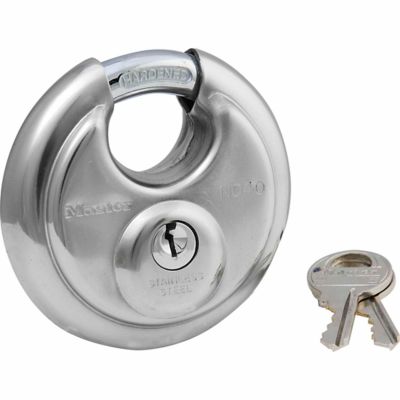
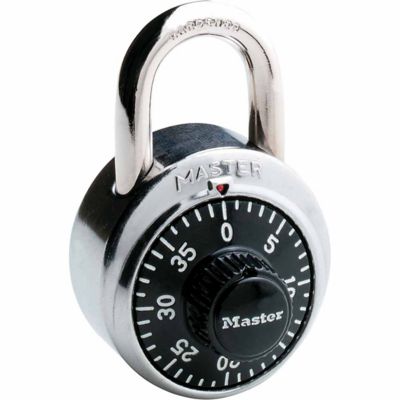
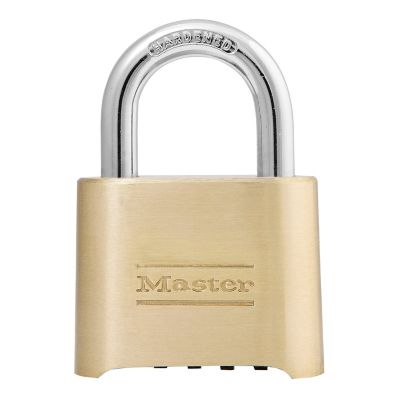
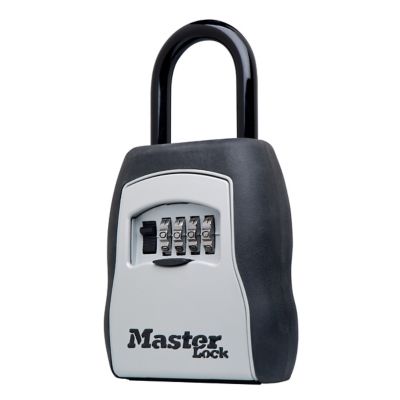
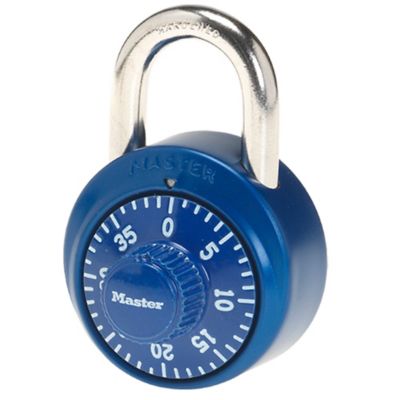
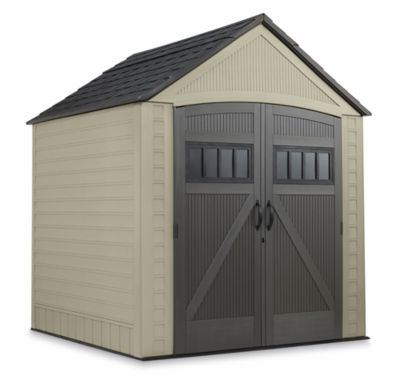
Garden shed security products help keep tools, lawn equipment, and other belongings behind a stronger barrier while making everyday access manageable. A well-matched setup can bring together a closed-shackle padlock, a hasp with concealed fasteners, reinforced door hardware, and an interior anchor for larger equipment. Each part has a different job: the lock controls access, the hasp connects it to the door, and the mounting hardware transfers force into the shed’s structure. For a shed that holds everything from pruning tools to a riding mower, those connections matter as much as the lock itself. Closed-shackle padlocks leave less of the metal loop exposed, limiting the space available for cutting tools. Other padlock styles offer more clearance for thick fittings or awkward door layouts, so shackle diameter, opening height, and body size all affect fit. A large lock is not necessarily a better match if it hangs loosely or puts strain on a light latch. Hardened steel components can add resistance to cutting, while protective finishes help limit corrosion. Keyed locks suit owners who prefer a straightforward way to control access; combination locks eliminate the need to carry a separate key. Shared access also deserves some thought, especially when several family members or a grounds crew need to get equipment out. Readable combination dials, comfortable key access, and enough room around the lock can make a difference when hands are full. Hasps with covered screw heads and hinges with protected mounting points help reduce exposed hardware. Where the shed’s construction permits, carriage bolts with smooth exterior heads and nuts and washers inside can make fasteners harder to remove from outside. Steel backing plates can spread loads across a larger area rather than leaving a small fastener to carry the force alone. These details are particularly relevant on double doors, where the inactive door leaf and its top and bottom bolts also need a firm connection to the frame.
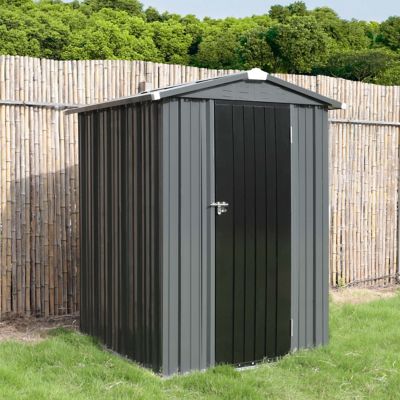
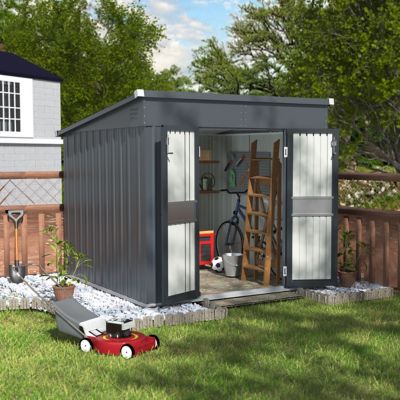
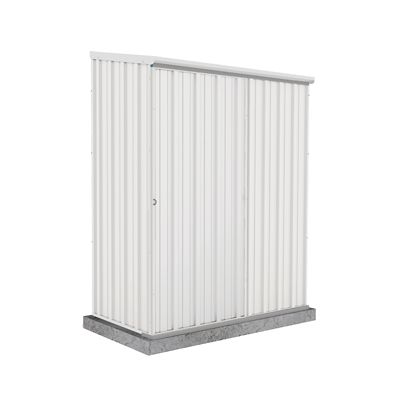
The shed itself sets the limits for any security hardware attached to it. Solid mounting points, sound framing, and doors that close squarely give locks and latches a better foundation. Wood, metal, and resin sheds have different attachment requirements, and hardware needs to suit the wall thickness, frame design, and manufacturer’s installation requirements. A fitting intended for substantial timber may not suit a thin metal panel without additional structural support. For shoppers comparing
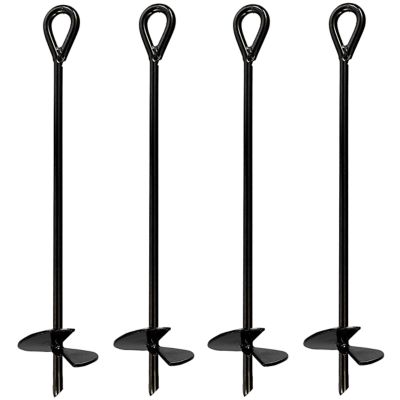
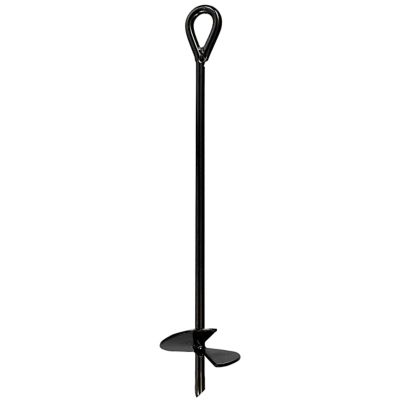
Small Metal Garden Sheds, door design, reinforced latch areas, and compatible anchoring points are worth considering alongside floor space. Even a compact building needs room for a lock to sit properly without catching on handles or interfering with sliding panels. Inside, ground anchors, floor anchors, security chains, and locking cables add another layer between an open doorway and equipment being carried away. Anchors need a suitable structural base; a concrete slab, a framed wood floor, and a lightweight floor panel call for different mounting arrangements. An anchor fastened only to a thin floor surface cannot offer the same support as one connected to an appropriate structural base. Hardened steel chains can secure equipment with suitable attachment points, while protective sleeves help reduce rubbing against painted frames. Chain length matters, too: enough reach allows practical positioning, but excess slack can leave equipment awkward to store and create a tripping hazard. A mower parked near the doorway and bicycles stored along a sidewall may need different anchor locations to keep walking space clear. Windows deserve attention as part of the same setup. Opaque interior coverings can keep stored belongings out of view, while security grilles add a physical barrier when mounted to a suitable frame. Window fittings should preserve any required ventilation and avoid interfering with exits. Together, door reinforcement, interior restraints, and window protection create layers of security rather than leaving one lock responsible for everything inside.
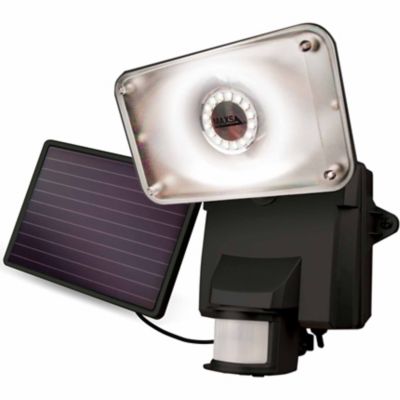
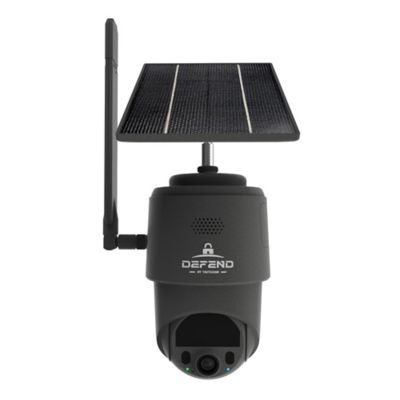
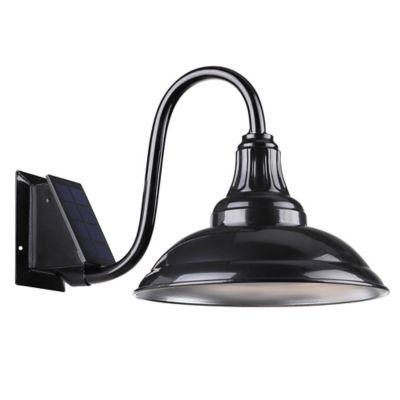
Security lighting, shed alarms, and cameras can support those physical barriers by making activity easier to notice. Motion-activated lighting is especially useful around a shed entrance or along the path from the house, where clear visibility helps with both access and observation. Fixture placement, detection range, and the direction of the light affect how well it covers the doorway without shining into nearby windows or toward neighboring property. Electrical supply is another practical consideration: wired equipment needs an appropriate connection, while battery-powered options need accessible battery compartments and regular checks. Solar-powered lighting depends on a location with enough sunlight to support its operating needs. Door-contact alarms respond when a protected door opens, while motion sensors monitor movement within their detection area. A contact sensor needs compatible mounting surfaces and proper alignment; a motion sensor needs a clear view that is not blocked by shelving or stacked supplies. For sheds within reach of a home network, connected cameras and alerts may offer added visibility, but signal strength at the shed matters more than signal strength inside the house. Recording method, power supply, viewing angle, and any connection requirements are useful comparison points. Cameras complement locks and anchors rather than replacing them. Day-to-day upkeep also helps security hardware do its job. Dirt around a latch, loose mounting nuts, a sagging door, or a chain dragged across the floor can interfere with fit and operation over time. Manufacturer-recommended cleaning and lock lubrication help keep moving parts working without adding products that might attract grit or harm internal components. Protective coatings, fasteners, batteries, and sensor alignment all benefit from periodic attention. For a gardener reaching for hand tools most days, easy access may be a priority; for someone storing equipment between projects, interior restraints and monitoring may carry more weight. The best fit balances those routines with the shed’s construction, giving belongings several layers of protection without turning every trip out to the shed into a chore.