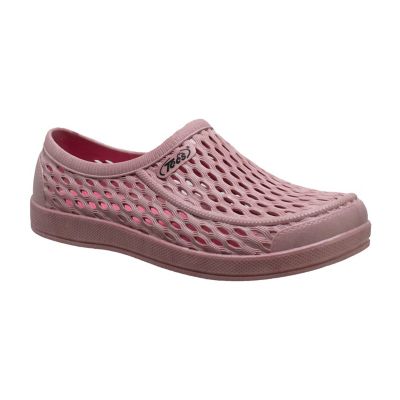
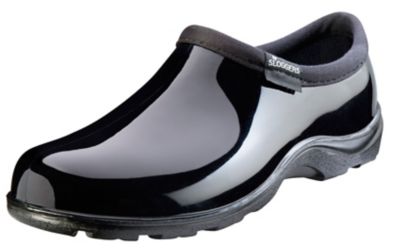
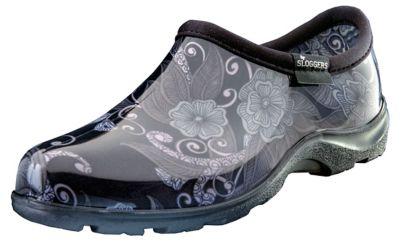
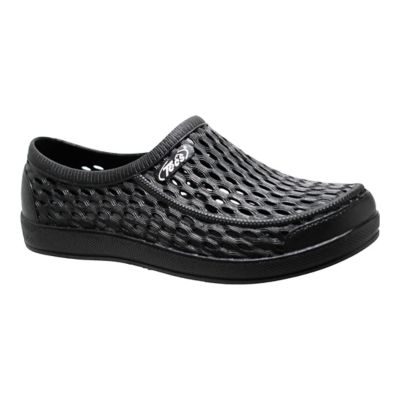
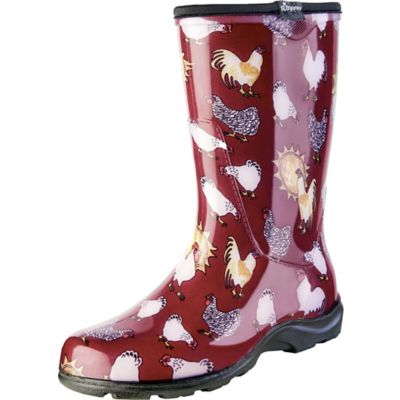
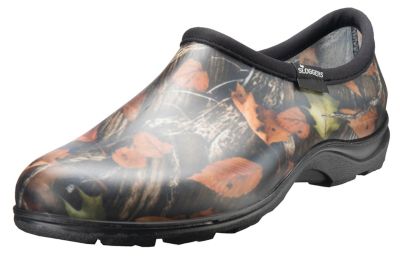
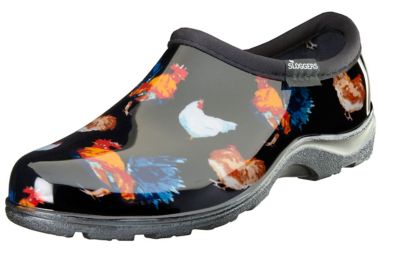
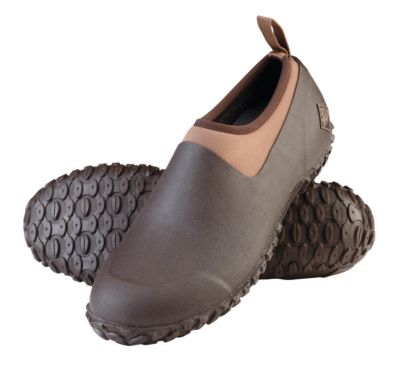
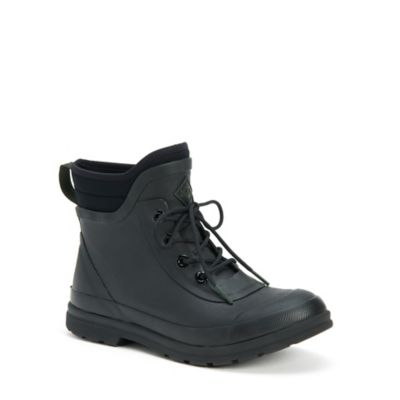
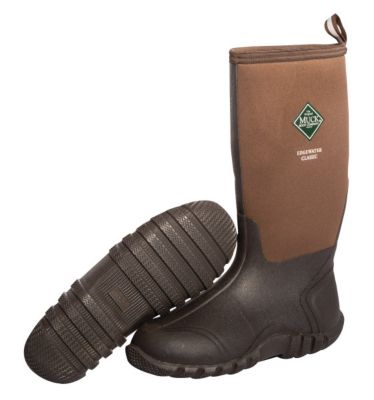
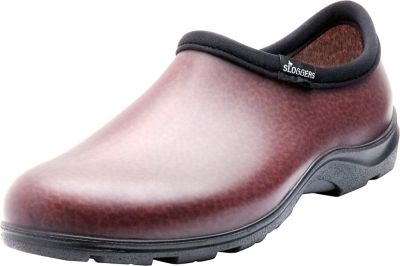
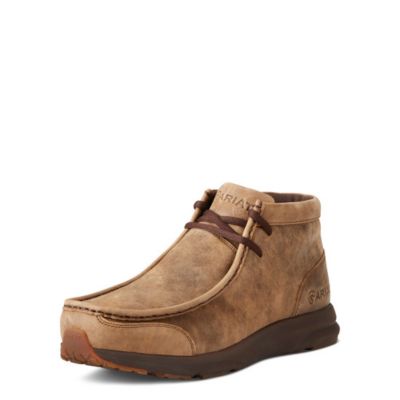
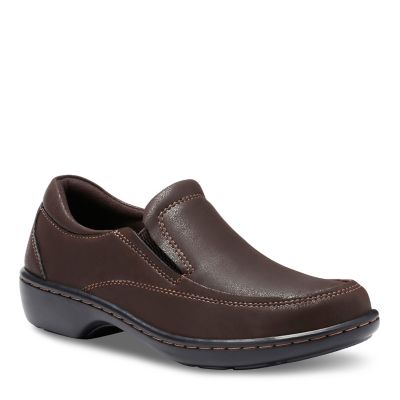
Slip on garden shoes make it easier to head out the back door when there’s watering to finish, a few weeds to pull, or a basket of vegetables waiting by the raised beds. They’re the kind of footwear that earns a spot beside the porch, ready for those little jobs that don’t call for tall boots or a change of clothes. A low profile and an easy-entry opening keep things simple, whether the day starts with damp grass or ends with sweeping potting soil off the patio. Across this category, materials and construction can range from flexible molded foam to rubber shells and fabric-lined uppers, each with a different feel underfoot. Molded foam often keeps weight down, while rubber can provide a barrier against splashes and wet soil. Water resistance depends on the whole shoe, though, not just the outer material: openings, seams, and a low collar can still let moisture inside. Ventilated styles allow more airflow during active chores, but those same openings can admit grit, water, and bits of mulch. Closed uppers offer more coverage when leaves are damp and the garden path is muddy. During the cooler months, a lining or room for socks can make a difference on short trips outside, though a low garden shoe isn’t a substitute for insulated boots in deep cold or snow. The appeal goes well beyond tending flowers. These shoes can suit a porch gardener moving containers, a backyard grower checking a cold frame, or someone stepping out to refill a bird feeder. For light work around the house and garden, having footwear that slips on without laces helps keep the day moving. It also makes it easier to leave muddy soles at the door instead of carrying a trail of soil across the kitchen floor.
Comfort in slip on garden shoes comes from the way the shape, footbed, and heel work together, especially when a quick trip outside turns into an hour of sorting pots or clearing a bed. A roomy toe area gives feet space to spread while standing and squatting, but extra room shouldn’t mean sliding forward with every step. The heel should feel steady enough for walking without making toes grip to hold the shoe in place. Open-back shapes are convenient at the doorstep, while a more enclosed heel or a retaining strap can offer a more secure feel when moving between the shed and the garden. Fit also changes with socks, so the thickness normally worn for outdoor chores matters. A shoe that feels right with thin socks may press across the top of the foot with a heavier pair, and a very loose fit can become awkward on uneven ground. Underfoot cushioning can soften the feel of concrete paths and packed earth, while a contoured footbed may provide support during longer stretches of standing. Softness alone doesn’t tell the whole story; enough structure to keep the foot settled matters, too. Outsole tread deserves the same attention as the upper. Defined channels and lugs can help with footing on loose soil, although mud packed into the tread can reduce its grip. Wet boards, smooth stone, and slick leaves can challenge any outsole, and ordinary garden shoes shouldn’t be treated as protection against ice. The intended job sets the limits. Low slip-ons make sense for watering, light planting, potting, and everyday yard puttering, but mowing, handling heavy equipment, digging with a shovel, or working around sharp debris may call for more substantial protective footwear. For households comparing easy-entry footwear for other outdoor routines,
Men's Outdoor Slip On Shoes offers a related category to explore. The best match depends on the wearer’s foot shape, the ground underfoot, and how much coverage the task requires.
Garden footwear has to live with dirt, moisture, and repeated trips over rough ground, so construction and care both play a part in how long it holds up. High-contact areas include the toe, the edges of the sole, and the heel where the foot slides in and out. A reinforced-looking shape may offer more coverage, but wear life still depends on the material, frequency of wear, and working conditions. Gravel, abrasive concrete, and regular bending put different demands on a shoe than an occasional walk across the lawn. Care is usually simplest when soil comes off before it dries into every groove. Depending on the care directions, a soft brush, damp cloth, or gentle rinse may be suitable for removing garden grime; not every lining or upper belongs under a hose or in a washing machine. Removable footbeds, where included, can make it easier to clear out grit and let the inside air out. Shoes should dry fully before the next long stretch of wear, away from a stove, radiator, or other strong heat that could affect their shape or materials. A sheltered spot near the door keeps them handy without leaving them exposed to standing water or freezing weather. Checking the tread and upper from time to time also helps catch thinning soles, cracks, or worn heel edges before they interfere with comfort and footing. For anyone who spends plenty of time among seed trays, compost bins, and porch planters, slip on garden shoes can be a thoughtful practical gift. Knowing the recipient’s size, usual sock thickness, and preference for an open or enclosed heel makes that choice more personal without relying on looks alone. Color and pattern can bring a little personality to everyday chores, while a straightforward shape fits easily into a working yard wardrobe. From carrying a watering can to gathering the last tools before heading inside, a well-fitting pair keeps light garden tasks comfortable, uncomplicated, and a little less messy.