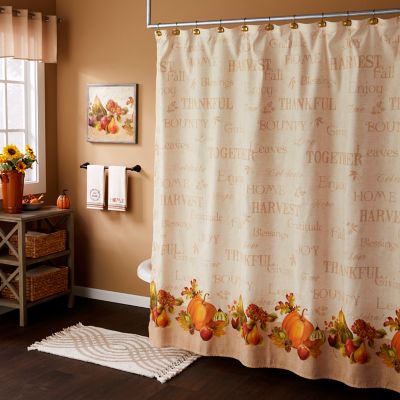
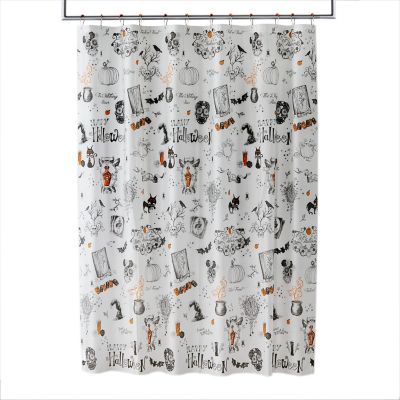
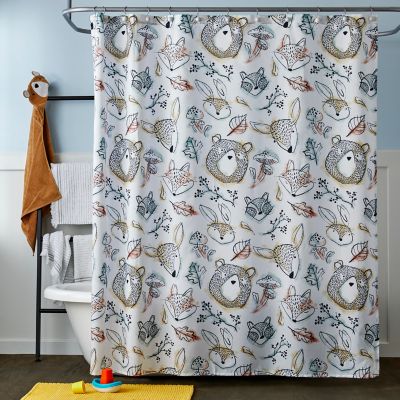
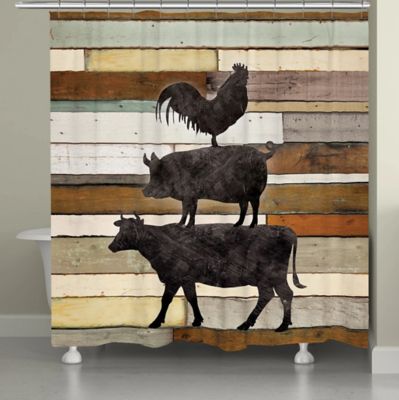
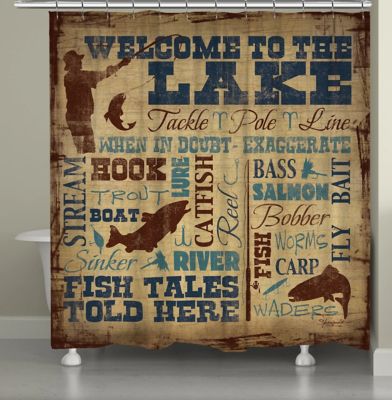
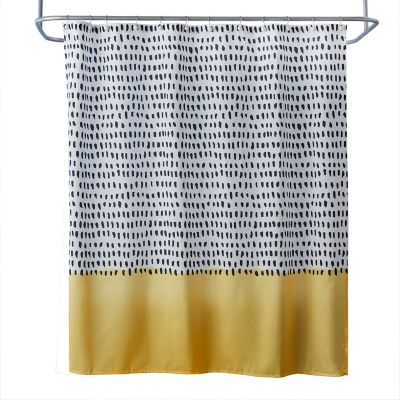
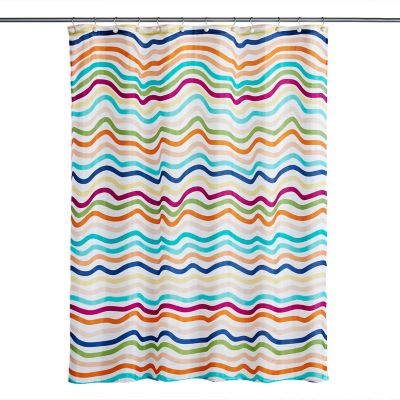
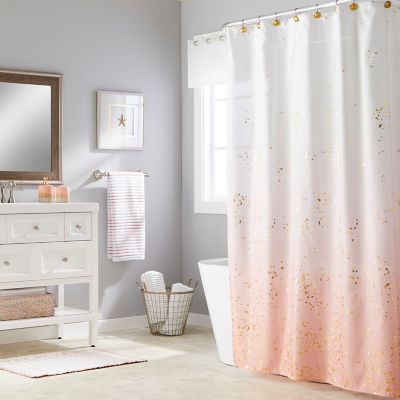
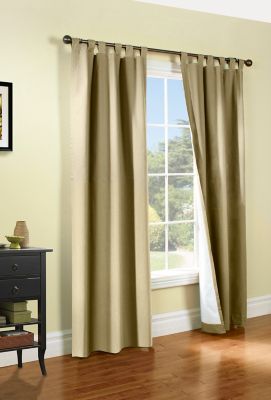
Shower curtains add privacy, help contain splashes and give a bathroom a finished look without taking up floor space. Most standard shower curtains measure 70 by 72 inches or 72 by 72 inches, though stall, extra-wide and extra-long sizes suit different openings. The right fit depends on the width of the shower opening and the distance from the rod to the intended bottom edge, not just the size of the room. A curtain needs enough width to close comfortably with some folds left in the fabric, rather than stretching flat across the opening. Its length should work with the rod height and tub or shower base without dragging on the floor. For a bathtub, the waterproof liner hangs inside the tub to direct water back toward the drain, while a separate fabric curtain generally hangs outside. A walk-in shower needs a length that helps contain spray without leaving material bunched underfoot. Straight and curved rods can call for different amounts of coverage, and a taller rod may require a longer curtain even over a standard tub. These everyday details matter in a busy family bathroom, a compact apartment bath or a guest bathroom at the farmhouse. Beyond fit, color and pattern have a big effect because the curtain covers a broad stretch of the room. Solid colors keep things simple, stripes bring a tidy look, and checks, florals or outdoor-inspired prints can work alongside wood cabinets and plain tile. A lighter shade can keep a small bathroom from feeling closed in, while a deeper color creates a stronger contrast against pale walls. Texture gives another option when a bold pattern would feel like too much. Waffle weaves, subtle ribbing and woven surfaces add interest without competing with towels or flooring. In a shared bathroom, a curtain that slides easily and closes fully is often more useful than an elaborate design. For a guest bath, a straightforward fabric panel with a well-fitted liner makes the space feel welcoming and ready for company.
Material determines how a shower curtain feels, how it handles moisture and what kind of care it needs. Polyester is a common choice because it is lightweight, generally dries faster than heavier cotton fabrics and often allows machine washing according to the care label. Cotton brings a softer, familiar fabric feel, while linen and linen blends offer a more relaxed woven texture. Those fabrics usually need a separate waterproof liner unless the curtain is specifically labeled for use without one. A water-repellent finish helps droplets roll off a surface, but it does not automatically make a fabric curtain waterproof. That distinction matters when a showerhead sends a steady spray toward the curtain or several people share the same bathroom throughout the day. PEVA and vinyl curtains or liners provide a waterproof barrier through the material itself, although water can still escape around the edges if the fit or placement is wrong. Depending on the design, these materials can serve as the main curtain or sit behind a fabric outer panel. Clear liners let light pass through, translucent styles soften the view, and opaque panels provide more visual coverage. Fabric weight also affects everyday handling: a heavier panel may hang with fuller folds, while a lighter curtain is easier to move aside. Weighted hems can help limit billowing, and magnetic hems may help hold a liner against a compatible metal tub; magnets will not attach to fiberglass or acrylic. Reinforced top edges and well-finished hanging holes help the curtain handle repeated opening and closing. Standard curtains commonly hang from hooks or rings, while some designs have built-in openings that attach directly around a compatible rod. The attachment style, rod diameter and number of hanging points all need to work together. Rings that move freely make it easier to close the curtain without tugging hard on the top edge, especially in a bathroom shared by children and adults.
Regular care helps shower curtains stay pleasant to handle and keeps soap residue from building up along the lower edge. Many fabric curtains can go in the washing machine, but the label determines the washing cycle, cleaning products and drying method. Cotton and linen may shrink if their care directions are not followed, and some finishes need gentler treatment than plain fabric. PEVA and vinyl panels are often wiped clean with mild soap and water rather than machine washed unless the manufacturer allows it. Liners need attention, too, since they take the direct splash from shampoo, soap and body wash. Spreading the curtain and liner out after a shower, instead of leaving them gathered at one end, gives wet folds a better chance to dry. Bathroom ventilation helps manage lingering moisture, though no curtain takes the place of an exhaust fan or other suitable ventilation. A liner that has developed tears, persistent buildup or an unpleasant smell may need replacement even when the outer curtain still looks good. Keeping those two layers separate can make upkeep simpler because the outer fabric and inner liner do not always need the same cleaning routine. Strong stitching, reinforced hanging points and a hem that stays intact matter in a bathroom where the curtain gets opened and closed several times a day. In a bath near the mudroom, easy cleaning may matter most after a long day of chores; in a seldom-visited guest bathroom, a fabric that hangs neatly between visits may take priority. Shower curtains can also make practical housewarming gifts when the bathroom measurements and recipient’s taste are known, particularly for someone settling into a first apartment or a new place in the country. A neutral pattern is easier to coordinate with existing towels than a very specific color scheme. For a separate porch or patio privacy project,
Heavy Duty Outdoor Curtains belong to a different category with different installation and exposure needs. In the bathroom, a suitable material, proper coverage and manageable care routine keep the focus on everyday comfort and keeping shower spray where it belongs.