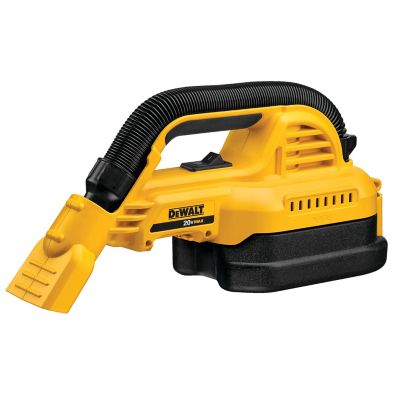
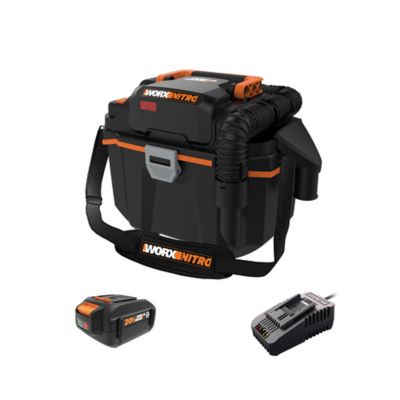
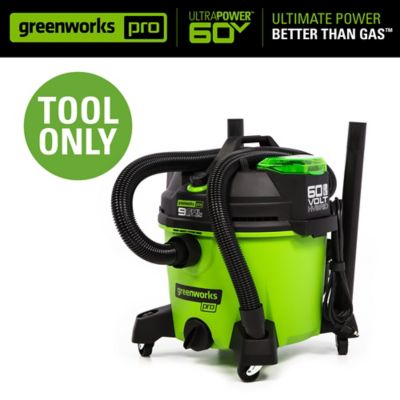
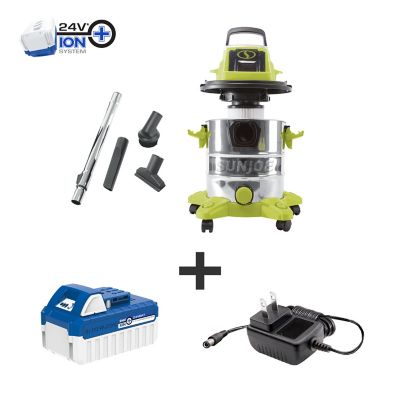
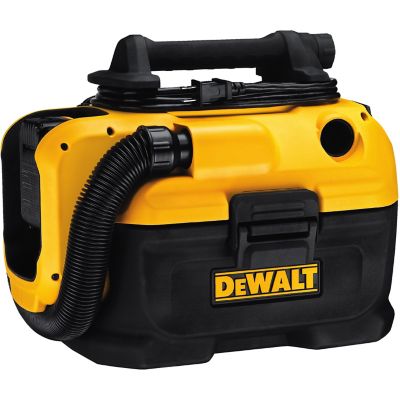
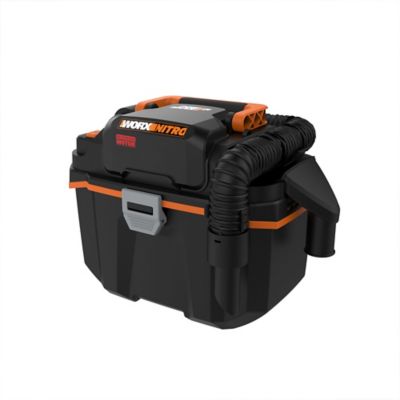
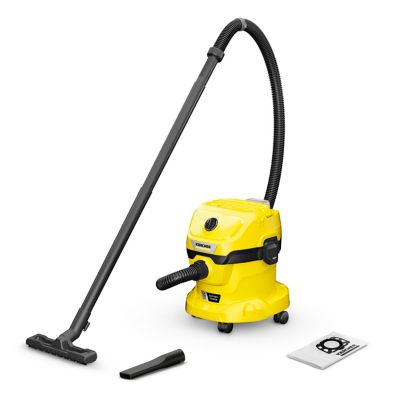
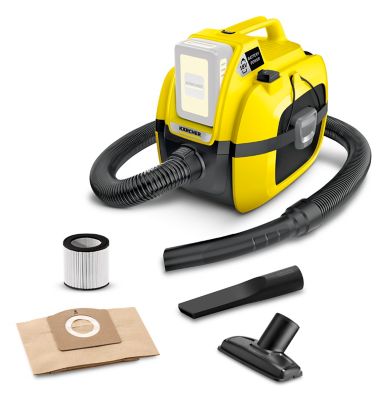
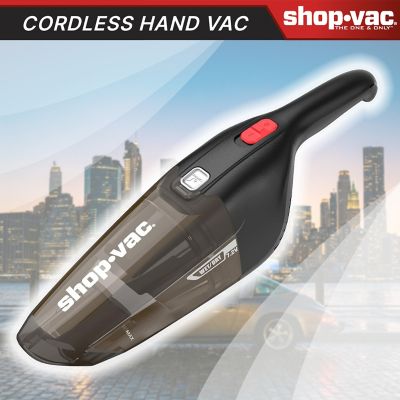
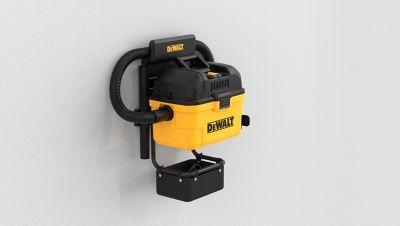
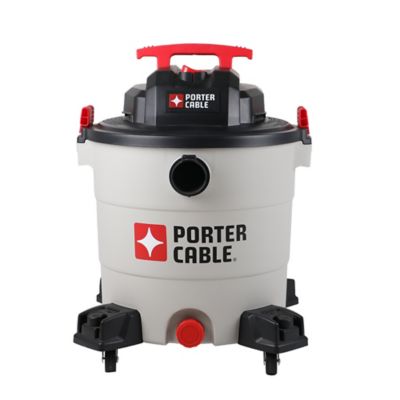
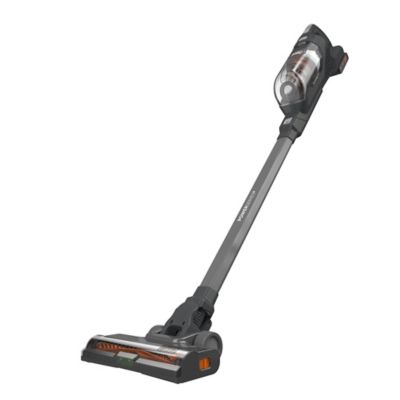
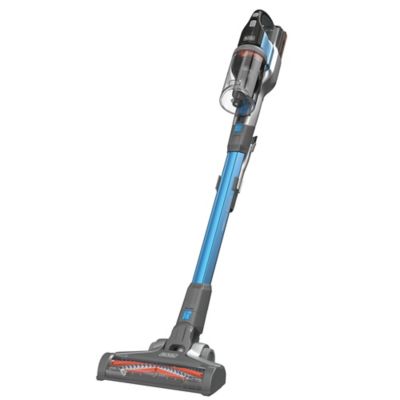
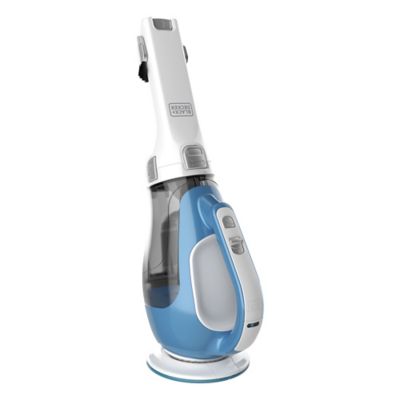
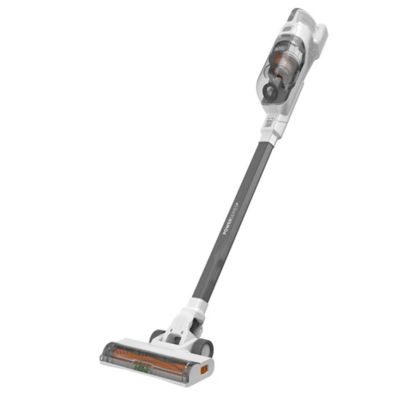
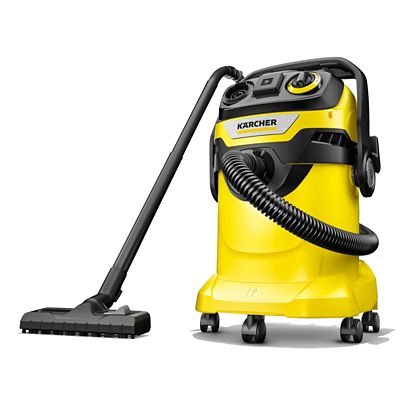
A cordless wet/dry vac is a battery-powered vacuum built to pick up dry debris and liquid spills without plugging into a wall outlet. That makes it handy for cleaning a truck cab parked away from the house, gathering wood shavings around a workbench, or lifting a small water spill off a garage floor. Unlike a regular household vacuum, a wet/dry vac collects material in a tank and has a pickup system designed for wet or dry work when set up according to its instructions. Rechargeable power means there’s no extension cord trailing behind while moving between the shop, driveway, and equipment shed. These vacuums come in several sizes, from compact carry-along designs to larger tanks that roll across the floor. Tanks in the 2- to 3-gallon range can be a practical fit for vehicle interiors and scattered messes, while larger capacities can cut down on trips to empty the tank during bigger cleanups. Tank size describes the container, though, not necessarily how much liquid it can collect before reaching its fill limit. A full tank also adds weight, especially with water inside, so carrying comfort matters just as much as capacity. Suction, airflow, hose size, and the attachment all affect how a vacuum handles a particular mess. Higher airflow helps move loose debris, while stronger sealed suction helps lift material against resistance; neither figure tells the whole story by itself. Runtime depends on the battery, power setting, attachment, and workload rather than tank size alone. For a quick pass over floor mats or a little cleanup after drilling, a smaller setup may be easier to grab and carry. For repeated trips around a larger workspace, a bigger tank and a rolling base may make more sense. The best match is the one that fits the cleanup, the space, and the person carrying it.
Battery compatibility is one of the biggest considerations when comparing cordless wet/dry vacs. Sharing a battery platform with other tools can simplify charging and reduce the number of chargers taking up bench space, but matching voltage alone does not establish compatibility. The vacuum, battery pack, and charger need to belong to a supported system, and the package contents determine whether a battery and charger are included. Battery capacity can affect working time, although a higher-capacity pack may also make a compact vacuum heavier. Some designs offer different power settings, allowing a lighter setting for loose crumbs and a stronger setting for more demanding pickup. Beyond the battery, the tank and housing help determine how the vacuum fits into everyday chores. Molded plastic tanks keep carrying weight down and do not rust, while stainless steel tanks offer another option for shop cleanup; either needs proper care around chemicals and standing moisture. Secure latches, a well-seated lid, and intact seals help keep the collection system working as intended. A broad handle is helpful when carrying the vacuum between outbuildings, and wheels are handy on a smooth shop floor, though wheel size affects how easily a unit crosses joints and rough patches. Hose reach matters when cleaning behind a truck seat or beneath a bench, but extra hose length can be awkward to store. A narrow crevice tool reaches seat tracks and corners, a brush attachment helps loosen dirt from suitable surfaces, and a wider floor nozzle covers open areas with fewer passes. Hose diameter also affects which debris can pass through without clogging. Onboard storage keeps those pieces close instead of scattered across a shelf. Some wet/dry vacuums also have a blower function for moving loose debris out of tight spots, but that feature varies by design and can stir up dust. It is a separate consideration from liquid pickup, not a feature every cordless vacuum includes.
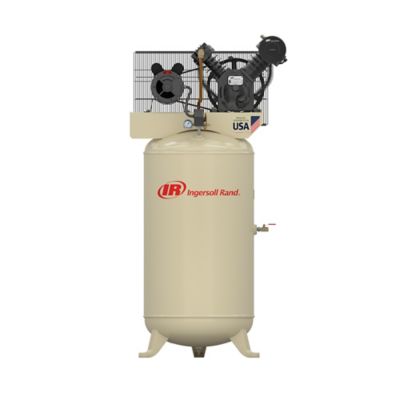
The filter setup deserves a close look because wet pickup and dry cleanup have different requirements. Dry debris needs the filter specified for that material, and fine dust may call for a compatible fine-dust filter or collection bag. For liquid pickup, follow the vacuum’s instructions for filter changes, foam sleeves, fill limits, and any automatic shutoff feature. A HEPA-rated filter alone does not establish that a vacuum is suitable for hazardous materials such as asbestos, lead dust, or respirable crystalline silica. Fuel, flammable liquids, hot ashes, and other prohibited materials stay outside the vacuum’s intended use. After ordinary cleanup, emptying the tank before debris packs down makes the next job easier. Liquid should not sit in the tank between chores, and rinsed parts need time to dry before storage. Only filters labeled washable should be rinsed, with the manufacturer’s drying directions followed before reinstalling them. Disconnecting the battery before clearing a blockage or servicing the vacuum helps prevent an unexpected start. A clear hose, clean filter, and sound lid seal help maintain pickup performance without making the motor work against a clog. Storage matters, too: a spot that protects the charger from moisture and keeps the hose from getting crushed makes the whole setup easier to live with. For folks building a portable tool setup,
Cordless Air Compressors cover a different set of chores, such as tire inflation or air-tool work when the compressor’s ratings support the task, while the wet/dry vac handles cleanup afterward. A cordless vacuum can also make a practical gift for someone who spends time tending vehicles, working in the shop, or tackling repairs around the property, especially when its battery system matches equipment they already own. From grit under the pedals to a puddle beside the utility sink, the appeal is straightforward: carry the vacuum to the mess, fit the right attachment, and get the space ready for the next job.