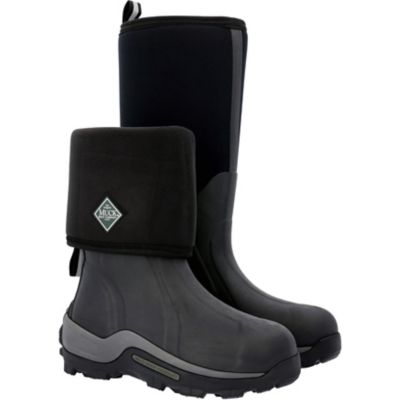
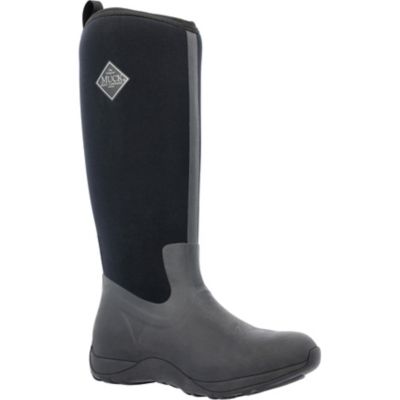
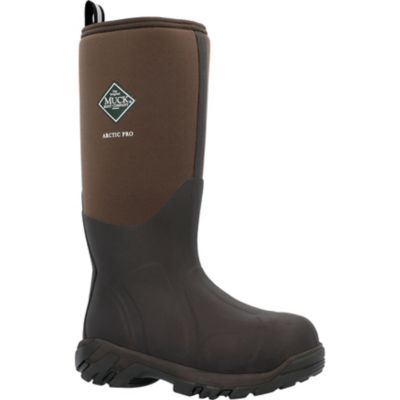
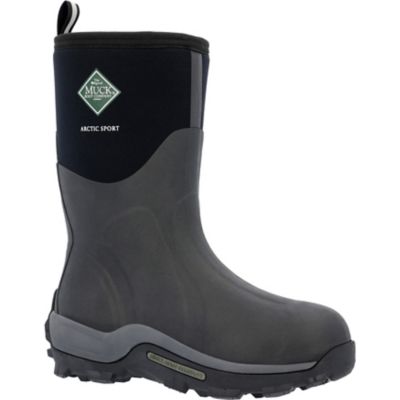
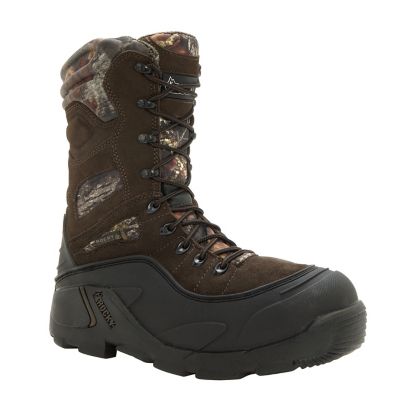
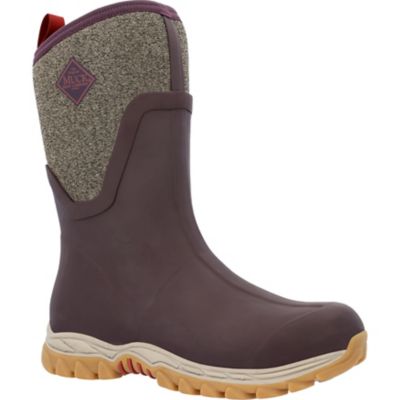
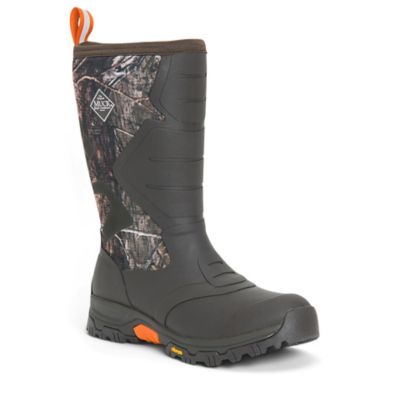
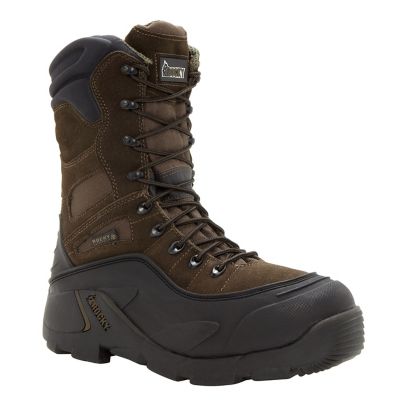
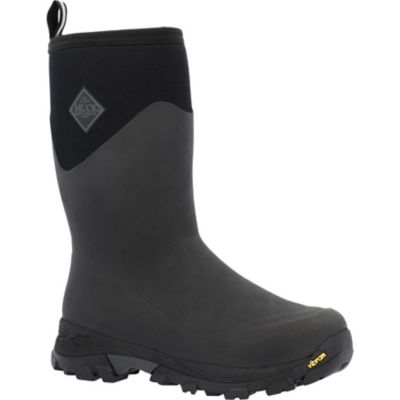
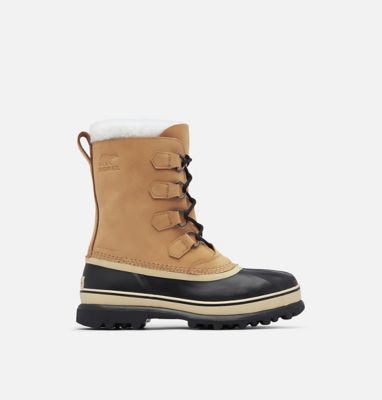
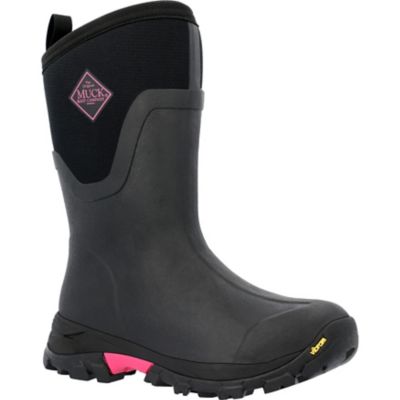
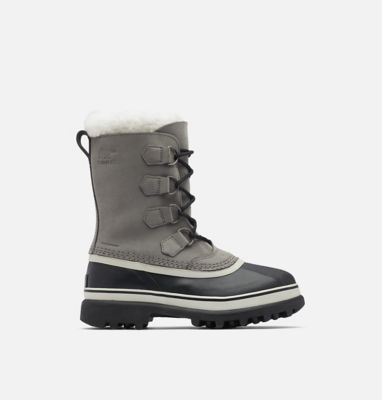
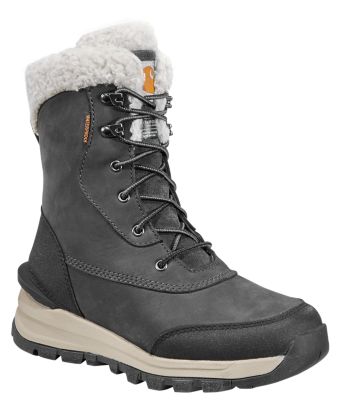
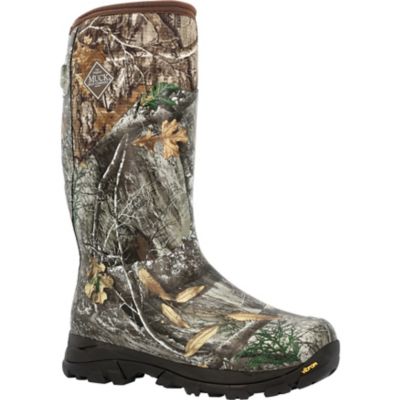
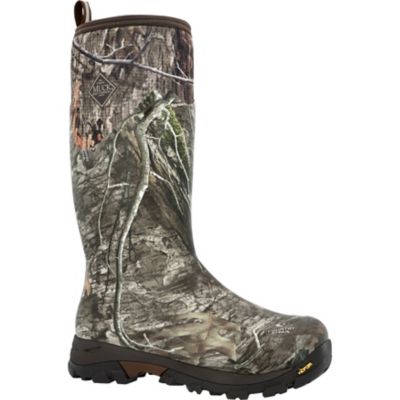
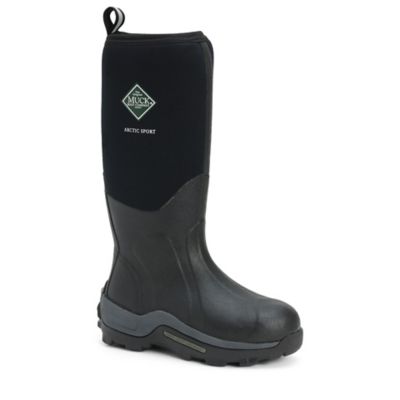
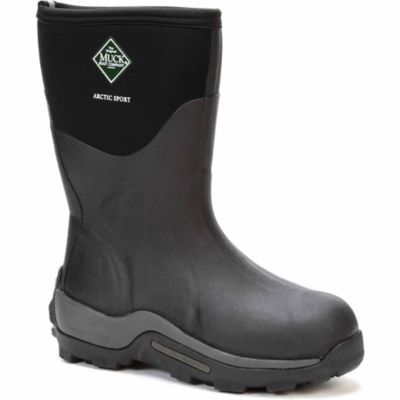
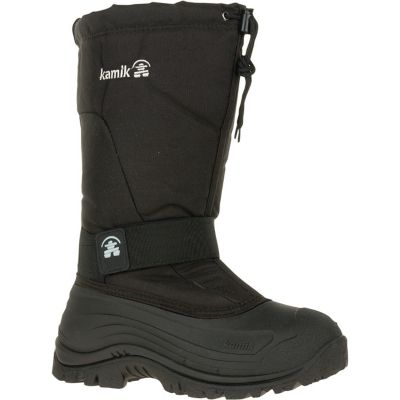
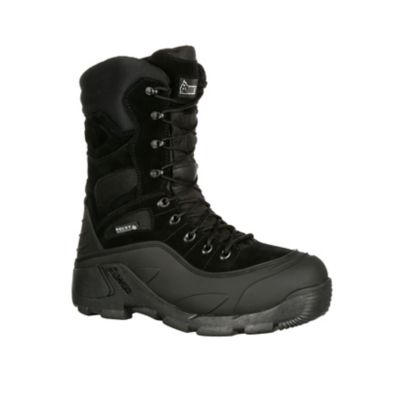
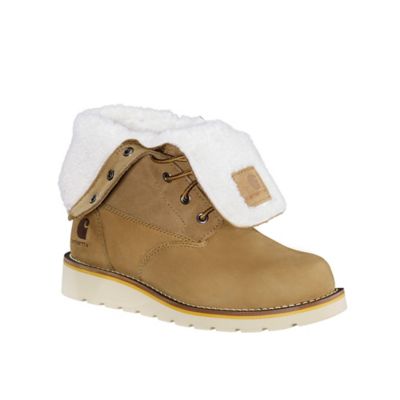
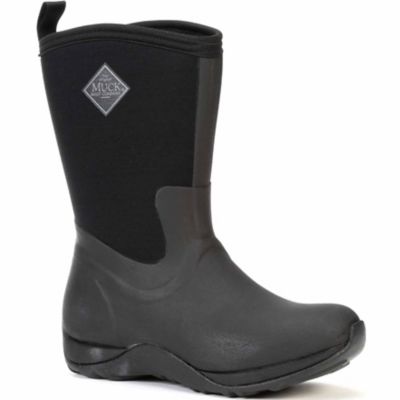
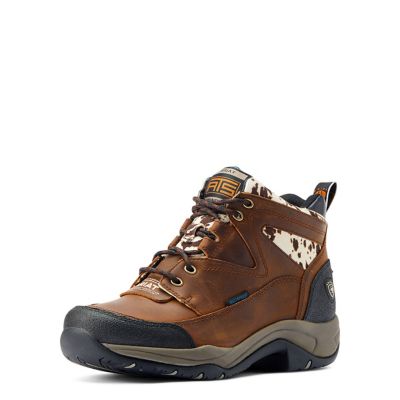
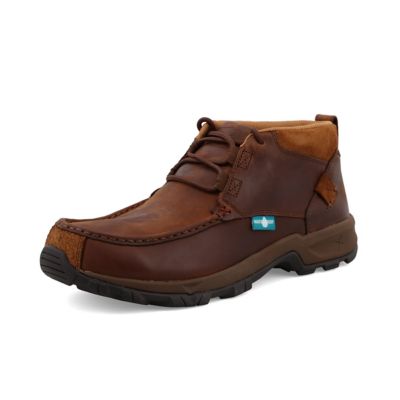
Shoes for walking in snow need to match the ground underfoot, the amount of moisture, and how long the walk will last. Waterproof construction, a tread suited to snowy terrain, and room for winter socks are useful starting points, while insulation needs depend on both the temperature and the pace of the outing. A short trip down a shoveled driveway puts different demands on footwear than a mile along a snow-covered gravel lane. On packed sidewalks, an outsole with plenty of ground contact and small tread edges can help with footing; on loose snow, deeper, well-spaced lugs can bite into the surface and release buildup between steps. The rubber compound matters, too, since a sole that stays flexible in cold conditions can perform differently from one that stiffens. No tread makes every icy surface safe, especially when a thin layer of ice hides beneath fresh snow. Outdoor traction attachments may provide extra grip when compatible with the footwear and the surface, but they generally need to come off before walking across indoor floors. Moisture protection deserves just as much attention as traction. Water-resistant uppers can handle light exposure, while waterproof construction is a better match for repeated contact with wet snow and slush. Leather and synthetic uppers may incorporate waterproof membranes, sealed seams, or protective lower shells, so the full construction matters more than the outer material alone. A gusseted tongue helps close the gaps alongside the laces, and a higher collar adds coverage when snow piles beyond a cleared path. Low-cut walking shoes offer less ankle coverage and may suit shallow snow or well-maintained routes. Taller footwear makes more sense where drifts, plow piles, and uneven paths are part of the walk. Even a waterproof upper cannot stop snow from falling through the opening, which makes the relationship between footwear height, pant cuffs, and snow depth worth considering. That difference becomes clear when stepping off the porch into a drift or crossing the ridge left by a snowplow at the end of the driveway.
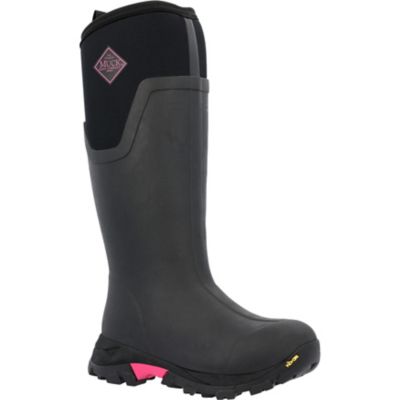
Comfort matters well beyond the first few steps, particularly when the route includes a trip to the mailbox, a lap around the property, or an afternoon walking behind a dog eager to sniff every fence post. A good fit leaves space for the toes to move without letting the heel lift excessively. The same socks intended for snowy outings belong in the fitting process, since thick socks can turn an otherwise comfortable shoe into a tight one. Too little room can create pressure and interfere with circulation, while too much room allows sliding that can lead to rubbing. Wool-blend or synthetic socks help move moisture away from the skin, an important detail when a brisk walk generates enough heat to leave feet damp. More insulation is not always the better answer: an active walker may need less than someone who pauses often or spends long stretches standing near a gate. Insulation weight alone does not establish a universal temperature limit, and warmth also depends on activity, fit, wind exposure, and personal comfort. Cushioning can soften repeated steps on hard pavement, while a stable platform helps keep the foot from shifting on rutted paths. A sole that bends near the ball of the foot can make walking feel more natural than one that resists every stride. Removable footbeds offer a practical benefit for drying and may allow room for compatible supportive inserts, provided the fit remains comfortable. Laces give more control over snugness across the foot and ankle; pull-on styles offer a simpler routine for quick trips outside, though heel hold still matters. For longer routes or deeper coverage,
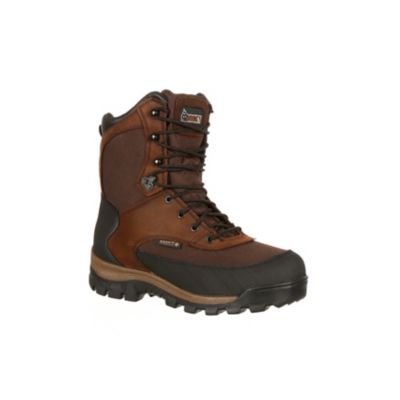
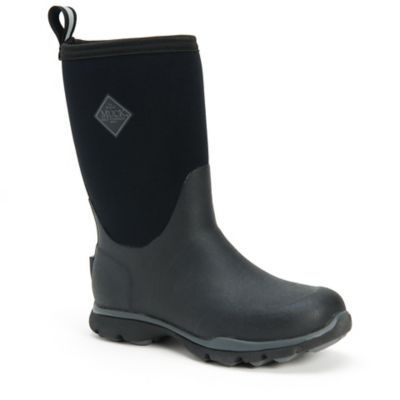
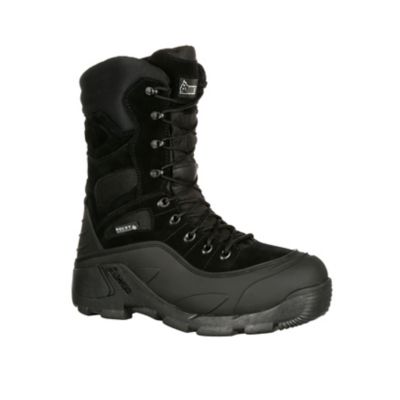
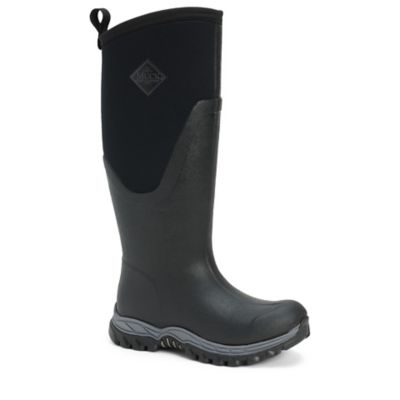
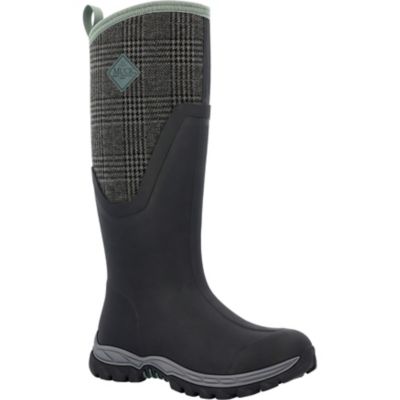
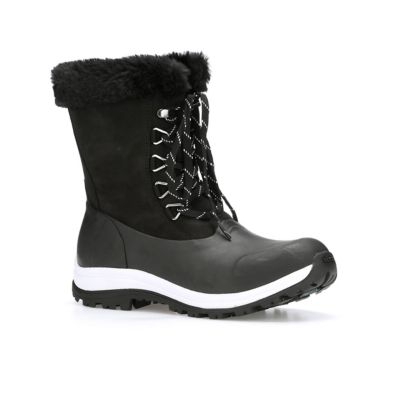
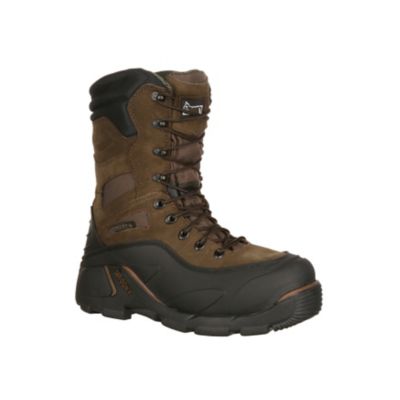
comfortable walking winter boots bring the same fit considerations into a taller shape. Walking around indoors on a clean surface can reveal toe pressure, heel movement, or an awkward flex point before those small annoyances become a long walk back to the house.
Everyday wear in snow puts footwear through more than cold alone. Road salt, gritty slush, repeated bending, and the scrape of frozen ground all affect how uppers, seams, and soles hold up. Reinforcement around the toe and heel can help limit scuffs in high-contact areas, while securely joined sole edges matter when walks regularly cross rough gravel or uneven farm lanes. Leather benefits from care suited to its finish, and synthetic fabrics or rubber sections may call for different cleaning methods. Following the footwear maker’s care directions helps protect waterproof components and surface treatments rather than working against them. After a snowy outing, brushing away loose grit and wiping off salt residue keeps buildup from settling into creases. Removable liners and footbeds can dry separately when their care directions allow it. Gentle airflow at room temperature is generally preferable to setting wet footwear against a stove, radiator, or other strong heat source, which can damage materials and bonding. Loosened laces and open tongues give damp interiors more room to air out, and fully dry footwear is more comfortable at the start of the next walk. Tread deserves an occasional look as well: packed debris can interfere with ground contact, and worn edges may not grip like they once did. Intended use remains important even when a pair feels warm and comfortable. Footwear meant for recreational walking may not provide the protective toe, puncture resistance, or other features required for certain chores or jobs. For someone who walks a dog before daylight, checks a long driveway, or spends weekends on snowy paths, thoughtfully matched footwear can make a practical gift, especially when the recipient’s size and sock preferences are known. The right match comes down to the actual routine: enough coverage for the snow depth, enough warmth for the pace, and a fit that still feels comfortable on the walk home.