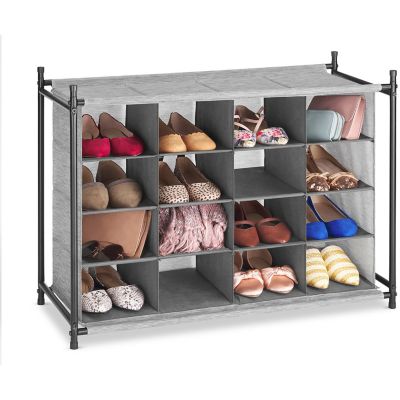
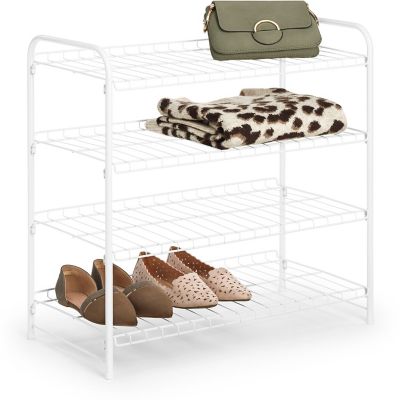
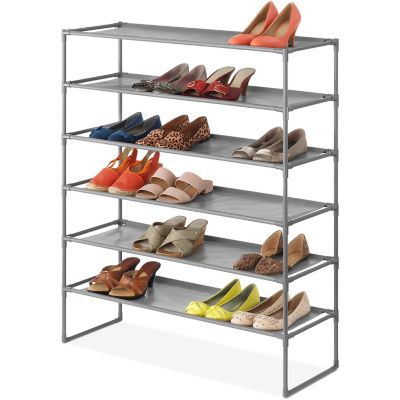
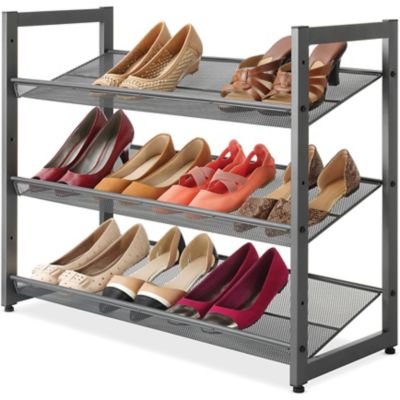
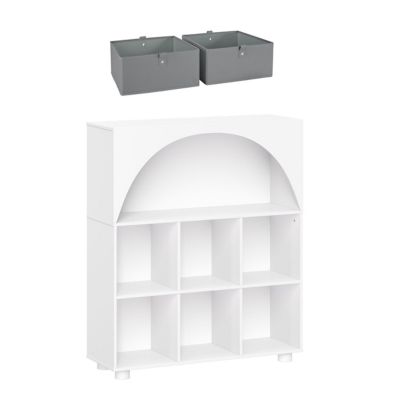
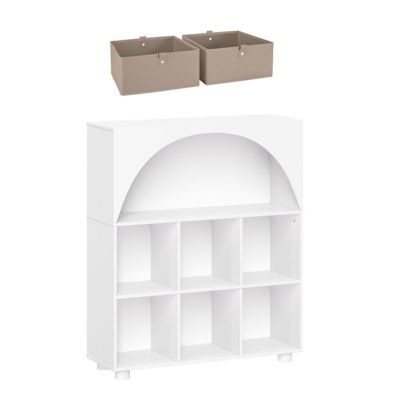
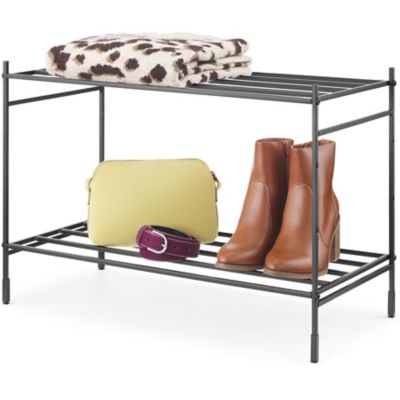
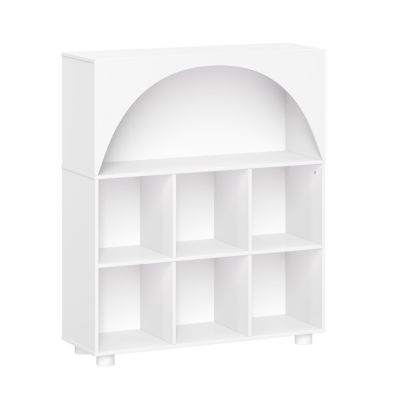
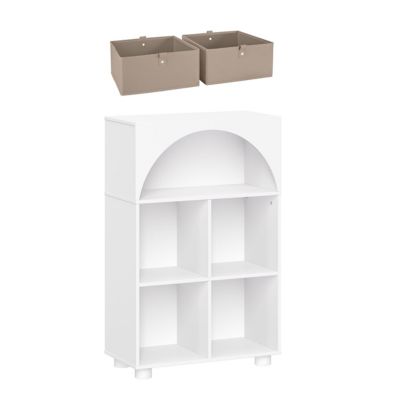
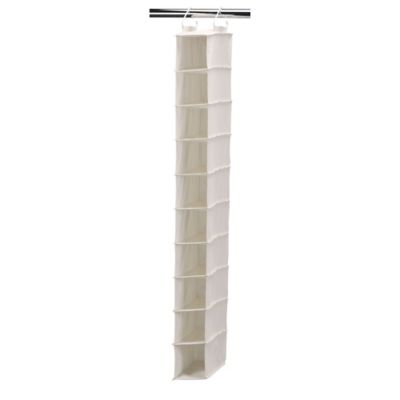
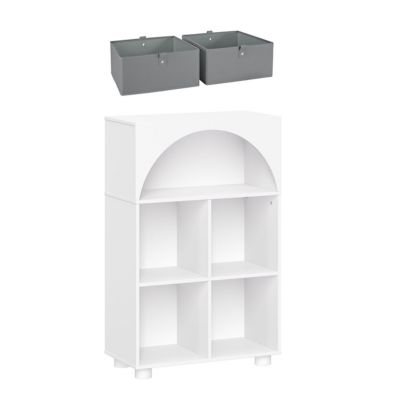
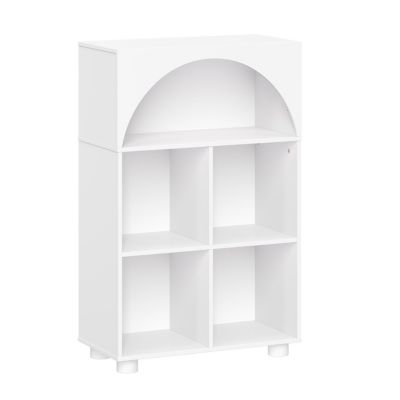
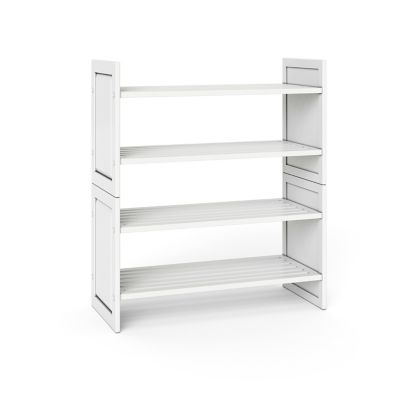
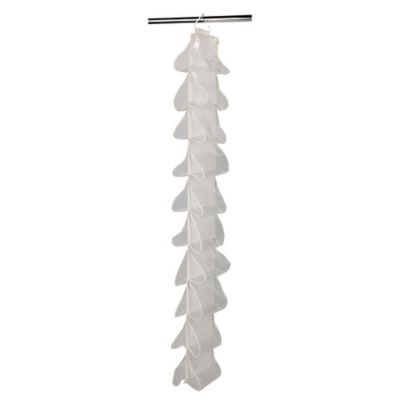
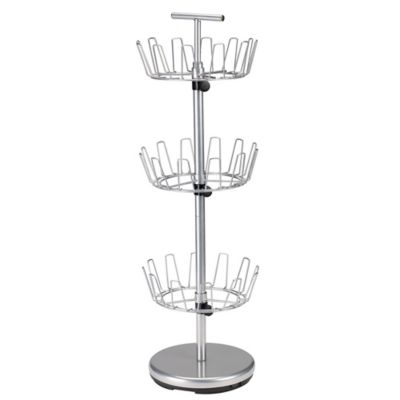
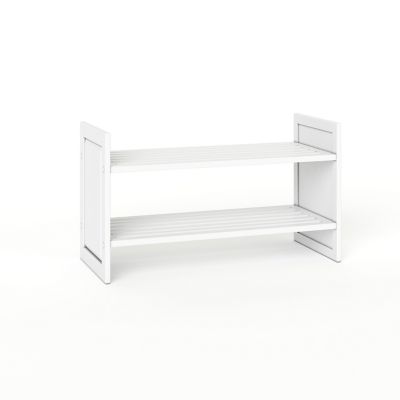
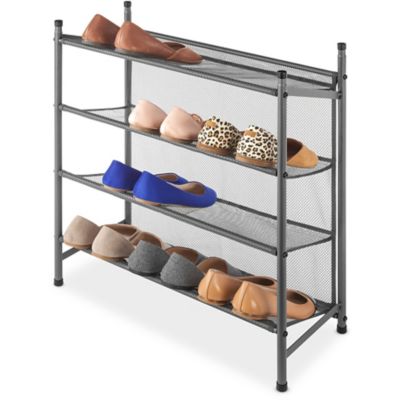
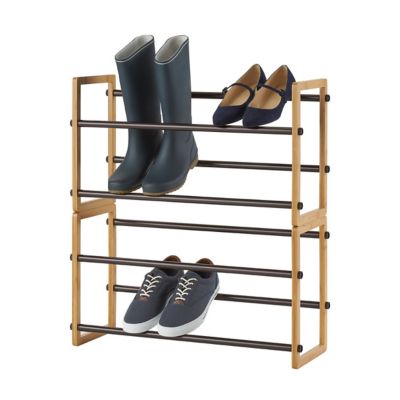
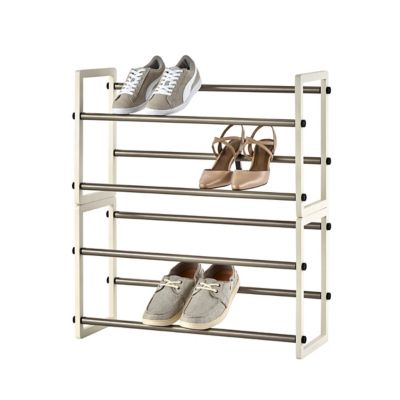
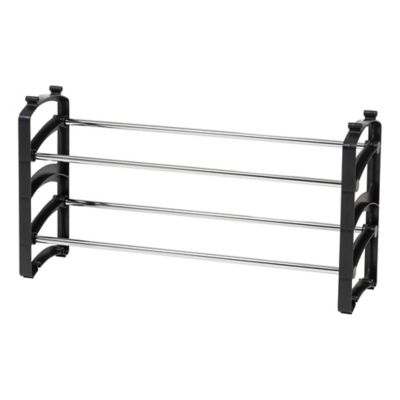
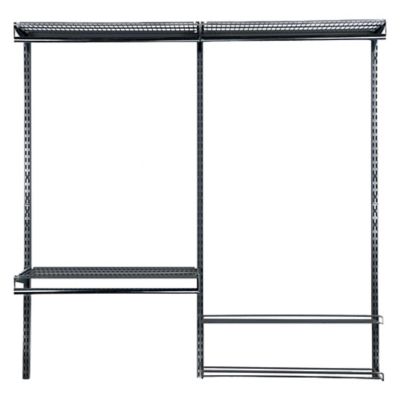
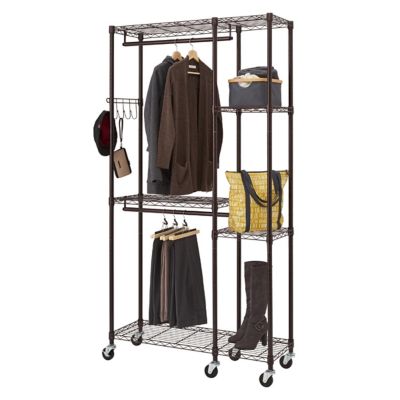
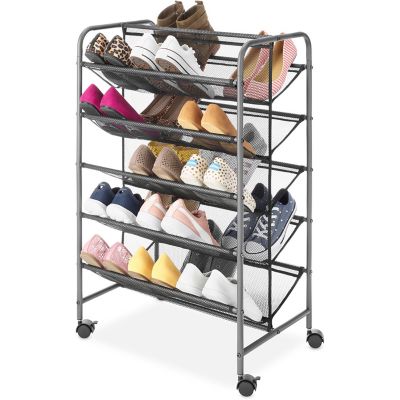
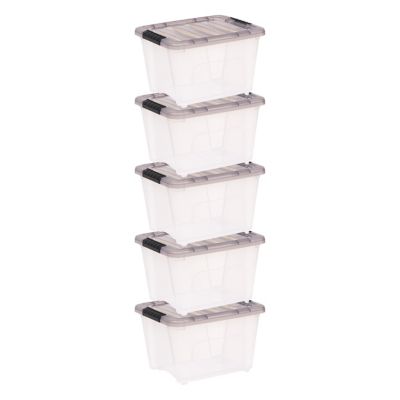
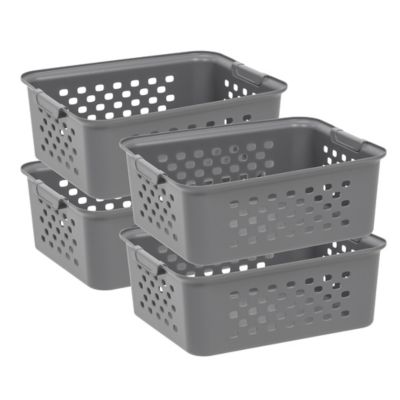
Closet organizers for shoes and purses make it easier to keep everyday essentials close at hand while making better use of the space you already have. A well-organized closet can turn a crowded floor, overstuffed shelf, or jumble of bags into a tidy setup where each pair and purse has a place. These organizers come in a range of styles to fit different storage needs, including hanging shelves, cubby organizers, over-the-door racks, shelf dividers, stackable boxes, and compartments made for handbags. Hanging organizers are handy when floor space is limited, since they use the open area beneath a closet rod for flats, sandals, sneakers, small totes, or lightweight shoes. Over-the-door options can make use of an often-forgotten surface for footwear, clutches, belts, and small accessories without taking up room inside the closet. For shoes that need extra protection from dust, clear drop-front boxes let you see what is inside while keeping pairs neatly stacked. This see-through design can be especially useful when several pairs look similar or when shoes are stored on a higher shelf. Before choosing an organizer, consider the number and types of shoes and purses it will hold, the available width and height, how often each item is used, and whether the closet rod, shelf, or door can support the added weight. Measure the space first, including the depth of shelves and the clearance behind the door, so the organizer fits without blocking clothing or making the closet difficult to open and close.
Different shoes and handbags call for different kinds of storage. Everyday sneakers, work shoes, and favorite crossbody bags are easiest to use when kept at eye level or in an open organizer near the front of the closet. Dress shoes, seasonal footwear, and special-occasion purses can be placed higher up, farther back, or in stackable containers until they are needed. Shelf dividers help keep structured handbags standing upright instead of leaning into one another, while separate compartments can prevent smaller purses from disappearing beneath larger totes. If a bag tends to lose its shape, lightly fill it with clean tissue paper or an air pillow before placing it on a shelf; avoid overfilling, since too much pressure can stretch leather, fabric, or seams. Dust bags can offer another layer of protection for purses and shoes that are not used often. Sort shoes by type, color, or purpose to make the collection easier to scan. Keeping boots together, lining up casual shoes separately from dress styles, or arranging bags by size can cut down on the daily hunt for a matching pair. Clear containers and open cubbies are useful when visibility matters, while fabric organizers can provide a softer, lightweight option for renters, guest rooms, dorm rooms, and closets that need flexible storage. For more ideas on making the most of a compact home, explore
Closet Organization For Apartments. A simple combination often works best: open storage for go-to items, covered storage for pieces that need protection, and vertical organizers for the space that would otherwise sit unused.
Closet shoe and purse organizers can be useful for busy households, students, travelers, new homeowners, and anyone who appreciates a cleaner start to the day. They also make practical gifts for someone setting up a first home, refreshing a bedroom, or preparing for a move. A parent may use hanging compartments to keep children’s shoes paired and off the floor, while a guest room can benefit from a compact organizer that gives visitors a place for sandals, bags, and daily essentials. During warmer weather, organizers can hold sandals, lightweight sneakers, sun hats, and woven bags where they are easy to reach; as the cooler months settle in, the same storage space can be rearranged for boots, heavier footwear, scarves, and larger purses. Look for sturdy stitching, reinforced hanging sections, smooth edges, dependable closures, and materials that are easy to wipe clean. Heavier shoes may need a firm shelf or floor-standing unit rather than a soft hanging pocket, while delicate or structured handbags are usually better supported by wide shelves or upright dividers. Keep heavier items on lower shelves whenever possible, and avoid placing overloaded organizers where they could pull down a closet rod or strain a door. A few minutes spent pairing shoes, emptying old bags, and placing frequently used items within easy reach can make the whole closet feel more manageable. With the right mix of shelves, pockets, boxes, and dividers, even a small closet can hold shoes and purses neatly while keeping favorite pieces visible, protected, and ready for the next outing.