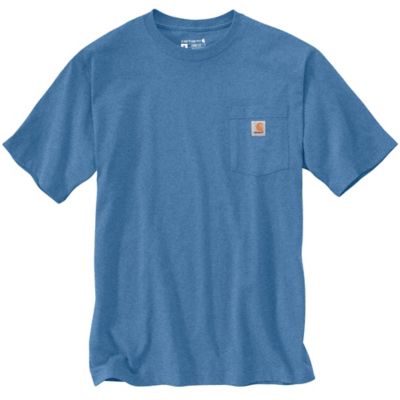
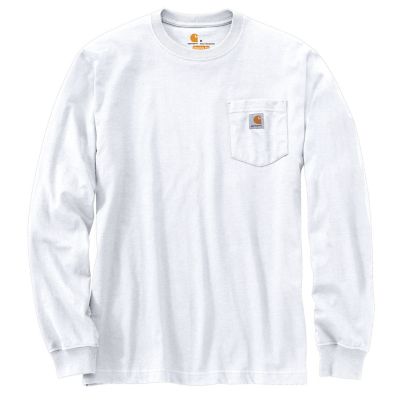
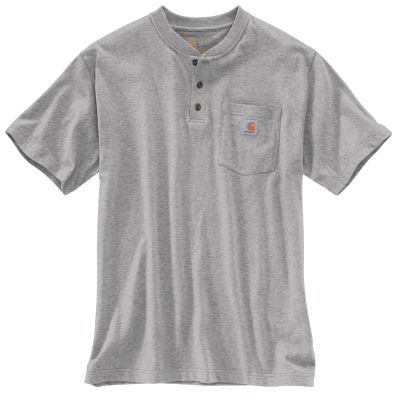
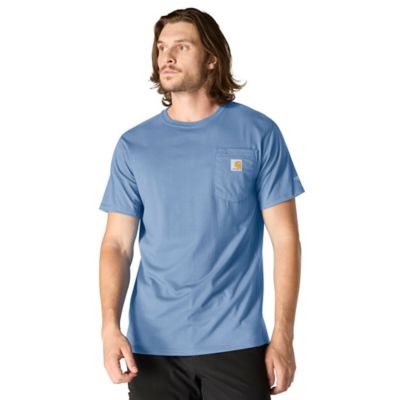
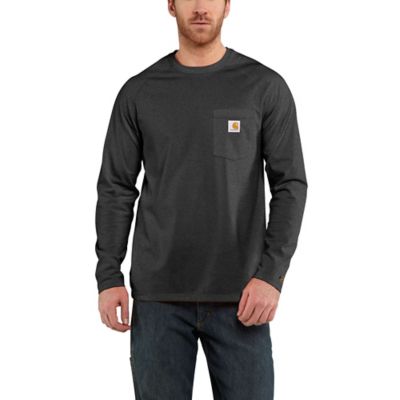
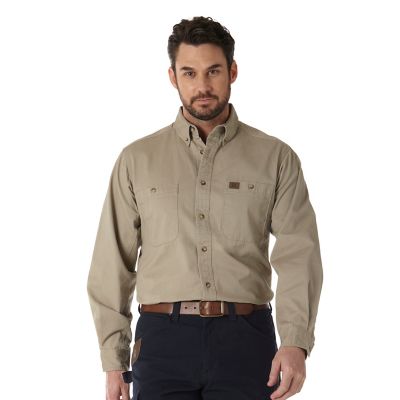
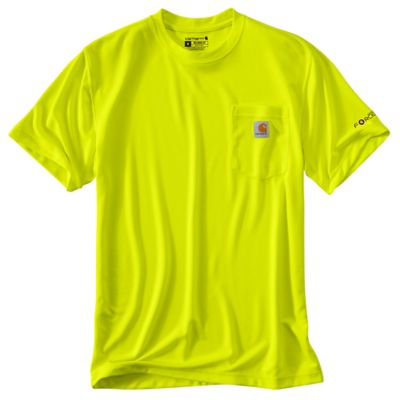
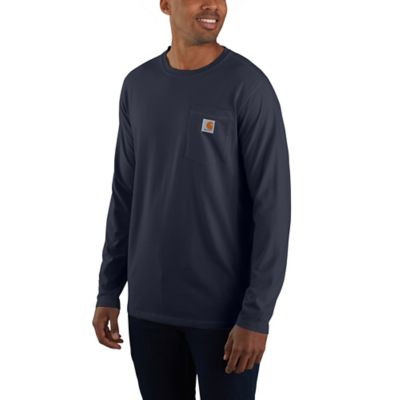
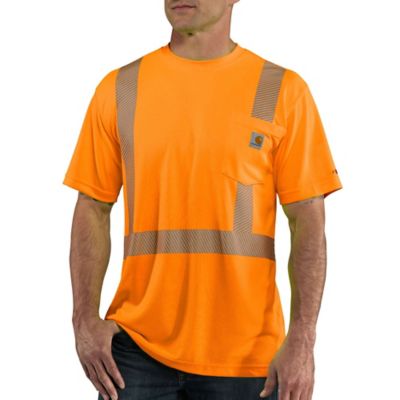
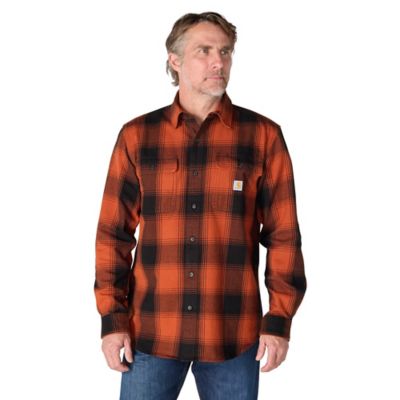
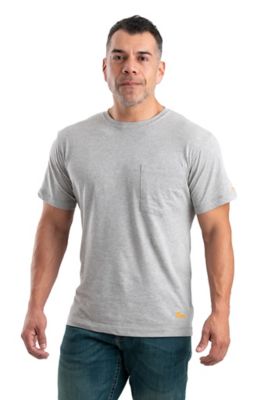
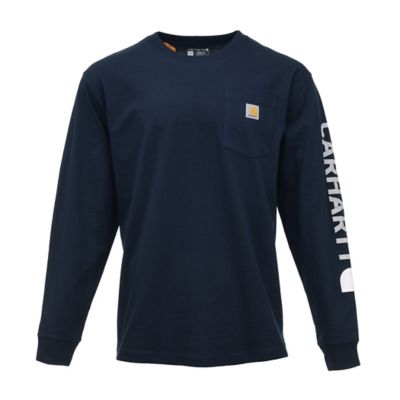
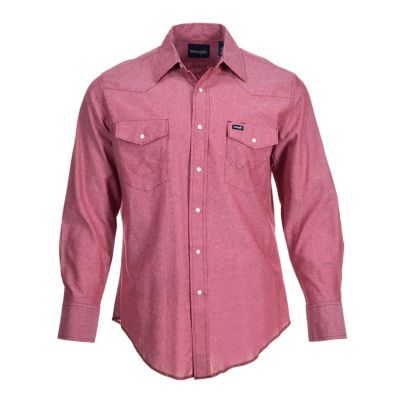
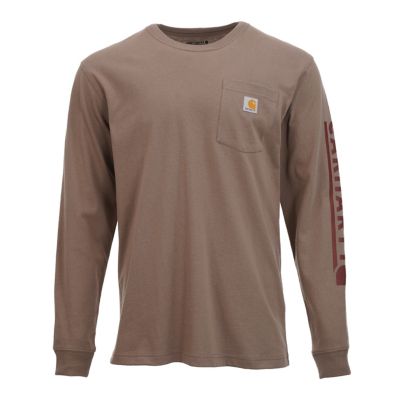
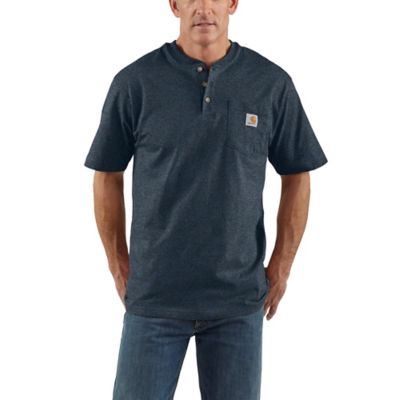
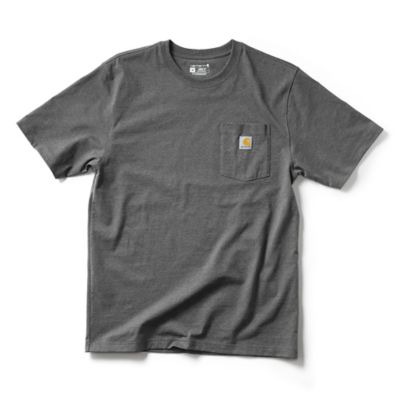
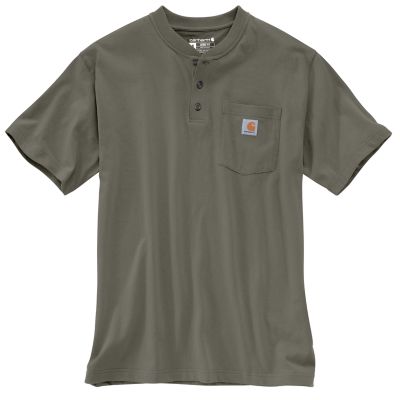
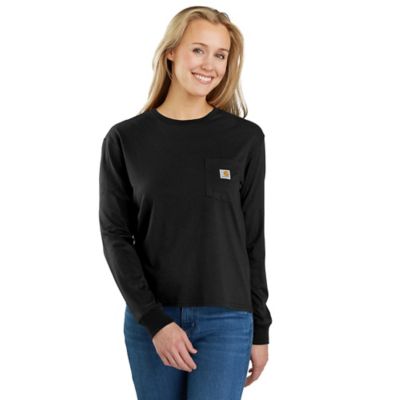
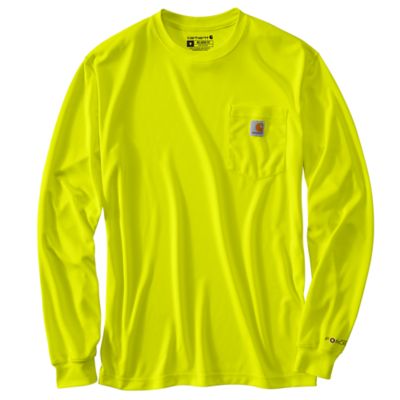
Men’s pocket t-shirts are everyday shirts with a sewn-on chest pocket, combining the easy feel of a tee with a handy spot for small essentials. They fit naturally into life around the farm, the shop, and the house, whether the day involves checking fence lines, picking up feed, or heading into town after chores. A chest pocket can keep a folded note or a pair of glasses close at hand, though lighter contents help keep the fabric from stretching or sagging. The pocket is part of what separates these shirts from plain tees, but fabric makes just as much difference in how they feel throughout the day. Cotton pocket t-shirts have a familiar, soft feel and absorb moisture, making them a common choice for everyday wear. Cotton-polyester blends balance that cotton feel with fibers that generally dry faster and help the shirt hold its shape. Tri-blend fabrics combine three fibers, often cotton, polyester, and rayon, and tend to have a softer drape and a lighter feel. Performance fabrics may offer moisture-wicking properties, which move perspiration away from the skin; those features depend on the fabric and construction rather than the presence of a pocket. Fabric weight matters, too. A heavier knit usually feels more substantial and provides more coverage, while a lighter knit can feel less bulky beneath another shirt. Neither weight tells the whole story about how long a tee will last. Stitching, fabric density, and the way the collar and pocket are finished all play a part. Reinforcement at the upper pocket corners helps support the spots that take strain when something goes in or comes out. Even seams and a neckline that lies flat contribute to a shirt that feels comfortable from the first chore to the last errand. For men who reach for a pocket tee several days a week, those small construction details can matter more than a bold graphic or a bright color.
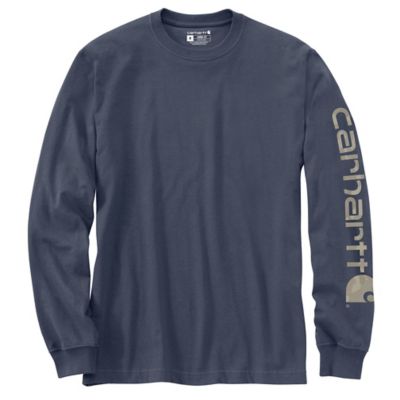
Fit changes how a pocket t-shirt works during a full day of bending, reaching, and moving around. A relaxed fit offers extra room through the chest and waist, while a closer fit keeps excess fabric to a minimum. The best match leaves enough space to move without pulling across the shoulders or bunching under the arms. Someone lifting feed sacks or reaching across a workbench may appreciate room through the upper body, but a shirt that hangs too loosely can get in the way. Around moving machinery, a pocket tee is everyday clothing, not protective equipment, and workplace clothing requirements still apply. Shirt length deserves a little attention as well. A longer body can stay tucked when reaching overhead, while a shorter cut may sit more neatly when worn untucked with jeans. Tall sizing, when part of a shirt’s design, generally adds body length and may change sleeve proportions; it is different from simply moving up a size, which also adds width. Size charts and garment measurements give a better sense of that difference than the size letter alone. Shoulder seams, sleeve openings, and the neckline all affect comfort, especially when a tee sits beneath an overshirt or work jacket. Short sleeves keep the arms free, while long-sleeve pocket t-shirts provide additional coverage without changing the basic pull-on style. A crewneck gives the shirt its familiar shape, and a ribbed collar can help the neckline retain that shape through repeated wear. The pocket’s position also affects everyday usefulness: it should sit comfortably on the chest rather than pull toward the underarm. For a man who carries glasses between the truck and the barn, a pocket opening that is easy to reach may be especially helpful. Small, lightweight belongings make more sense there than a heavy phone or a bundle of tools. Keeping the pocket’s job simple lets the shirt remain what it is meant to be: comfortable clothing with a little extra convenience.
Pocket t-shirts for men also earn their place away from work. A solid-color tee pairs easily with jeans, work pants, or shorts, and a straightforward chest pocket adds a practical detail without making the shirt feel dressed up. Neutral colors are easy to rotate through an everyday wardrobe, while brighter shades offer another way to suit someone’s personal taste. Darker fabrics may make some marks less noticeable, but no color takes the place of regular care. Following the garment’s care label is the best starting point because cotton, blends, prints, and performance finishes can have different washing needs. Cotton may shrink, particularly with higher drying heat, and repeated overdrying can be hard on both fabric and collars. Washing with similar colors, treating stains promptly, and choosing the recommended drying setting help preserve the shirt’s fit and appearance. Emptying the chest pocket before laundry prevents a forgotten pen or folded receipt from making a mess. Pocket corners and seams are worth checking after repeated wear, since catching a loose thread early can help keep a small issue from spreading. A tee that spends its days against rough lumber or beneath a tool belt faces different wear than one worn for trips into town, so intended use matters alongside softness and fit. These shirts can also make a practical gift for a dad, brother, husband, or friend who favors simple clothes and spends plenty of time getting things done. Matching the recipient’s usual fit, preferred fabric weight, and go-to colors makes the gift easier to work into his regular rotation. For another everyday pocket-shirt option in the household,
Shirts With Pockets for Women brings the same practical detail to a separate clothing category. From morning chores to a seat on the porch after the work is finished, a well-fitting pocket tee keeps things simple: familiar comfort, room to move, and a small place to keep something close.