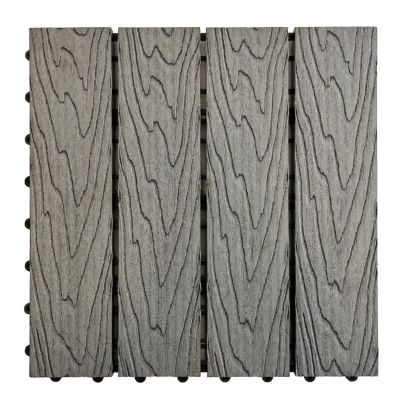
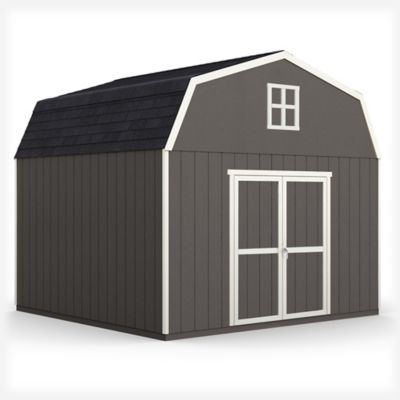
Getting your shed floor just right makes all the difference when it comes to keeping your tools, equipment, and supplies protected year-round. Folks around here know sheds aren’t just for storage—they’re workshops, feed rooms, potting sheds, and sometimes even a quiet place to escape for a few minutes of peace. Choosing the best flooring for outdoor shed setups depends a lot on what you plan to keep inside, the climate you’re dealing with, and how much foot traffic or heavy equipment will be rolling across those boards. This time of year, with winter moisture hanging around and spring mud just around the corner, it’s smart to think about moisture resistance and durability. Pressure-treated plywood is a classic choice for shed flooring, especially if you’re looking for something sturdy that stands up to the elements. Folks who work on tractors or store feed bags know that double layers of thick plywood can take a beating and keep on going. If you’re after something more permanent, a concrete slab makes for a solid, level base that’ll handle anything from ATVs to wood splitters, and it’s easy to sweep clean after a muddy day.
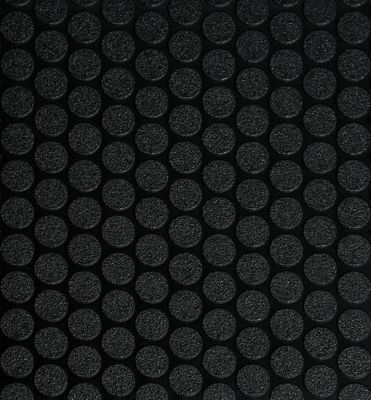
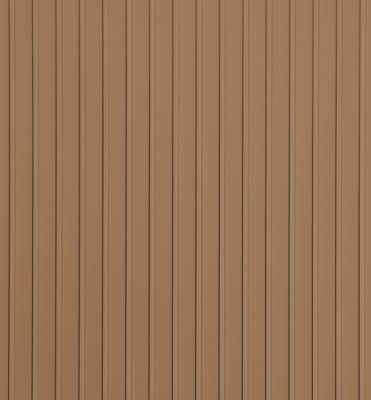
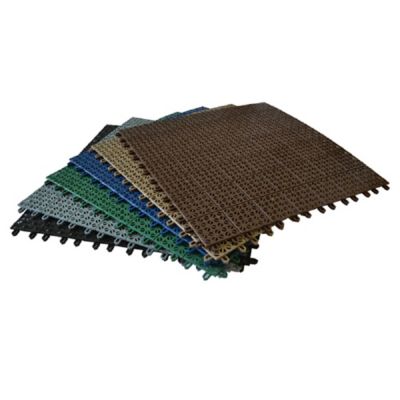
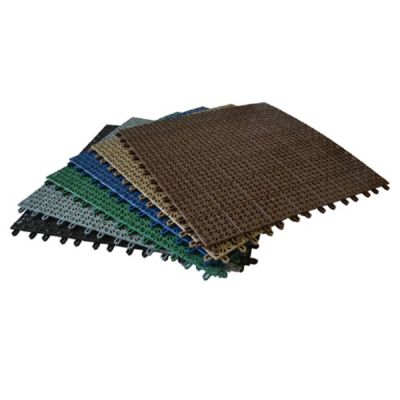
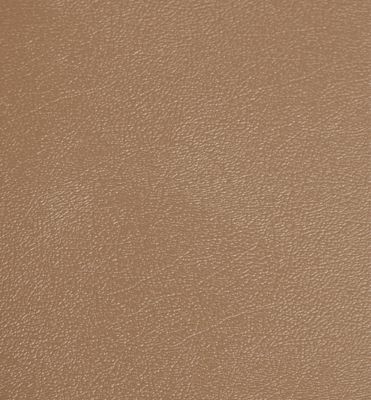
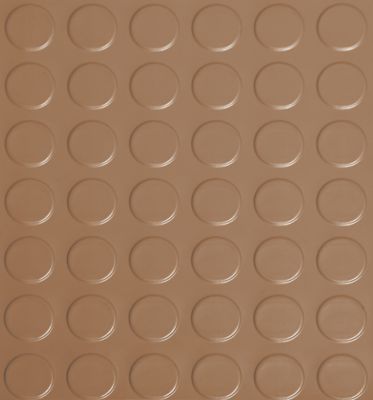
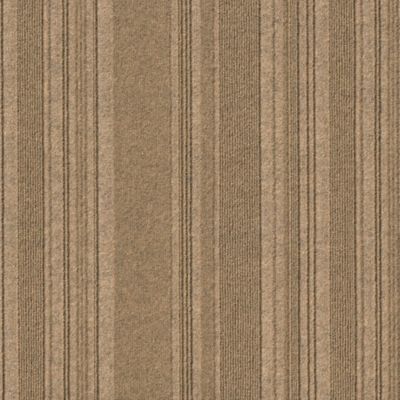
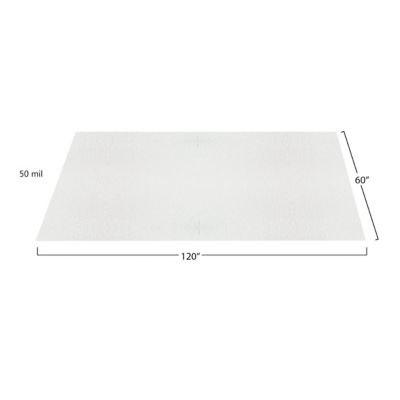
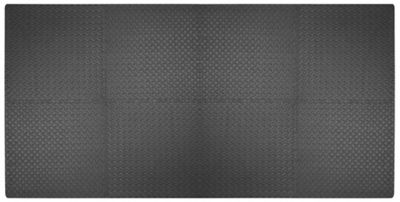
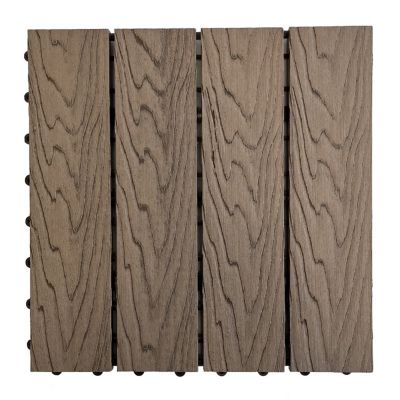
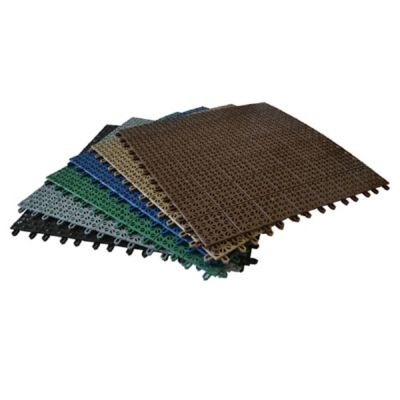
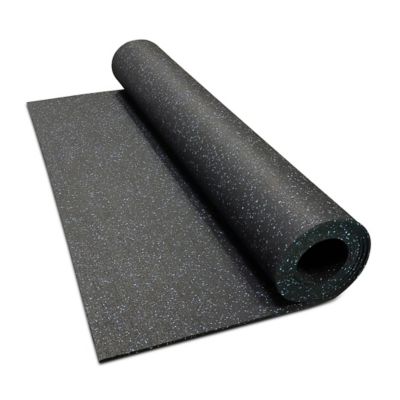
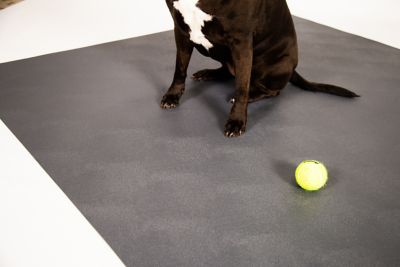
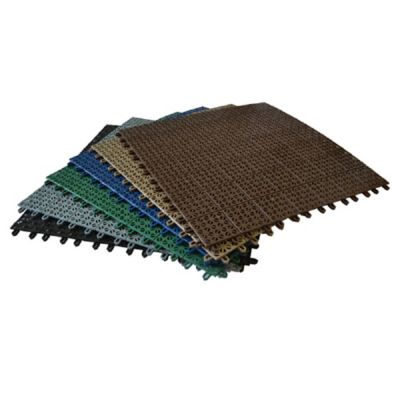
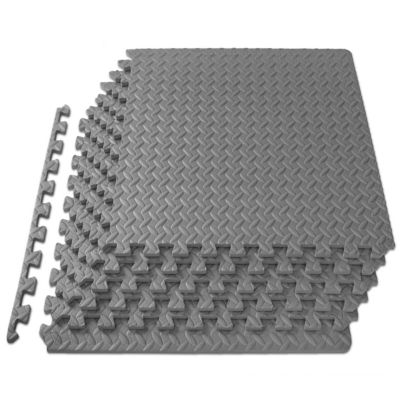
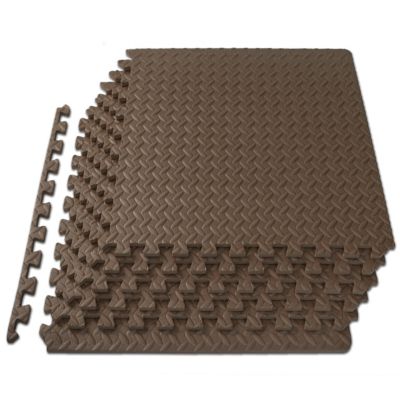
For those who want a little more comfort underfoot or need to protect their shed floor from spills, chemical drips, or pet messes, there are plenty of shed floor covering options to consider. Vinyl flooring for shed use is a favorite for its water resistance and simple cleanup—just hose it down or wipe it up, and you’re good as new. Interlocking tiles and rubber mats are popular with folks who like to keep things tidy and want an easy DIY project. These options are especially handy in damp climates or if you’re storing things that shouldn’t sit on bare wood or concrete. If you’re outfitting a garden shed, a potting bench area, or a spot for the dogs, roll-out vinyl or rubber mats keep dirt and moisture at bay while adding a layer of cushion for your knees and feet. And if you’re curious about options that can handle heavy loads and resist slipping, it’s worth checking out
Rubber Flooring for more inspiration. Sheds can get chilly and damp in February, so adding a layer of insulation or a moisture barrier beneath your floor for shed projects will go a long way toward keeping things dry and extending the life of your investment.
Shed flooring isn’t just a practical upgrade—it can make a thoughtful gift for anyone setting up a new workshop, organizing a tack room, or even fixing up a backyard retreat. Folks who spend a lot of time in their sheds, whether it’s tinkering with engines, woodworking, or just keeping livestock feed dry, will appreciate a floor that’s tough, easy to clean, and able to stand up to whatever the season throws at it. When choosing a shed floor covering, think about what’s going to be stored, how much weight needs to be supported, and how easy you want it to be to keep clean. From basic plywood for budget-friendly builds to premium vinyl or thick rubber mats for high-traffic areas, there’s a solution for every need and budget. No matter if you’re building a new shed from scratch or looking to upgrade an old favorite, investing in the right shed flooring now means less hassle and more time enjoying your space all year long.