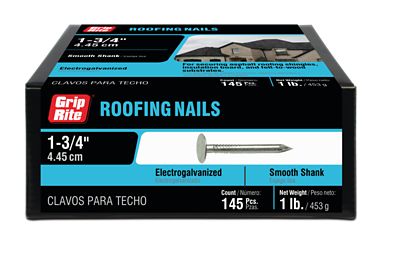
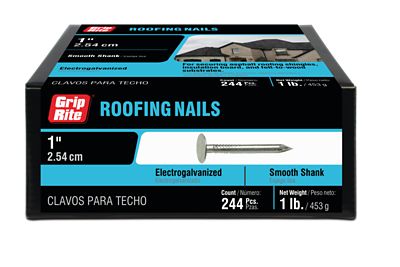
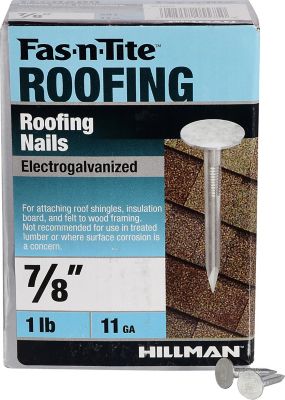
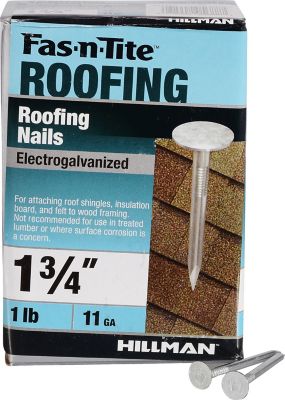
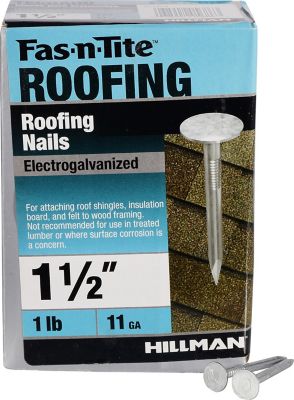
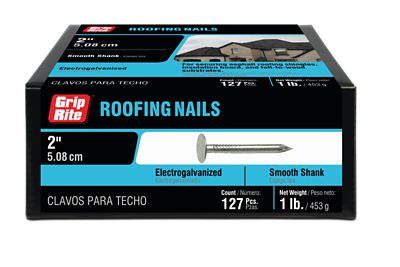
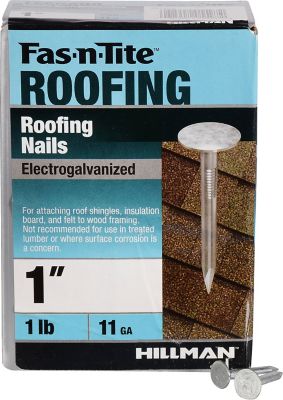
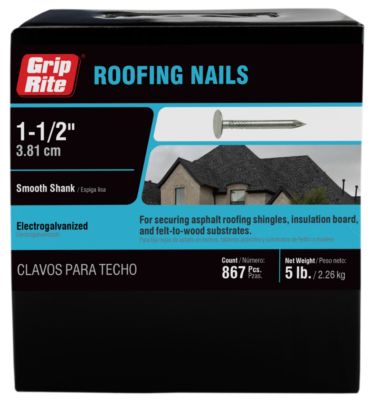
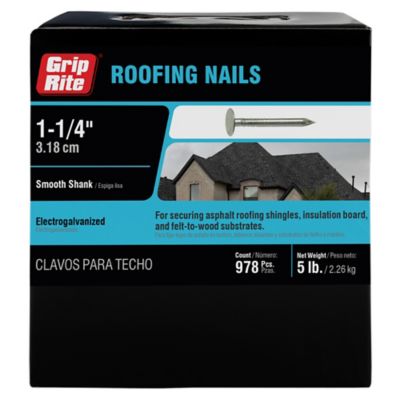
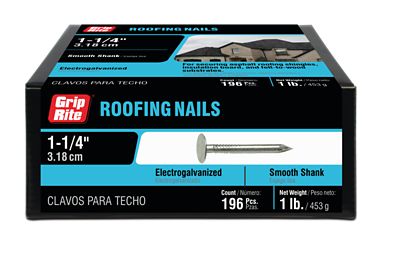
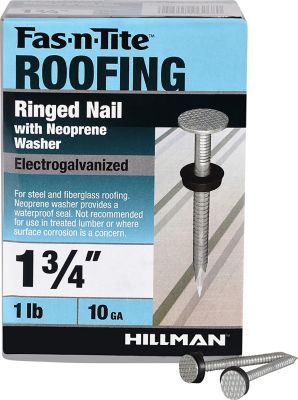
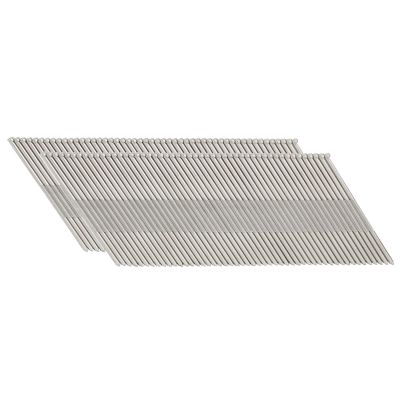
Galvanized steel roofing nails are made for outdoor work where ordinary fasteners may not hold up to rain, humidity, snow, and changing temperatures. Each nail starts with a steel core and receives a zinc coating that helps guard against rust and corrosion, making it a practical choice for roofing repairs, new roof installation, outbuildings, barns, sheds, chicken coops, workshops, and other projects around the homestead. These nails are commonly used to secure asphalt shingles, roofing felt, synthetic underlayment, flashing, and related roofing materials to a wood roof deck. When shopping, start by matching the nail to the roofing material and the thickness of the materials being fastened. A nail needs to pass through the shingle or underlayment and sink far enough into the roof deck to hold securely without poking through the underside. For many standard asphalt shingle installations, a 1-1/4-inch nail is a common starting point, while thicker shingles, layered repairs, or heavier roofing materials may call for a longer fastener. Always follow the roofing material manufacturer’s instructions and local building requirements, since recommended lengths and placement can vary. For more information on fasteners used with common shingle projects, visit
Roofing Nails For Asphalt Shingles. A little attention to nail length before climbing onto the roof can save a return trip to the store and help prevent loose shingles later.
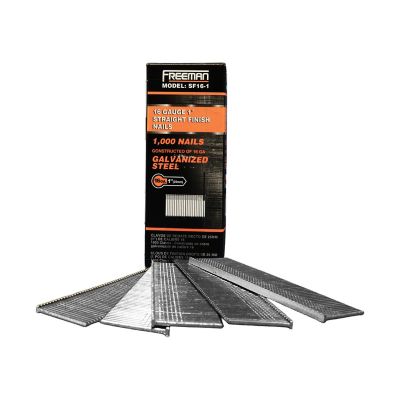
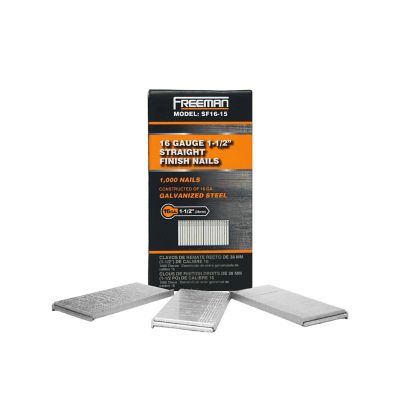
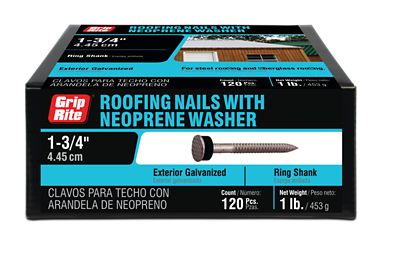
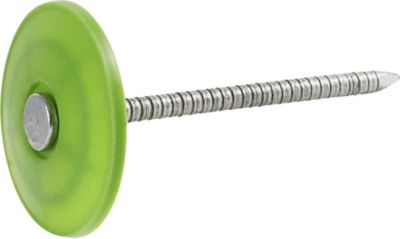
The type of galvanizing also matters, especially on a roof that will face the weather for years. Electro-galvanized nails have a thinner zinc coating and can be a fit for indoor work, sheltered repairs, or projects with limited moisture exposure. Hot-dipped galvanized nails receive a thicker zinc coating by passing the steel through molten zinc, giving them stronger resistance for exterior roofing exposed to rain, damp air, and seasonal weather. For a home, barn, or shed roof where long-term outdoor performance is important, hot-dipped galvanized fasteners are often the more dependable choice. Nail design affects holding power as well. Smooth-shank nails drive quickly and are easy to work with during routine repairs, while ring-shank nails have ridges along the shaft that grip the wood and resist backing out under wind, vibration, and repeated expansion and contraction. In a windy area or on a roof that sees rough weather, the added holding strength of a ring shank can be worth considering. The nail head is important, too. Roofing nails typically have a broad, flat head that helps spread pressure across the shingle rather than pulling through it. Avoid substituting narrow finish nails or general-purpose fasteners that do not have the right head size, coating, or holding power. Copper or aluminum roofing components may require a compatible fastener to avoid corrosion caused by contact between unlike metals, so check the roofing system’s recommendations before mixing materials.
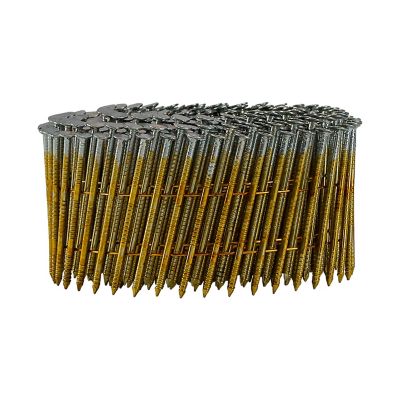
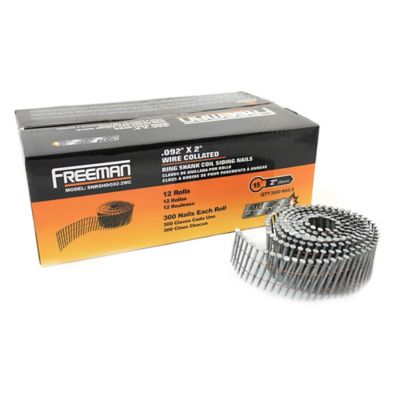
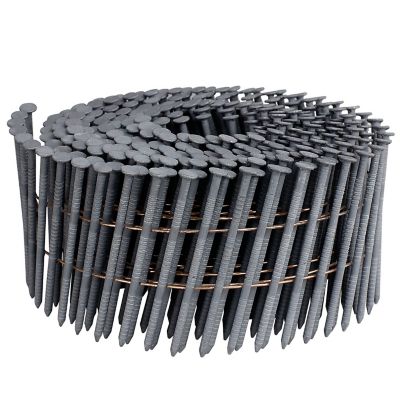
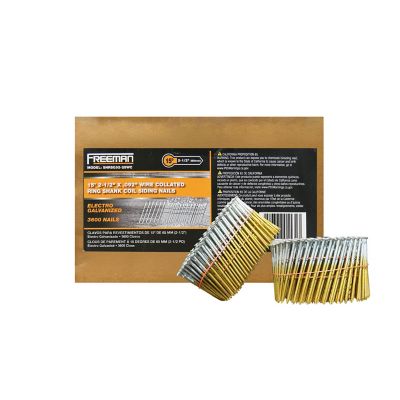
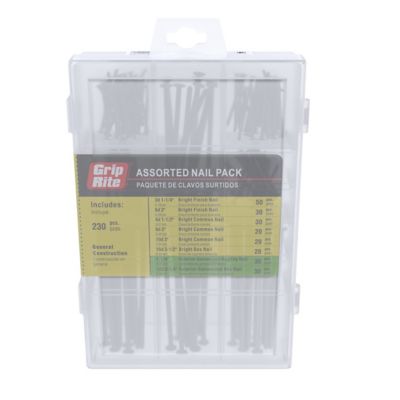
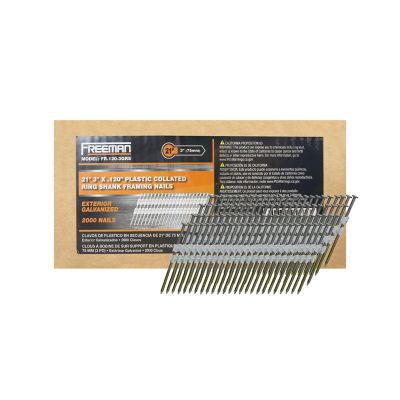
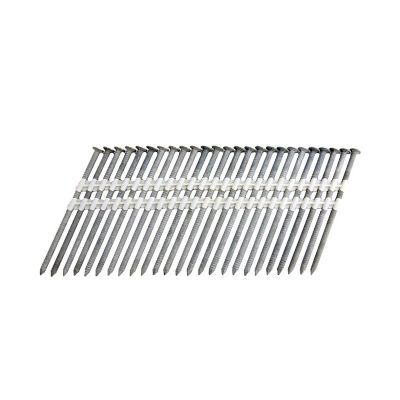
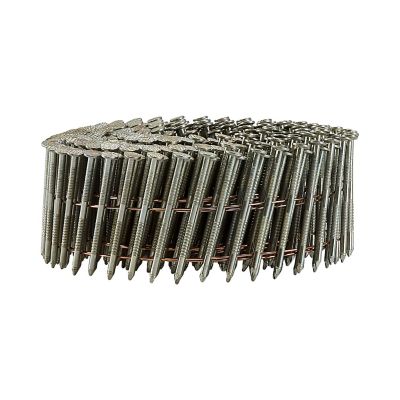
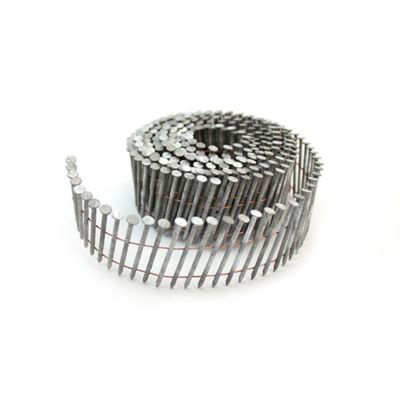
Galvanized steel roofing nails come in hand-drive packages for small repairs and bulk or collated formats for larger jobs. Hand-drive nails are handy when replacing a few shingles, repairing a shed, or keeping a small supply in the barn toolbox. Collated nails are arranged for use with compatible pneumatic coil roofing nailers, helping crews move steadily across a roof while reducing the time spent reaching for individual fasteners. Before buying a collated option, confirm the nailer’s required angle, collation style, shank diameter, and length. Many roofing nailers use a 15- or 16-degree coil configuration, but tool specifications should be checked rather than guessed. A nail gun can speed up installation, but it still needs the right depth setting. Overdriving can crush the shingle surface or drive the head below the proper level, while underdriving may leave the nail exposed and keep the shingle from lying flat. Hand-driven nails should be placed straight and set flush, not buried into the shingle. Keep fasteners in a dry spot until they are needed, and inspect them for damaged coating, bent shafts, or deformed heads before use. Anyone tackling roof work should use a stable ladder, slip-resistant footwear, fall protection where appropriate, and a helper on the ground. Cooler, damp conditions can make roof surfaces slick, while strong sun can soften asphalt shingles and make them easier to damage, so take the weather into account and work at a safe pace. These nails are a useful addition for homeowners, landlords, farmers, contractors, and do-it-yourselfers who handle their own maintenance. They can also make a practical gift for someone setting up a workshop, maintaining a hunting cabin, or taking on a shed or barn renovation, especially when paired with other basic roofing and repair supplies. With the right coating, length, shank style, and installation method, galvanized steel roofing nails help keep roofing materials firmly in place through changing conditions and the cooler months ahead.