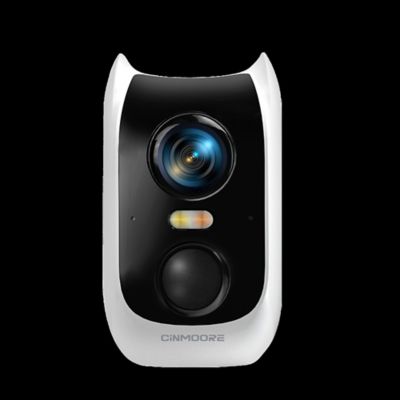
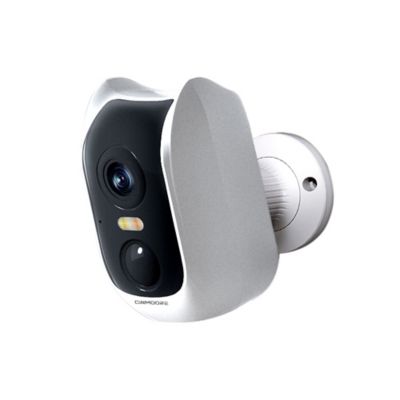
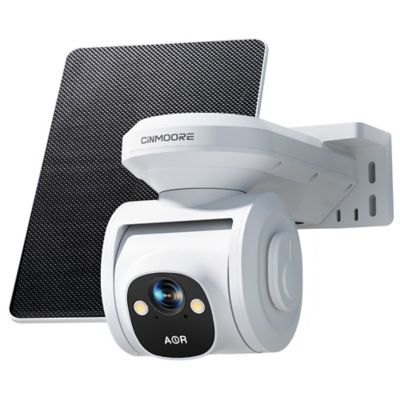
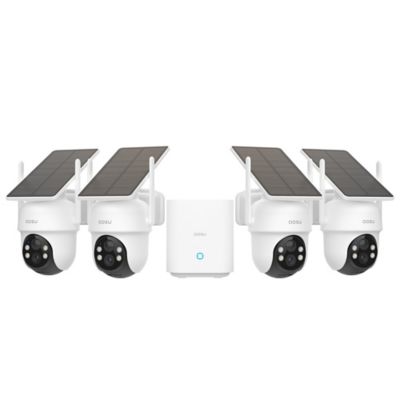
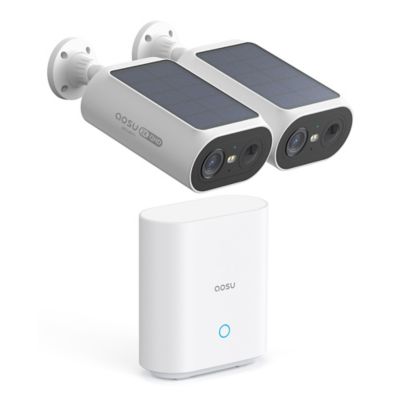
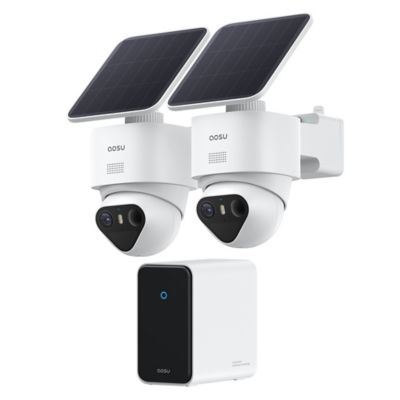
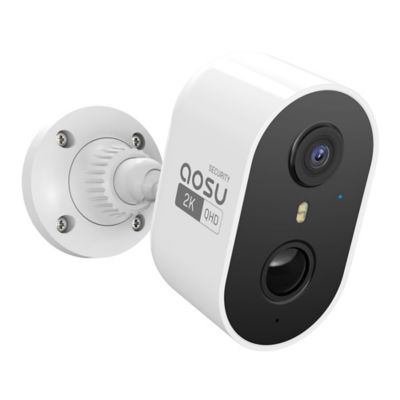
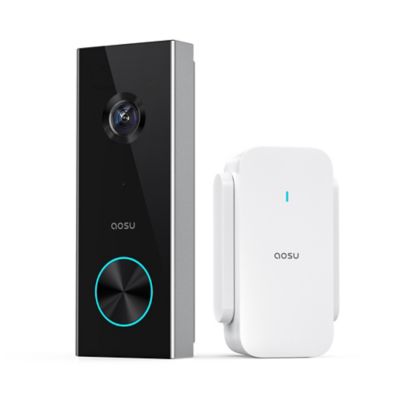
A security camera for a small business helps keep an eye on the places where work happens, from a front counter and stockroom doorway to a repair bay or loading area. For a feed store, farm office, neighborhood shop, or equipment repair business, the right setup depends on the layout, the activity being recorded, and how footage will be reviewed. An entrance camera can show who came through the door, while a separate view of the register or pickup counter can add context when a transaction or delivery needs another look. Wide-angle lenses cover more floor space, making them useful for open sales areas, but that broader view can make distant faces appear smaller. A narrower view is often a better match for a doorway, gate, or other defined checkpoint. Dome, turret, and bullet-style camera housings offer different mounting profiles and aiming options, so the camera’s shape matters alongside its recording features. Image resolution is another consideration: 2K and 4K cameras can capture more detail than lower-resolution options, though resolution alone does not determine whether a face or label will be readable. Lens choice, mounting distance, lighting, motion, and recording settings all affect the result. Optical zoom changes the lens view to bring a subject closer, while digital zoom enlarges part of an existing image and cannot restore detail that was never captured. Wide dynamic range can help balance a bright doorway against a dimmer interior, a common challenge in shops with large front windows or open service bays. Infrared night vision supports recording in darkness, while color night recording generally depends on sufficient ambient light or a camera’s built-in illumination. For a business owner checking an overnight delivery or a manager reviewing a closing routine, a well-framed view of the activity often matters more than a broad picture of the entire property.
Wired and wireless security camera systems suit different business spaces, and the distinction involves both the network connection and the power source. Power over Ethernet, often called PoE, carries power and data through a compatible Ethernet cable to each camera. That arrangement can make sense for a business planning several fixed camera positions, especially when cable routes are accessible and continuous recording is a priority. A network video recorder, or NVR, stores footage from compatible network cameras and provides a central place to manage recordings. Wi-Fi cameras send video over a wireless network, which can simplify placement where running a data cable would be difficult. Many still need a nearby power outlet; wireless does not automatically mean battery-powered. Battery-operated cameras offer more placement flexibility, but recording behavior, recharge needs, and supported features vary by model. A busy entrance with frequent motion creates different demands than a quiet storage room, so the expected activity matters when considering battery operation and motion-triggered recording. Network strength matters, too. Metal shelving, masonry walls, and distance from an access point can interfere with a Wi-Fi connection, while several high-resolution cameras can place a substantial load on a business network. Local storage may be handled by a recorder or compatible memory card, and cloud storage keeps supported recordings off-site. Remote viewing is a separate feature to confirm, since local recording does not automatically include access from a phone away from the property. Recording capacity depends on more than drive size: camera count, resolution, frame rate, compression, and the choice between continuous and event-based recording all affect how much footage can be retained. Continuous recording preserves the time between motion events, while event recording focuses storage on detected activity. Systems that support pre-event recording can also include moments before an alert. For a shop manager investigating a missing delivery, a searchable timeline and straightforward clip export can be just as useful as the live view.
The physical fit of a small business security camera system deserves the same attention as its software. Aluminum and polycarbonate housings are common, with enclosure construction, mounting hardware, and impact resistance helping determine where a camera belongs. A low-profile housing may fit neatly above a sales counter, while an adjustable bracket can help aim a camera along a narrow aisle or across a work area. Secure attachment to a suitable mounting surface helps keep the picture steady, and protected cable runs reduce snagging around carts, tools, and stored equipment. In a working shop, fine dust and airborne residue can collect on a lens cover, so care should follow the manufacturer’s cleaning directions. Gentle cleaning with the recommended materials helps preserve a clear view without scratching the cover or damaging seals. Placement also affects everyday performance: shelving, stacked cartons, raised bay doors, and parked equipment can block a camera that once had a clear sightline. For a business with a separate workspace or vehicle bay,
Security Camera for Garage offers another relevant setting to consider alongside the main business space. Person and vehicle detection can help sort meaningful activity from general motion, while activity zones allow supported cameras to concentrate alerts on an entrance, aisle, or gate. These features can reduce unnecessary notifications, but they do not eliminate missed events or false alerts. Two-way audio can support a conversation with a delivery driver, although background machinery and microphone placement affect how well speech carries. Audio recording also calls for attention to applicable consent and workplace privacy rules. Clear account permissions let owners and managers share only the access each person needs, and strong passwords, multifactor authentication where supported, and software updates help protect remote connections. Cameras work best as one part of a broader security setup that includes sound locks, controlled access, and clear opening and closing routines. The goal is useful coverage of daily business activity, with footage that is easy to find when a delivery, doorway visit, or after-hours event needs a closer look.