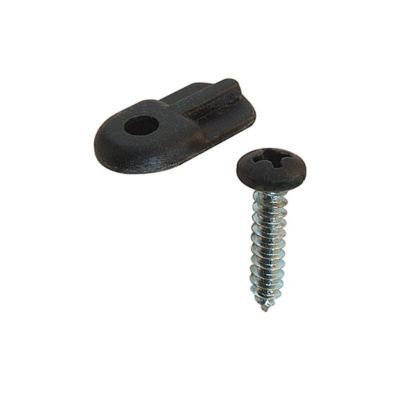
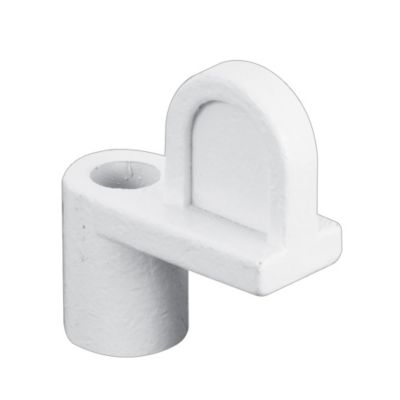
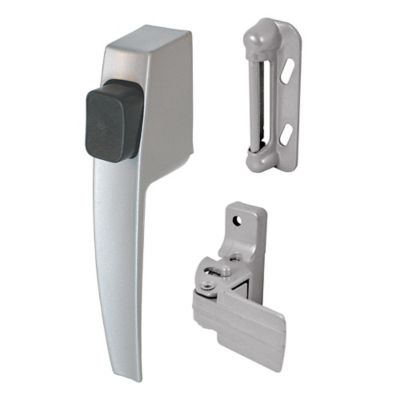
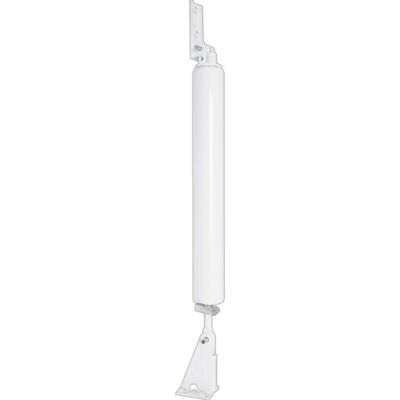
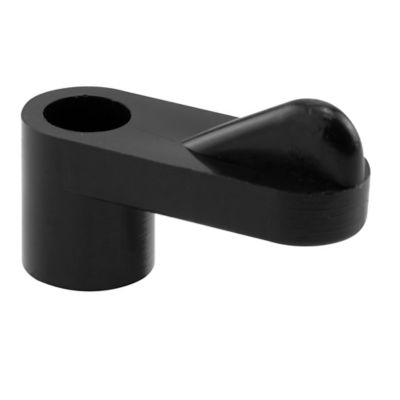
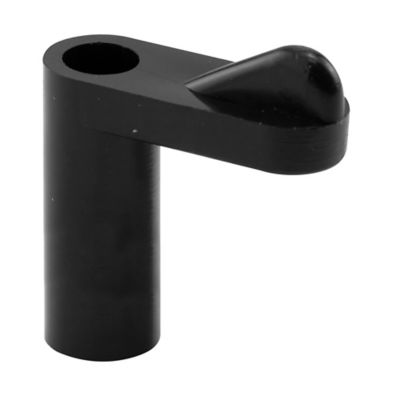
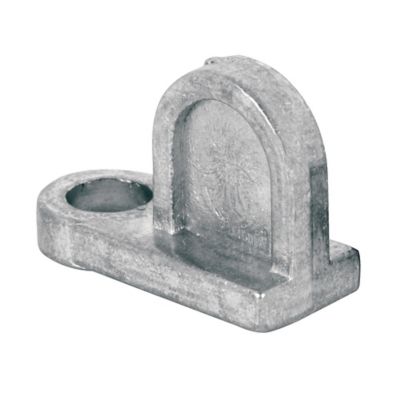
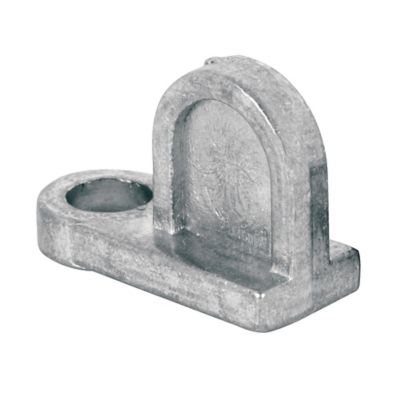
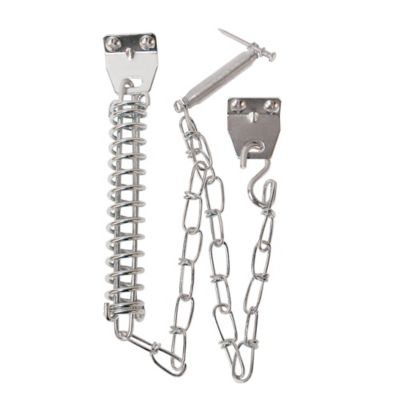
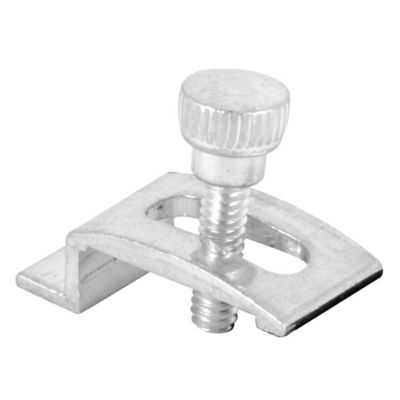
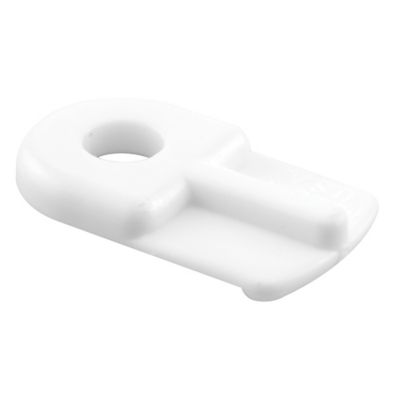
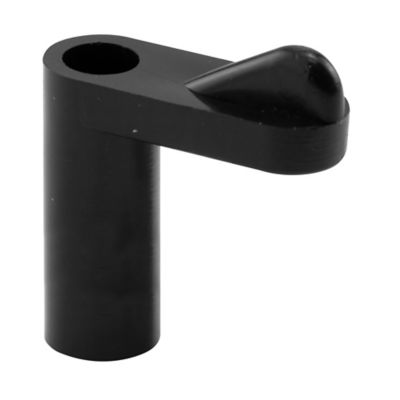
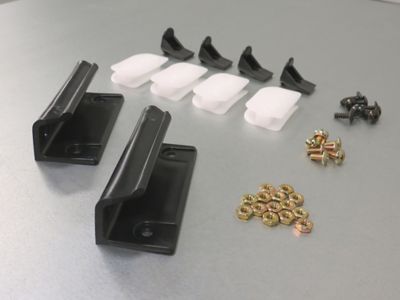
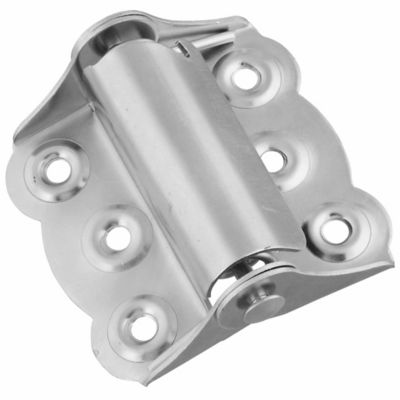
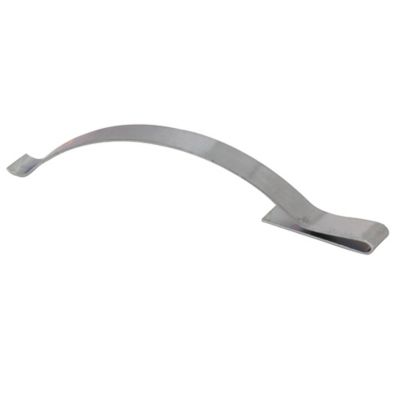
Storm door clips are small but important pieces of door hardware that help hold glass and screen inserts securely against the inside of a storm door frame. When the clips are missing, cracked, bent, or no longer gripping the panel, an insert may rattle in the wind, shift when the door closes, or leave an opening around the edge. Replacing the clips can be a simple way to freshen up an older storm door without replacing the whole door or frame. They’re useful for homeowners, landlords, maintenance crews, and anyone working on a farmhouse, workshop, rental property, or back entry. During the warmer part of the year, a securely held screen panel lets fresh air move through the house while helping keep bugs and debris outside. As the weather turns cooler, the same door may be fitted with a glass insert for added protection from wind and drafts. Keeping the right clips on hand makes those seasonal panel changes less of a chore, especially when an old fastener gives out while the door is already apart. Storm door clips also pair well with other replacement hardware, including
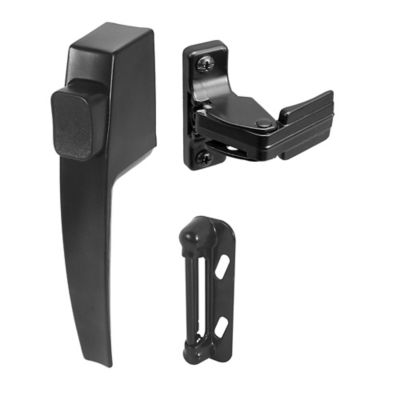
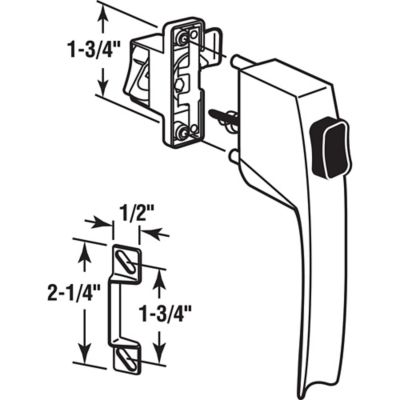
Storm Door Hinges, handles, retainers, and weather seals, when an entry door needs a little routine upkeep.
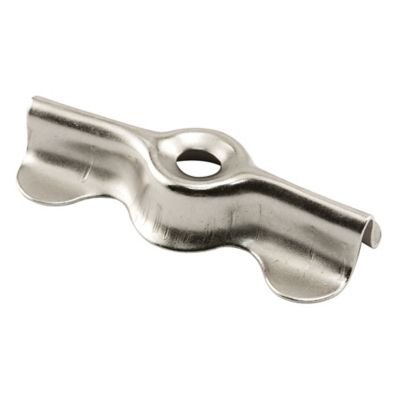
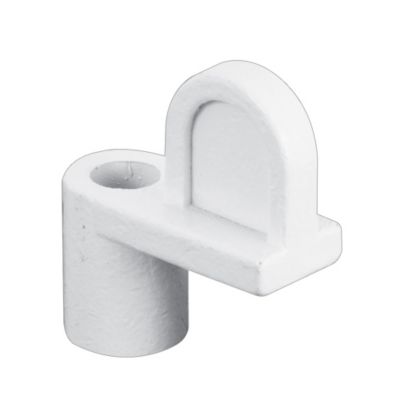
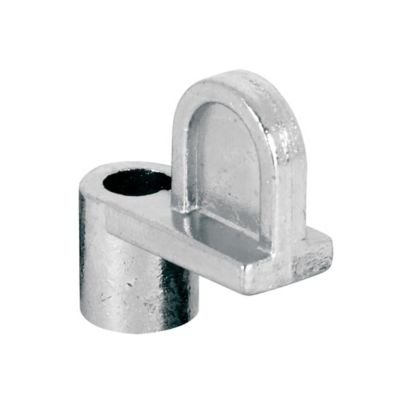
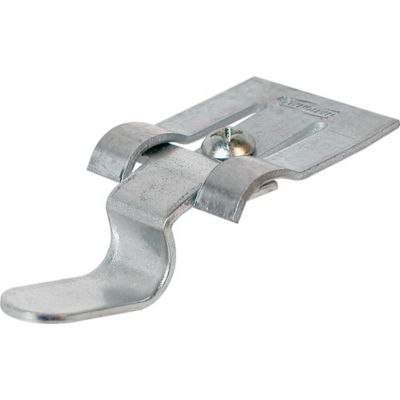
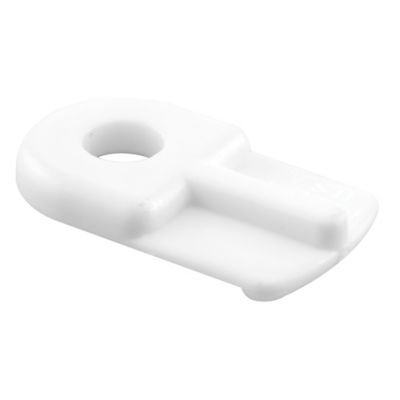
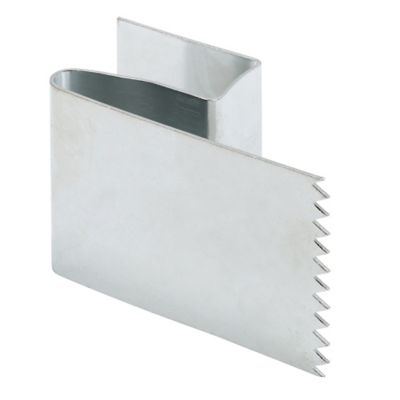
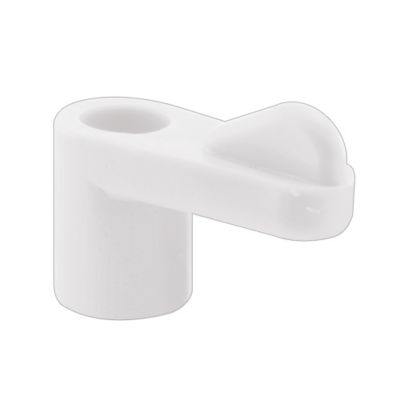
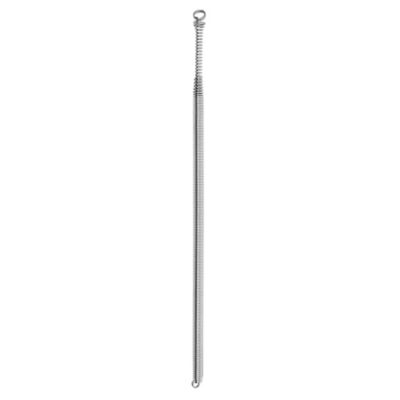
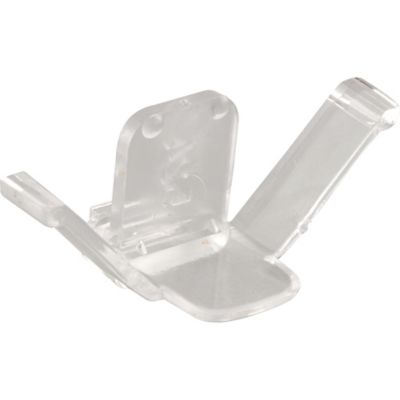
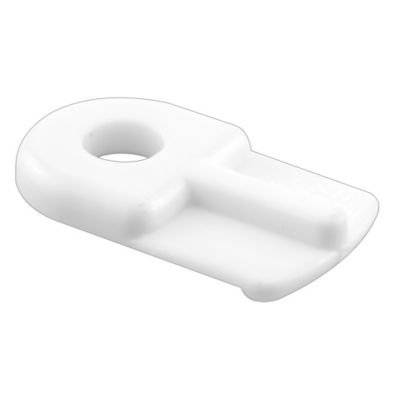
The best replacement clip depends on the door frame, the insert, and the way the original hardware attaches. Before ordering, remove one existing clip if possible and check its overall shape, mounting hole, screw style, and offset. The offset is the distance the clip reaches outward from the mounting surface to hold the glass or screen panel in place, and matching that measurement is one of the most important steps. A clip that does not reach far enough may not secure the insert, while one that extends too far can press against the panel or interfere with the frame. Measure from the screw or mounting surface to the point where the clip contacts the insert, and compare that measurement with the replacement options. It also helps to note the thickness and style of the storm door insert, since a light screen frame may use different hardware than a heavier glass panel. Clear plastic or acrylic clips are a practical choice when a low-profile appearance matters and you want the hardware to blend into the frame. They can be a good fit for everyday screen and light panel use, though old plastic can become brittle after years of sun and temperature changes. Aluminum clips offer a sturdy option for doors that see frequent use or hold heavier glass inserts. Some metal styles use a thumb screw or machine screw, while self-locking or tension-style clips are made for quick panel changes and a snug hold on the door’s existing tabs. Replacement sets can be especially handy when several clips are worn at once, since mixing old and new hardware may leave uneven pressure around the panel.
A careful installation helps protect both the new clips and the storm door. Work on a stable surface when removing a glass or screen insert, and have another person help support larger panels so they do not twist or drop. Keep the panel seated evenly in the frame before fastening the clips, then tighten each screw just enough to hold the insert firmly. Over-tightening can crack plastic, strip a screw hole, bend an aluminum clip, or put unwanted pressure on the glass. If the clip uses a spring or tension action, make sure it moves freely and returns to its holding position instead of forcing it past its normal range. Check that the door opens and closes without rubbing, and listen for loose rattling after the panel is installed. A quick inspection around the full perimeter can reveal a clip that is the wrong offset or a frame tab that needs attention. Storm door clips make a thoughtful practical gift for a new homeowner, a family member fixing up an older house, or anyone who enjoys keeping a place in good working order. They take up little storage space in a tool drawer and can save a trip to the hardware store when a screen or glass insert needs to be changed before a stretch of windy weather. With the right size, material, and mounting style, these modest fasteners help a storm door do its job through changing seasons, muddy boots, open windows, cold gusts, and the everyday wear that comes with a busy home.