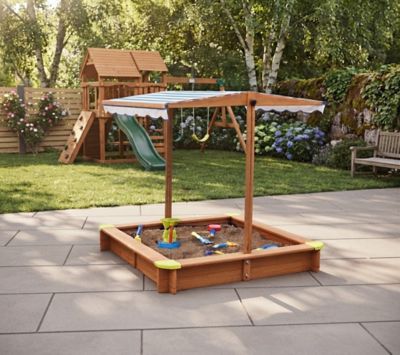
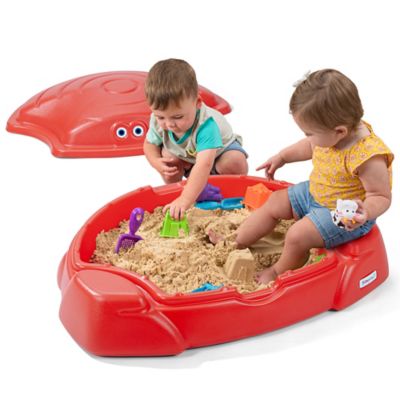
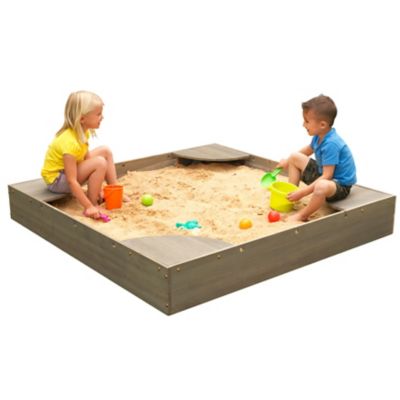
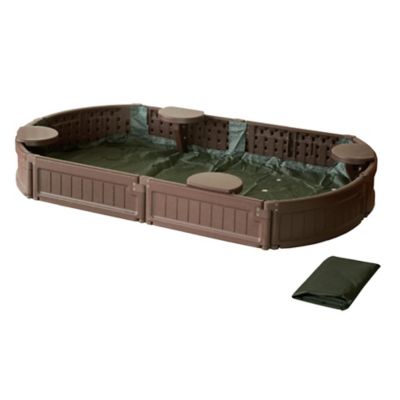
Sandbox covers help keep leaves, twigs, animal waste and other outdoor debris out of play sand when the sandbox is not in use. Solid covers can also help limit rain entering the box, while mesh covers allow water to pass through and mainly keep out larger debris. That difference matters for a backyard play area, a childcare setting or a sandbox beside the porch where kids gather with buckets and shovels. The right cover depends on the sandbox’s shape, its surroundings and how the cover attaches to the frame. A box beneath a tree has different needs than one in an open play yard, and a sandbox with corner seats needs a different fit than a plain rectangular frame. Common cover materials include polyethylene, polyester fabric, mesh and rigid plastic, each with a different balance of weight, flexibility and upkeep. Coated fabrics can help shed water, but the fabric, seams and overall construction all affect how well moisture stays out. Mesh offers airflow and may be easier to handle across a broad opening, though fine particles and water can still pass through. Rigid lids hold their shape and may suit sandboxes built with a matching lip or attachment system. Flexible covers fold into a smaller space, making them practical where storage is tight or one adult handles opening and closing. Resistance to tearing, abrasion and sunlight also matters, especially where a cover rubs against the same corners each time it goes on. Reinforced edges and well-supported attachment points help spread pulling forces rather than concentrating them on a thin patch of material. For families with pets or frequent visits from neighborhood cats, a close-fitting cover adds a useful barrier between animals and the sand. It does not make a sandbox pest-proof, but it can reduce opportunities for animals to enter when the play area is closed.
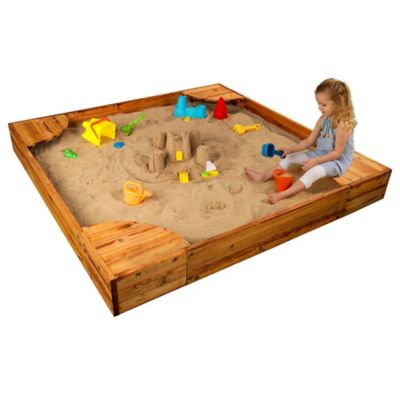
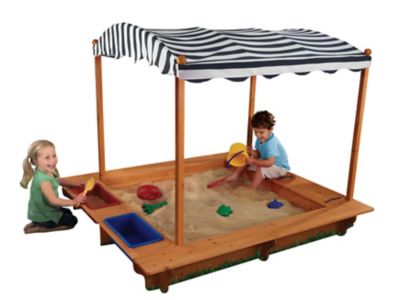
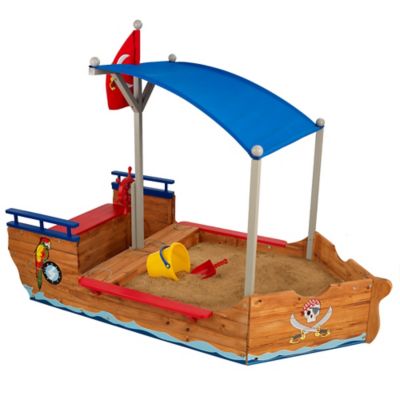
A sandbox cover needs to match the outside dimensions and attachment layout of the box, not just the size of the sand-filled opening. Raised seats, wide rails, rounded corners and posts can change how a cover rests and where its edges land. Rectangular, square, round and other shapes are not interchangeable simply because their measurements seem close. With a flexible cover, enough overlap helps the edges reach their fastening points without stretching the material tight across a corner. Too much loose fabric, however, can leave folds that collect debris or create openings along the sides. A rigid lid generally needs a closer match to the frame so it sits as intended without rocking or leaving gaps. The listed dimensions and compatibility details are especially important for sandboxes with built-in benches or hinged sections. Attachment styles may include elastic edging, straps, buckles, ties or fasteners that connect to the sandbox frame. Elastic edges can make everyday handling straightforward, while adjustable straps provide room to manage tension where the design allows it. Grommets and reinforced tabs need suitable anchor points; pulling them toward an awkward location can strain the surrounding fabric. A well-matched fastening system helps keep the cover in place without relying on loose bricks, rocks or other heavy objects around a children’s play space. For solid flexible covers, the support arrangement matters, too. Water can gather in a low spot, adding weight and making removal harder, so any raised support or drainage feature needs to follow the cover maker’s directions. A water-shedding surface is only part of the setup; the slope, seams and fit also influence where water goes. Ease of handling deserves as much attention as the material itself. A cover that one adult can secure comfortably is a better match for a frequently opened sandbox than a cumbersome setup that takes extra hands. For a large play area, manageable sections or a purpose-built folding design may make opening, closing and storage less of a chore.
Regular care helps a sandbox cover keep doing its job without bringing collected dirt back into the play space. Smooth surfaces are generally easier to wipe down, while textured fabrics, mesh and stitched edges may hold small bits of leaf litter or grit. Cleaning methods depend on the material and coating, so the maker’s care directions are the best starting point for washing, rinsing and drying. Harsh cleaners and stiff scrubbing can damage some finishes or fibers. Letting a washed cover dry before folding it away helps limit trapped moisture and musty smells. The sand itself also needs attention: a cover is not a substitute for checking the play area, removing debris or addressing animal contamination. Sand containing animal waste should be kept off-limits until the affected material has been removed and the area is safe for play. Damp sand benefits from a chance to dry rather than staying shut beneath a solid cover indefinitely. Around the edges, occasional checks can reveal fraying, cracked fasteners, stretched elastic or a small tear before the opening gets larger. Worn attachment points can affect fit even when most of the cover still looks sound. Between play sessions, nearby storage can help keep the setup tidy;
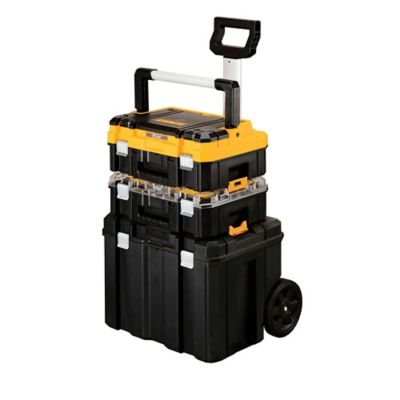
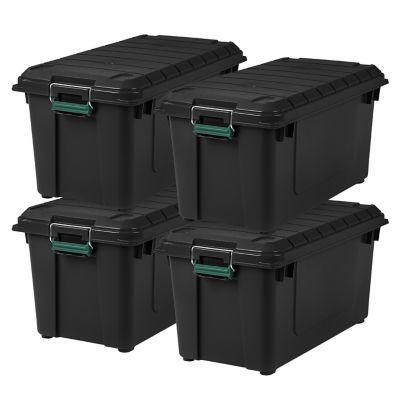
Black Containers offer a separate place to gather scoops, molds and small pails instead of leaving them scattered beneath the cover. Toys and other objects should not prop up a cover unless the design specifically calls for that arrangement. Before play begins, the cover needs to come off completely, with straps, cords and hardware secured away from children. A sandbox cover is not a walking surface or a safety barrier, and children and pets should never climb, sit or stand on it. With the right fit, sensible fastening and routine care, a cover makes it easier to keep a familiar backyard play spot ready for another round of digging, hauling and building.