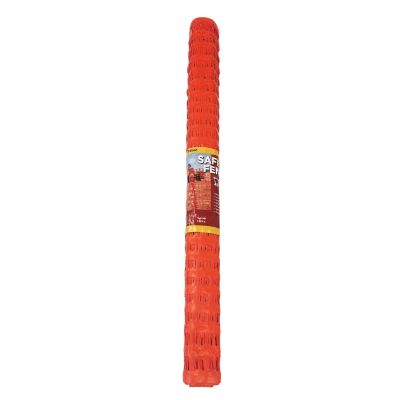
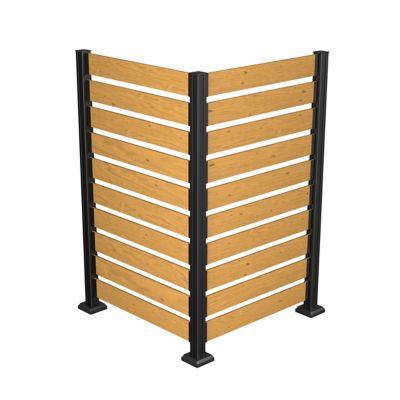
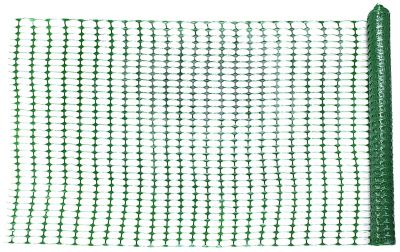
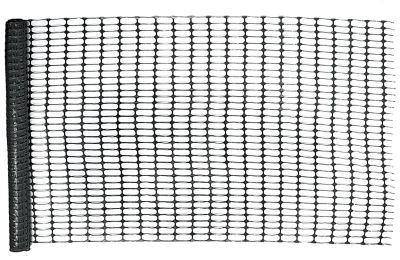
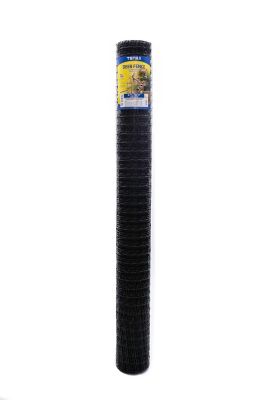
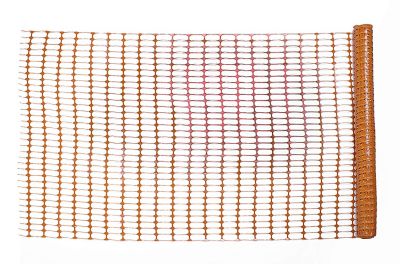
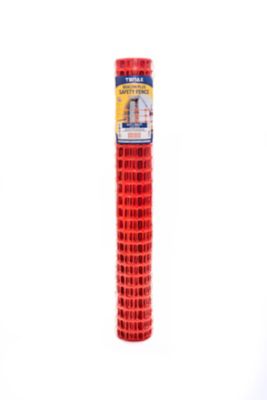
Pool safety fences are barriers designed to help prevent unsupervised access to a swimming pool by young children and pets. A properly selected and installed fence adds a layer of protection between the water and the places where everyday life happens, whether that is the back porch, a play area or the path from the driveway. Four-sided isolation fencing surrounds the pool separately from the house and the rest of the yard, helping keep an open back door from becoming a direct route to the water. Many pool barrier rules call for a fence at least 4 feet high, though some locations require greater height or additional features. Local building codes, pool regulations and any applicable property requirements determine the right specifications for a particular setting. Height is only part of the picture: openings, ground clearance, climbing opportunities and gate hardware all affect how a barrier performs. A fence can look substantial from across the yard yet still leave a gap beneath a panel or a foothold beside a latch. Pool safety gates generally need to swing away from the pool and close and latch on their own, with hardware positioned and protected according to applicable requirements. That matters when someone walks through with an armful of towels or a child follows an older sibling toward the pool. Homeowners, grandparents and people responsible for rental properties may all have different layouts to work around, but the purpose stays the same: controlling access without depending on someone remembering to shut a gate every time. Pet needs deserve separate attention, too. A small dog may fit through an opening that stops a larger animal, while a determined jumper may need a different enclosure design. No fence makes a pool childproof or replaces close, active adult supervision. Its role is to add protection alongside other measures, not to make unattended access safe. Even households without young children can benefit from a barrier that accounts for visiting families and neighboring pets.
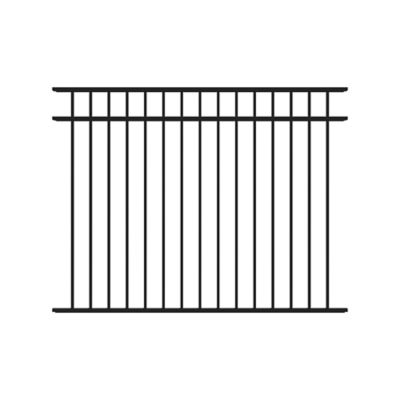
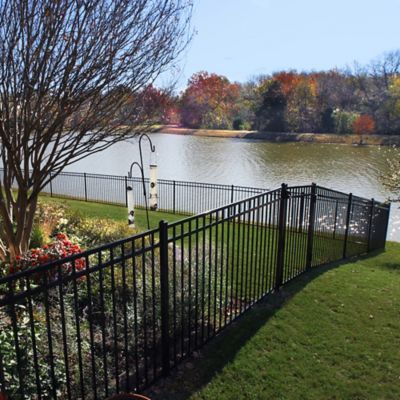
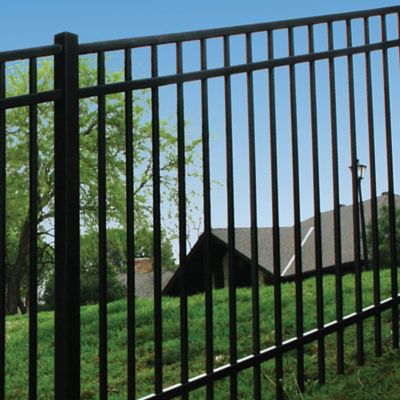
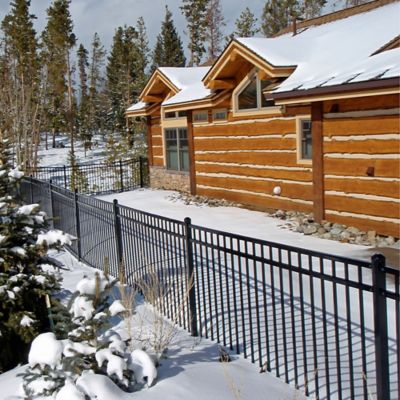
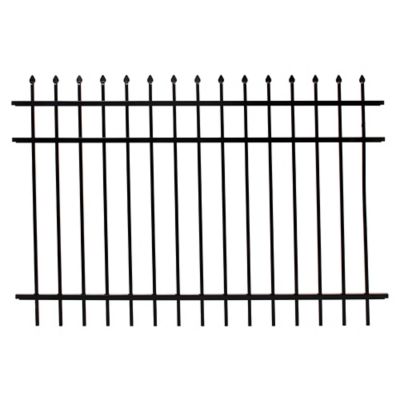
Pool fencing materials affect visibility, upkeep and the way an enclosure fits into a property. Tensioned mesh systems commonly combine closely woven fabric with support poles and deck-mounted sleeves. Their open appearance can help preserve sightlines between a seating area and the pool, although visibility through any material depends on its construction, color and surroundings. Mesh needs consistent tension and secure attachment; loose fabric, damaged seams or a poorly seated pole can compromise the enclosure. Aluminum fencing offers a rigid framework with vertical pickets, and corrosion-resistant finishes are worth considering around splash zones and pool treatment chemicals. Steel brings a different weight and maintenance profile, making protective coatings and attention to scratches important. Vinyl panels can provide a more enclosed feel, but the panel layout still needs to meet pool barrier requirements rather than merely screen the yard. Glass panels keep views more open and require compatible fittings, secure anchoring and regular cleaning to remove splash marks and residue. No material alone establishes whether a fence is suitable for pool safety. The complete system, including its gate, fasteners, spacing and installation surface, needs to support that purpose. Fit becomes especially important where a pool deck meets lawn, where paving changes level or where an enclosure turns around a tight corner. A run that works on a flat concrete deck may need a different mounting arrangement beside stone pavers or a sloped yard. Gate placement also shapes everyday use. A convenient opening along the normal walking route is less likely to tempt someone into taking a shortcut or leaving a gate propped open. Enough clearance for the gate to swing freely matters just as much as the width of the opening. When comparing pool barriers with other
Safety Fences, the key distinction is their intended purpose: restricting access to the water rather than simply marking a boundary. Garden edging, ordinary pet fencing and privacy panels are not substitutes unless the complete installation meets the applicable pool barrier requirements.
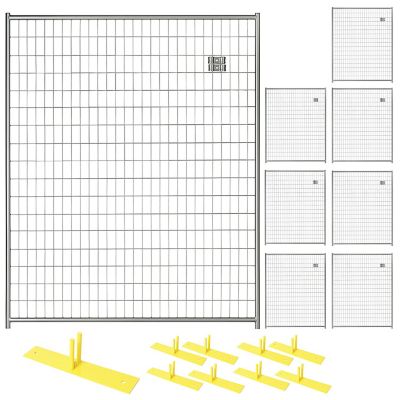
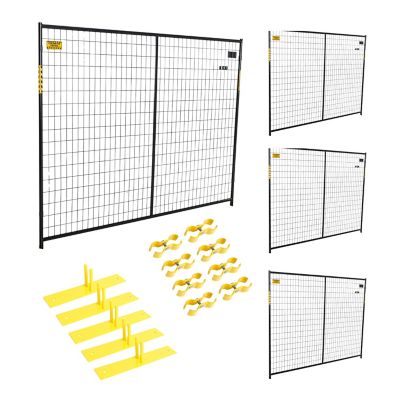
Long-term performance comes down to the condition of the whole enclosure, not just how sturdy a panel feels on installation day. Poolside surfaces see foot traffic, splashing and contact with cleaning supplies, so material care should follow the fence manufacturer’s directions. Gentle cleaning may be appropriate for some surfaces, while abrasive tools or incompatible chemicals can damage coatings, cloud panels or weaken components. Mesh deserves attention around its lower edge and attachment points, and metal fencing needs checks for loose fasteners, coating damage and corrosion. Glass fittings and panel edges also need inspection for movement or damage. Gate operation warrants frequent attention because hinges and latches do the work each time someone enters or leaves. A gate that drags across the deck, stops short of the latch or needs a push to close is not functioning as intended. Changes around the fence matter, too. A planter, storage bench or stack of outdoor chairs can create a climbing aid even when the enclosure itself has not changed. Toys left near the water may draw a child toward the pool, and equipment beside the fence can make an otherwise clear perimeter harder to inspect. Removable fencing brings its own responsibilities: it provides no barrier while it is down, and correct reinstallation is essential before relying on it again. A removable design should never mean casual removal while children could reach the pool. Pool covers and alarms can add other layers of protection when appropriate, but they do not erase the need for a compliant barrier and attentive supervision. For a busy household, the best fit is a pool enclosure whose layout, care requirements and gate operation work with daily routines while maintaining the required protection. Clear sightlines from a porch, a gate that closes without catching and a perimeter kept free of climbing aids all support that goal. The result is a defined pool area with access that stays controlled, whether the yard is quiet or family and friends are gathered nearby.