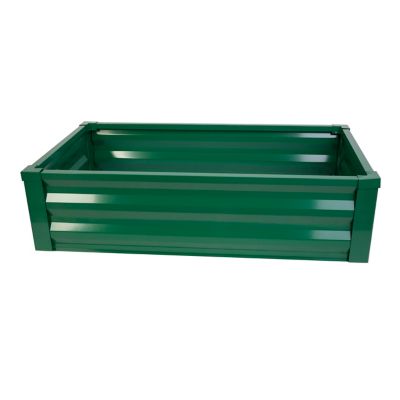
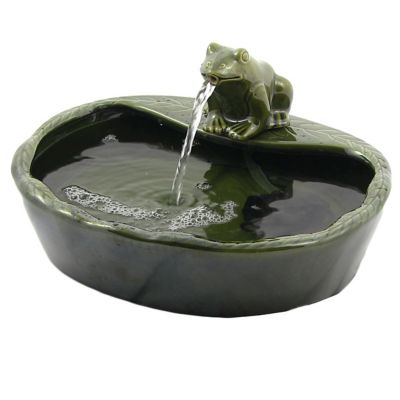
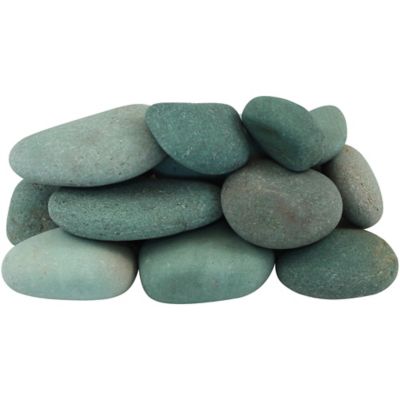
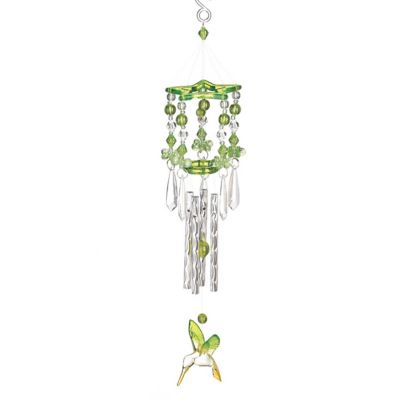
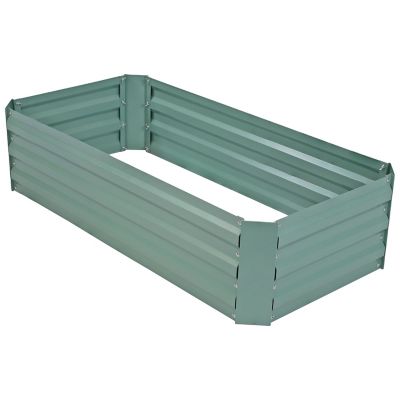
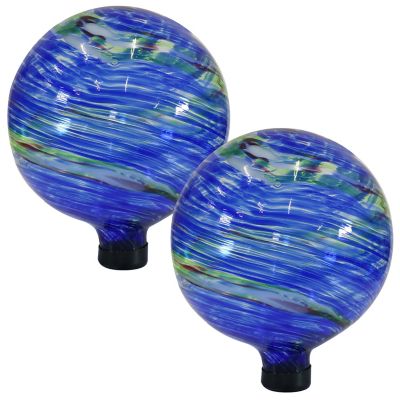
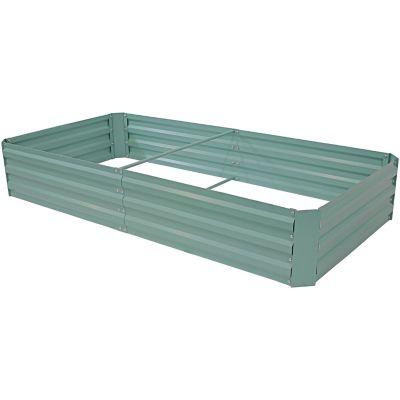
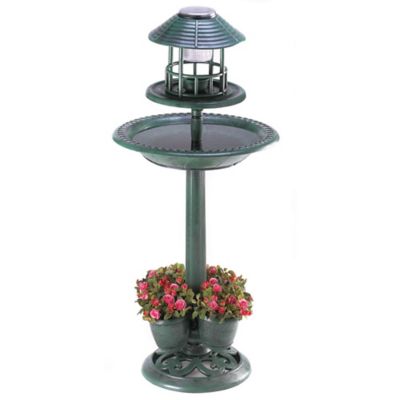
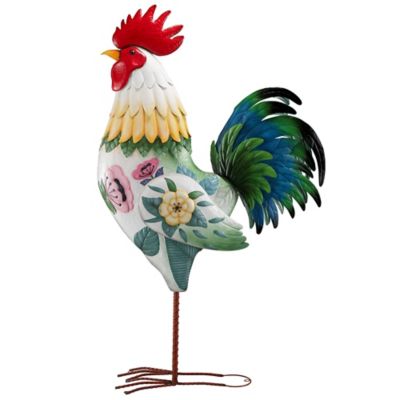
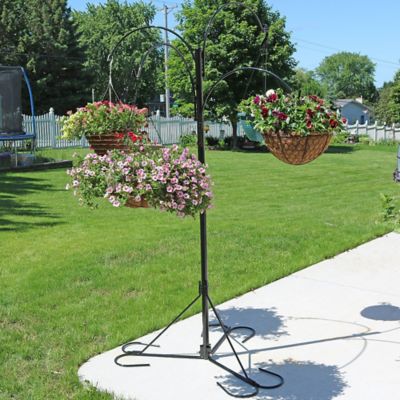
Green garden accents bring shades of sage, olive, moss, mint, and deep forest green into the spaces around a home, from a small porch beside the kitchen door to a broad yard framed by pasture fencing. The appeal comes from how easily these colors settle among leaves, wood, stone, and soil. A soft sage finish can stand out against dark brick without taking over the view, while a deeper green gives pale gravel or a light-colored railing a stronger outline. Garden accents in this color family range from plant containers and hanging pieces to sculptural shapes, wall accents, and pieces with botanical or animal-inspired details. Some serve a practical purpose, while others simply give a planting bed or sitting area a little personality. Green does not have to match every leaf nearby; small differences in shade help separate an accent from its surroundings. Yellow-toned olive works well with natural wood and terra-cotta colors, while blue-toned greens sit comfortably beside gray stone and galvanized metal. Lighter shades can brighten a tucked-away nook, and darker shades tend to give a busy arrangement a calmer, more settled look. Finish matters as much as color. A glossy surface catches light and draws attention, while a matte or softly textured surface blends more closely with bark, rough boards, and leafy plants. On a long fence line, a few well-spaced accents can create a sense of rhythm without filling every open spot. Near a porch chair or back step, one larger piece may be easier to appreciate than several little ones scattered around. The most natural-looking arrangements leave room for the garden itself, with green accents supporting the shape of a bed, marking a favorite corner, or adding interest where bare siding or an empty ledge needs a little something. A touch of green beside a familiar bench or gate can make that everyday stopping place feel more inviting without changing the whole yard.
Materials help determine both the look of green garden accents and how they fit everyday life outside. Painted or powder-coated metal can provide crisp outlines and detailed shapes, though edges, joints, and coating coverage deserve attention wherever the surface may be bumped or scratched. Ceramic brings a substantial feel and a wide range of glazed finishes, with care needs that depend on the clay body, glaze, and intended placement. Resin can offer molded detail with less weight than some stone or ceramic pieces, making size and base design especially important when choosing a spot. Stone and cement generally bring more heft and a quieter texture, while glass adds shine and color that can look quite different depending on the light behind it. Material alone does not tell the whole story: a broad base, secure mounting points, smooth edges, and a finish intended for outdoor use all affect suitability. Dimensions matter, too. A tall accent that looks right beside a barn wall may crowd a narrow porch, and a small piece can disappear among full planting beds. Footprint, height, and viewing distance help explain whether something will feel balanced beside a chair, beneath a window, or along a path. Containers intended for living plants need drainage suited to their purpose, and saucers or liners should fit the way the container will be watered and positioned. Nearby surfaces also matter, since standing moisture, soil, or rough feet can leave marks on wood, concrete, or masonry. Care is often straightforward, but it should follow the material and finish: a soft cloth, a gentle brush, or a mild cleaner may be appropriate, while abrasive pads and harsh chemicals can damage some surfaces. Hardware and attachment points deserve occasional checks, especially near gates or other busy spots. In yards shared with children, pets, or livestock, placement away from walking routes, chewing reach, and active play helps keep garden accents from becoming obstacles or getting knocked about.
Green garden accents suit a wide range of homes and gardening habits, whether the space is a working backyard with a vegetable patch or a small patio with a few well-tended containers. Someone who spends plenty of time tending beds may enjoy accents that tuck naturally among plants, while a person who mostly enjoys the view from the porch may prefer larger shapes that read clearly from a chair. Gardeners with compact spaces often get more from vertical details and modest footprints than from pieces that take up valuable walking room. Around a larger property, green can provide a visual connection between separate spots, such as a seating area, an outbuilding entrance, and the path back to the house. Repeating a shade or a simple leaf shape can tie those areas together without making them look identical. Other colors change the effect: cream softens deep green, rusty brown picks up earthy tones, and black gives pale green a clean edge. For that darker contrast,
black garden accents pair naturally with green finishes, natural stone, and wood. Patterns and shapes can be playful or restrained, from familiar farm-animal silhouettes to simple curves and botanical forms. The right balance depends on what already gives the property its character; an old gate, a stone border, or a well-loved bench may need only a small companion rather than a competing focal point. These accents can also make thoughtful housewarming, birthday, or thank-you gifts for someone who enjoys plants and outdoor spaces. A recipient’s space, preferred colors, ability to move heavier pieces, and comfort with routine upkeep are more useful considerations than size alone. Green describes the color here, not a promise about environmental benefits; any recycled content or other environmental claim should come from the product’s stated details. With sensible proportions, suitable materials, and a place where the color can be seen, green garden accents add a welcoming touch that feels at home beside the porch, along a garden path, or near the back gate.