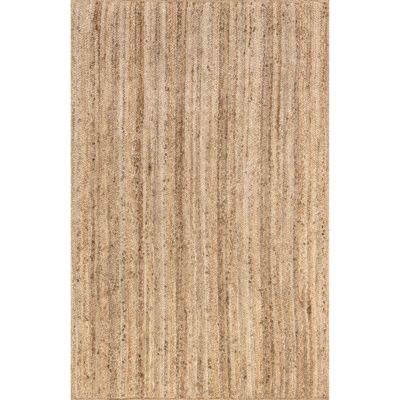
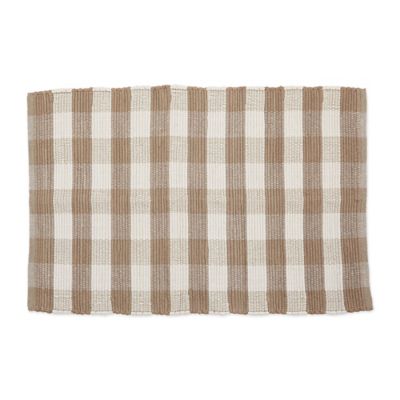
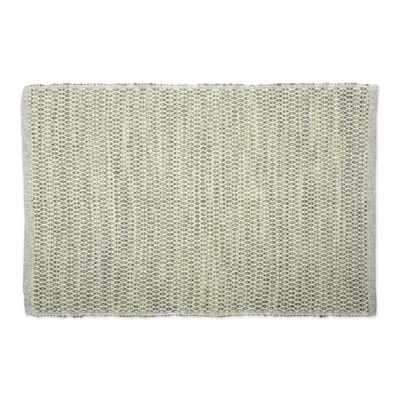
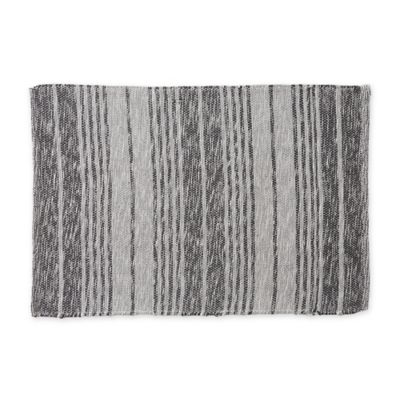
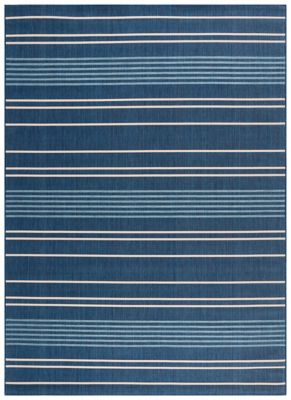
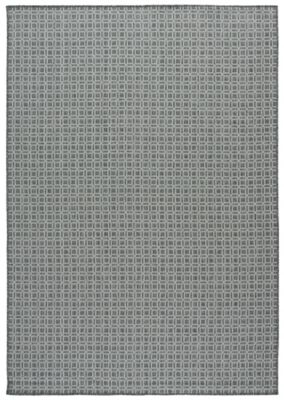
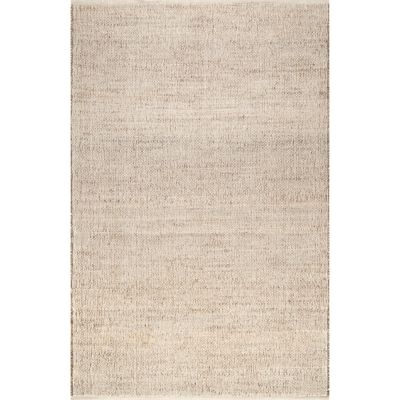
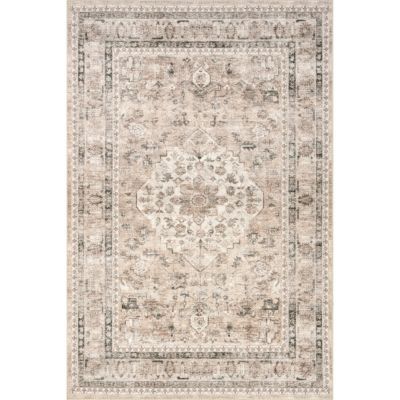
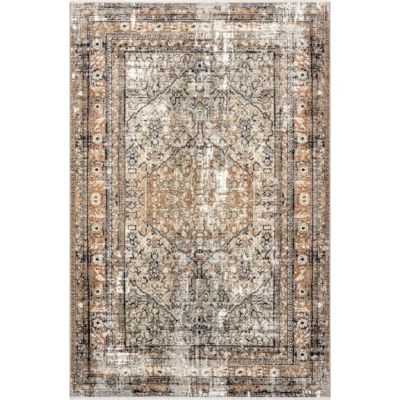
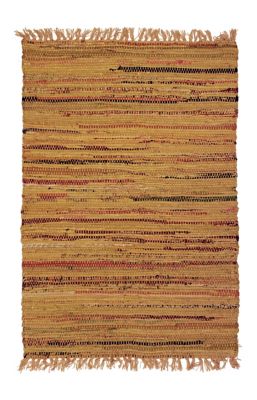
Rugs for sliding glass doors give a busy entrance a comfortable landing spot while helping keep tracked-in grit from spreading through the house. Between trips to the patio, backyard chores, and pets heading out for a stretch, this patch of floor sees plenty of foot traffic. A well-fitting rug catches loose dirt near the threshold, adds a softer place to stand, and gives the doorway a finished look without getting in the way. Low-pile rugs and flatweaves generally suit these spaces because their close-to-the-floor construction leaves fewer raised edges for boots, paws, or chair legs to catch. A pile height around 1/4 inch or less can be a useful starting point, but the full thickness of the rug, backing, and any separate pad matters more than pile height alone. Sliding glass panels usually travel within a track rather than swinging across the floor, so clearance depends on the entrance itself, including any screen or nearby hinged door. The rug should sit clear of the track, drainage openings, and threshold hardware. Size matters just as much as thickness. A smaller mat can serve the active opening, while a wider rectangular rug can visually balance a broad expanse of glass. A runner may suit a narrow passage beside a dining area, provided its corners stay out of the walking path. Measuring the usable floor space helps leave room for furniture, pet bowls, and the natural route between the door and the rest of the room. In a farmhouse kitchen, that might mean enough space to carry a feed scoop or grocery sack without stepping around a curled corner. Near a dining table, it means checking that a chair pulled back from the table will not snag the rug’s edge. The best fit looks settled in place and lets the entrance work the way it needs to, whether that means a quick trip outside or several people passing through with their hands full.
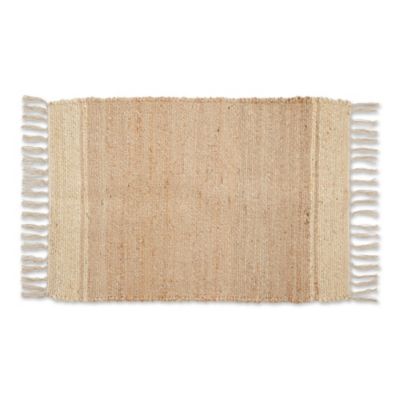
Material makes a big difference in how a doorway rug handles dirt, moisture, and repeated footsteps. Polypropylene is common in indoor-outdoor rugs because the fiber absorbs little water and can be straightforward to clean, although the backing and overall construction still determine where a rug belongs. Polyester can offer a soft feel and good resistance to many everyday stains, while nylon is often chosen for its ability to handle foot traffic and spring back after compression. Cotton can feel pleasant under bare feet, and some cotton rugs are machine washable, but they can hold moisture and need time to dry completely. Microfiber constructions can feel soft and absorb moisture from shoes or paws; washability depends on the entire rug, not simply the fiber name. Natural fibers such as jute and sisal bring earthy texture, though they generally make more sense in dry indoor areas than directly beside an entrance where muddy boots and damp paws are common. An indoor-outdoor label is worth checking when a rug will sit outside the glass, since an indoor rug is not automatically suited to an uncovered patio. Stain resistance, fade resistance, and moisture resistance are separate features, and none means that a rug needs no care. The same goes for backing. A slip-resistant backing or a compatible rug pad can help limit movement on a smooth floor, but it cannot make a loose rug completely slip-proof. Rubber and latex backings do not suit every floor finish, so the floor maker’s recommendations matter, especially with vinyl, hardwood, or recently finished surfaces. The pad should stay fully beneath the rug rather than extending into the walkway, and its thickness needs to fit the doorway’s clearance. For households with energetic pets or folks carrying tools and supplies through the entrance, a flat surface and secure placement deserve as much attention as softness. Tight construction, firmly finished edges, and corners that lie flat help a rug hold its shape through everyday traffic.
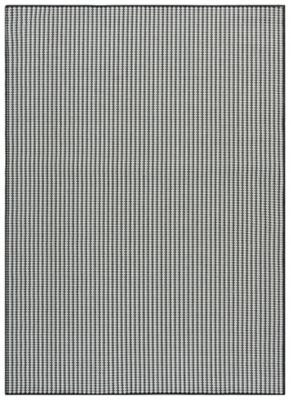
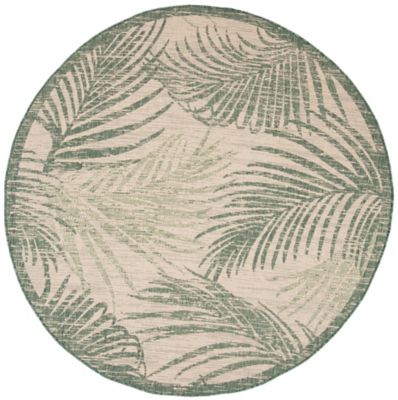
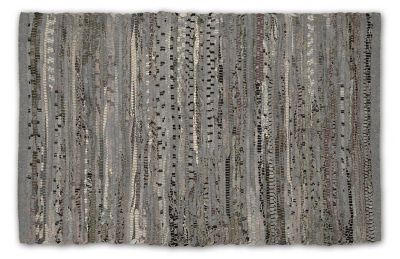
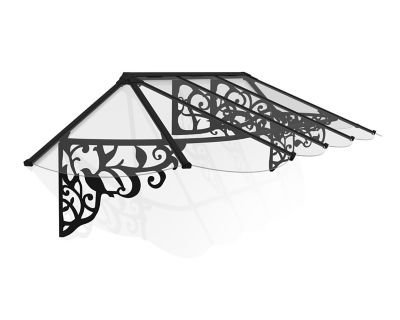
Color and pattern can make a hardworking doorway feel like part of the room rather than an afterthought. Heathered colors, small repeating patterns, and mixed earth tones tend to make scattered dust and paw prints less noticeable between cleanings. Very pale solids can show soil quickly, while very dark surfaces may highlight light pet hair and lint. A rug that picks up a color from the flooring, curtains, or nearby cushions can connect an open kitchen, dining space, and patio entrance without matching every surface. Alongside
awnings for sliding doors, a coordinated rug can carry a simple color scheme from the room to the patio. Texture deserves a practical look, too: deep shag and loose fringe can collect grit or catch claws, while a low, tightly woven surface is often easier to sweep. For a family with children running between the house and yard, easy cleanup may lead the decision. For someone who spends time tending patio plants, a rug that handles occasional splashes may be more useful than a plush surface. Pet owners may favor a washable construction, provided the rug fits the washing machine and the care label permits that cleaning method. Routine care helps preserve both the rug and the floor beneath it. Shaking out loose dirt where permitted, vacuuming with a setting suited to the weave, and blotting spills promptly keep debris from settling deeper into the fibers. A washable label does not always mean a rug can go in the dryer, and a hose-cleanable rug needs a suitable place to drain and dry. Both the rug and the floor should be fully dry before the rug goes back down. Periodically lifting it also gives a chance to clear trapped grit and check the backing for wear. When edges curl, the backing starts shedding, or the rug no longer stays flat, the entrance needs attention. A sensible rug for this spot balances easy upkeep, comfortable footing, and enough staying power for the steady back-and-forth of life around home.