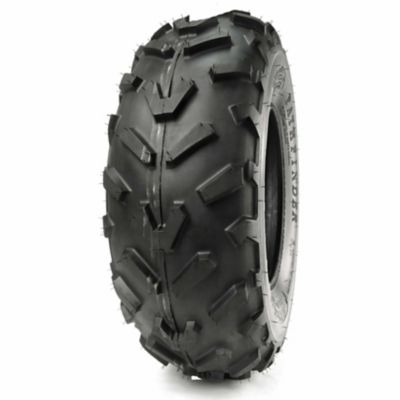
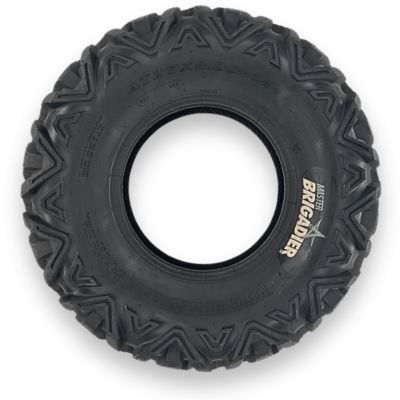
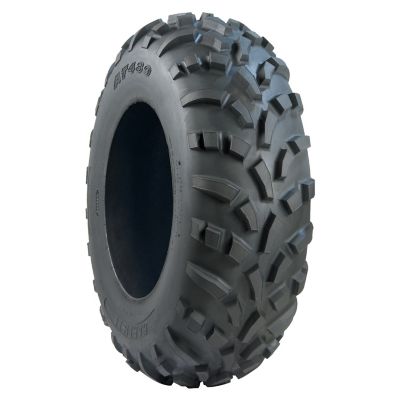
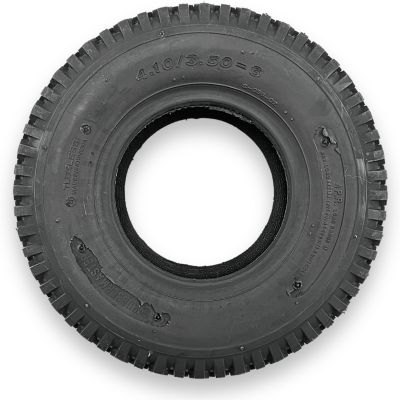
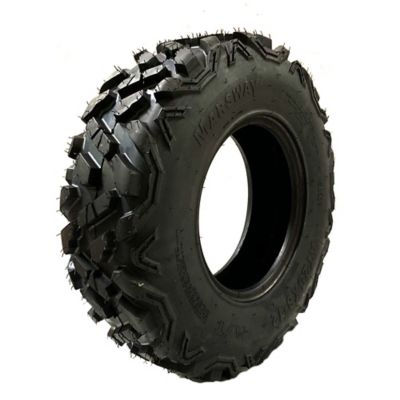
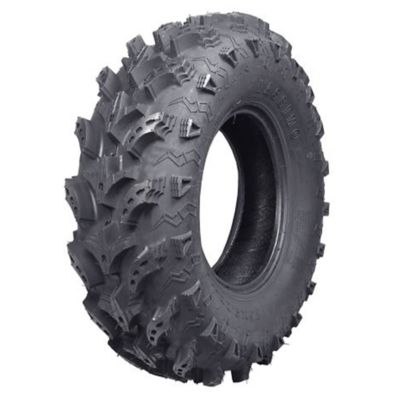
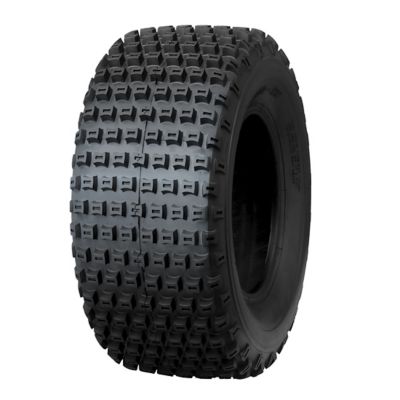
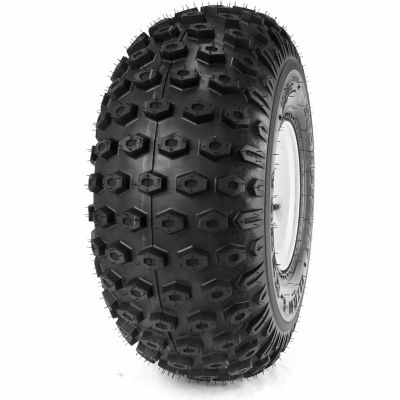
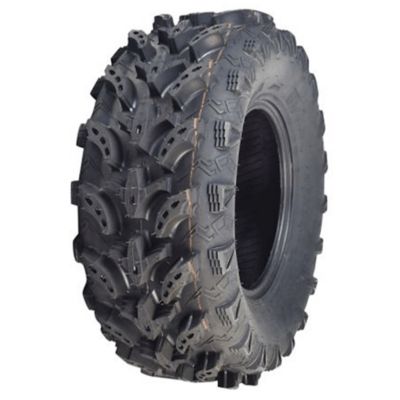
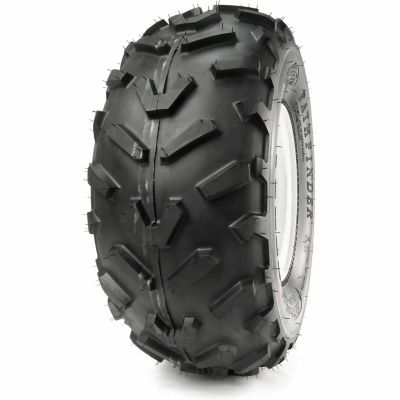
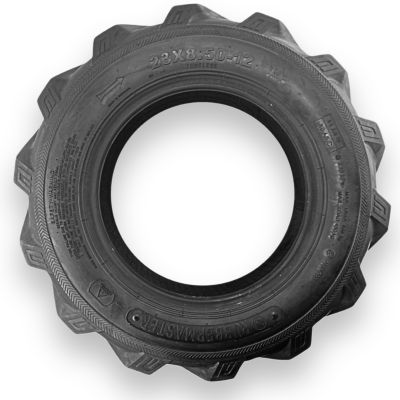
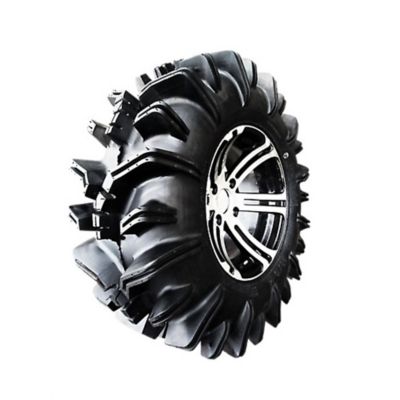
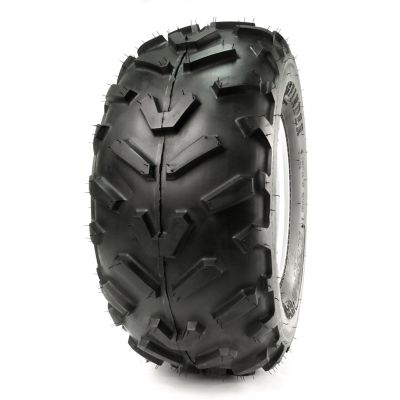
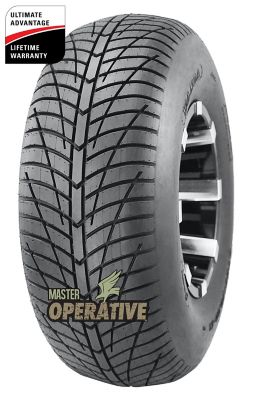
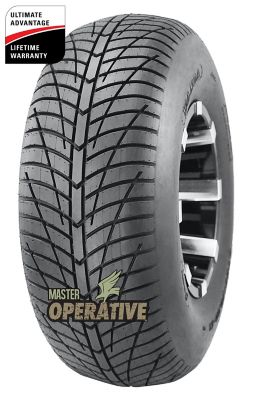
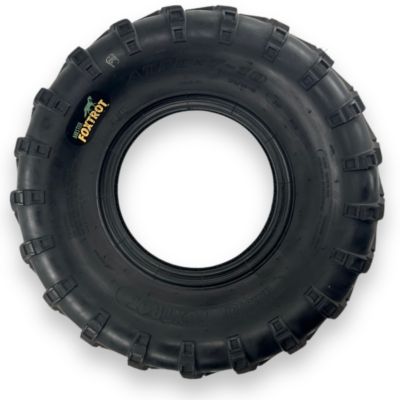
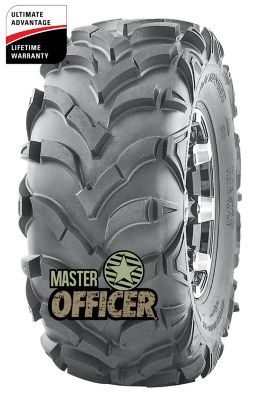
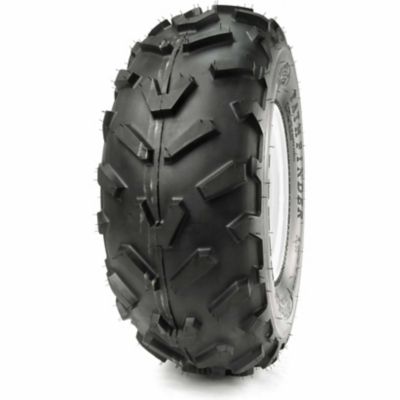
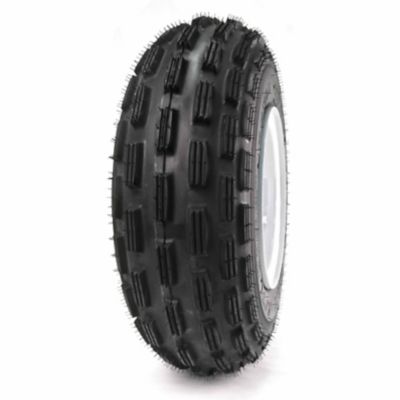
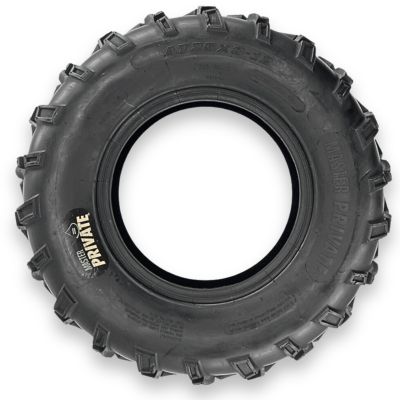
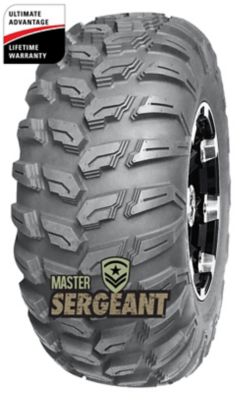
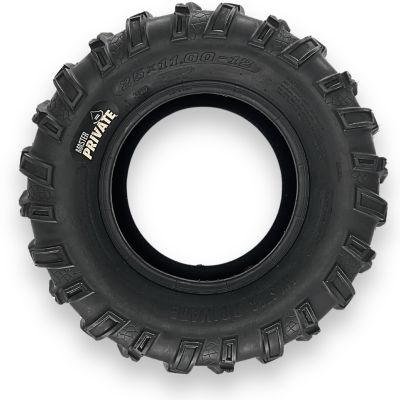
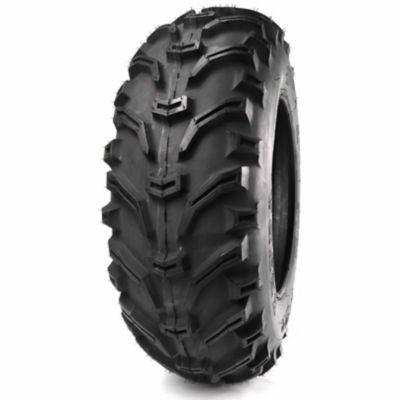
Rugged terrain tires, often called R/T tires, are made for drivers who split their time between paved roads and rough ground. They bridge the gap between all-terrain and mud-terrain tires, combining a more aggressive tread pattern with road manners that are easier to live with every day. On the highway, the tighter center tread blocks can help provide a steadier feel and less noise than a full mud tire. Off the pavement, open grooves, strong shoulder blocks and staggered tread edges give the tire more bite in loose dirt, gravel, mud and uneven ground. That balance makes rugged terrain tires a practical choice for pickup trucks, SUVs and other capable vehicles used around farms, hunting property, construction areas, back roads and trailheads. They can help a work truck reach a remote jobsite, carry supplies down a washed-out lane or handle a gravel road that turns slick after rain, while still remaining suitable for the daily drive into town. During the warmer part of the year, they may see dusty county roads, rocky trails and sandy access paths; as cooler weather arrives, their sturdy tread can be useful on wet leaves, muddy fields and rough roads leading to firewood, hunting or outdoor work areas. Rugged terrain tires are also a thoughtful gift for a truck owner who spends weekends exploring, maintains acreage or regularly hauls gear beyond the pavement. Before choosing a set, start with the vehicle’s recommended tire size and confirm the correct fitment for the year, make and model. Tire width, overall diameter, wheel size, load range, load index and speed rating all matter, especially on trucks that tow trailers, carry heavy tools or haul feed and fencing supplies. A tire that looks tough but does not match the vehicle’s requirements can affect handling, braking, clearance and carrying capacity, so the information on the vehicle placard and owner’s manual should guide the purchase.
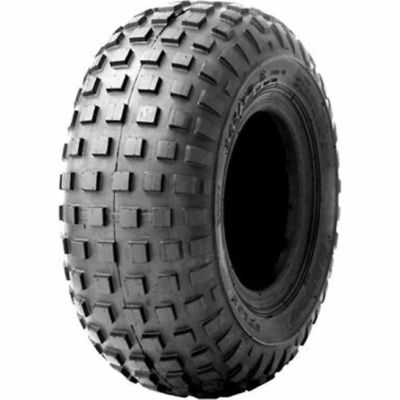
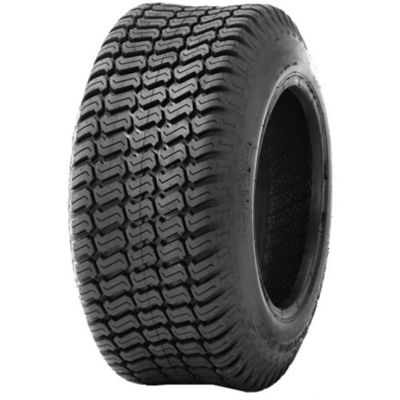
Tread design is one of the clearest differences among rugged terrain tires. Look for broad, deep grooves that can help move mud, water and loose soil away from the contact patch, along with staggered edges that add traction when the surface is rutted or uneven. Shoulder lugs that extend toward the sidewall can provide extra grip when a tire is climbing out of a rut, crossing a rocky slope or working through soft ground. Reinforced construction and multi-ply sidewalls are valuable for drivers who travel across sharp gravel, broken rock, brush and other areas where a sidewall cut or puncture is possible. Strong sidewalls may also help support a loaded truck, but they do not make a tire invulnerable. Speed, air pressure, vehicle weight and the condition of the trail still play a major part in preventing damage. Drivers who spend more time in deep mud may prefer a tire with a more open, self-cleaning tread, while those who drive many highway miles may want a tighter tread arrangement designed to improve stability, ride comfort and noise control. Sand, clay, gravel and hard-packed dirt each place different demands on a tire, and a tire that performs well in one setting may not be the best fit for another. Consider the work that happens most often rather than choosing only by appearance. A bold sidewall and deep tread can look right at home on a lifted truck, but the best rugged terrain tire is the one that matches the vehicle, the load and the roads it actually travels. Check whether the tire is marked for mud and snow use, severe snow service or other weather conditions if dependable performance during colder months is important. Those markings should be treated as part of the tire’s intended use, not as a replacement for careful driving on ice or packed snow. If your equipment needs a different tread style for maintaining open ground, browse
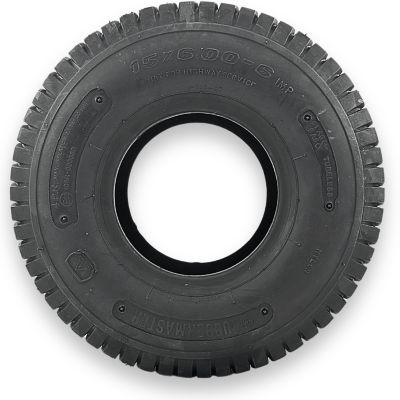
Tractor Turf Tires for options made with turf and property-care applications in mind.
Proper setup and routine care help rugged terrain tires deliver their intended performance. Once the tires are installed, verify that the air pressure matches the vehicle manufacturer’s recommendation and adjust it when carrying a heavy load or towing, following the guidance provided for the vehicle and tire. Avoid dropping pressure for off-road travel unless the tire and wheel setup, terrain and driving conditions support it; too little air can cause heat buildup, poor handling, wheel damage or a tire coming off the bead. Inspect the tread and sidewalls regularly for cuts, stones lodged in the grooves, uneven wear, bulges and other damage, especially after traveling across rocky ground or construction debris. Rotate the tires at the interval recommended for the vehicle, keep the wheels aligned and have vibrations, pulling or unusual wear checked by a qualified tire professional. A simple walk-around before heading down a long gravel road can catch a low tire before it becomes a problem far from the nearest service station. It is also worth considering the tire’s intended road use, expected mileage, ride quality and warranty coverage before purchasing, since an aggressive tread may wear differently from a standard highway tire. Drivers who use a truck for both work and errands should allow enough stopping distance and remember that steering response can change with a taller, heavier or more aggressive tire. When selected to match the vehicle and maintained properly, rugged terrain tires provide a useful mix of traction, durability and everyday drivability for rural roads, job sites, backcountry routes and the changing conditions that come with outdoor work.