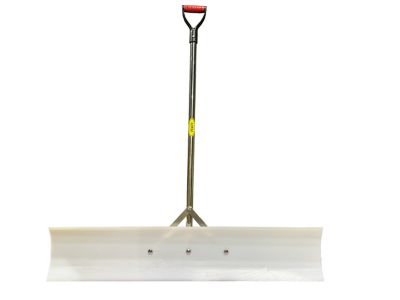
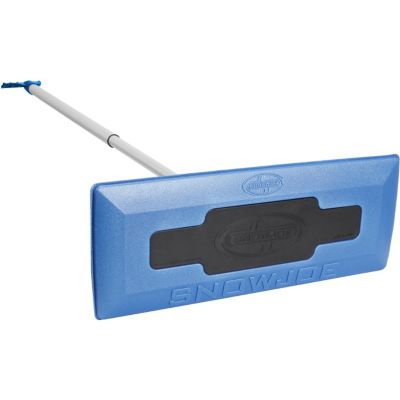
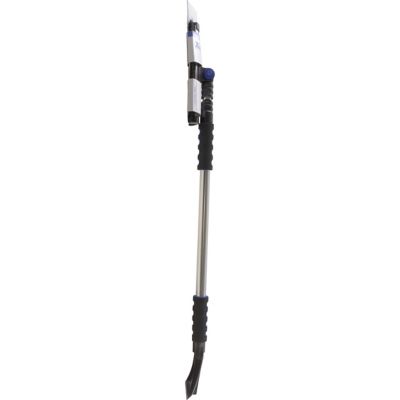
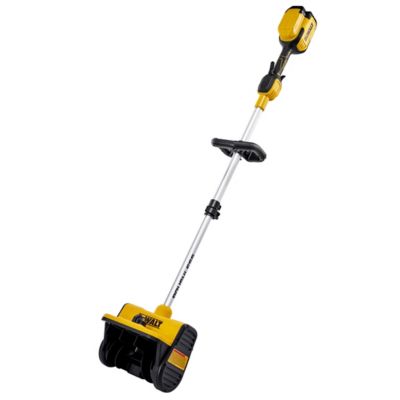
Roof snow removal tools help homeowners, landlords, farmers, and property managers clear accumulated snow from a roof while keeping both feet on the ground. Most are designed around a long, extendable pole with a broad head that pulls snow down from roof edges and lower slopes. That extra reach can be especially useful around barns, garages, workshops, porches, sheds, and one-story homes where drifting snow builds up along the eaves. A roof rake may help reduce the weight sitting overhead, improve access to gutters, and limit the buildup that can contribute to ice dams when daytime warmth melts snow and nighttime cold turns the runoff to ice near the roof edge. It is not meant to replace professional inspection or repair, and clearing a roof should always be done with care. Snow can come down in a heavy sheet, bury steps and shrubs, block doors, or land near power lines, so keep people, pets, vehicles, and equipment away from the drop zone. A long-handled tool also helps reduce the need to climb onto a slick roof or balance on an icy ladder, which is one of the biggest advantages of ground-level removal. Before choosing a tool, take a good look at the building, the roof pitch, the height of the eaves, and the areas where falling snow can safely land. A small single-story roof may only need modest reach, while a taller house, high garage, or outbuilding may call for a longer telescoping handle. Measure from a safe spot on the ground and allow enough working distance to stand clear as snow slides down.
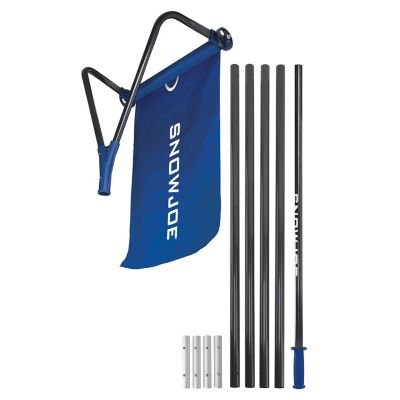
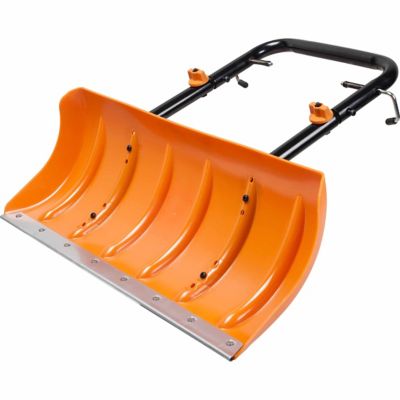
Roof snow removal tools come in several styles, and the right design depends on the roof surface, the amount of snow you typically see, and how you prefer to work. Traditional roof rakes generally have a wide plastic or aluminum blade that lets you pull snow toward the edge in manageable passes. A broad head can cover more area, while a narrower head may be easier to control around dormers, vents, skylights, gutters, and other roof features. Telescoping poles make storage easier and let you adjust the reach, but a fully extended handle can feel top-heavy, so a sturdy grip and a balanced head matter. Wheeled or glide-style heads are made to move across the surface with less direct contact, which may help protect asphalt or fiberglass shingles from scraping and gouging. Even with those features, use a light touch and follow the tool’s directions; roof rakes are generally better suited to loose snow than hard-packed ice, frozen crust, or embedded debris. Snow slide or snow peeler designs use a cutting edge and a slick fabric or plastic path to guide snow down and away from the roof in a controlled strip. These systems can be handy when you want to remove snow from a larger section without dragging a blade back across the shingles, though they still require plenty of room below and careful attention to where the snow will travel. Metal roofs, tile roofs, wood shakes, and specialty roofing materials can have different care requirements, so check the roofing manufacturer’s recommendations before putting any tool to work. Avoid pulling across exposed fasteners, damaged shingles, flashing, or loose gutters, and stop if the tool catches. For ground cleanup around walkways, porches, feed rooms, and driveways, pair roof work with dependable
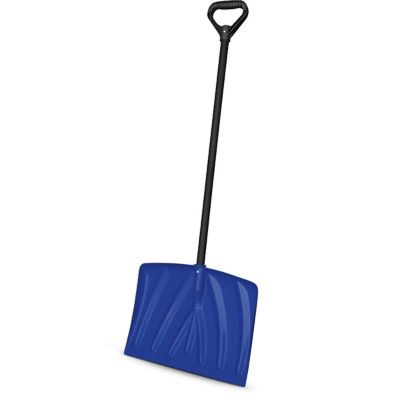
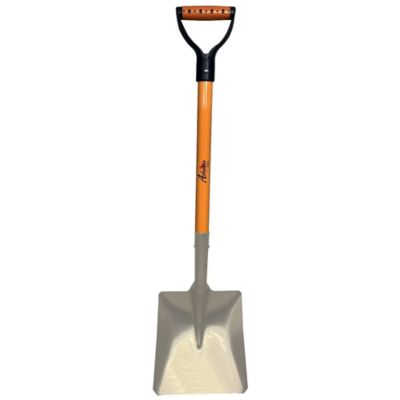
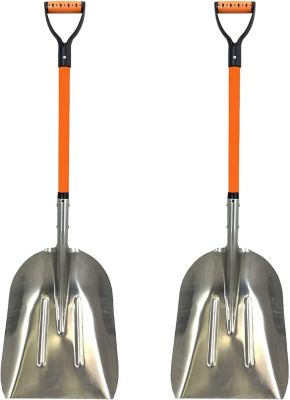
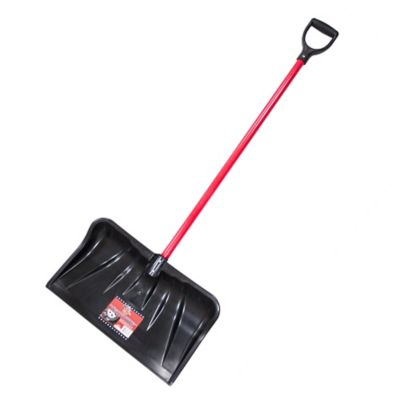
Snow Shovels so fallen snow can be moved away from doors, livestock areas, and travel paths.
A little preparation makes roof snow removal safer and less tiring once the weather turns cold. Store the tool where it can be reached without digging through a crowded shed, and check the pole sections, locking buttons, handle, wheels, glide pads, blade, and fasteners before the first heavy snowfall. If the pole is wet or icy, dry it and make sure each section locks firmly before raising it overhead. Dress for the work with insulated gloves that still allow a solid grip, sturdy waterproof boots, and warm layers that do not snag on the handle. Work during good visibility and calmer conditions, since wind can blow snow back toward you or make a falling sheet harder to predict. Start at the edge and pull only as much snow as you can control, leaving a thin layer when appropriate rather than scraping down to the roofing material. Keep the tool away from service wires, and never use a metal pole anywhere near overhead electrical lines. People who maintain rural homes and outbuildings often appreciate having a roof rake ready before the first major storm, especially when a long driveway or remote barn makes calling for help difficult. These tools can also make practical gifts for new homeowners, cabin owners, caretakers, and anyone responsible for a workshop, detached garage, poultry house, or storage building. They are useful for more than the roof itself, too: a long reach may help pull light snow from awnings or low coverings when the manufacturer allows it. Still, unusually deep accumulation, steep roofs, structural concerns, packed ice, and multi-story buildings are jobs for a qualified professional. Choose a tool that matches your roof height and surface, gives you enough reach without forcing you to overextend, and feels manageable for the person who will use it. With the right fit and a careful approach, roof snow removal tools can help keep winter cleanup closer to the ground, protect vulnerable roof edges, and make the next round of snow easier to handle.