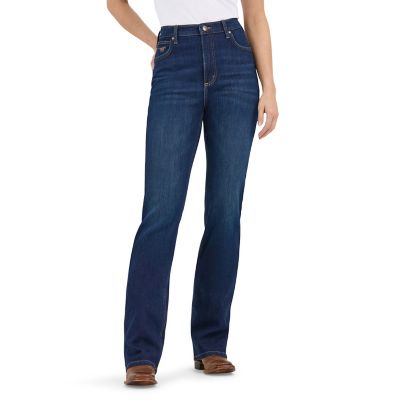
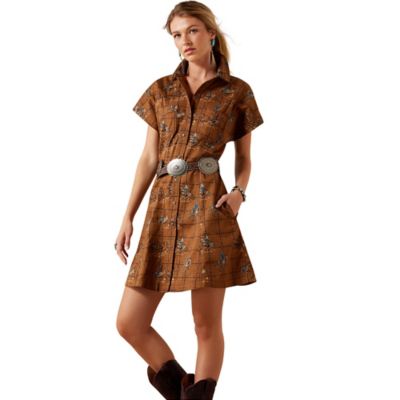
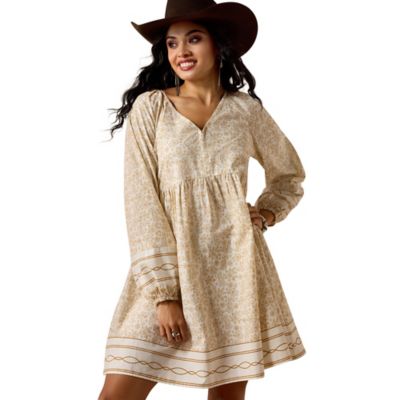
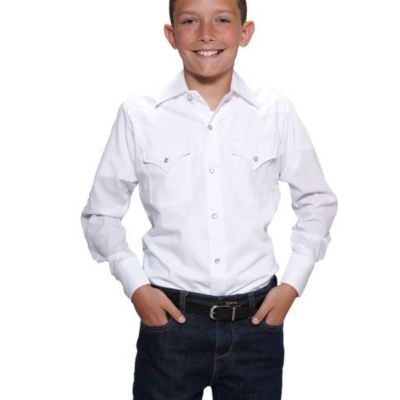
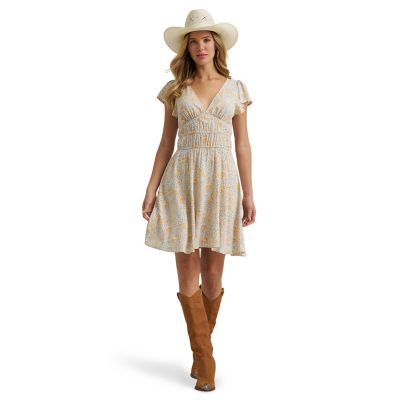
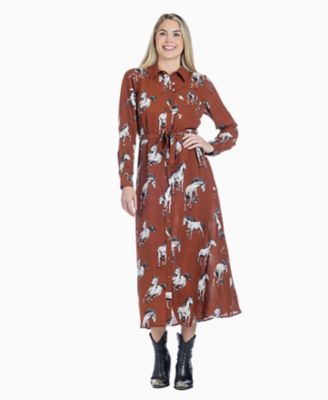
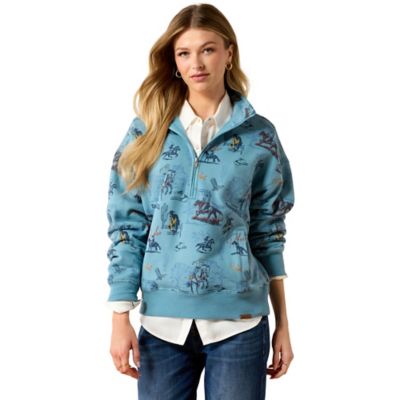
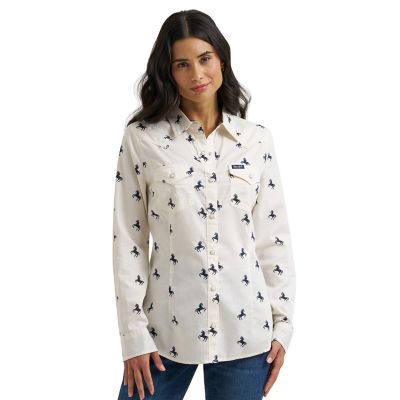
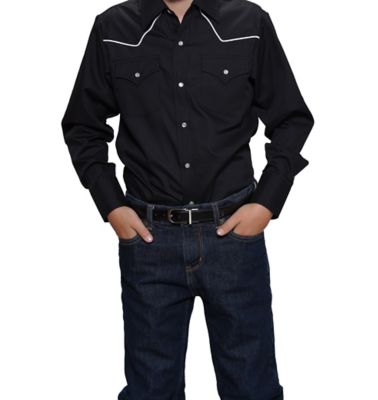
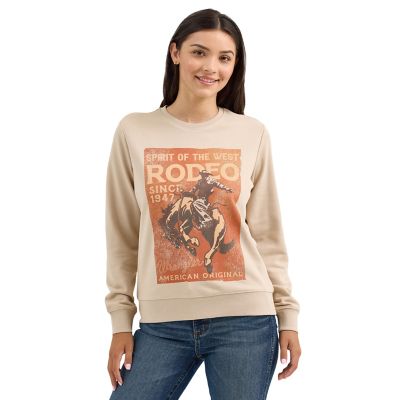
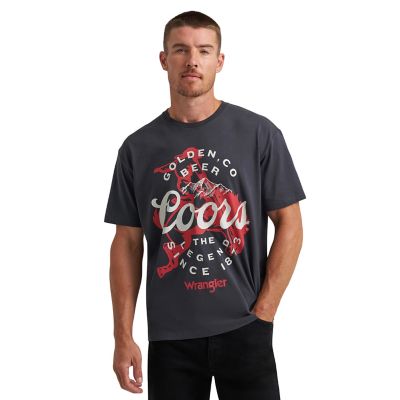
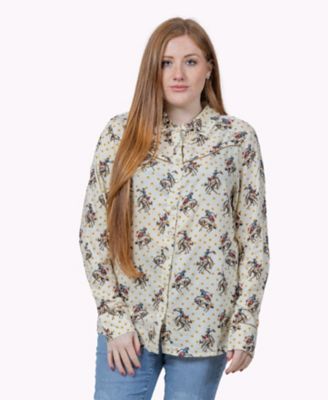
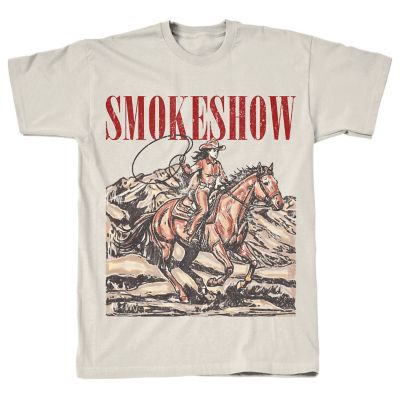
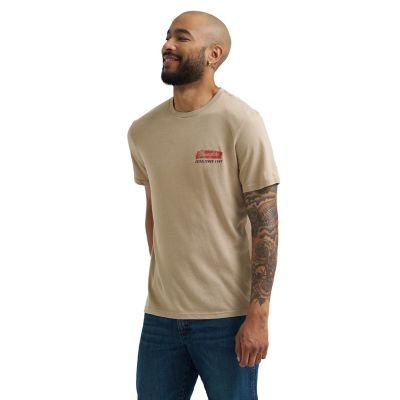
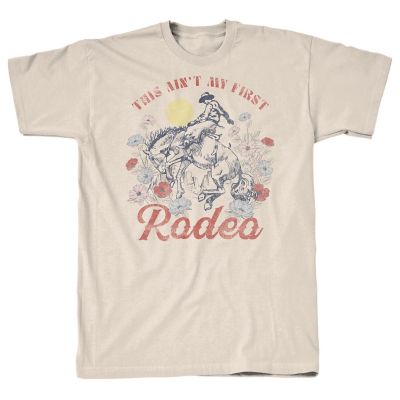
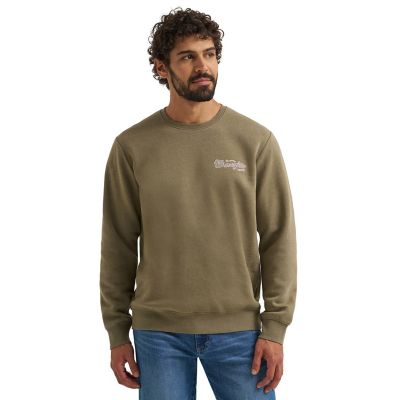
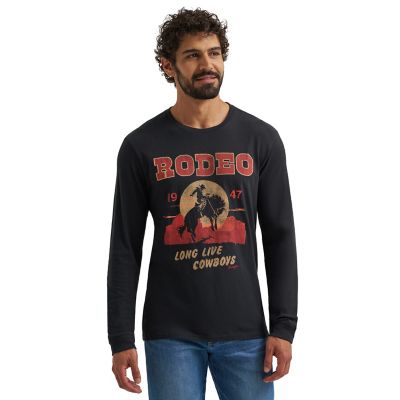
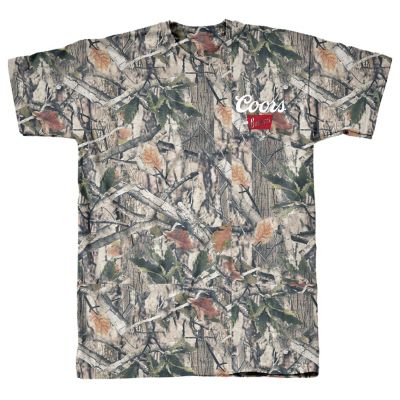
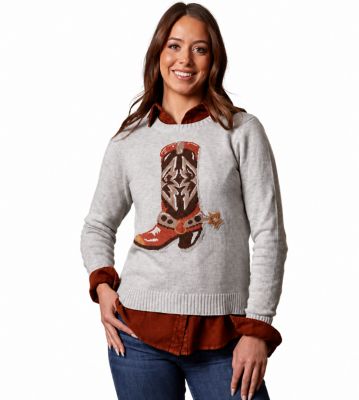
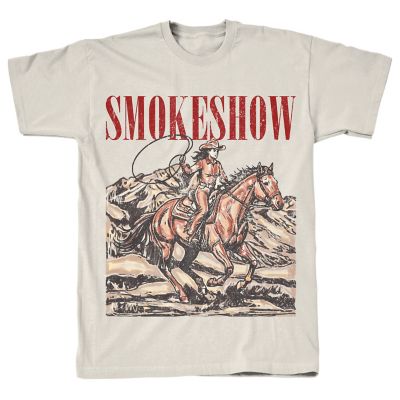
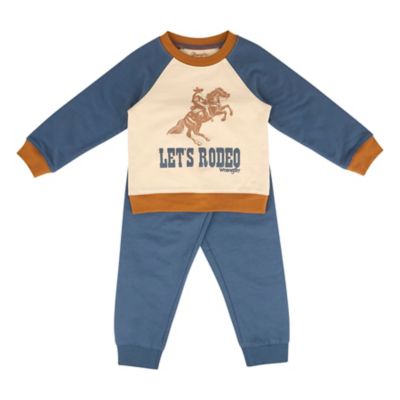
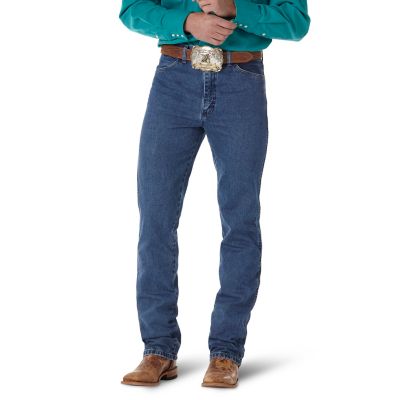
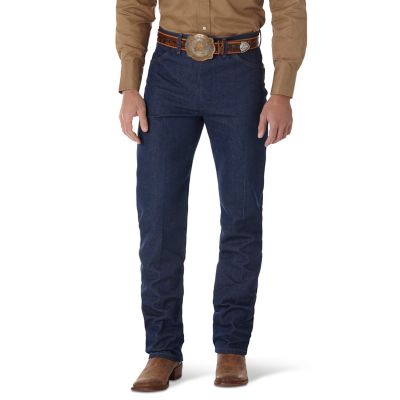
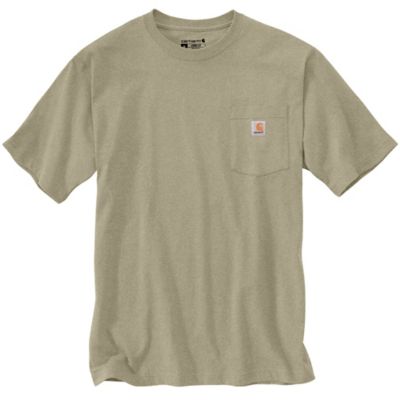
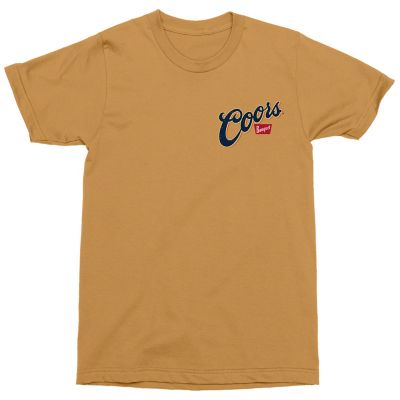
Rodeo outfits for outdoor Western gatherings bring together jeans, a Western shirt, boots, and a belt in combinations that feel at home around the arena, the fairgrounds, or a ranch get-together. The best match is clothing that lets a person walk, sit, and move comfortably while keeping a clear Western look. Straight-leg and bootcut denim leave room for boot shafts, while a pearl-snap shirt adds familiar details without making the outfit feel dressed up for the wrong occasion. A tucked shirt shows off a belt buckle; an untucked shirt with a shorter, finished hem gives the same basics a more relaxed feel. Cotton denim has a substantial feel and develops softer creases with wear, while denim blended with a small amount of stretch offers more give when climbing bleachers or settling onto a bench. Woven cotton shirts provide a crisp shape, and cotton-blend fabrics can help cut down on wrinkling, depending on their construction and care requirements. Plaids, small prints, solid colors, and embroidered accents all fit the setting, so there is no need for every piece to make a statement. Dark denim with a light shirt creates a clear contrast, while faded denim and earth tones give an outfit an easygoing ranch feel. Dresses and skirts can work for spectators and social gatherings, too, especially with enough room through the hips and a hem that allows comfortable steps. A denim skirt, a simple woven dress, or a shirt-and-jeans combination can each carry the theme without looking like a costume. For families heading to the same event, shared colors or similar shirt patterns can tie outfits together without putting everyone in matching clothes. The setting matters more than extra trim: an afternoon spent walking the grounds calls for freedom of movement, while a gathering with dinner and dancing may suit a neater shirt, a simple buckle, and a more polished boot finish. A good outfit looks put together but still feels natural beside the rails.
Fit makes a bigger difference than a pile of accessories, especially when the gathering includes gravel paths, arena dust, and long stretches on foot. Jeans should sit comfortably at the waist without needing a belt pulled tight to hold them in place. Through the seat and thighs, enough room to bend and sit helps prevent pulling at seams, while a hem that falls neatly over the boot keeps the silhouette balanced. Fabric should not drag beneath the heel or bunch so heavily around the ankle that it gets in the way. Shirt shoulders should line up comfortably, with enough space across the back to reach forward without straining the placket. Sleeves that stay clear of the hands make it easier to carry food, hold a railing, or keep track of little ones moving through a crowd. Boots deserve the same attention. A comfortable fit holds the foot securely without squeezing the toes, and the shaft should work with the cut of the jeans rather than creating tight ridges beneath them. Leather can soften with wear, but painful pressure is not something to count on disappearing. Trying boots with the socks intended for the event helps give a better sense of room, cushioning, and heel movement. Sole design also matters: smooth leather soles and treaded rubber soles feel different on dirt, concrete, and loose gravel, so intended use should shape the choice. A boot suited to watching the rodeo is not automatically the right footwear for riding or working around livestock. Hats, belts, and jewelry can finish the look without making it fussy. A hat should sit securely without pinching, a belt should fit the waistband and loops, and a buckle should feel comfortable when seated. Smaller earrings and shorter necklaces may be easier to manage in crowded stands than pieces that swing or snag. For anyone taking part in arena activities, event rules and task-appropriate gear take priority over the look of an outfit.
Materials and care help determine how well rodeo clothing keeps its shape and appearance after repeated outings. Firm denim, reinforced stress points, tidy seams, and securely attached snaps are useful details to look for in clothing expected to handle plenty of sitting, walking, and bending. Heavier fabric can feel structured, while a lighter weave may drape more loosely; neither choice replaces checking the fit and intended use. Leather boots and belts benefit from care suited to their particular finish. Brushing off loose dirt before cleaning helps keep grit from being worked into the surface, and any cleaner or conditioner should match the maker’s directions. Suede needs a different approach from smooth leather, so a soft brush and finish-specific care are better starting points than treating every pair the same way. Clothing labels matter just as much. Washing similar colors together, following drying directions, and fastening closures before laundering can help limit fading, tangling, and strain. Embroidery and trim may need gentler handling than plain denim or woven cotton. Hats hold their shape better when stored without crushing the crown or bending the brim beneath other belongings. These practical details also matter when choosing a gift for someone who enjoys rodeos, livestock events, or country dancing. Familiar sizes, preferred jean rises, usual boot shapes, and the colors already worn most often offer better clues than a bold look that does not suit the person. Boots and fitted hats call for especially careful sizing, while a belt still needs the right length and buckle arrangement. For another take on this style, the
Rodeo Outfit For Outdoor Parties page brings the focus to casual celebrations with a Western feel. Whether the occasion centers on cheering from the stands, meeting friends near the arena, or staying for the dance, a comfortable fit and well-chosen details let the outfit belong to the occasion without taking over the whole day.