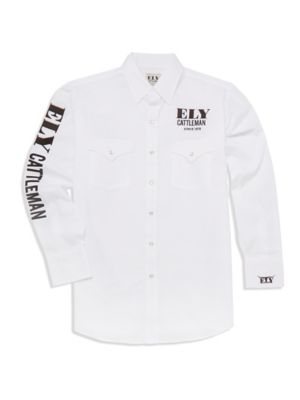
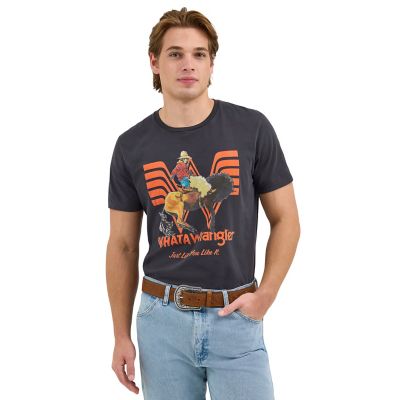
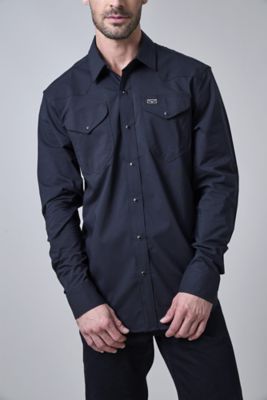
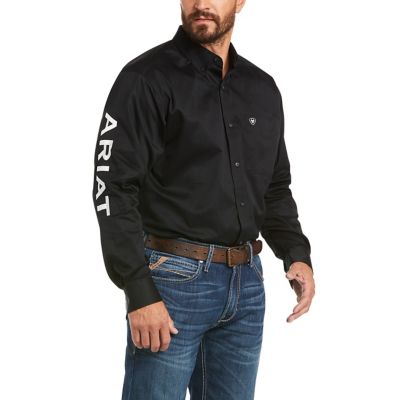
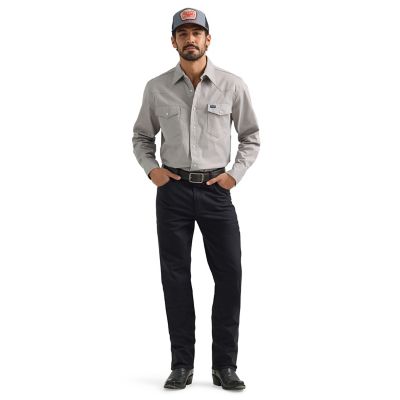
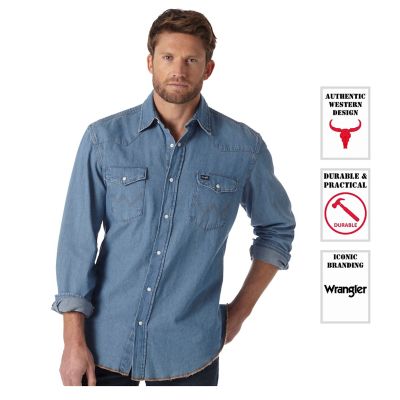
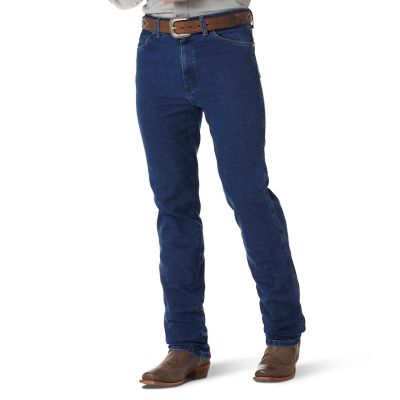
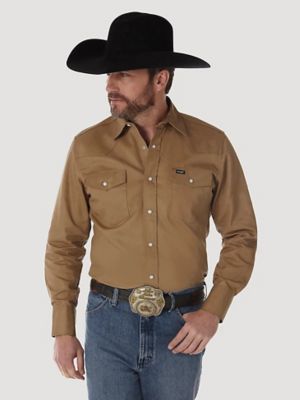
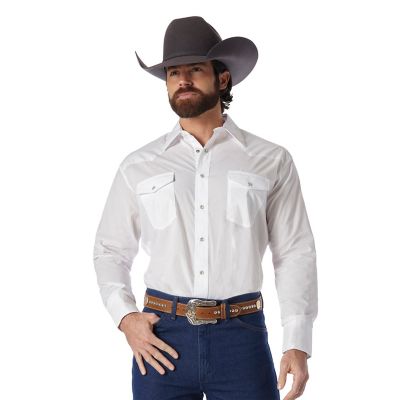
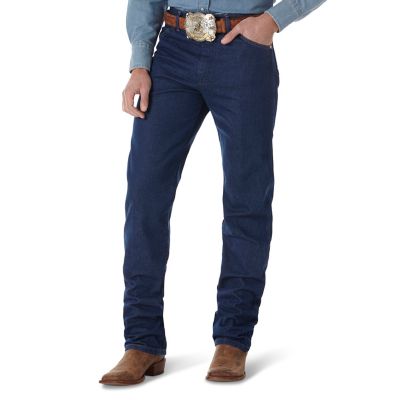
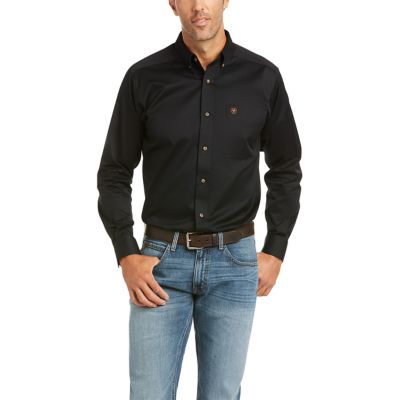
Men’s rodeo outfits for ranch gatherings often bring together a western snap-front or button-down shirt, denim jeans, leather cowboy boots, a belt and a cowboy hat. That familiar combination fits right in at a ranch supper, a livestock fundraiser or an evening spent watching the arena with family and friends. The best balance depends on what the day holds: an outfit for visiting around the picnic tables may call for a cleaner finish, while clothing for helping with gates and feed needs room to move and fabric that can handle some friction. Cotton shirts offer a comfortable feel against the skin, and woven fabrics give collars, cuffs and western shoulder yokes their familiar shape. Cotton blends may offer easier wrinkle care, while fabrics with a little stretch can make reaching across a table or climbing into a pickup more comfortable. Solid colors keep the look simple, plaid adds pattern, and contrasting snaps or stitching bring in western character without making every part of the outfit compete for attention. A shirt should sit comfortably across the shoulders, with enough room through the chest to reach forward without pulling at the fasteners. Long sleeves need enough length to cover the wrists when the arms bend, and a shirt meant to stay tucked should have a tail that reaches well below the waistband. Those details matter during a full afternoon of standing, sitting and lending a hand. For a more dressed-up gathering, a neatly tucked shirt and dark denim create a put-together look without losing that ranch feel. A familiar plaid and straightforward jeans suit a laid-back cookout just as well. Care labels help settle questions about washing, drying and pressing, especially when a shirt combines cotton with stretch fibers or has embroidery across the yoke. Turning shirts inside out and fastening closures before laundering can help limit snagging and rubbing against other clothing.
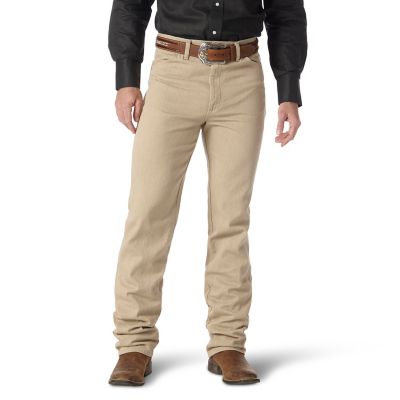
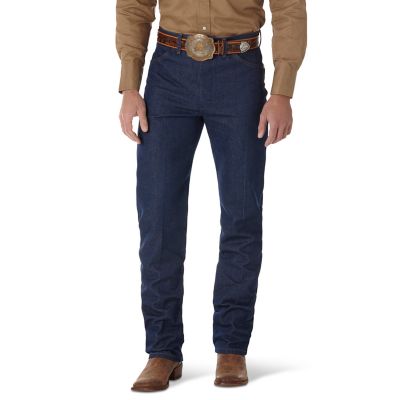
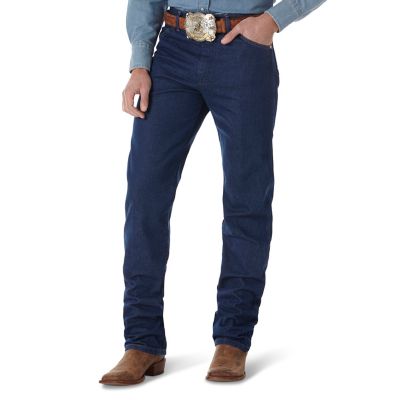
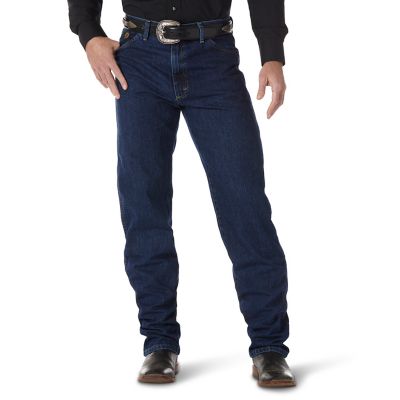
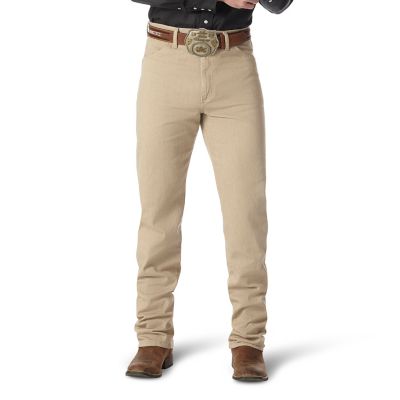
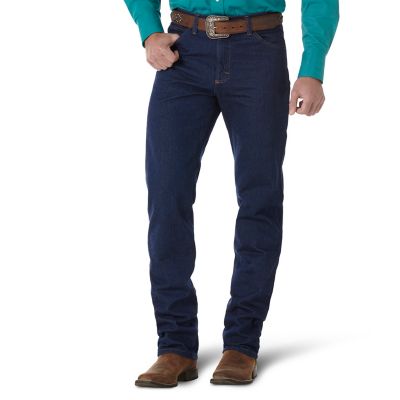
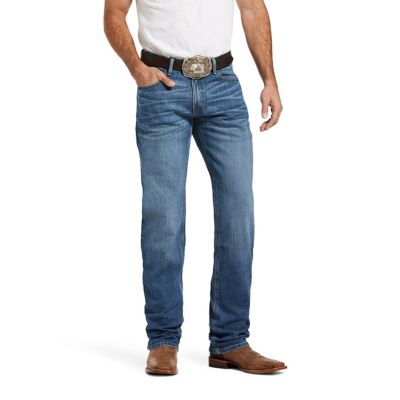
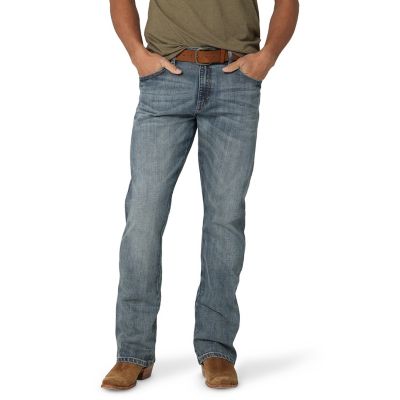
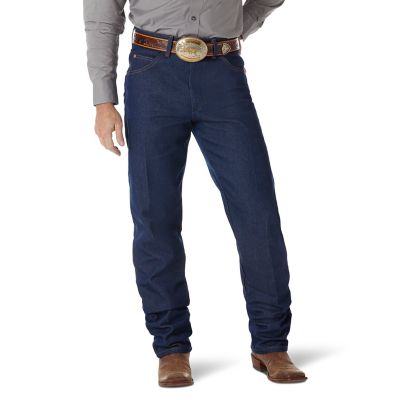
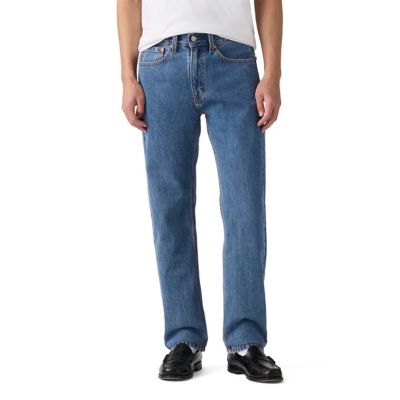
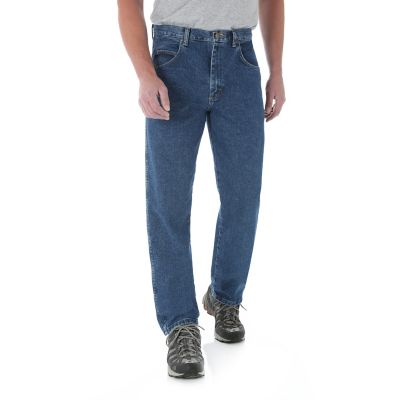
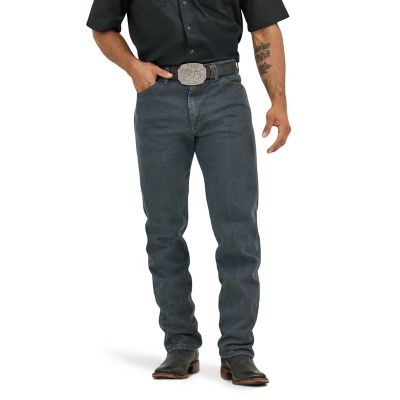
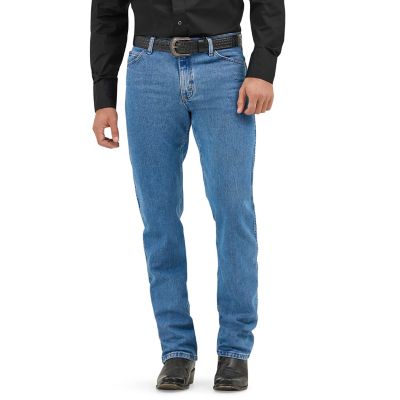
Jeans carry much of the workload in a western outfit, so fabric weight, rise and leg shape deserve as much attention as the wash. Heavier denim has a substantial feel and can stand up to repeated contact with saddle leather, fence rails and rough seating, though it may feel stiffer at first. Denim with stretch allows more give through the seat and knees, which can be welcome during a long drive or repeated trips between the barn and the gathering. A comfortable waistband stays in place without pinching when seated, and enough room through the thigh helps prevent pulling when stepping onto a truck’s running board. Straight and bootcut legs commonly work with western boots because the opening can fall over the shaft rather than bunch above it. The hem should clear the ground while leaving enough length to cover the boot when sitting down. Excess fabric dragging beneath the heel wears quickly and can get underfoot. Leather western boots complete the familiar rodeo look, but their shape and construction also affect how they feel through a full day. The instep should feel secure without sharp pressure, toes need room, and a small amount of heel movement can be normal in some pull-on boots before the footbed settles. Rounded, square and narrower toe shapes offer different looks, but the fit of the whole boot matters more than the outline alone. Outsole tread affects footing around gravel lanes, packed dirt and concrete walkways; a smooth sole will not behave the same way on every surface. Boots for riding or assigned ranch work need features suited to that activity, not just a western appearance. For routine care, brush loose dirt from denim and footwear, follow garment washing directions, and wipe leather clean with products intended for its finish. Letting boots dry naturally away from direct heat and applying a suitable conditioner when needed can help keep the leather from drying out. Suede and other textured leathers need their own care methods rather than the same treatment as smooth leather.
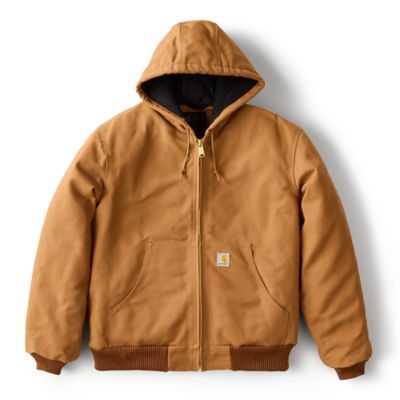
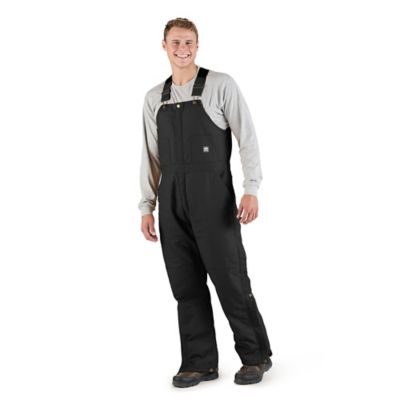
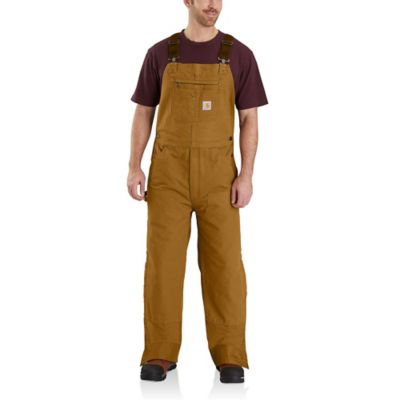
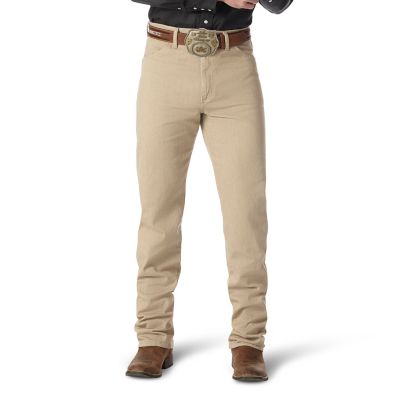
Belts, buckles and hats give men’s rodeo outfits for ranch gatherings their finishing touches while serving practical purposes. A leather belt should fit the jean loops, hold the waistband comfortably and leave enough adjustment for a tucked shirt. Buckle dimensions matter when sitting in a pickup or leaning forward at a table; a bold buckle can be part of the tradition without pressing into the stomach every time the wearer bends. Coordinating the general tone of the belt and boots gives the outfit an easy sense of connection, though the leathers do not have to match shade for shade. A cowboy hat adds a recognizable western silhouette, whether the preference is the structured appearance of felt or the woven texture of straw. Crown height and brim shape change the overall look, but a steady, comfortable fit is what makes a hat pleasant to wear for hours. It should sit securely without leaving a tight pressure line around the forehead. Holding a hat by the brim with clean hands, keeping it out of a crowded truck seat and following its care directions can help preserve its shape. A bolo tie, a neatly folded neckerchief or restrained embroidery can add personality for a ranch celebration, though loose accessories should stay clear of machinery and other snag hazards when chores are part of the day. The distinction between social clothing and working clothing is worth keeping in mind, particularly when a gathering includes both a meal and time around livestock. For occasions with more hands-on tasks,
Rodeo Outfits For Ranch Activities connects the same western look with clothing suited to movement and everyday ranch routines. These clothing categories can also make thoughtful gifts for a dad, brother, partner or friend who enjoys rodeo nights and ranch get-togethers. Familiar shirt measurements, jean rise and inseam, boot sizing and hat size make a more useful starting point than guessing from appearance. An outfit that feels comfortable from the first handshake to the last trip through the gate is the one most likely to become a regular favorite.