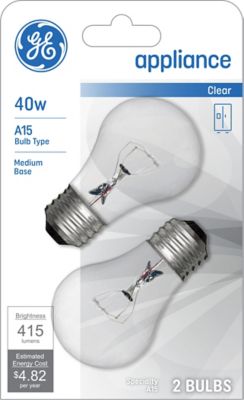
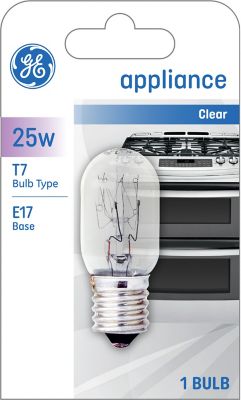
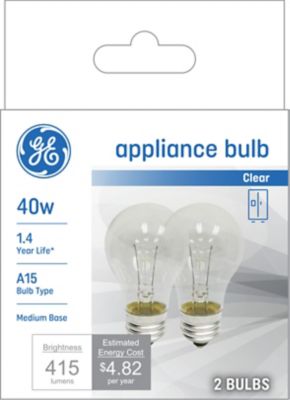
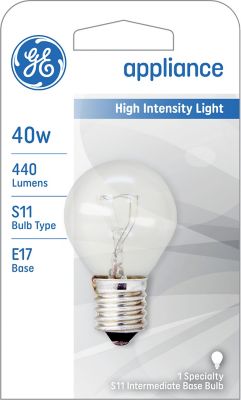
Refrigerator replacement light bulbs keep everyday kitchen tasks simple, whether that means finding the milk before chores, checking leftovers for supper, or spotting a jar tucked behind a crowded shelf. A working light makes the whole compartment easier to see without moving half its contents around. These bulbs serve a particular job inside an appliance, so a familiar shape or matching screw base is only part of the fit. The right replacement matches the refrigerator manufacturer’s requirements for base size, bulb shape, voltage, wattage, and lighting technology. Appliance bulbs often have a compact profile that fits beneath a shield or inside a recessed housing, where a regular household bulb may be too wide or too long. That small difference matters when the light sits close to a liner, shelf, or plastic cover. Some refrigerators take a replaceable screw-in bulb, while others have an integrated LED module that calls for a different replacement part or service procedure. The appliance manual and model number help distinguish between those designs before a bulb is selected. For a kitchen refrigerator, a second refrigerator near the mudroom, or an appliance in a break room, compatibility matters more than where the refrigerator stands. A clear view of shelf edges, containers, and drawer contents is the goal, without glare that makes the compartment uncomfortable to look into. Clear and frosted bulb finishes can affect how light spreads, though the refrigerator’s lens and bulb position also play a large part. A bulb mounted behind a shield may illuminate differently from one exposed along the side wall. Matching the original design helps preserve the lighting pattern the appliance was built around. For households that keep plenty of food on hand, a properly fitted replacement is a small maintenance item that makes a noticeable difference every time the door opens.
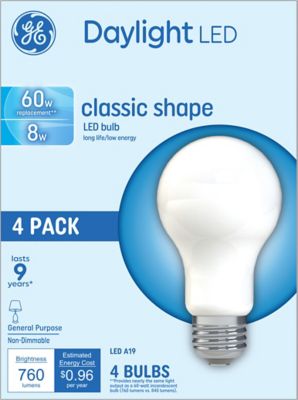
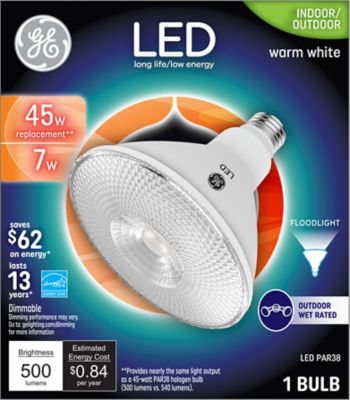
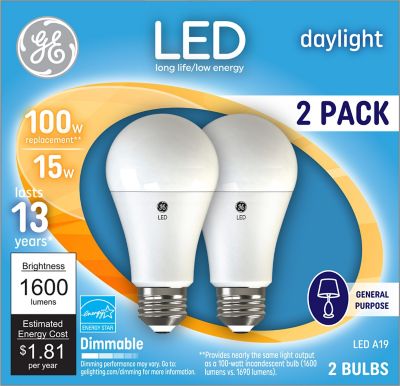
Fit starts with the details printed on the existing bulb, the lamp housing, or the appliance manual, rather than a guess based on appearance. Refrigerator light bulb requirements vary: some appliances call for 15-watt or 40-watt incandescent appliance bulbs, while others specify a different rating or an approved LED replacement. The marked maximum wattage is a limit, not a brightness target. Exceeding it can generate excess heat and damage nearby plastic or other parts of the housing. With an LED, actual power consumption and an advertised incandescent-equivalent brightness are different measurements; the actual wattage must stay within the fixture limit, and the bulb still needs approval for the application. Lumens describe light output and offer a better basis for comparing brightness across lighting technologies. More light is not automatically better in a small compartment, especially if the bulb sits near eye level. Color temperature affects appearance, too: warmer light has a yellowish cast, while cooler white light can make the compartment look crisper. Manufacturer specifications should come first, with brightness and light color considered within those limits. Base diameter, thread type, overall length, and the widest part of the bulb all matter, because a bulb can screw into a socket yet prevent the cover from closing. Common appliance designs include glass envelopes and metal screw bases; LED designs may also have plastic components and electronic drivers. Those materials alone do not establish suitability for a refrigerator. The complete bulb needs a rating appropriate for the appliance’s operating conditions, including the temperatures and moisture exposure it may encounter. A bulb intended for a room lamp is not necessarily suited to that setting, and a refrigerator-compatible bulb is not automatically suitable for a freezer compartment. Enclosed housings can place additional limits on LED selection. Intended use, the refrigerator’s instructions, and the bulb’s labeling together provide a stronger basis for selection than the word “appliance” by itself.
Care and replacement are usually straightforward when the refrigerator has an accessible, replaceable bulb, but the cover arrangement and access method vary by model. Disconnecting power before handling the bulb or socket is an essential safety precaution, even when the door switch appears to turn the light off. An incandescent bulb may also need time to cool before it can be handled comfortably. Light shields can attach with tabs, screws, or sliding fittings, so checking the manual helps prevent a broken clip from turning a small job into a larger repair. A matching screw-in replacement should seat snugly without excessive force; overtightening can damage the bulb or socket. The protective shield belongs back in place before normal operation resumes. For routine care, keeping that shield free of food splashes and residue can help light reach the shelves, but cleaning methods should follow the appliance instructions, with moisture kept away from electrical contacts. A longer stated bulb life can mean fewer replacements, although service life depends on operating conditions, switching patterns, and compatibility. If a correctly specified replacement does not illuminate, the trouble may involve the door switch, socket, wiring, or LED electronics rather than another failed bulb. Repeated failures, damaged contacts, or signs of scorching warrant attention from a qualified service professional instead of a higher-wattage substitute. Keeping the refrigerator model number with household maintenance records makes future matching easier, especially when the original bulb’s markings have faded. The same attention to appliance requirements matters elsewhere in the kitchen, but refrigerator and oven lighting should not be treated as interchangeable. An oven requires a bulb specifically rated for its much hotter operating environment;
Replacement Bulbs for Ovens belong to that separate application. For refrigerator lighting, the best fit is a bulb that meets the specified electrical and physical requirements, clears its cover, and lights the compartment as intended. That keeps the focus where it belongs: on seeing what is on the shelves and getting on with the day.