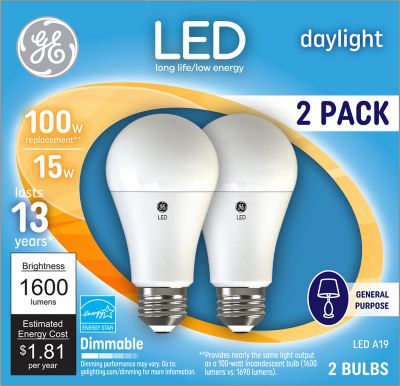
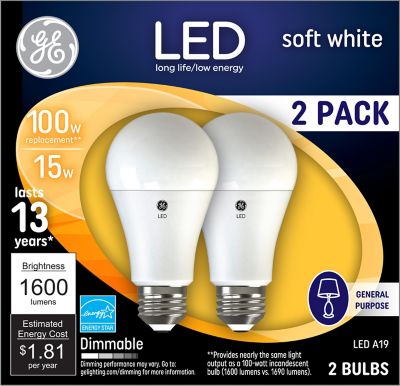
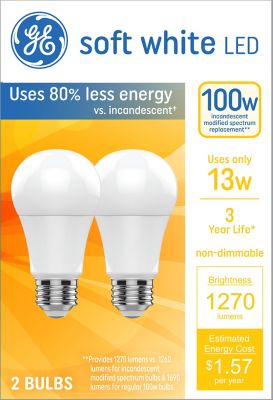
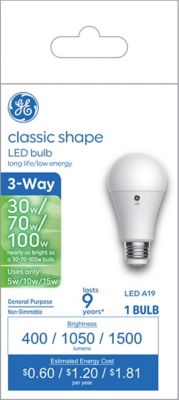
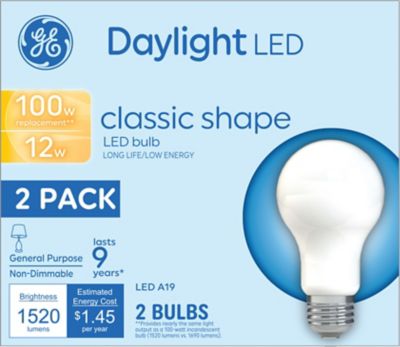
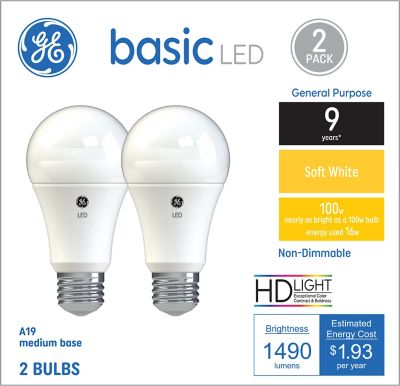
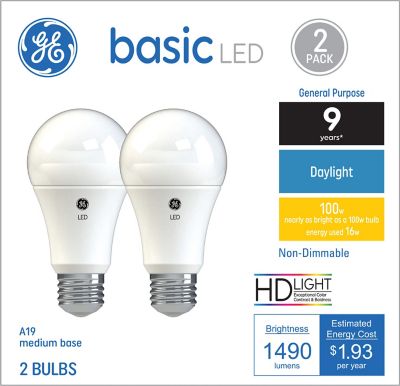
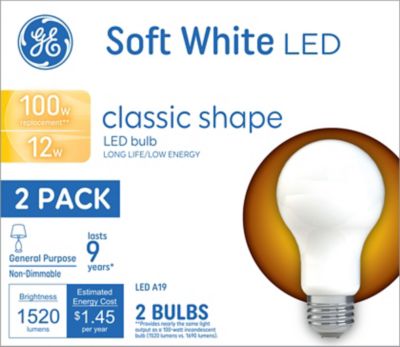
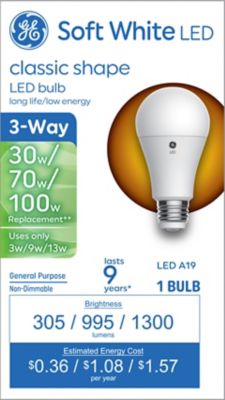
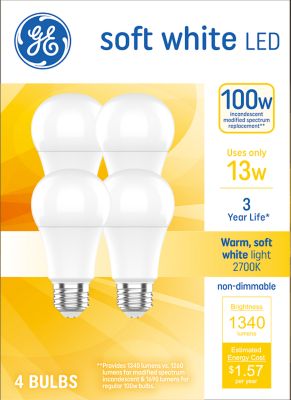
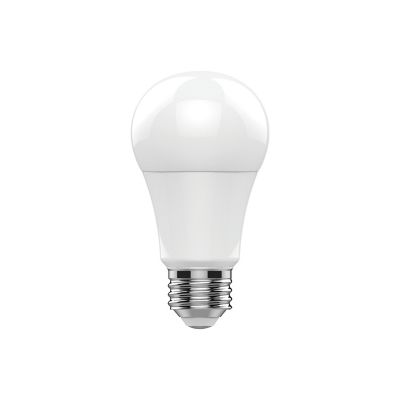
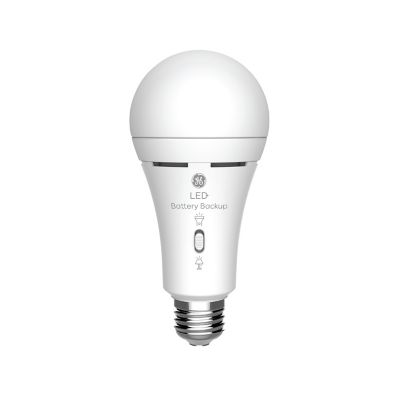
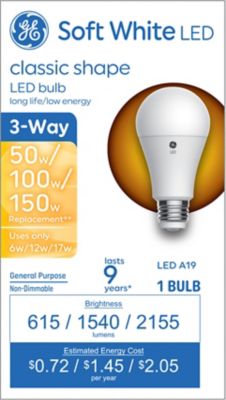
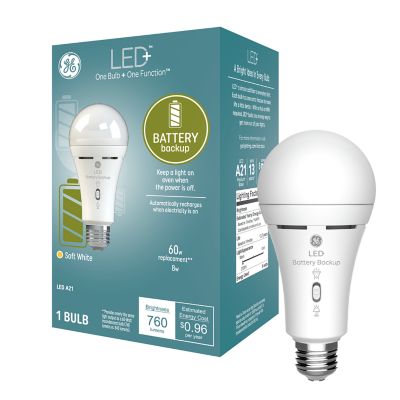
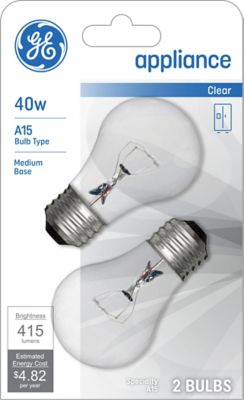
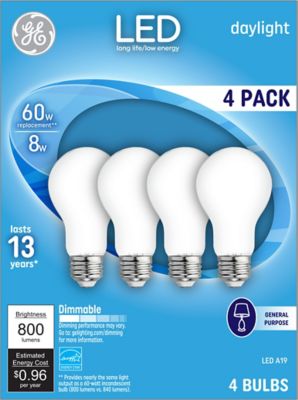
A 100-watt equivalent LED light bulb delivers roughly the brightness of a traditional 100-watt incandescent bulb while drawing much less electricity. Around 1,600 lumens is the common benchmark, with many bulbs consuming about 13 to 17 watts, though actual wattage and light output vary by design. The equivalent rating describes brightness, not electrical consumption, so the lumen count and actual wattage on the package tell the fuller story. That amount of light suits plenty of everyday jobs around the house and outbuildings, from sorting hardware at a workbench to reading feed labels in a utility room. It can also bring more light to a table lamp or overhead fixture where a lower-output bulb leaves the space feeling dim, provided the bulb meets the fixture’s requirements. Many household versions have an E26 medium screw base, the familiar threaded base found in common lamps and ceiling fixtures across the United States. A19 is a common bulb shape in this category, but larger A21 shapes and other formats also appear. Base size and bulb shape describe different things: a bulb can screw into the socket and still be too wide or too tall for the shade or glass cover. A19 bulbs are nominally about 2⅜ inches across at their widest point, while A21 bulbs are about 2⅝ inches across; overall length varies. Clearance matters in shallow ceiling lights, narrow lamp shades, and fixtures with retaining rings. Matching the socket, checking the bulb’s dimensions, and following the fixture’s marked limits help keep the fit straightforward. A 100-watt equivalent label does not mean the bulb draws 100 watts, but its lower electrical draw does not make it suitable for every fixture. Actual wattage, enclosure restrictions, operating position, and any listed application limits all matter. For a kitchen table, laundry area, or small workshop, the right combination of brightness and physical fit makes this category a practical choice for everyday lighting.
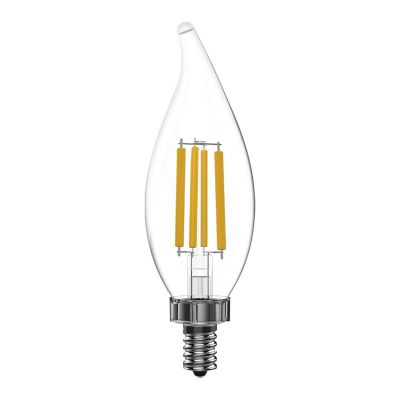
Light color has just as much influence on a room as brightness does. Color temperature, measured in kelvins, describes whether the light looks warm and yellowish or cooler and whiter; it does not describe how much light the bulb produces. Soft white bulbs around 2700K give a warm appearance that feels at home beside a recliner, over a dining table, or in a bedroom lamp. Around 3000K, the light still has warmth but generally looks a little crisper. Daylight bulbs around 5000K have a cooler appearance that some people prefer for garages, laundry rooms, and task areas. A 1,600-lumen soft white bulb and a 1,600-lumen daylight bulb have similar rated light output even though they can make the same room feel quite different. Keeping the kelvin rating consistent across fixtures that light the same space helps avoid an uneven mix of yellowish and bluish light. For anyone comparing paint colors, matching fabric, or looking closely at wiring labels, color rendering is another useful detail. The color rendering index, or CRI, indicates how naturally colors appear under the light, with higher ratings generally supporting better color distinction. Shade material, wall color, and fixture placement also affect what reaches the work surface. A dark shade absorbs more light than a pale one, and a deep overhead cover may direct light differently than an open lamp. Frosted bulbs soften the view of the light source, while clear bulbs leave their internal elements more visible and can look sharper in an exposed socket. Dimming adds another consideration for rooms that handle more than one job, such as a kitchen table that serves for both paperwork and supper.
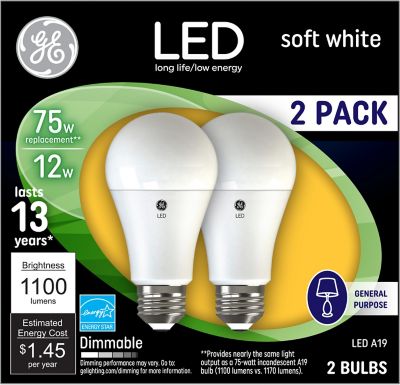
Dimmable Soft White LED Bulbs pair a warm light appearance with adjustable output when matched to compatible controls. Both the bulb and dimmer need to support LED dimming; a dimmable label alone does not guarantee smooth operation with every wall switch. Matching those components helps reduce flicker, buzzing, or sudden changes at lower settings.
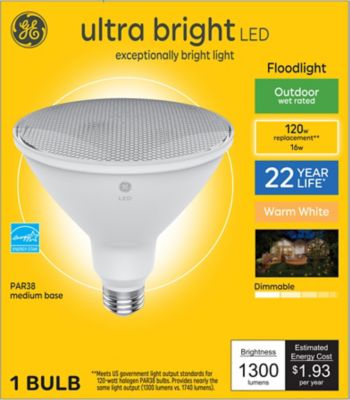
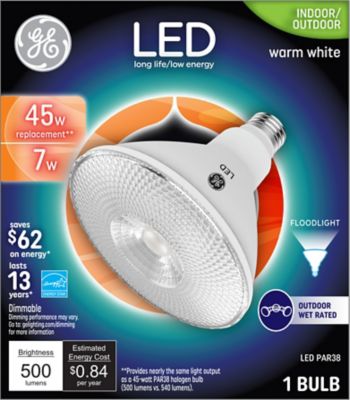
Construction and fixture ratings help separate a bulb suited to a bedside lamp from one intended for a covered entry or enclosed ceiling light. LED bulbs may have glass or plastic outer shells, a threaded metal base, and internal electronics that regulate power to the light-emitting components. Glass and plastic versions can differ in weight and resistance to breakage, while the bulb’s overall design affects how it sheds heat. LEDs send less heat into a room than incandescent bulbs at comparable brightness, but their electronics still need suitable operating conditions. A globe or enclosed fixture can trap heat around the base, so an enclosed-fixture rating matters when the bulb sits behind a fully closed cover. Damp-location and wet-location ratings describe different levels of moisture exposure and should match the installation, along with the fixture’s own rating. An indoor-only bulb is not a substitute for one rated for an outdoor application. Around a barn aisle, equipment room, or busy workshop, protection from dust, moisture, and accidental contact depends on the fixture as well as the bulb. An ordinary household LED bulb does not make a fixture suitable for agricultural or hazardous locations. For household lighting, switching off power and letting the bulb cool before handling makes routine care simpler. A gentle wipe with a dry, soft cloth can remove surface dust when permitted by the manufacturer; cleaning sprays should stay away from the base and socket. Holding the bulb securely without overtightening helps avoid strain on the shell or fixture. Service-life ratings are estimates rather than promises, and heat buildup, incompatible controls, and installation conditions can shorten operating life. For lamps that stay on through long stretches of reading, mending, or paperwork, lower wattage at the same general brightness can reduce electricity consumption compared with incandescent lighting. These bulbs provide illumination rather than the heat needed for brooding or warming applications. Whether the space is a farmhouse kitchen, a reading corner, or a utility room beside the back door, matching lumens, light color, base size, and fixture ratings helps put useful light where everyday work happens.