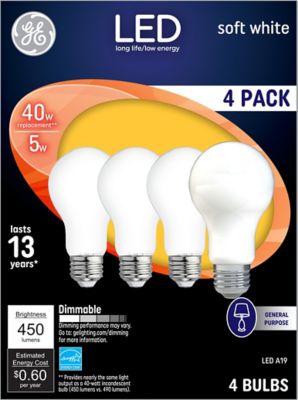
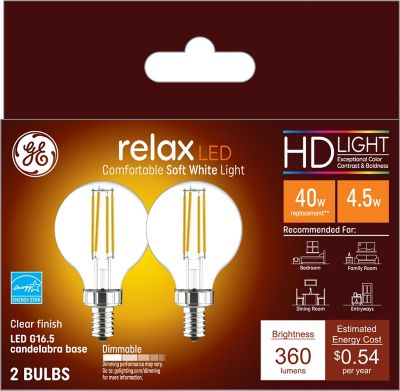
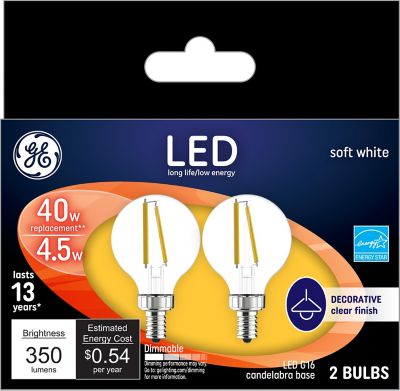
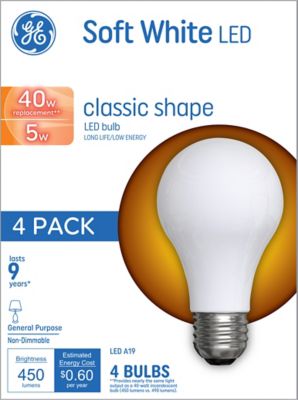
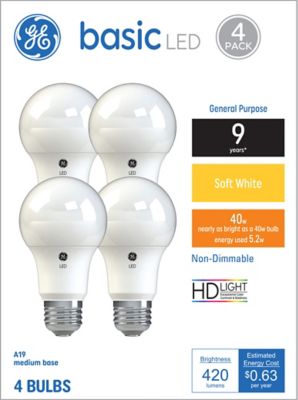
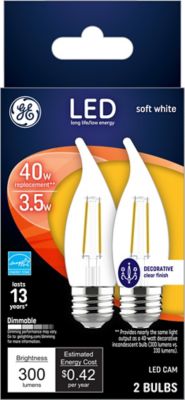
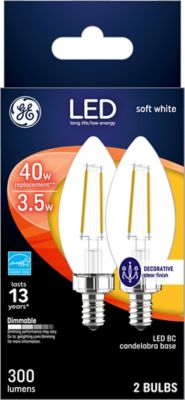
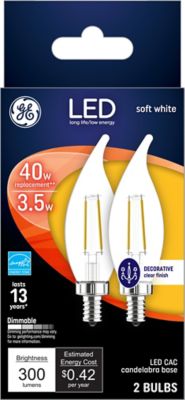
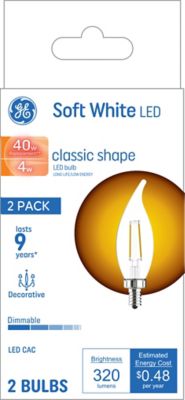
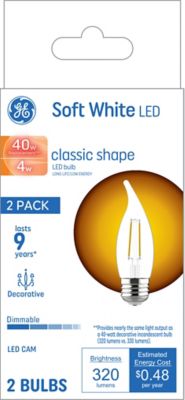
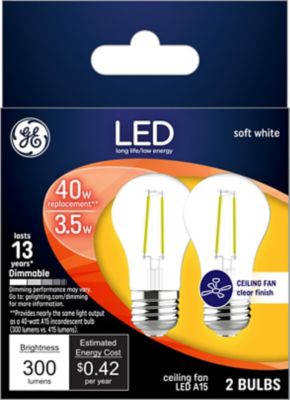
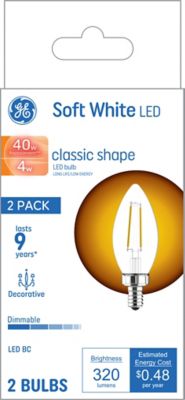
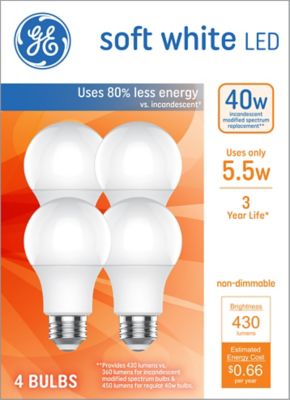
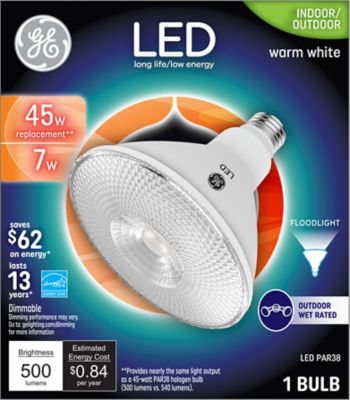
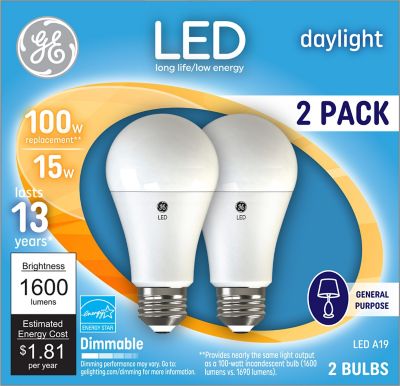
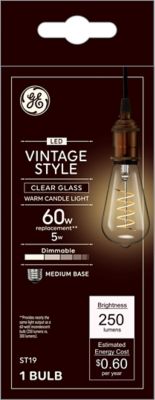
A 40-watt equivalent LED bulb generally produces about 450 lumens of light while drawing roughly 4 to 9 watts of electricity, depending on its design. The “40-watt equivalent” description compares its brightness with a traditional 40-watt incandescent bulb; it does not mean the LED draws 40 watts. Lumens tell you how much light a bulb puts out, while the actual wattage on the package tells you how much power it needs. That distinction makes these bulbs a practical fit for table lamps, bedside lights, hallway fixtures and other spots where a modest amount of light does the job. A lamp beside a favorite chair needs a different feel than overhead lighting above a workbench, and a 40-watt equivalent bulb can provide comfortable light close at hand without trying to illuminate an entire shop. In a fixture with several sockets, each bulb contributes to the total light, though shades, covers and fixture placement affect how much reaches the room. Color temperature also shapes the feel of the space. Soft white light around 2700K has a warm, yellowish appearance that works well beside a couch or over a small dining table. Light around 3000K looks a little less yellow, while options labeled cool white or daylight generally have a crisper appearance. Daylight labels can cover different Kelvin ratings, so the number on the package offers a better comparison than the name alone. A higher Kelvin rating does not automatically mean a brighter bulb; a 450-lumen soft white bulb and a 450-lumen daylight bulb have comparable light output but different color appearances. Matching both lumens and Kelvin ratings helps neighboring lamps look consistent, especially in an open room where several fixtures are visible at once. For reading a feed label at the kitchen counter, sorting mail or settling in with a book, the right combination comes down to the light reaching the task and the way that light feels in the room.
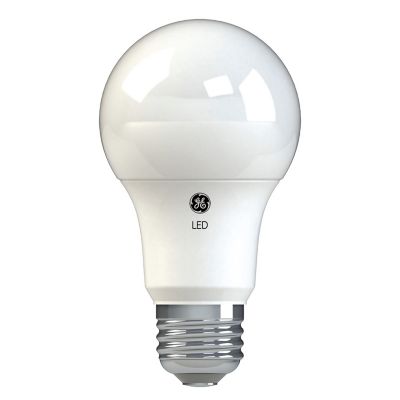
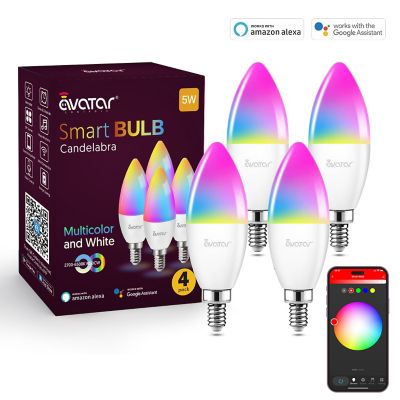
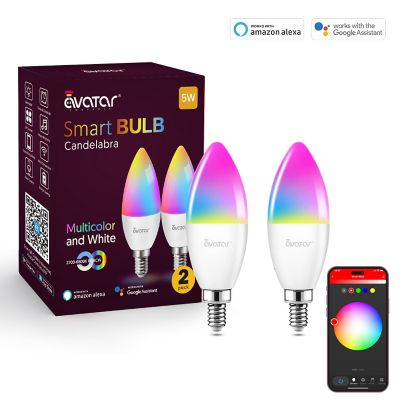
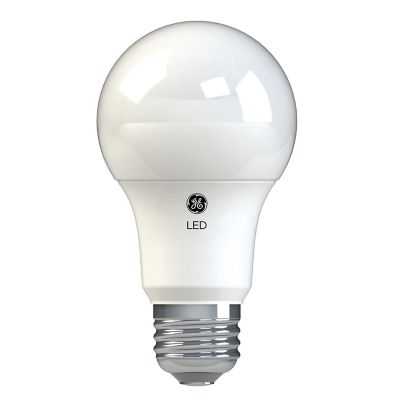
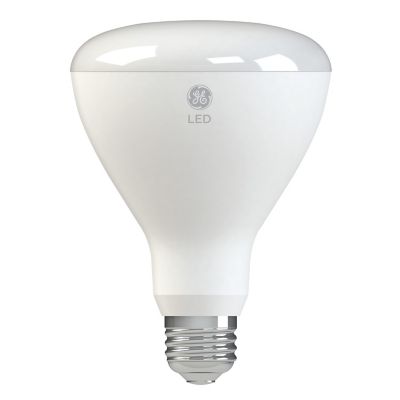
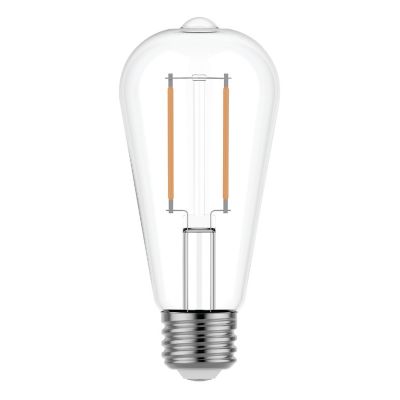
Fit matters just as much as brightness when choosing 40-watt equivalent LED bulbs. The familiar A19 shape often pairs with an E26 medium screw base, but shape and base are separate specifications, and neither should be assumed from the wattage equivalent alone. Smaller fixtures may call for a compact bulb, while chandeliers and sconces often have slender shapes and smaller bases, such as an E12 candelabra base. A bulb that threads into the socket can still be too wide for a glass shade or too tall for the fixture cover. Overall height, widest diameter and clearance around the socket all matter, particularly in a shallow ceiling fixture or a lamp with a narrow shade opening. Bulb construction changes the appearance, too. Frosted covers soften the view of the light source and can help limit the sharp points of light visible through an open shade. Clear bulbs reveal more of the internal structure and may create distinct reflections in a clear glass fixture. Glass and plastic covers each appear in LED lighting, with handling precautions and impact ratings depending on the individual design. A plastic cover is not automatically shatterproof, and any bulb around a busy utility area should have ratings suited to that location. Light distribution deserves a look as well. Some designs spread light broadly around a lamp, while others send more light in one direction. That difference can affect the glow above a lampshade or the shadows beneath a wall fixture even when the lumen ratings match. Color rendering is another useful specification for spaces where appearance matters. A higher color rendering index, or CRI, can help colors look more natural when checking clothing, matching thread or looking over produce on the counter. Matching bulb shape, finish and light color across a multi-socket fixture also gives the fixture a more even appearance, without one socket looking noticeably different from the rest.
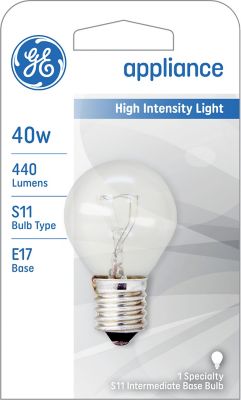
Everyday performance depends on pairing the bulb with the fixture and its controls. Dimmable 40-watt equivalent LED bulbs need a compatible dimmer, and a bulb marked non-dimmable belongs on a suitable on-off circuit rather than a dimming control. Even a dimmable LED may flicker, buzz or have a limited dimming range with an older control, so compatibility information matters for a bedside lamp or dining fixture where lower light is part of the routine. Enclosed fixtures need bulbs specifically rated for enclosed operation because heat can build up beneath a cover. Damp-location and wet-location ratings also serve different purposes; a sheltered location and a spot exposed to water do not call for the same protection. Those ratings apply alongside the fixture’s own requirements, not in place of them. Appliance lighting has separate requirements, so compare the appliance manual with the specifications for
40 Watt Appliance Light Bulbs rather than assuming a general-purpose LED belongs in an appliance socket. Ordinary LED bulbs are not intended for oven interiors, and refrigerator or range hood applications need the appropriate dimensions and operating ratings. For general household lighting, the rated life on an LED package is an estimate under stated test conditions, not a promise that every bulb will run for that exact number of hours. Fixture ventilation, operating conditions and electrical compatibility can all affect service life. Basic care helps keep the light unobstructed: with power off and the bulb cool, a gentle wipe with a dry cloth removes dust from accessible surfaces. Water and cleaning sprays should stay away from sockets and electrical parts. Cracked covers, damaged bases or persistent flickering call for attention rather than another turn of the switch. With the right base, dimensions, lumen output and fixture rating, these lower-output LEDs suit the everyday lamps and smaller lighting jobs that make a house easier to move through, read in and get things done around.