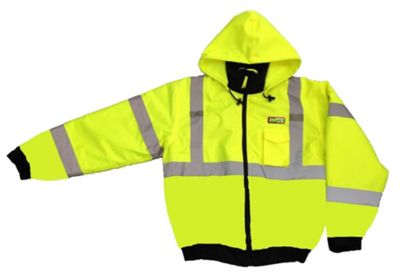
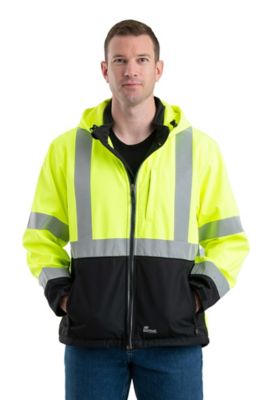
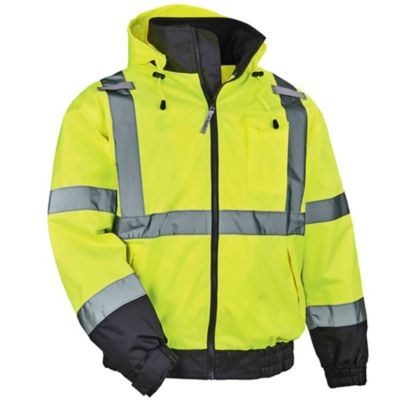
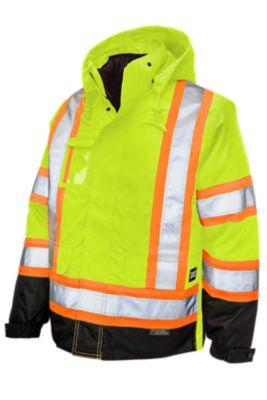
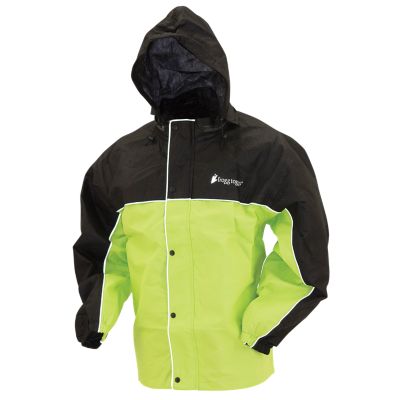
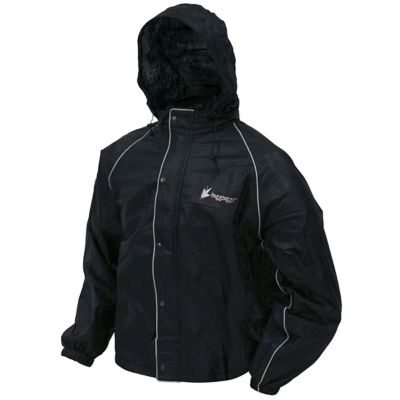
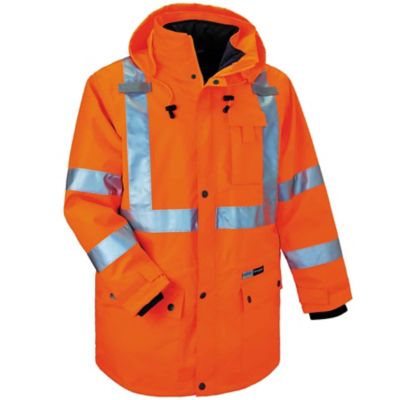
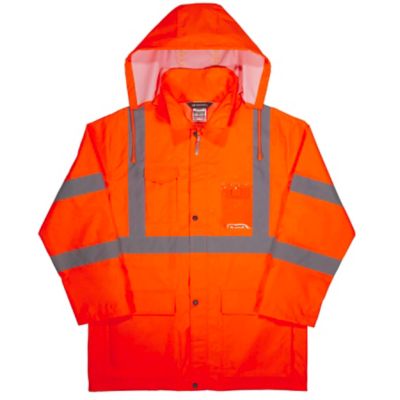
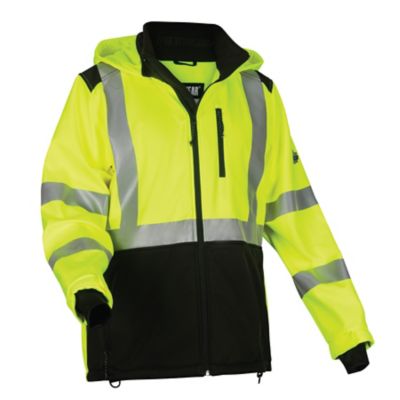
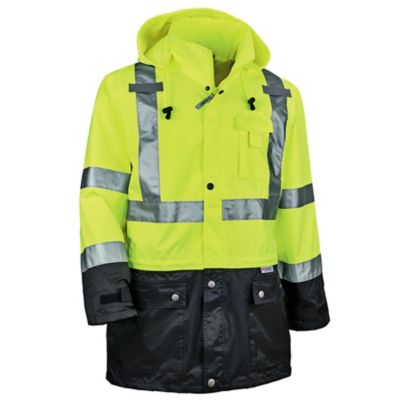
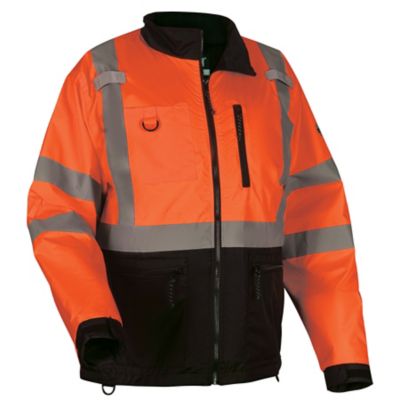
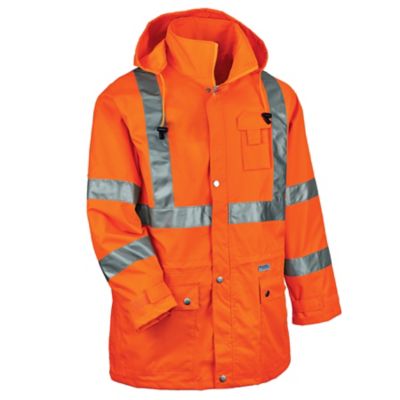
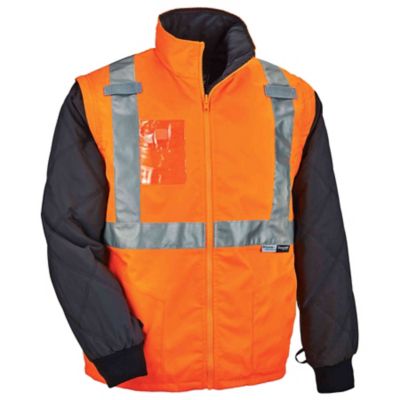
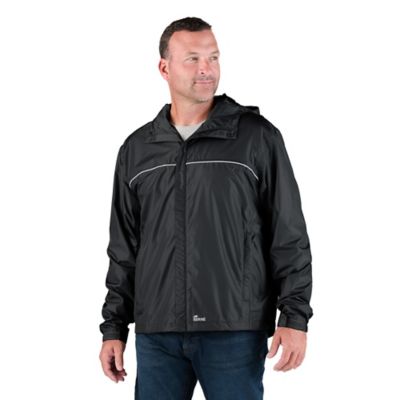
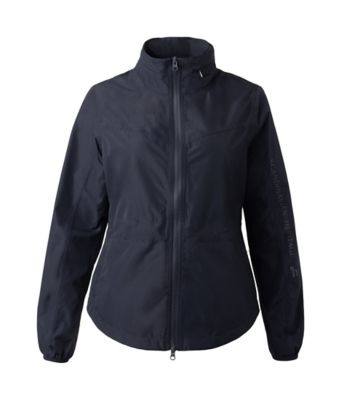
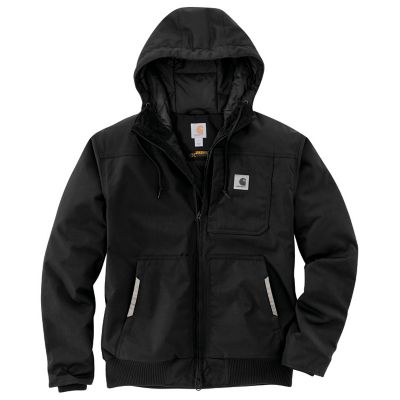
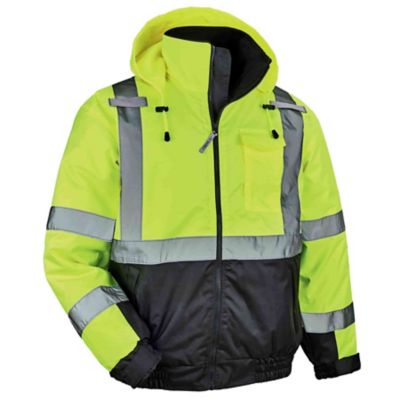
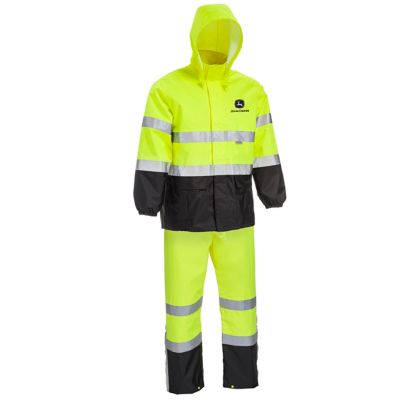
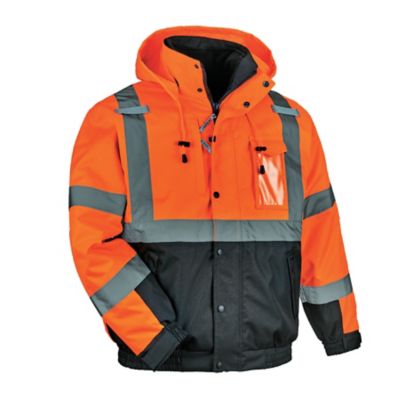
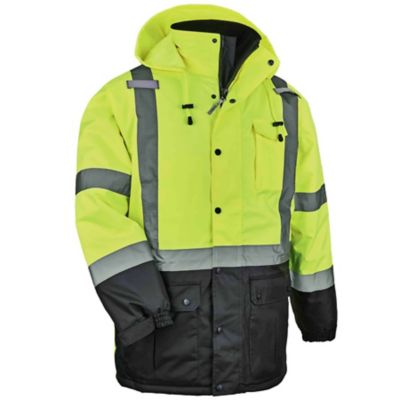
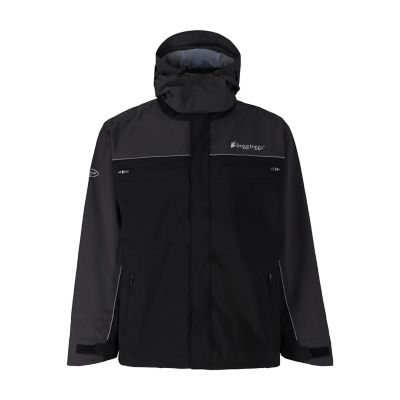
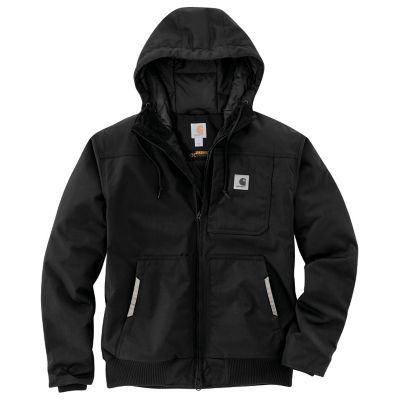
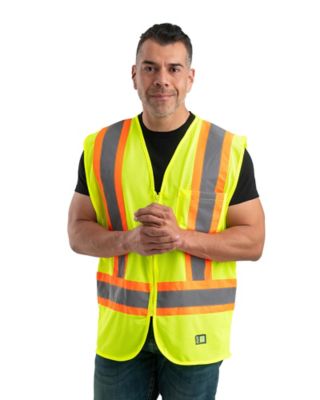
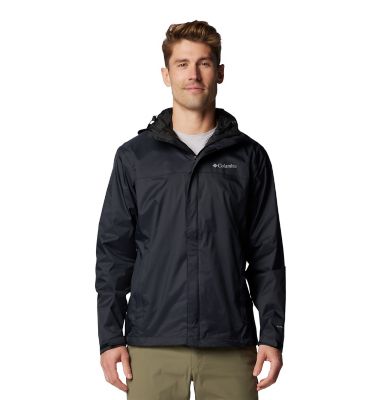
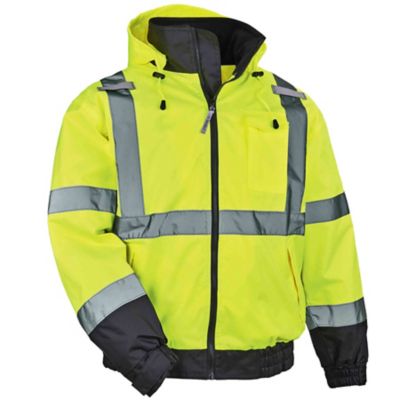
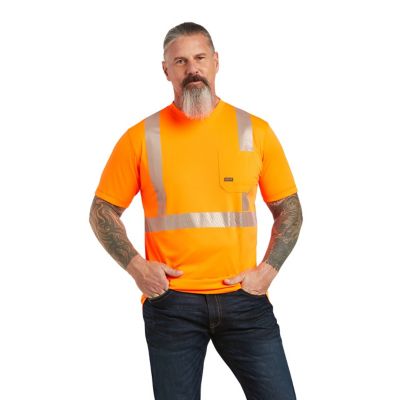
Reflective jackets for cycling help riders stand out when light from headlights or another outside source strikes the fabric and returns toward that source. That makes them a practical layer for a ride home after a late shift, a trip down a country road at dusk, or an early start before daylight. Reflective material does not produce its own light, and its appearance depends on the light source, viewing angle, distance, and condition of the garment. It complements bicycle lights and reflectors rather than replacing them, and no jacket can guarantee that a driver will see a rider. The main differences among reflective cycling jackets are how much reflective material they carry, where that material sits, and how the jacket fits while pedaling. Some designs have reflective strips or panels across the chest, shoulders, sleeves, and back; others have reflective treatment across most of the outer shell. Broader coverage creates a larger reflective area when illuminated, while well-placed trim can help draw attention to the rider from several directions. Sleeve details are worth considering because arms change position when steering or signaling a turn. A backpack can cover a large back panel, so visibility at the shoulders and sides matters for riders carrying lunch, work clothes, or a few essentials into town. Fluorescent fabric serves a different purpose: bright yellow or orange can improve contrast in daylight, while reflective elements respond to directed light in darker surroundings. Neither feature tells the whole story by itself. A jacket that looks bright on a hanger may look different from the side or beneath a pack. For commuters, recreational riders, and folks whose route includes narrow shoulders or stretches without streetlights, the most useful design combines thoughtfully placed reflective details with a shape that stays comfortable on the bike. That balance makes the jacket more than a visibility layer—it becomes something a rider can comfortably reach for on regular trips.
The fabric beneath the reflective treatment has plenty to do with how a cycling jacket feels over several miles. Nylon and polyester shells are common, with differences in fabric weight, weave, lining, and stretch affecting flexibility, abrasion resistance, and how easily the jacket packs away. Reflective surfaces may incorporate tiny glass beads or other engineered structures that return incoming light toward its source. Those treatments need care, particularly where backpack straps rub against shoulders or sleeves brush against rough surfaces. A smooth lining can help a jacket slide over a riding shirt without tugging at the elbows, while stretch panels can allow more freedom through the upper back. Breathability matters even on a short route: climbing the hill out of a creek bottom generates more body heat than rolling along a level lane. Underarm openings, back vents, and an adjustable front zipper can help release heat and moisture, though construction varies from jacket to jacket. Waterproofing is a separate feature from reflectivity, so a reflective shell should not be assumed to keep water out. Water-resistant fabric can shed limited moisture, while waterproof construction depends on the fabric or membrane, seam treatment, and closures working together. A waterproof rating describes resistance to water penetration under test conditions; it does not, on its own, describe ventilation, comfort, or the performance of every seam. Riders comparing those features can also explore
Mens Waterproof Cycling Jackets for that type of outer layer. Jacket weight also deserves attention. A light shell may fold into a bag for the return trip, while a more structured jacket may offer a substantial feel and additional pockets. Neither approach suits every ride. The better match depends on riding effort, time in the saddle, carrying space, and whether the jacket needs to feel equally comfortable during a stop at the feed store or coffee shop.
Fit becomes clearer in a riding position than while standing straight. Reaching toward the handlebars draws fabric across the shoulders and can pull a short hem above the waistband. A cycling-oriented cut often includes longer sleeves, shaped elbows, or an extended back hem to account for that position. There should be enough room to reach and turn without tightness across the back, but excess fabric can flap, catch air, or bunch at the waist. An adjustable hem helps keep the jacket settled, and cuffs should stay clear of the hands while leaving room to operate brake levers and shifters. A collar that lies comfortably against the neck and a zipper with a chin guard can make a noticeable difference over a longer ride. If a hood is part of the design, its fit should not interfere with helmet position, peripheral vision, or the ability to glance over a shoulder. Pocket placement matters, too. A phone or key ring in a low front pocket can press into the hip when pedaling, while a secure chest or rear pocket may sit farther from that bend. Closures help keep small belongings contained on uneven pavement, although pockets should not be assumed waterproof unless specified. For everyday wear, reinforced stress points, tidy seams, and zippers that move freely are useful signs to examine alongside fabric weight. Care is especially important for reflective clothing because dirt, abrasion, and improper laundering can reduce the performance of the reflective surface. Follow the garment’s care label for washing and drying, and avoid bleach, fabric softener, or direct ironing on reflective sections unless the instructions expressly allow them. Check high-friction areas and reflective panels periodically for peeling, cracking, or heavy wear. For a gift, knowing the rider’s usual size, handlebar position, and preference for a close or relaxed fit is more helpful than guessing from everyday shirts. A well-matched reflective cycling jacket should let its wearer pedal, signal, carry essentials, and look behind without fuss—practical details that count on the road home.