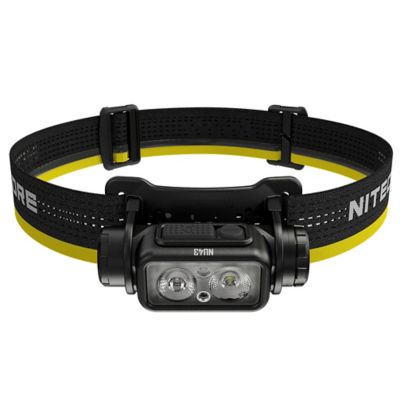
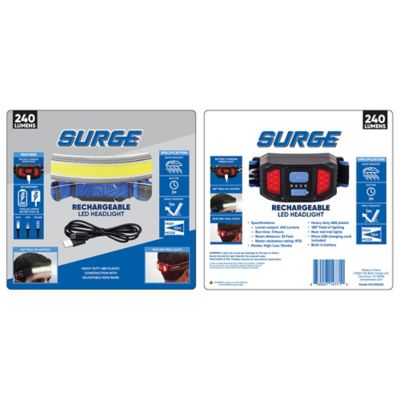
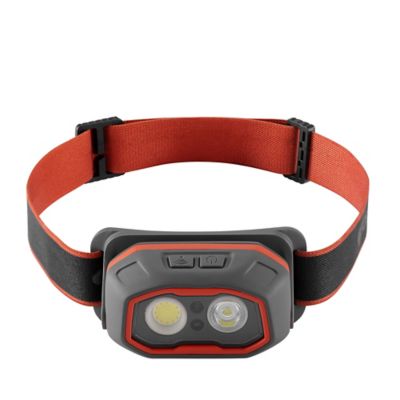
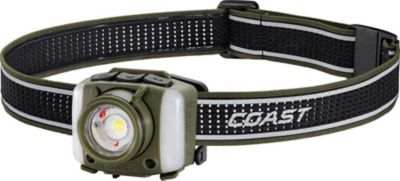
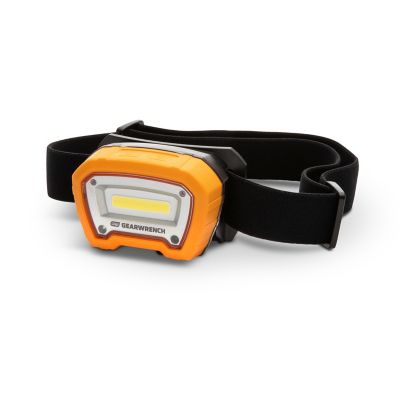
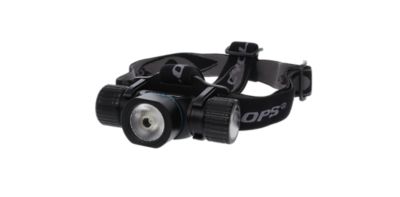
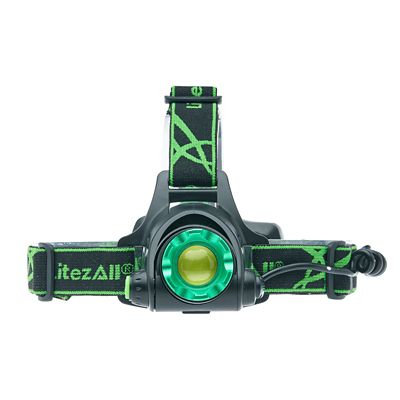
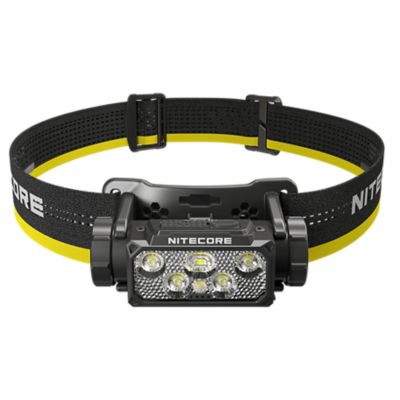
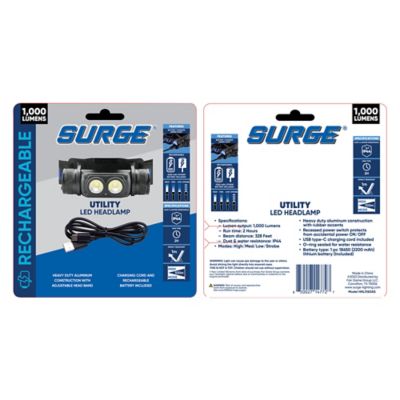
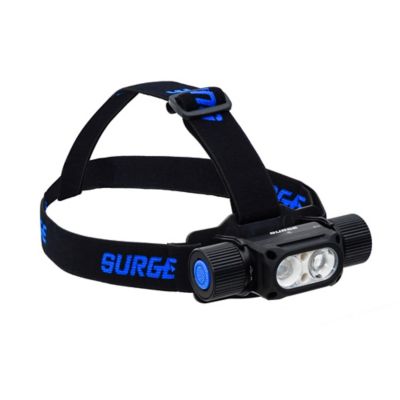
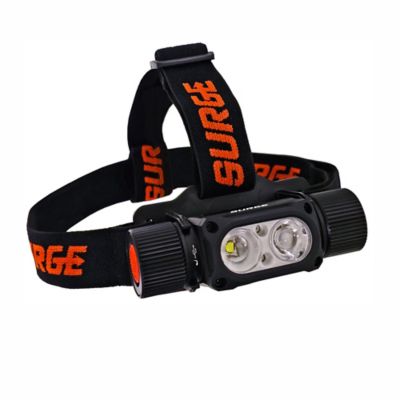
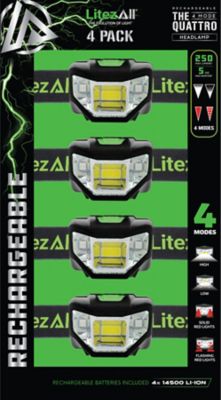
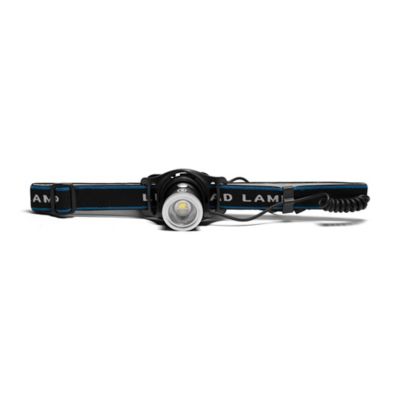
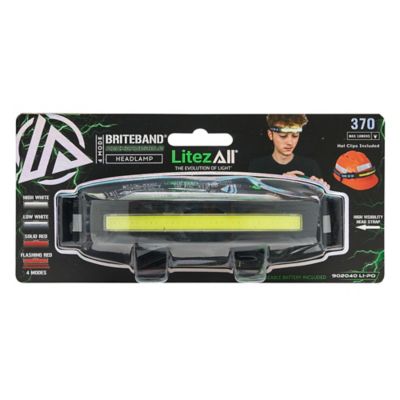
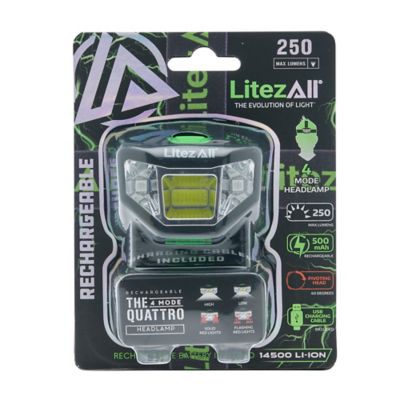
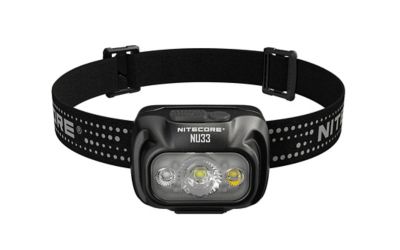
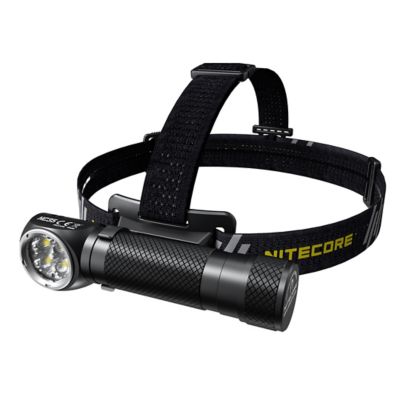
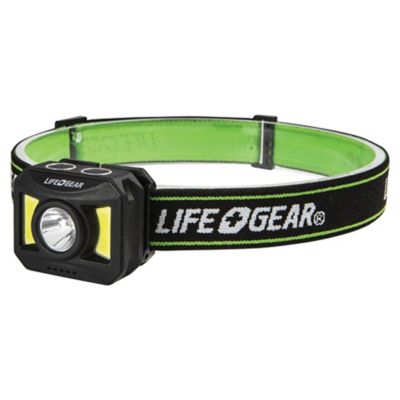
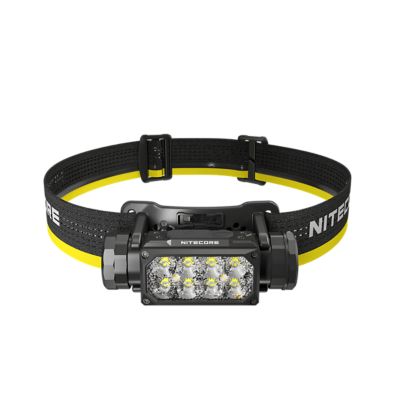
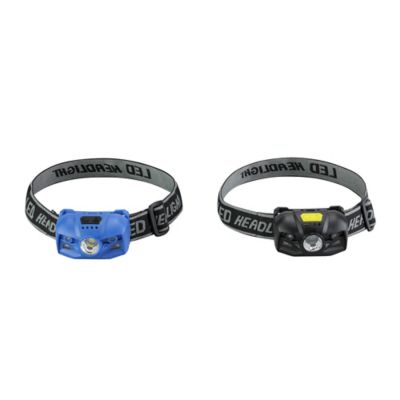
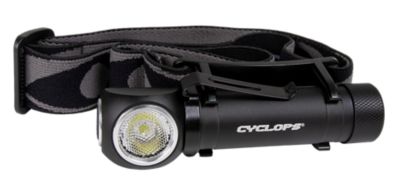
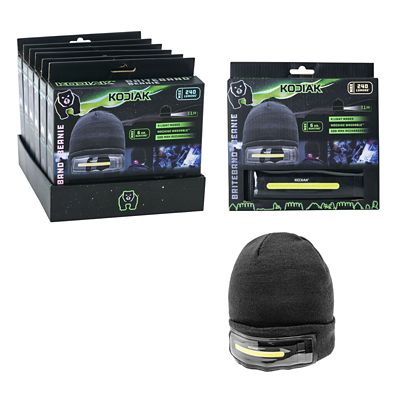
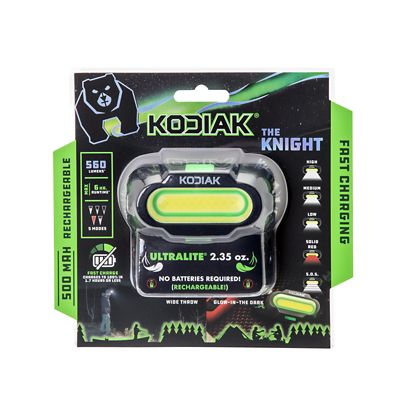
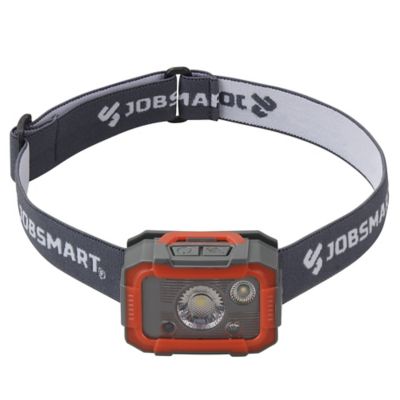
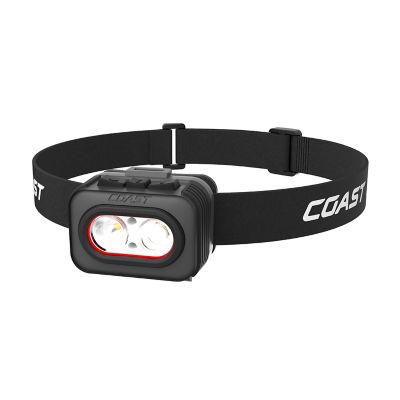
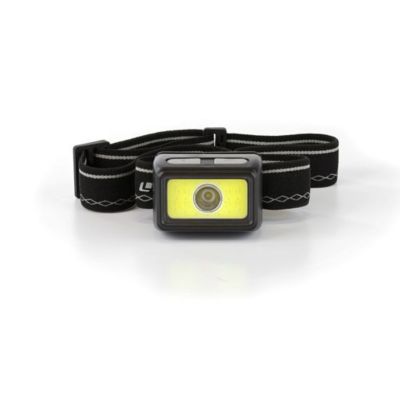
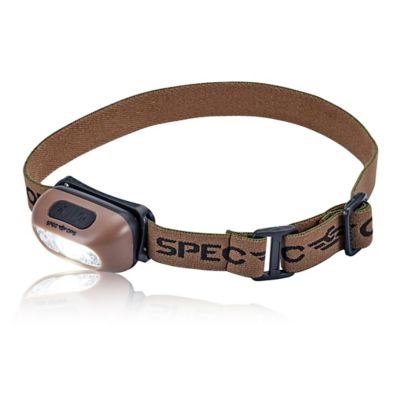
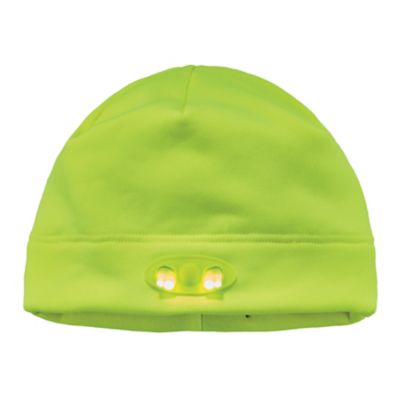
USB rechargeable headlamps provide hands-free lighting from a rechargeable battery that connects to a compatible USB power source, keeping light pointed where you look while leaving both hands free for the job. That makes them a practical fit for feeding livestock before daylight, fastening a gate after sundown, checking beneath a truck hood, or finding the trail back to camp. Instead of relying only on disposable batteries, these headlamps can recharge between outings or chores, whether connected to an appropriate wall adapter, vehicle charging port, or portable power bank. Charging connections vary by model, with USB-C and micro-USB among the possibilities, so the port type, cable requirements, and power-source compatibility matter. A USB-C connection alone does not guarantee faster charging; charging time also depends on the battery and charging system. For everyday use, the most useful light is not necessarily the one with the highest lumen number. Lumens describe total light output, while beam shape and beam distance help explain where that light goes. A broad flood beam spreads light across nearby work, such as sorting tools in a truck bed or fastening a lead rope. A narrower spot beam reaches farther down a path or across a yard. Some headlamps combine both patterns or let you switch between them. Around 200 to 400 lumens can suit many camp and close-range tasks, while higher output can help with longer sightlines and more demanding outdoor activity. Those ranges are starting points rather than promises of visibility, since weather, terrain, beam design, and your eyesight all make a difference. Adjustable brightness lets a headlamp move from a low setting for reading a feed label to stronger light for walking a rough lane. During the cooler months, when daylight runs short and chores still need finishing, that flexibility earns its place beside the work gloves and boots. A lamp that tilts downward also helps put the beam on a latch, fence connection, or patch of uneven ground without making you hold your neck at an awkward angle.
Comfort becomes just as important as brightness when a headlamp stays on through a full round of chores or a long evening outdoors. Adjustable elastic straps help accommodate different head sizes, and enough adjustment room makes it easier to wear a light over a knit cap as temperatures drop. A wide band can spread pressure across the forehead, while an overhead strap can help steady a heavier lamp during active work. Lightweight designs put less weight out front; models with larger batteries or separate battery packs may offer different weight distribution and operating times. The complete weight, including the battery and straps, gives a better sense of how a headlamp will feel than the lamp housing alone. A secure fit should keep the beam from bouncing with every step without requiring an uncomfortably tight band. Plastic housings can help keep weight down, while aluminum components may add rigidity and help manage heat. Neither material alone tells the whole story about how a light will handle everyday knocks. Impact-resistance information, hinge construction, strap attachments, and protection around the charging port all matter when a headlamp rides in a toolbox or spends evenings around the barn. Water-resistance ratings deserve a close look, too. Splash resistance is not the same as protection against immersion, and any stated rating applies under particular test conditions. Rain, muddy gloves, and blowing dust call for a housing and port closure suited to the setting. Controls should also make sense for the way the light will be worn. A raised button may be easier to find with gloves on, while a lockout feature can help prevent the lamp from switching on inside a coat pocket or gear bag. Some designs include a red-light setting that can be less disruptive to dark-adapted eyes at low brightness, particularly around camp. Even then, pointing the beam away from other people's faces is good practice. For repair work, a steady white beam and a tilt mechanism that holds its position often matter more than a long list of lighting modes.
Battery runtime ties all those features back to the work ahead. A headlamp that handles a quick walk to the chicken coop may have very different requirements from one carried on an overnight camping trip. Published runtime figures need to be considered alongside the brightness setting and testing method, because maximum output usually draws more power and some lights reduce brightness as heat builds or the battery runs down. A battery indicator helps take some guesswork out of planning, but a separate backup light remains sensible for remote trails or any task where losing visibility could create trouble. Cold weather can reduce battery performance, and charging should stay within the manufacturer's stated temperature range. Built-in batteries keep the charging routine straightforward, while designs with replaceable rechargeable batteries may offer more flexibility for longer outings; battery compatibility depends on the headlamp. Routine care is generally simple: wipe dirt from the housing, clean the band according to its care instructions, and let damp parts dry before storage. Keep charging contacts free of grit, make sure the port is dry before connecting a cable, and close any protective cover firmly afterward. Straps that detach for cleaning can be helpful after dusty fieldwork or sweaty trail miles. Avoid leaving a rechargeable light on a hot dashboard, and follow the manufacturer's directions for longer storage between trips. Around camp, a headlamp handles moving tasks while
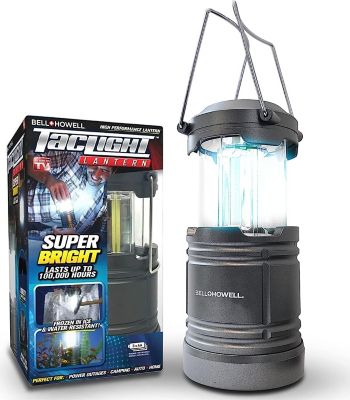
Rechargeable LED Camping Lanterns provide area lighting for a picnic table, tent, or shared gathering spot. That pairing keeps a personal beam ready for gathering firewood or walking to the truck without leaving everyone else in the dark. USB rechargeable headlamps also make practical gifts for campers, anglers, runners, mechanics, and folks whose daily routine starts before sunrise. Matching the weight, fit, beam, and charging setup to that person's routine gives the gift a clear purpose, whether it ends up beside the back door, tucked into a tackle bag, or packed with the tools for the next fence repair.