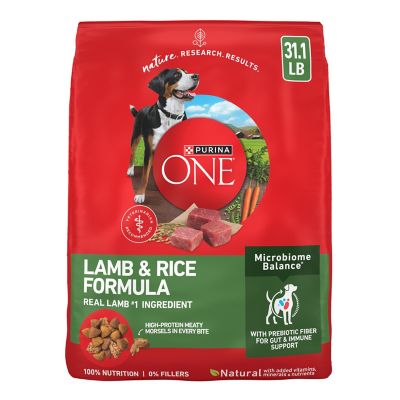
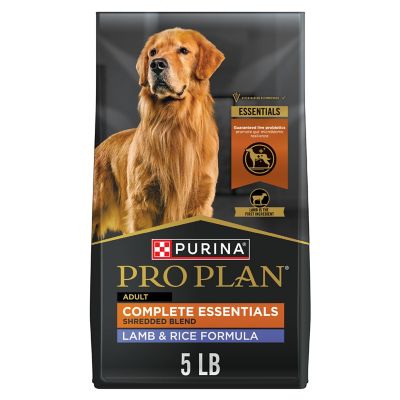
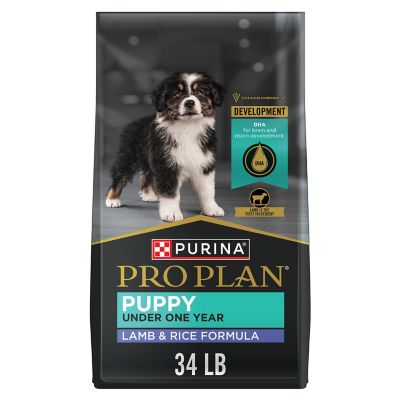
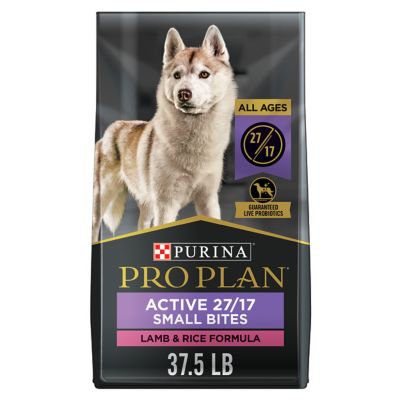
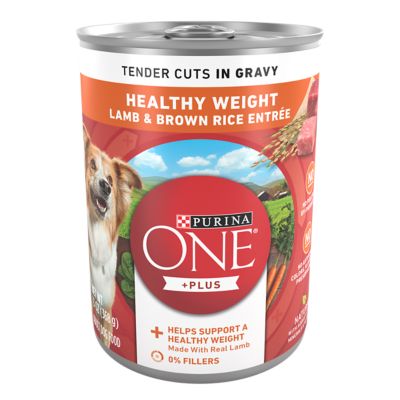
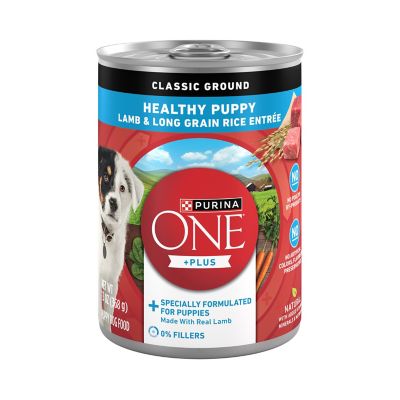
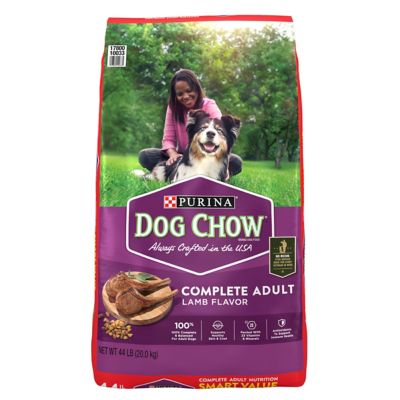
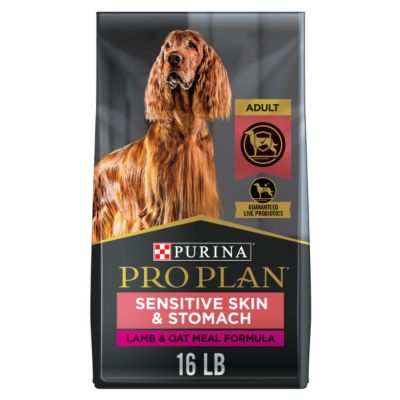
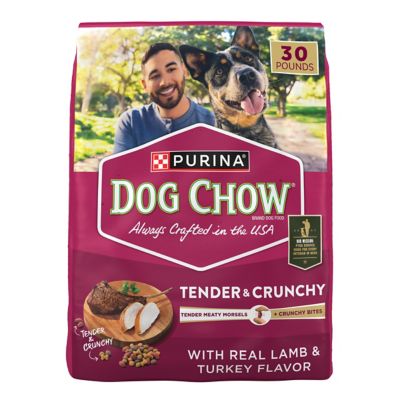
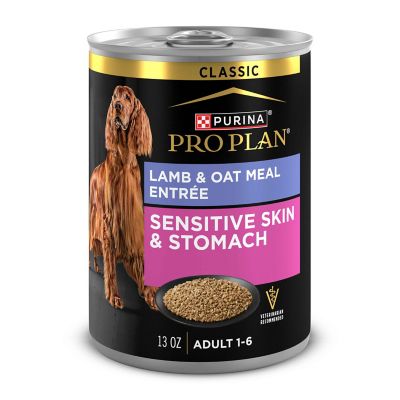
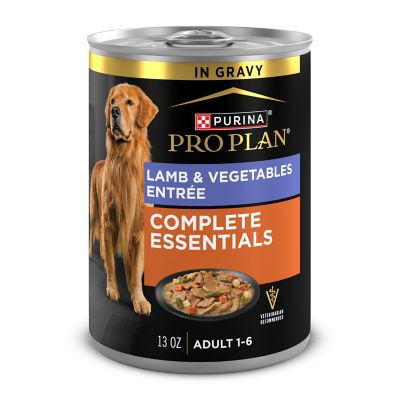
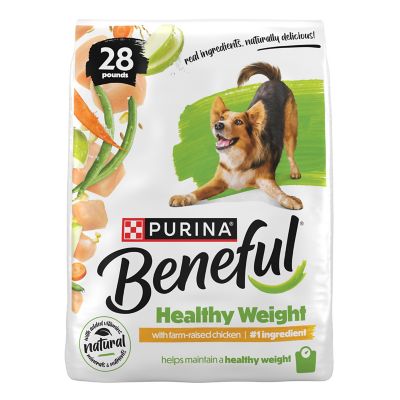
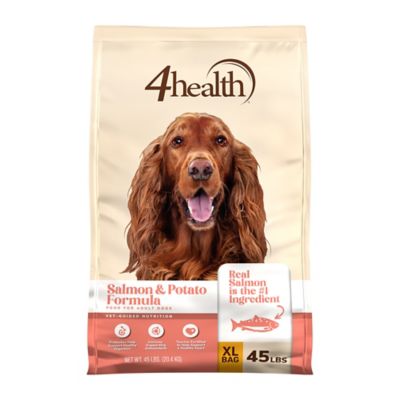
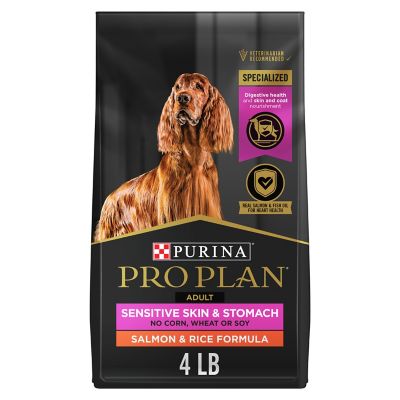
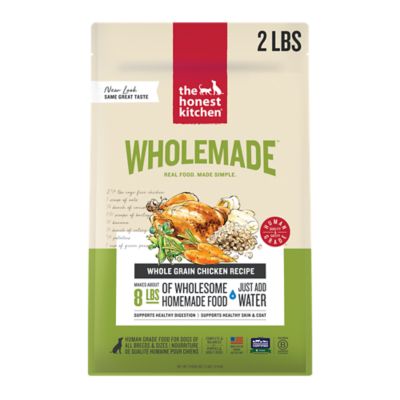
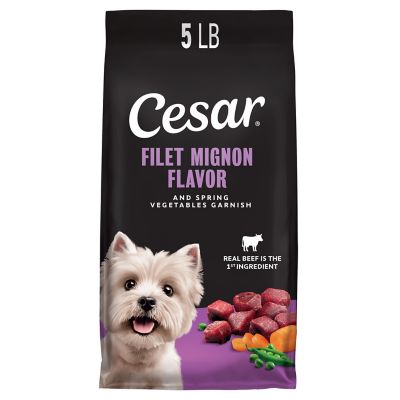
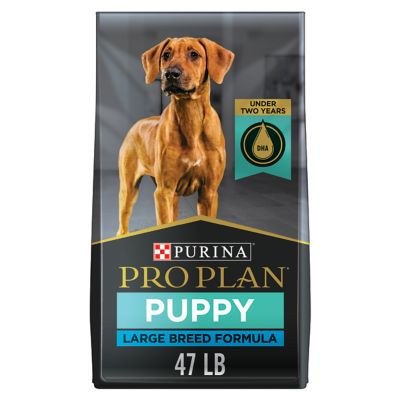
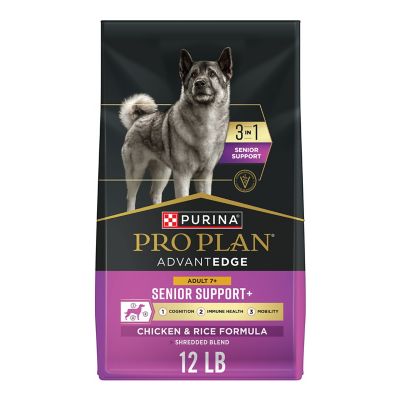
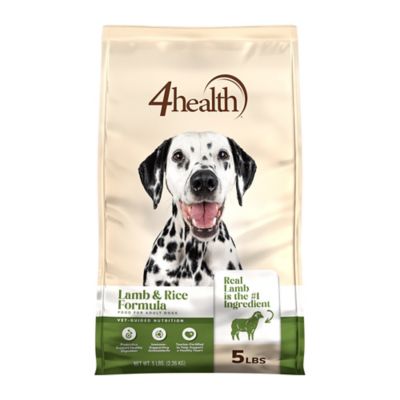
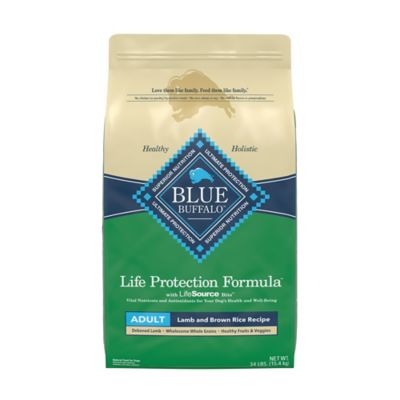
Lamb and rice dog food pairs an animal protein source with a grain that supplies carbohydrates for everyday energy. For many dogs, that combination fits a steady feeding routine built around complete and balanced nutrition, whether the day includes tagging along for chores, walking a back road or stretching out beside the couch. Lamb supplies amino acids that help maintain muscles and other body tissues, while cooked rice provides starch that dogs can digest. The rest of the recipe matters just as much as those two ingredients. Fats, vitamins, minerals and additional protein sources work together to meet nutritional needs, and the package’s nutritional adequacy statement explains which life stage the food is formulated to support. A formula labeled for adult maintenance serves a different purpose than one formulated for growth or all life stages. Some lamb and rice recipes list lamb as the first ingredient, but that detail depends on the formula and belongs on the ingredient label rather than being assumed from the flavor name. Recipes may also contain other animal proteins, grains or ingredients that contribute fiber. Rice is a grain, so lamb and rice food is not automatically grain-free, and lamb does not automatically make a recipe suitable for a dog with food allergies. Dogs with a suspected food reaction need a veterinarian’s help identifying the cause and choosing an appropriate diet. Depending on the formula, added prebiotic fiber can support digestive health, while omega-6 fatty acids and nutrients such as vitamin A and zinc can help support healthy skin and coat. Vitamin E contributes antioxidant support, and some recipes include sources of glucosamine for joint support. These features vary, making the label the best place to confirm what a particular formula offers. For a dog owner comparing everyday meals, the useful distinction is not simply whether the bag says lamb and rice, but whether the complete recipe matches the dog’s age, size and nutritional needs.
The best fit also comes down to the dog eating it. A small companion with a little mouth, a broad-chested adult that covers plenty of ground and an older dog with a quieter routine may all have different needs, even when their meals share the same main ingredients. Kibble size and shape can affect how comfortably a dog picks up and chews each bite. Some dry recipes offer crunchy pieces throughout, while others combine textures that may appeal to dogs with particular preferences. Texture alone does not establish nutritional suitability, and dry food does not replace regular dental care. For smaller dogs,
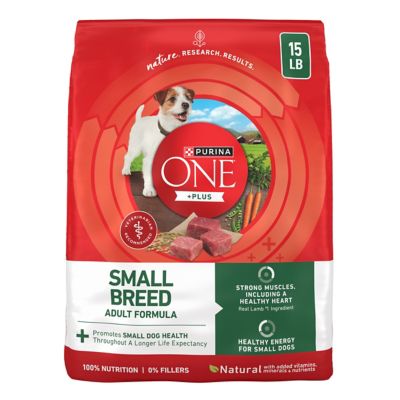
Small Breed Lamb Dog Food offers a more focused place to consider breed-size feeding needs. Puppies, especially those expected to become large dogs, need food formulated for their growth rather than an adult recipe chosen only for its flavor. Adult dogs need portions that reflect their body condition, activity and metabolism, and senior dogs may benefit from a conversation with a veterinarian about changing needs. A dog that spends hours moving around the property may need more daily energy than one whose biggest outing is a short walk to the mailbox, but size and activity alone do not tell the whole story. The feeding chart provides a starting point, while the calorie statement helps explain how much energy each measured serving supplies. Calories per cup vary between recipes, so the same scoopful can deliver a different amount of energy after a food change. That matters when a dog is gaining weight, leaving meals unfinished or receiving plenty of training treats along the way. Treats and table scraps contribute calories too, and generous extras can throw off an otherwise sensible meal plan. A healthy body condition generally means ribs that can be felt beneath a light covering and a visible waist, with a veterinarian helping assess dogs whose coat or build makes those signs harder to judge.
Everyday handling helps keep lamb and rice dog food ready for the bowl. Dry food belongs in a cool, dry indoor spot away from moisture, direct sunlight and pests, rather than an open bag beside outdoor chore supplies. Keeping the food in its original bag inside a clean, tightly closed container preserves the ingredient list, feeding directions, lot number and best-by date while adding another barrier against unwanted visitors. A container needs washing and thorough drying between bags so crumbs and oils from earlier food do not build up inside. Bowls and measuring scoops need regular cleaning too, especially in a busy household where feeding happens between letting dogs out and heading down to the barn. Consistent portions are easier to maintain with a standard measuring cup or kitchen scale than with a scoop filled differently at each meal. Fresh drinking water belongs alongside the feeding routine, particularly with dry food. When changing recipes, a gradual transition over about seven to ten days is often easier on digestion than an abrupt swap, unless a veterinarian recommends a different approach. Mixing increasing amounts of the new food with decreasing amounts of the previous food gives the dog time to adjust; dogs with sensitive digestion may need a slower transition. In homes with more than one dog, separate bowls or feeding spaces help prevent one dog from finishing another’s meal and make appetite changes easier to notice. A familiar meal schedule can also make daily care simpler for family members sharing feeding duties. Stool consistency, appetite, body condition and coat appearance provide useful observations over time, though none can confirm a medical problem on its own. Persistent vomiting, diarrhea, itching or an unexplained change in weight calls for veterinary attention rather than repeated food changes. With an appropriate formula, measured meals and sensible storage, lamb and rice dog food can serve as a straightforward part of a dog’s everyday care, from the first bowl of the day to the last trip outside before bed.