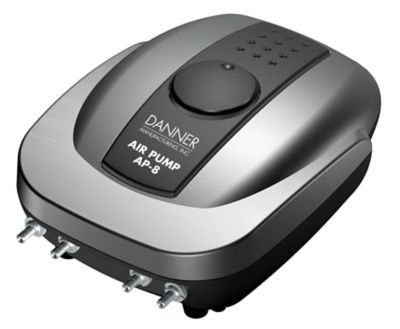
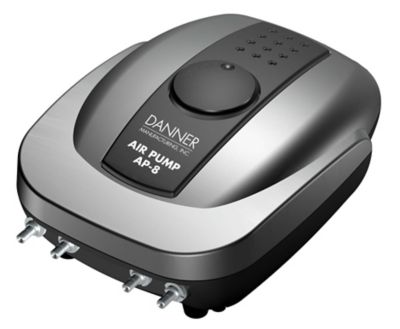
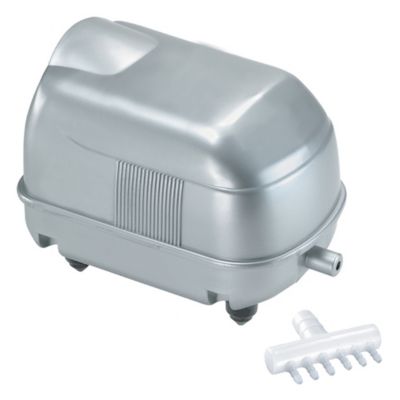
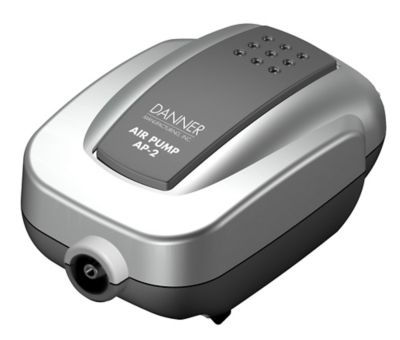
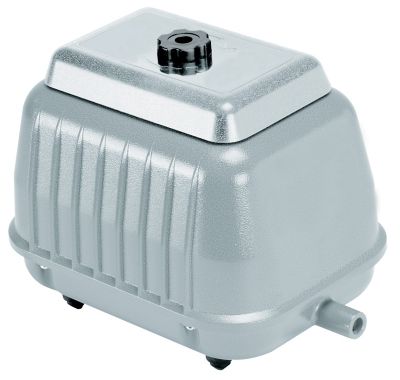
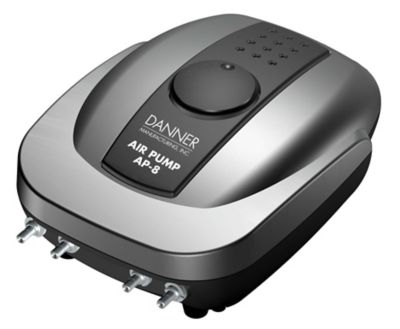
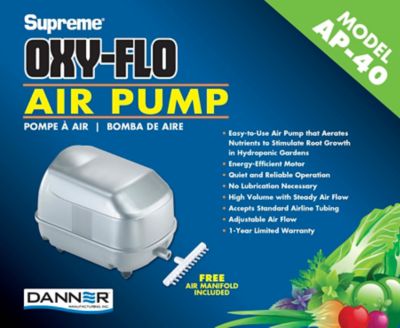
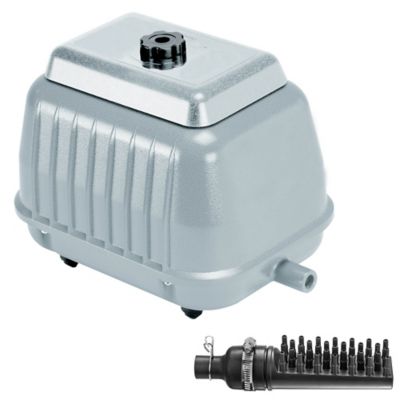
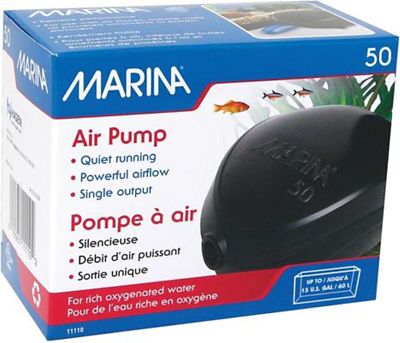
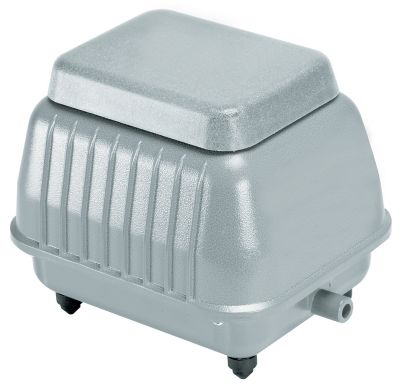
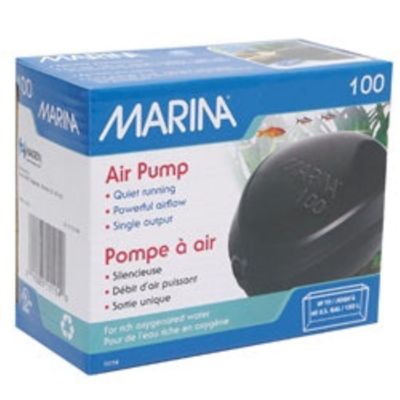
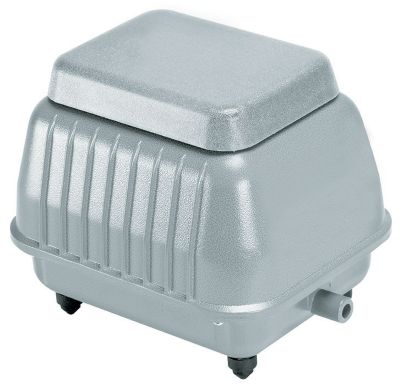
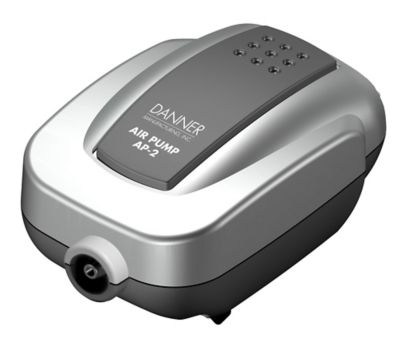
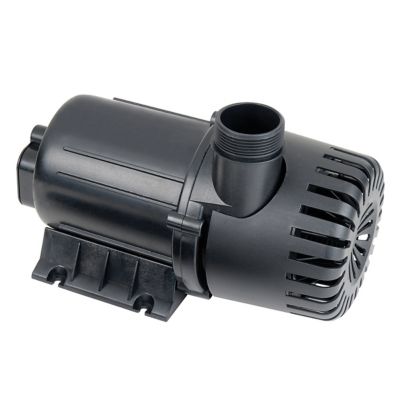
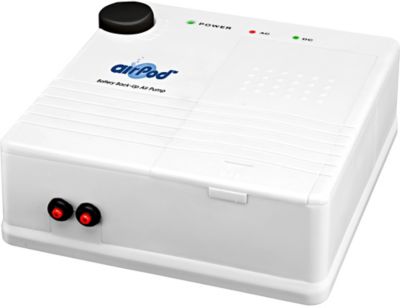
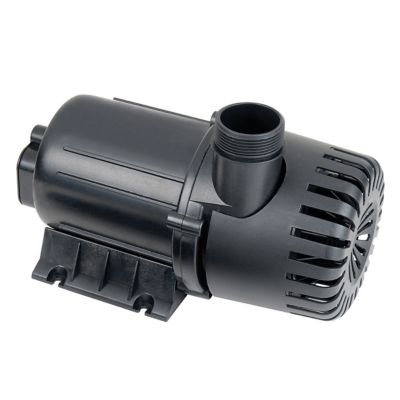
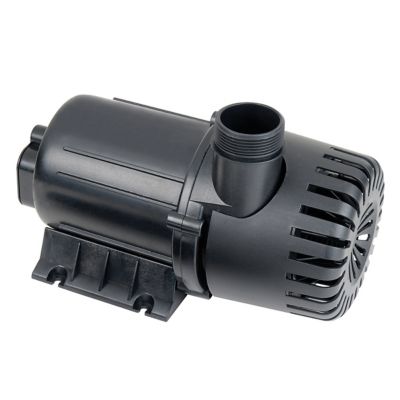
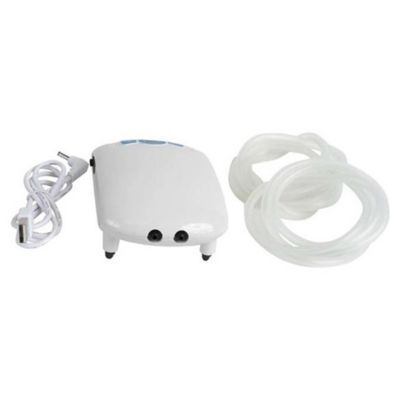
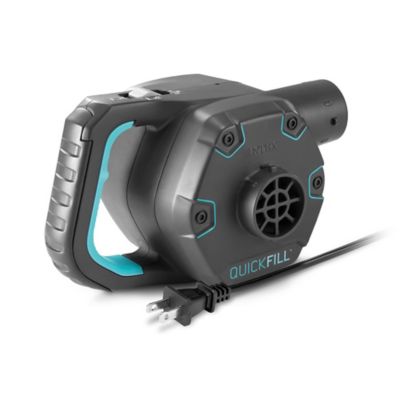
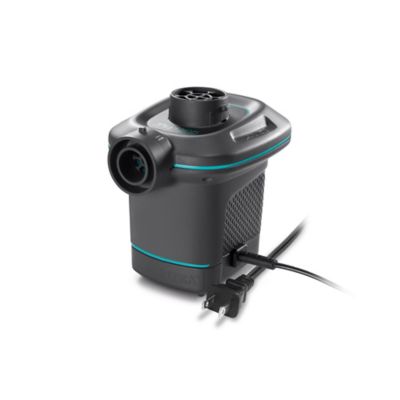
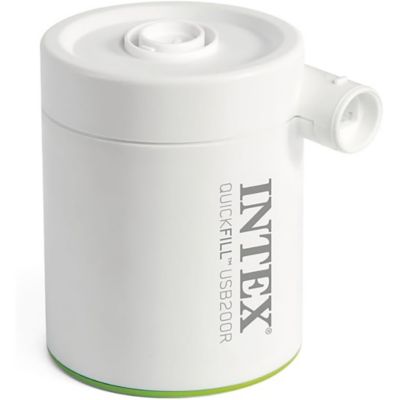
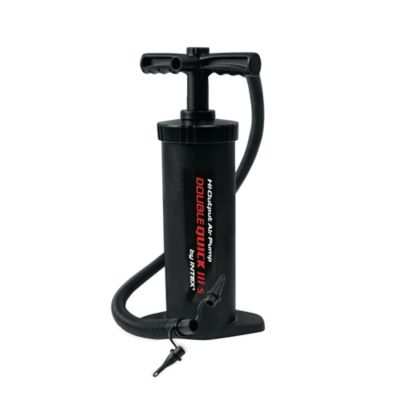
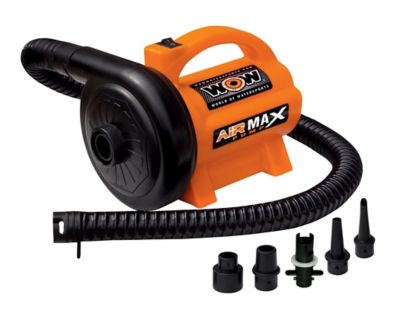
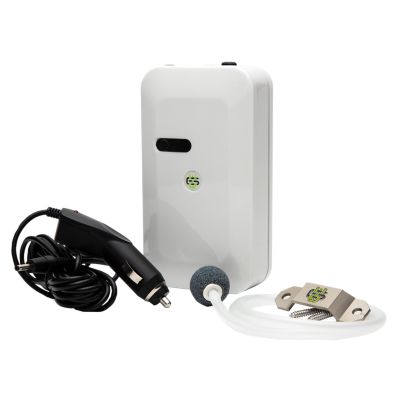
Pumps for aquariums keep water moving, support filtration and help create the right conditions for fish, plants and other aquatic life. The main types are air pumps, submersible water pumps and external water pumps, and each does a different job around the tank. An aquarium air pump sits outside the water and pushes air through flexible tubing to an air stone, bubble wand or air-driven sponge filter. Rising bubbles move surrounding water and encourage surface movement, where oxygen enters the water and carbon dioxide escapes. For setups that need this kind of aeration,
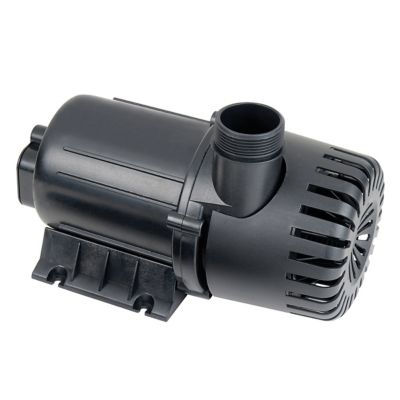
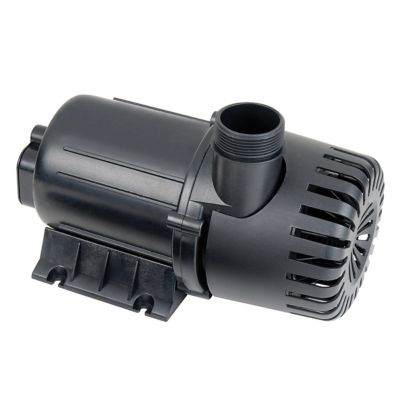
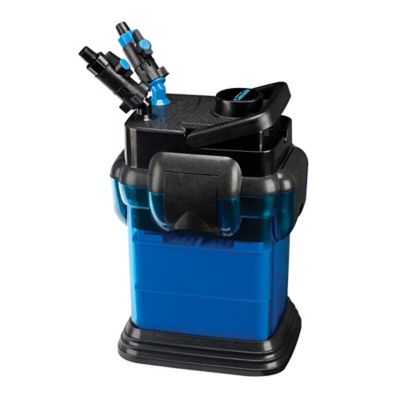
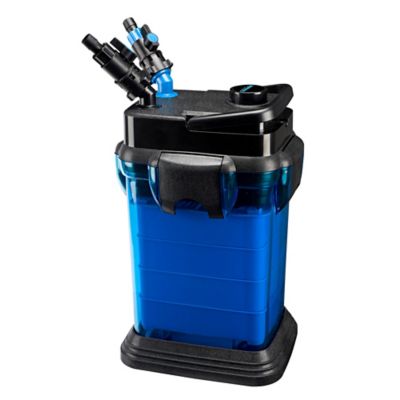
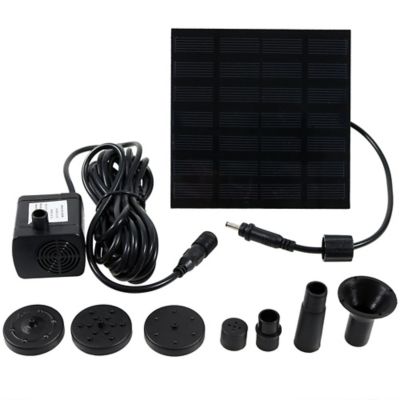
Air Pumps belong in the same planning conversation as tubing, check valves and the equipment they will power. A submersible water pump operates underwater in the aquarium, a filter chamber or a sump, moving water through a connected system or back into the display. An external water pump operates outside the aquarium and requires plumbing suited to its inlet, outlet and installation requirements. Circulation pumps serve another purpose: they create movement within the tank rather than necessarily sending water through a filter. That distinction matters when a tank has a strong return stream near one corner but little movement behind rocks or along the bottom. Water movement can help carry suspended waste toward filtration, while aeration supports gas exchange, but a pump alone does not replace biological filtration or routine tank care. For a first freshwater aquarium, the right setup may be a straightforward air-driven filter. A larger aquarium with a sump may call for a return pump plus separate circulation. Reef aquariums, planted tanks and breeding setups can have very different flow needs, so the best match starts with the job the pump needs to handle, not simply the largest motor or strongest stream.
Tank capacity is a useful starting point when comparing aquarium pumps, but gallons alone do not tell the whole story. For water pumps, flow rate commonly appears in gallons per hour, while maximum head height describes how high the pump can lift water before flow drops to zero. A return pump lifting water from a cabinet sump to the rim of an aquarium will deliver less flow than its maximum rating, and elbows, valves, tubing length and other plumbing restrictions reduce it further. A manufacturer’s flow chart gives a clearer picture of expected output at the height the setup requires. Air pumps need a different comparison: output, operating pressure, water depth and the number of connected air stones or sponge filters all affect performance. A deeper tank or a more resistant air stone can require greater pressure than a shallow setup. Adjustable output is handy when a gentle stream suits the livestock better than a hard push across the glass. Long-finned fish, fry and small shrimp may need calmer areas and protection around pump intakes, while other inhabitants benefit from stronger circulation. Physical fit matters just as much as output. Pump dimensions, cord length, intake clearance and room for maintenance all deserve attention, especially inside a snug filter compartment or under a stand. Tubing diameter and connection style need to match the pump fittings; a close-looking connection is not always a secure one. Aquarium-safe housings, compatible seals and corrosion-resistant components help equipment stand up to continuous operation. For saltwater systems, the pump must be rated for saltwater contact rather than merely resemble a freshwater model. Suction cups, brackets and vibration-damping feet can help hold equipment steady and limit rattling, while access to replacement impellers, seals or diaphragms can make long-term upkeep simpler. In a living room or bedroom, operating sound also matters: vibration against a hollow cabinet can be more noticeable than the pump itself.
Everyday care is another part of choosing pumps for aquariums, particularly in homes where feeding time already means checking fish, wiping glass and keeping an eye on the filter. Pump designs with accessible intake screens and removable impeller covers make it easier to clear trapped plant pieces, loosen mineral buildup and inspect moving parts. A pump that gradually loses flow may have a blocked intake, restricted tubing or debris around the impeller rather than an undersized motor. Air-driven setups can also lose output when tubing kinks, an air stone clogs or a diaphragm wears. Cleaning methods should follow the equipment instructions, with power disconnected before hands enter the water or the pump comes apart. Soap and household cleaning residues do not belong on aquarium equipment. Installation details help prevent avoidable trouble: standard aquarium air pumps stay dry, tubing needs routing that will not pinch behind the stand, and a correctly oriented check valve helps prevent water from siphoning back toward an air pump. Electrical cords need drip loops, and aquarium equipment belongs on a GFCI-protected outlet. Submersible and external pumps have different operating requirements, so a pump should run only in the position and conditions specified by its manufacturer; many water pumps can suffer damage if they run dry. For a family aquarium, a classroom tank or a fish room with several setups, manageable sound, accessible parts and straightforward connections can matter as much as raw output. Battery-operated or battery-backup air pumps can provide aeration during a power interruption, though they do not take over every function of the main filtration system. A well-matched aquarium pump supports the tank without turning the whole display into a rushing channel. Fish should have suitable swimming space and resting areas, filter equipment should receive the flow it needs, and the person caring for the aquarium should be able to reach the pump without dismantling the entire setup. Those practical details make pumps easier to live with, whether the tank holds a few familiar freshwater fish or a carefully planned aquatic habitat.