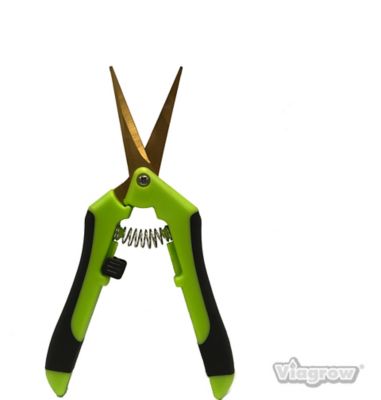
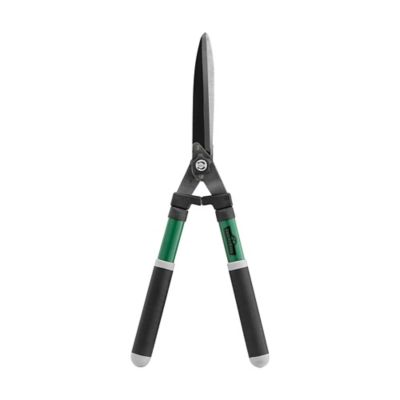
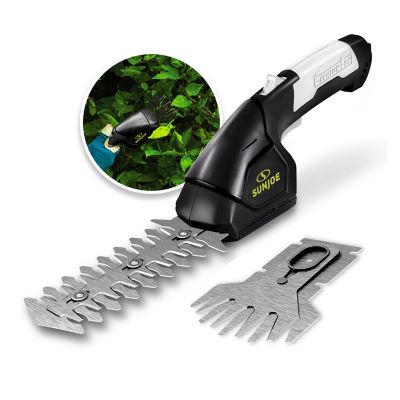
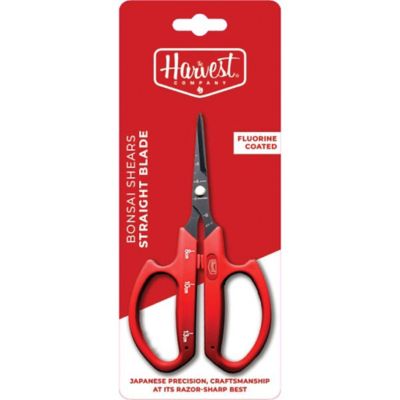
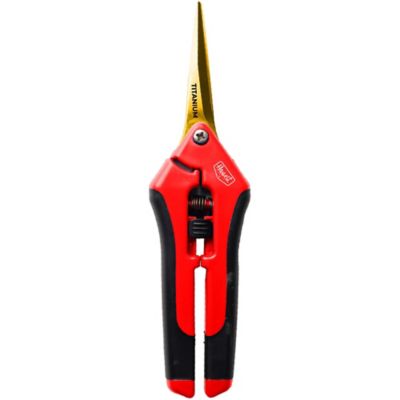
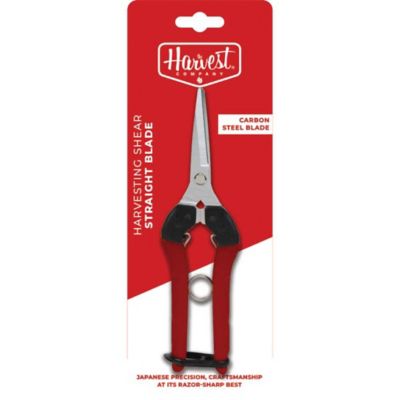
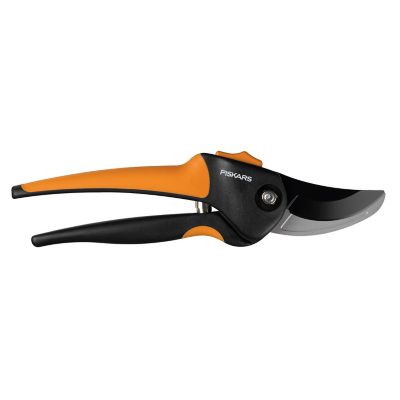
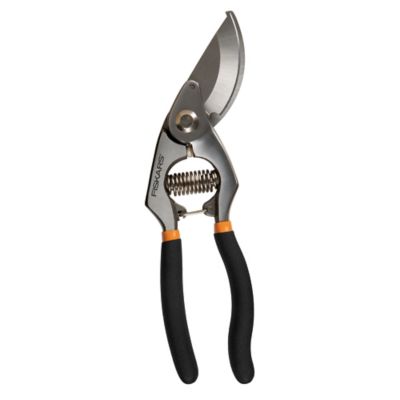
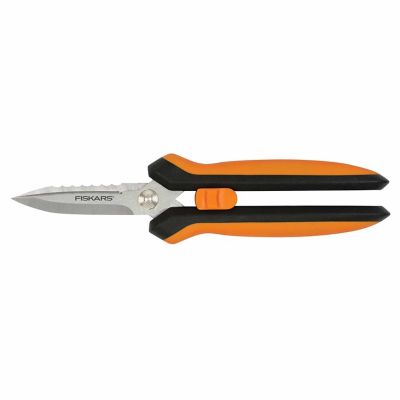
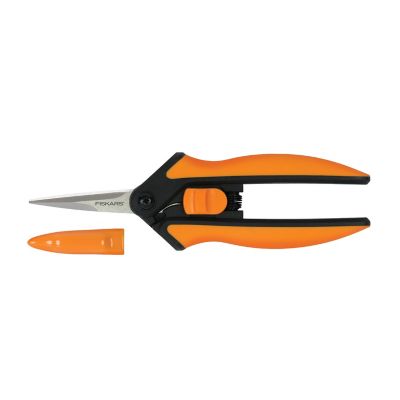
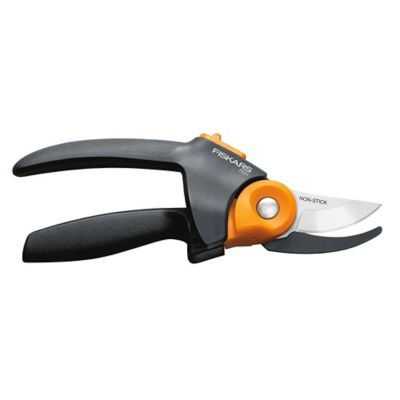
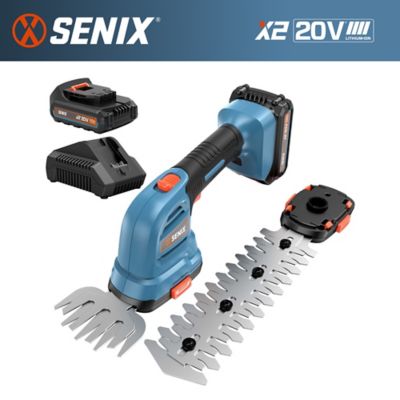
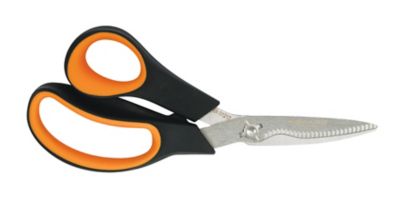
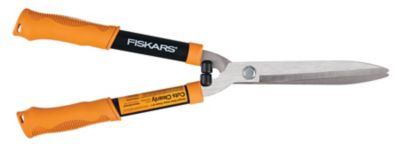
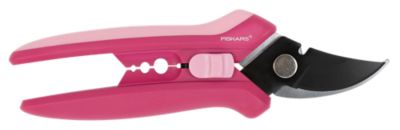
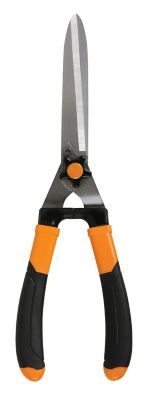
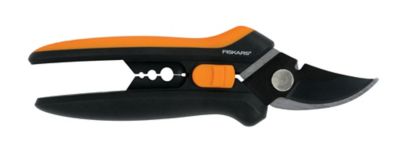
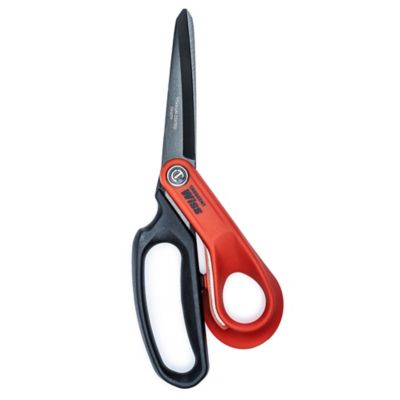
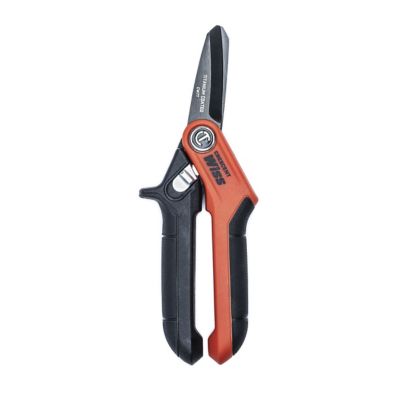
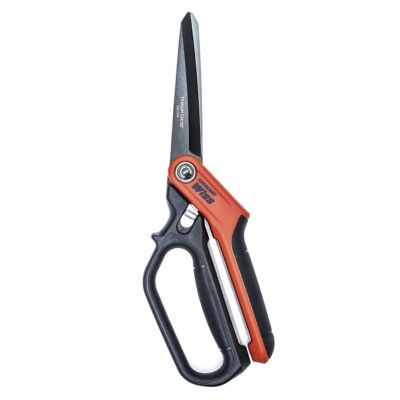
Trimming shears are compact hand tools made for careful plant work, where a clean snip matters more than force. Gardeners, greenhouse growers, flower farmers, houseplant keepers, and anyone tending herbs can reach for them when removing spent blooms, gathering tender stems, shaping small plants, or clearing away leaves that crowd the center of a plant. Their narrow blades fit into tight spaces between branches and foliage, making them a practical choice for jobs that call for control. Straight blades are handy for simple cuts and general trimming, while curved blades can follow the shape of a stem or help reach into a dense cluster without disturbing nearby growth. Blade length also plays a part: shorter blades offer close control for detailed work, and longer blades can cover a little more ground when several small stems need attention. A spring-assisted handle can help the shears reopen after each cut, which is welcome during a long afternoon in the garden or while sorting a basket of fresh herbs at the potting bench. Look for a handle that sits comfortably in your hand, a locking feature that keeps the blades closed when stored, and a smooth cutting action that does not require excessive pressure. If the work involves thicker stems, branches, wire, or other demanding materials, take a look at
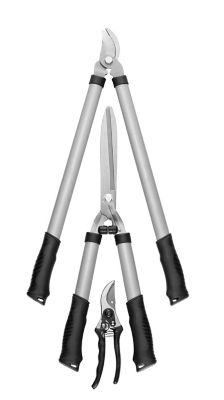
Heavy Duty Shears for a more suitable option.
The right pair depends on what is growing, how often the shears will be carried, and the kind of cuts you make most often. Fine trimming around flowers and leafy herbs calls for slender blades that can move between stems without crushing nearby growth. Harvesting basil, mint, parsley, and similar tender plants is easier when the blades meet cleanly and leave a neat cut behind. For flowers, trimming the stem at the right point can help with gathering a fresh bunch for the kitchen table or preparing blooms for a simple jar arrangement. In a backyard garden, trimming shears may live in an apron pocket, tool tote, or greenhouse basket so they are close at hand when a stray stem needs attention. A bright handle can be easier to spot among leaves and potting supplies, while a compact shape works well for carrying between raised beds. Stainless steel blades are a common choice because they resist staining and can be wiped clean after plant work. Some blades have a coating that helps sticky sap slide away, though any coating still benefits from regular care. Before choosing, consider whether you prefer a straight or curved cutting edge, a narrow or wider grip, and a lighter pair for quick jobs or a sturdier feel for repeated use. Gardeners with smaller hands may appreciate handles that open comfortably without stretching the fingers, while those wearing gloves may want a little more room around the grip. These details can make a noticeable difference when trimming one plant after another during harvest time or preparing tender growth before cooler weather settles in.
Keeping trimming shears clean helps the blades move freely and limits the spread of plant residue from one stem to the next. After each session, brush away loose leaves and wipe sap from the cutting edges with a soft cloth. For sticky buildup, isopropyl alcohol can help loosen residue; apply it to a cloth or cotton pad, then wipe the blades carefully. Let the metal dry before closing the tool. A small drop of pure mineral oil on the pivot can help reduce binding and keep the opening action smooth. Avoid leaving the shears damp in a shed, truck bed, or greenhouse corner, especially during the cooler months when condensation can collect on metal. Store them closed and locked, with the blades protected from loose tools that might nick the edge. Trimming shears make a thoughtful gift for a gardener setting up a greenhouse, a neighbor who keeps herbs by the back door, or someone who enjoys tending houseplants through the colder part of the year. They also suit new growers because their purpose is easy to understand and their compact size does not take up much room. Whether the task is gathering late-season herbs, removing tired flower heads, or caring for indoor greenery while the garden rests, a well-chosen pair brings a steady, comfortable feel to small cutting jobs. Reviewing blade shape, handle fit, spring action, locking design, and cleaning needs can help shoppers compare the selection and find shears that match the plants and routines at home.