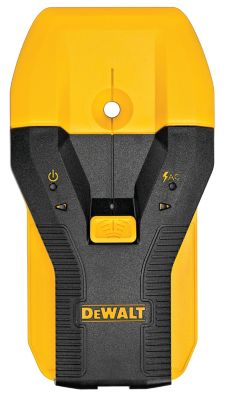
A professional stud finder is a handy tool for anyone who needs to fasten, cut, drill or mount with confidence. Unlike a basic detector that may only beep when it passes over a narrow point, professional-grade models are built to give a fuller picture of what is behind the wall. Many use multiple sensors to show the width and center of a wood stud, while other models are designed to identify metal, deep framing members, pipes or energized wiring. That extra information can make a big difference when hanging cabinets, mounting shelves, installing grab bars, setting up shop storage or securing a television in a busy family room. For contractors, remodelers, maintenance crews and serious do-it-yourselfers, a reliable stud finder can help save time and reduce unnecessary holes in drywall, paneling or plaster. It is also useful around the farm, where a wall-mounted rack, tool organizer or feed-room shelf needs to hold up to daily use. Look for a unit that fits the kind of work you do most often. A multi-sensor stud finder may be a good choice when you want to see the full stud width and locate its center quickly. A deep-scanning wall detector can be helpful with thicker walls, plaster, tile, layered drywall or remodeling projects where framing sits farther below the surface. Some professional models offer separate settings for wood and metal, along with visual displays, audible alerts, edge detection, live-wire warnings or a built-in level. These features can be especially helpful in older homes, workshops and outbuildings where wall construction may not be consistent from one room to the next.
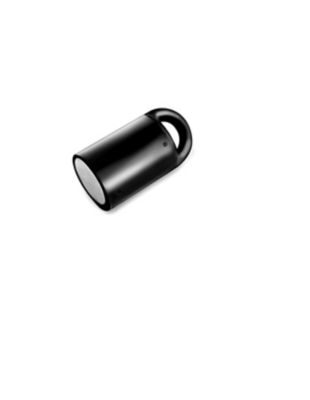
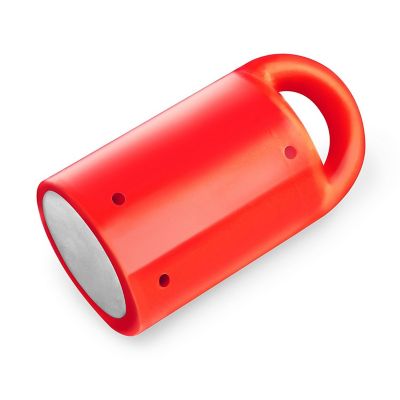
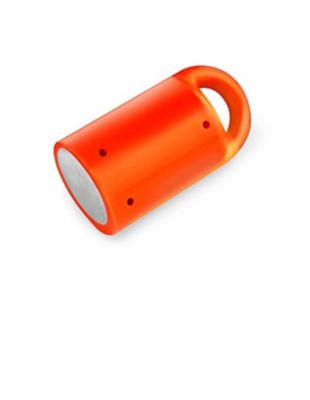
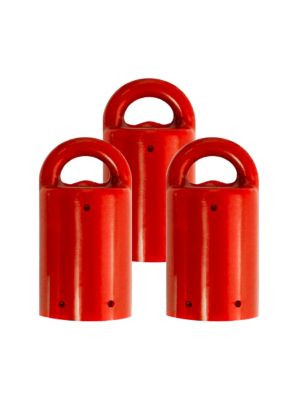
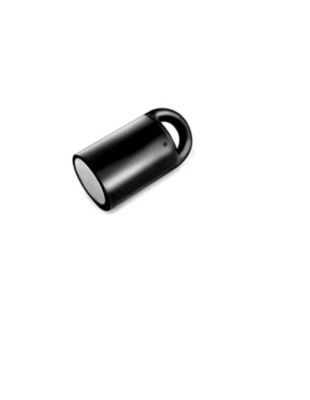
Wall material and job conditions matter just as much as the tool itself. Drywall is usually the easiest surface for electronic detection, while plaster, lath, tile, heavy texture, foil-backed insulation and damp materials can affect readings. A clean, flat scanning path gives the sensors a better chance to work as intended, so clear away dust, stickers and loose debris before starting. Follow the instructions for calibration, even if the tool is advertised as no-calibration, and keep your hand placement consistent while moving slowly across the wall. Many professionals scan from both directions, mark the suspected edges, then make a second pass to find the center. It is smart to check above and below the planned fastener location, since pipes, conduit and wiring may run horizontally as well as vertically. A stud finder can help identify possible hazards, but it should not be treated as a guarantee that a wall is safe to cut or drill. Pay attention to electrical outlets, switches, plumbing fixtures and areas directly above or below them, and shut off power before working near wiring. For important installations, confirm the location with a second method, such as a magnetic finder that detects drywall screws, careful measurement from known framing, or a small inspection opening in an inconspicuous place. Combining an electronic multi-sensor tool with a simple magnetic finder is a practical way to double-check a reading and help separate a wood stud from a nearby metal pipe or other object. When fastening something heavy, use the correct screw or anchor for the wall material, and make sure the fastener reaches solid framing when the load calls for it. Store the detector away from extreme heat, moisture and heavy impacts, and replace batteries before heading to a job where a dead tool could slow the whole crew down. For work in remote areas, a dependable wall scanner pairs well with other jobsite essentials and can be part of a broader setup supported by
Professional Generators when dependable power is needed away from the house or shop.
Choosing the right professional stud finder often comes down to the balance between scanning depth, display style, durability and ease of use. A compact model may be ideal for a homeowner handling occasional repairs, while a contractor may prefer a rugged unit with a wide scanning area, clear center indication and controls that can be used while wearing work gloves. Consider whether you prefer a simple light-and-tone alert or a screen that shows changing readings as the tool crosses the wall. A bright display is useful in dim rooms, crawl spaces and unfinished buildings, and an audible alert can be convenient when your eyes are focused on a pencil mark or drill bit. A built-in bubble level may help with quick mounting jobs, though it should not replace a full-size level for long shelves or cabinets. Professional stud finders also make thoughtful gifts for new homeowners, handy family members, trades students, maintenance workers and anyone setting up a garage workshop. They are especially useful for people who have recently bought an older house and are tackling one room at a time, from hanging porch storage to installing curtain rods and securing heavy tools. During the warmer part of the year, a detector can help with outdoor-adjacent projects such as mounting storage near a mudroom or finishing a workshop wall; during cooler months, it can come in handy for indoor repairs, organization and renovation work. Keep in mind that the highest-priced scanner is not automatically the best fit for every job. A straightforward professional model may be all that is needed for standard drywall and routine mounting, while advanced detection and greater depth are worth considering for commercial work, layered walls and uncertain construction. Read the specifications for the surfaces and materials the tool can scan, check the maximum detection depth, and look for sturdy construction, a comfortable grip and controls you can understand at a glance. With the right stud finder and a careful scanning routine, a blank wall becomes easier to read, helping you place fasteners where they belong and build every project on a solid foundation.