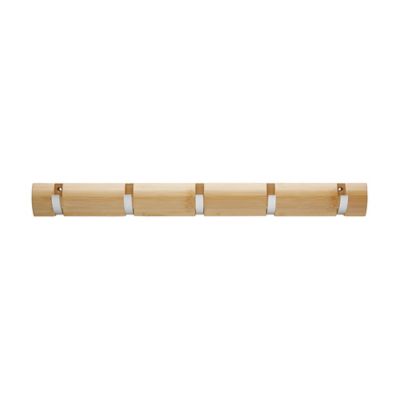
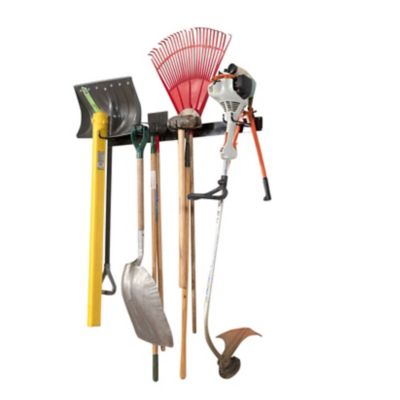
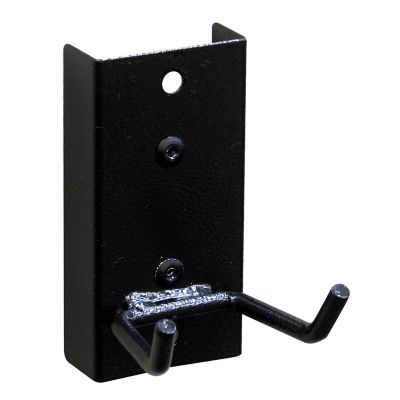
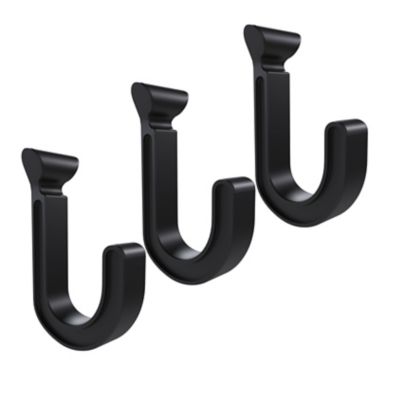
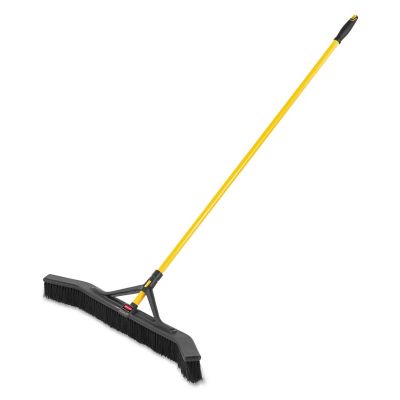
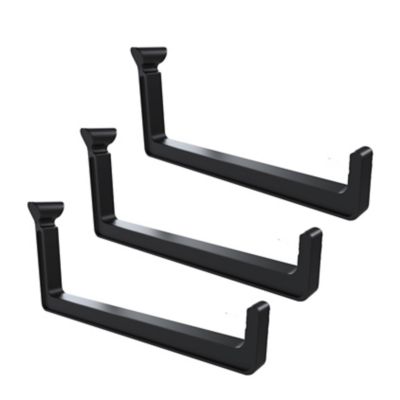
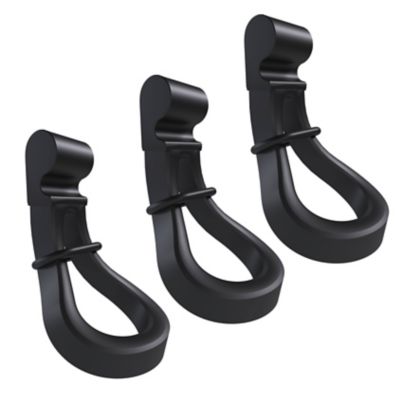
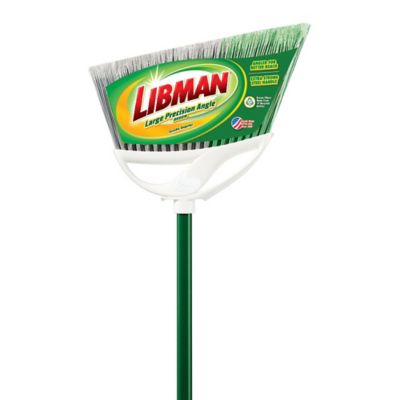
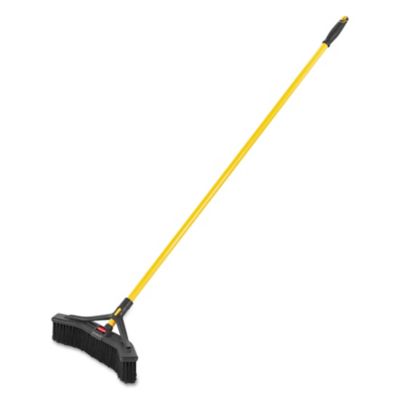
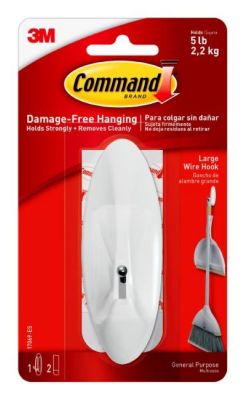
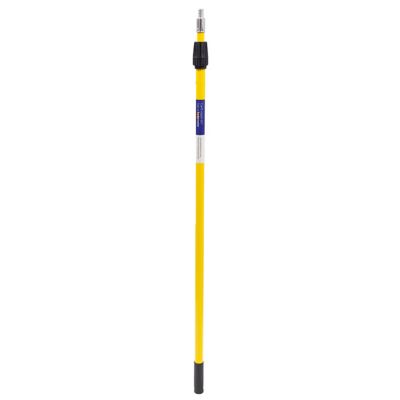
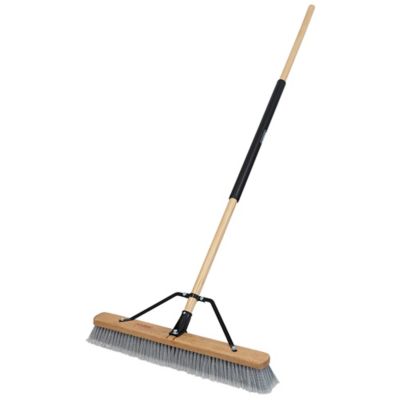
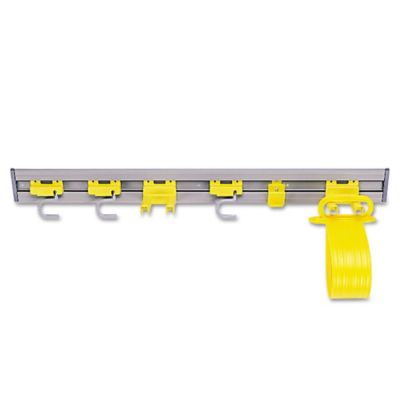
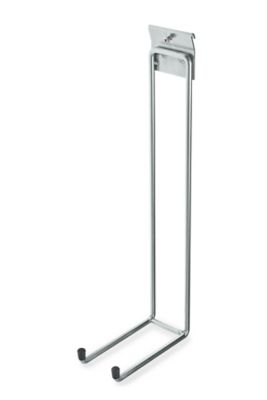
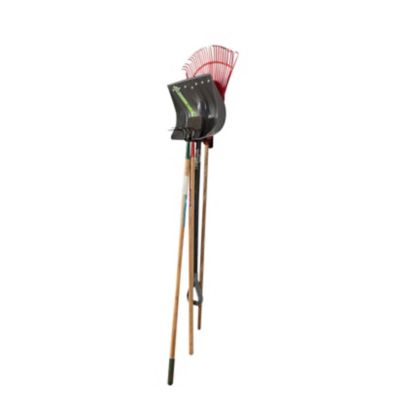
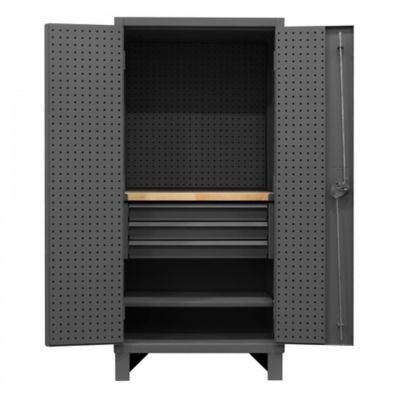
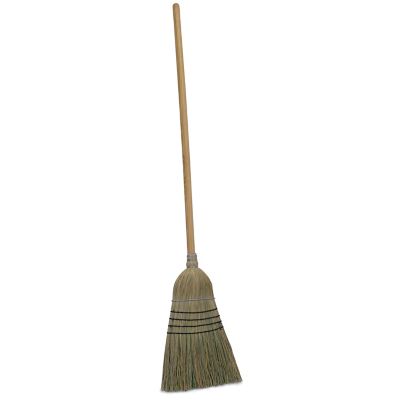
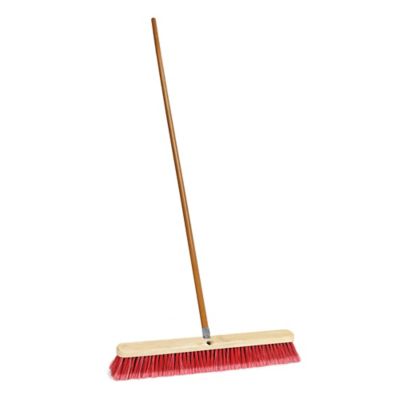
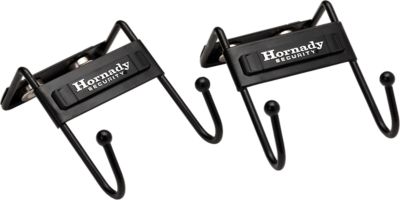
A broom holder is a simple piece of storage equipment, but it can make a big difference in the way a home, barn, shop, or outbuilding feels. Long-handled cleaning tools have a way of collecting in corners, sliding behind doors, and tipping over just when the floor has been swept clean. A properly placed holder keeps brooms, dustpans, brushes, mops, and similar tools upright, easy to spot, and ready for the next job. That kind of order is especially handy in busy homes where muddy boots come through the door, in workshops where sawdust and shavings need regular attention, or in farm buildings where dirt and straw seem to travel everywhere. Before choosing one, consider where it will be installed and how much room is available. A narrow wall-mounted design can work well beside a utility sink or inside a mudroom, while a sturdier option may be better suited to a garage, wash bay, tack room, or shed. Measure the wall space and check for a solid mounting surface, keeping enough clearance below the holder for tool handles and enough space above it for comfortable removal. If the holder will be used around moisture, look for construction that can stand up to damp conditions and regular handling. In a dry indoor closet, appearance and a compact footprint may matter more. It also helps to think about the handles you already own, since some are slim and smooth while others are thick, textured, or fitted with hanging loops. A holder that grips tools securely without making them difficult to pull free is more likely to become part of the daily routine.
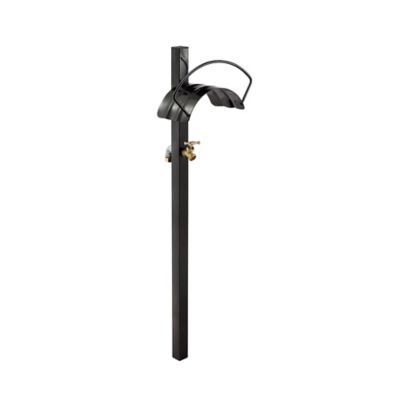
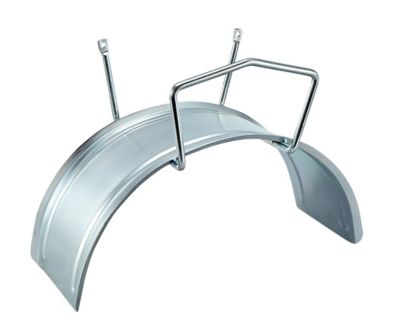
Placement matters just as much as construction. In a home, a broom holder near the back door can keep sweeping tools close to the dirt and leaves they are used to manage, while a spot beside the laundry area keeps floor-care supplies from wandering through the house. In a garage or workshop, mounting storage off the floor leaves more room for boots, feed bags, equipment, and other everyday gear. A holder near the entrance to a barn or coop can make it easier to clear scattered bedding, feathers, and dust before they get tracked farther inside. Many people also use these storage solutions for more than brooms. Handled brushes, garden tools, squeegees, dusters, snow tools, and lightweight rakes can often be organized in the same area, provided the holder is rated for the weight and handle size. Keeping tools visible also helps prevent them from being forgotten behind a cabinet or buried under other supplies. When you are planning a utility wall, group frequently used items at a comfortable height and leave heavier or oversized tools in a separate area so the holder is not overloaded. For broader outdoor organization, a storage area may also benefit from
Hose Hangers, which help keep coiled hoses from lying across walkways or getting crushed underfoot. A little thought about traffic patterns goes a long way: avoid mounting a holder where handles could block a doorway, catch on coats, or interfere with equipment. In a small mudroom, vertical storage can turn an awkward sliver of wall into useful space. In a larger shop, several holders placed in a row can separate sweeping tools from painting supplies, livestock-care equipment, or garden gear.
Broom holders can also make practical gifts for new homeowners, renters settling into their first place, anyone putting together a workshop, or a friend who takes pride in a well-kept garage. They are useful for people living in older homes with limited closet space, families with pets that need frequent sweeping, and property owners who spend part of the year moving between the house, garage, garden, and outbuildings. During warmer weather, a well-organized cleaning area makes it easier to deal with porch dust, grass clippings, and dirt carried in from outdoor projects. As conditions turn cooler, the same setup can hold the tools used to manage wet leaves, tracked-in mud, and debris around entrances. For rural households, having a designated place for cleaning tools can be especially helpful when chores need to be handled quickly between feeding animals, tending a garden, or finishing work outside. Look for secure attachment hardware, a finish suited to the location, and a layout that keeps handles from rubbing against one another every time a tool is removed. If several people will use the space, place the holder where children and adults can reach it safely, while keeping it clear of machinery, sharp edges, and areas where water collects. A well-chosen broom holder will not take up much room, but it can help turn a cluttered corner into a dependable work station. When every tool has a place, sweeping becomes less of a hunt, cleanup takes fewer steps, and the whole space is easier to maintain through changing seasons and everyday wear.