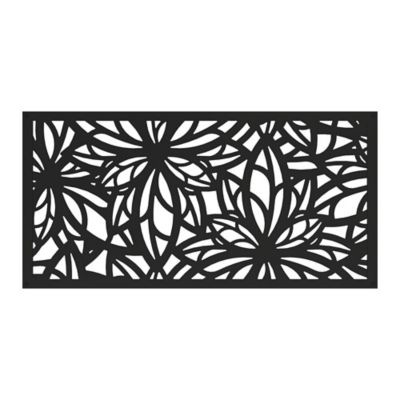
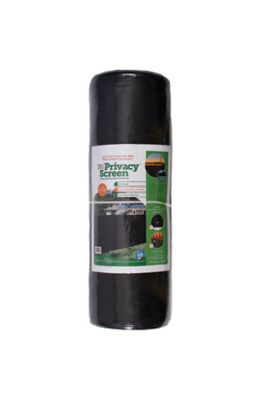
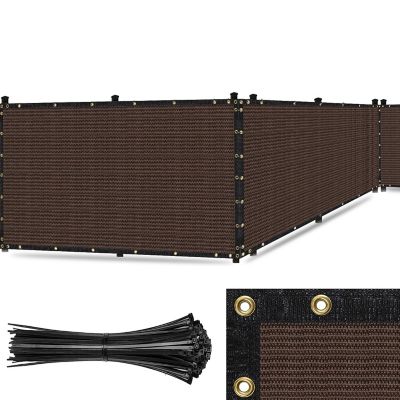
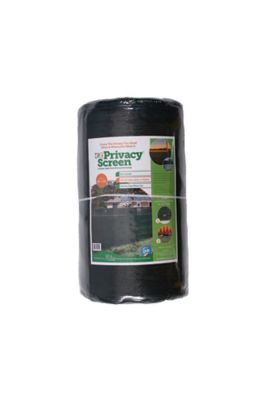
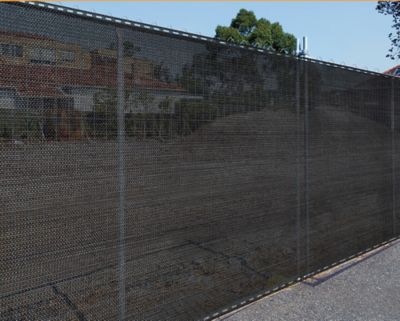
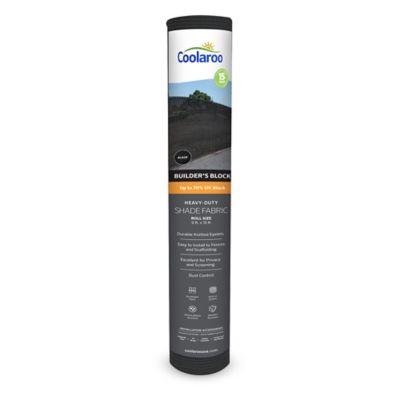
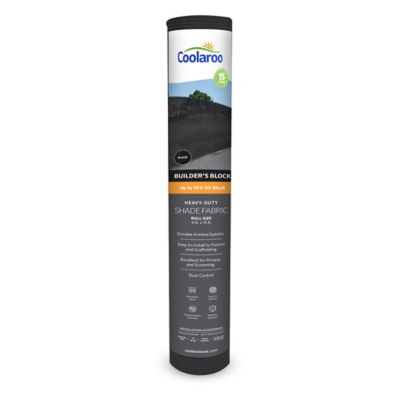
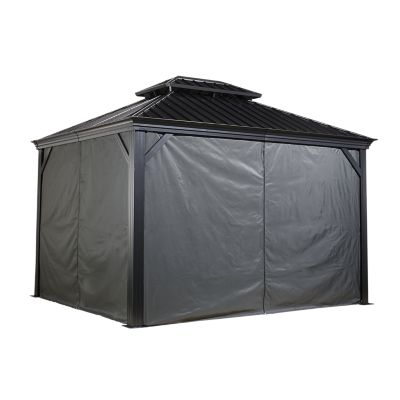
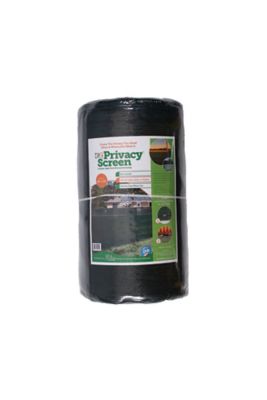
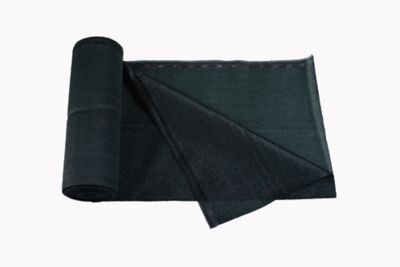
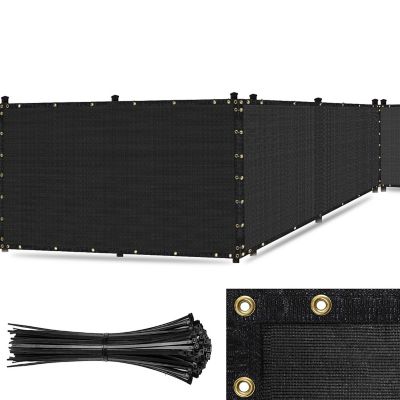
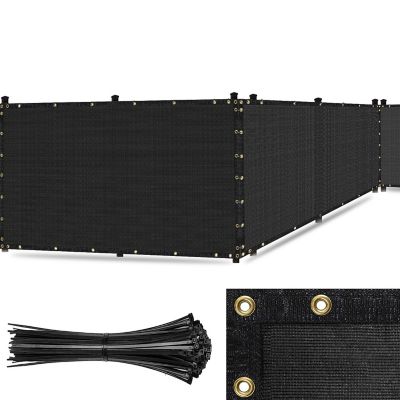
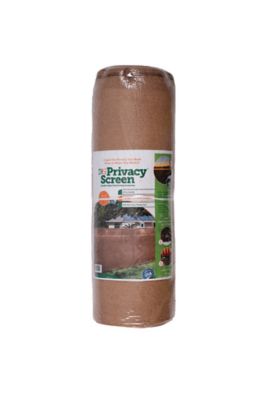
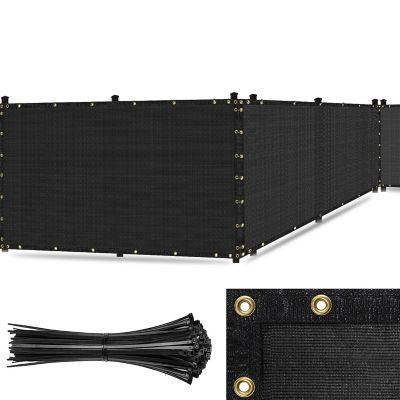
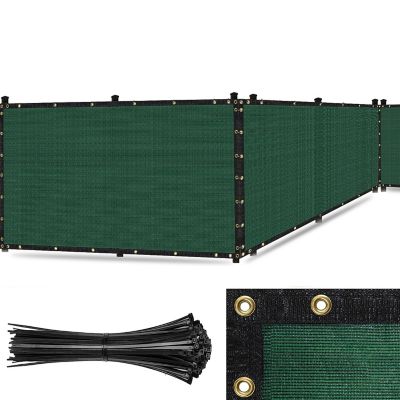
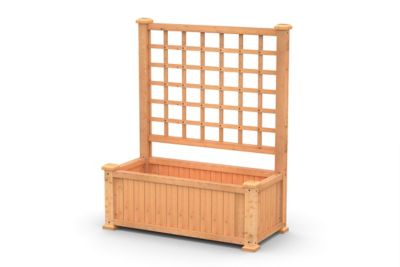
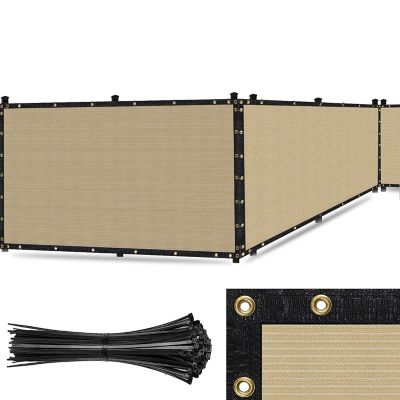
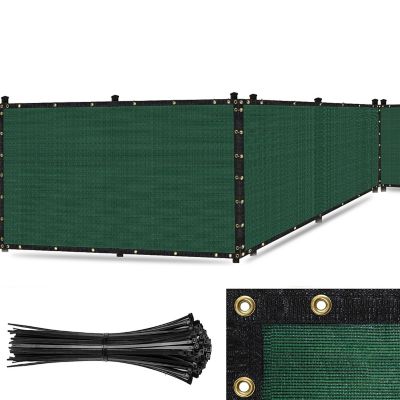
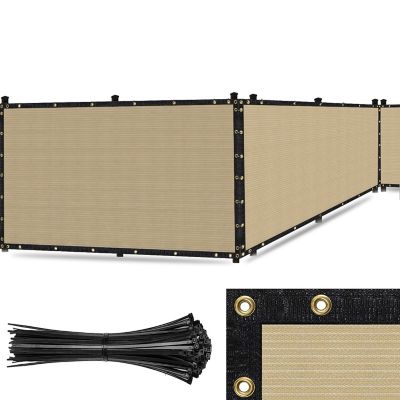
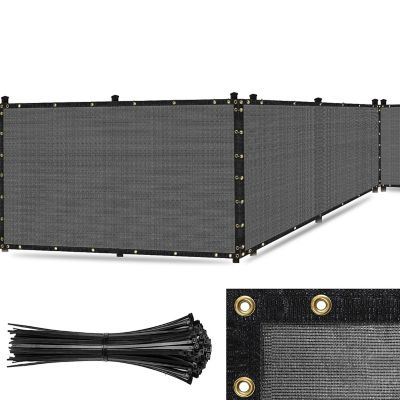
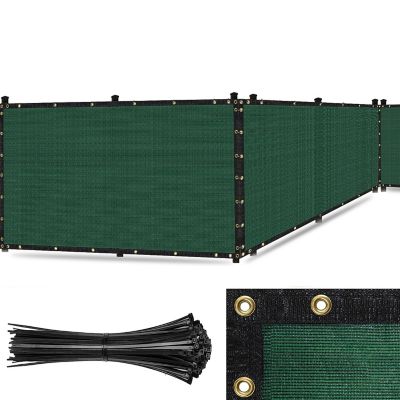
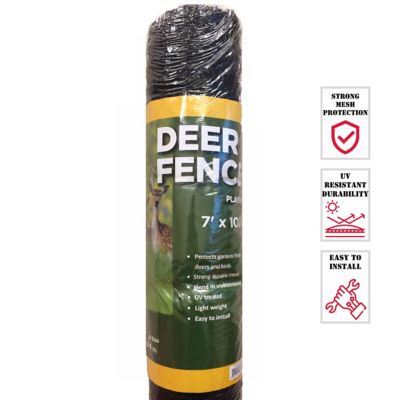
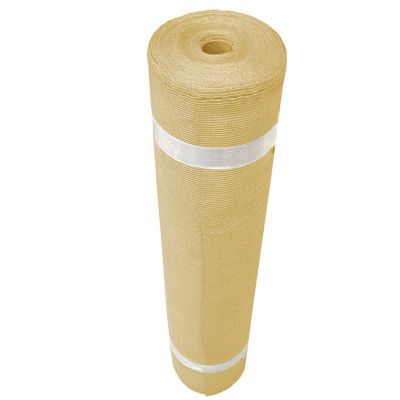
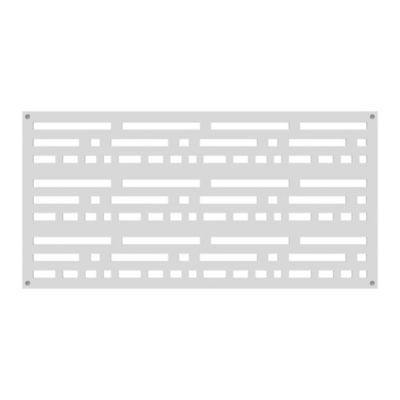
Privacy screens for apartment balconies can turn an exposed outdoor corner into a more comfortable place to sit, sip coffee, grow a few herbs, or enjoy a little fresh air without feeling like the whole building is watching. These screens are made for different kinds of privacy needs, from blocking a straight-on view across the courtyard to softening sightlines from a neighboring balcony. Fabric mesh railing covers are a popular renter-friendly choice because they attach directly to open metal railings and still allow air to move through. Bamboo, reed, willow, and other rolled materials bring a warmer, more natural look to a balcony surrounded by concrete and steel, while artificial greenery or lattice-style panels can add a touch of garden character without watering, pruning, or hauling planters upstairs. Freestanding folding panels offer another flexible option, especially when side privacy matters or the railing cannot be altered. They can be positioned near a seating area, tucked away when not needed, and moved with you when it is time for a new apartment. As the weather warms, a privacy screen can make a balcony feel like a small outdoor room for reading or visiting with a friend. During the cooler months, it can help make the space feel less stark and exposed, even when outdoor time is limited. These screens also make thoughtful gifts for a first-apartment renter, a college student with a balcony, or anyone settling into a new place and trying to make a plain outdoor space feel more like home.
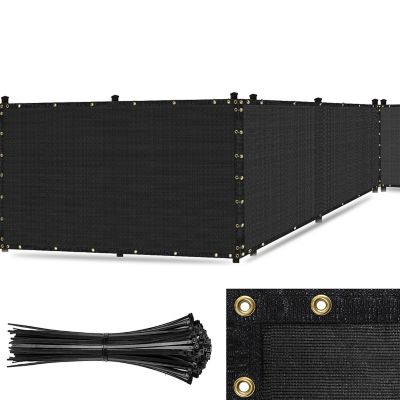
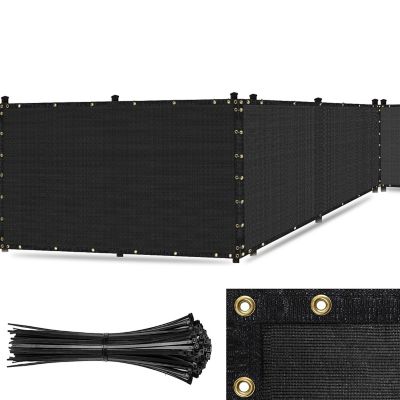
Before choosing a balcony privacy screen, take a close look at the railing, the available floor space, and the direction of the views you want to block. Open metal bars usually work well with mesh covers, rolled fencing, and greenery panels that can be fastened along the top and bottom. Solid concrete walls may call for a freestanding divider or a design that can attach without drilling, while glass railings may require a different fastening method to avoid scratches or damage. Measure the length and height of the area, including any corners, posts, doors, or drainage openings that could affect the fit. A screen that is too short may leave an awkward gap, while one that extends past the railing can catch wind and create a safety concern. Wind permeability matters especially on upper floors. Mesh, woven fabric, slatted panels, and open lattice designs let some air pass through and are generally less likely to act like a sail than a solid sheet. Look for sturdy edging, reinforced grommets, UV-resistant materials, and hardware suited for outdoor use. Weather-resistant zip ties, bungee cords, or similar removable fasteners can help secure a cover to a railing without making permanent changes, but inspect them from time to time for wear. Before hanging anything, check the apartment lease, community rules, and local requirements. Some properties limit items that change the outside appearance, extend beyond the railing line, attach to the building exterior, or could fall during strong weather. A quick conversation with the property manager can save a lot of trouble, particularly for renters who expect to move when the lease ends.
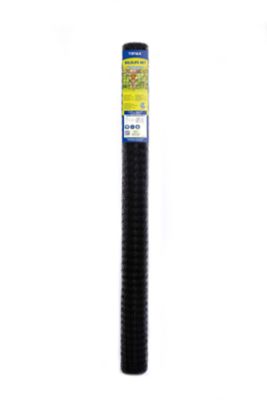
Think about the kind of atmosphere you want as well as the amount of privacy you need. A dark mesh screen can create a clean, low-key backdrop and reduce distractions from parking areas or nearby walkways. Bamboo, reed, or willow has an easygoing look that pairs nicely with a small bistro table, outdoor rug, or a few weather-tough planters. Faux ivy and other artificial greenery can soften a plain railing while keeping maintenance simple for people who travel, work long hours, or do not get much natural light. Freestanding panels are useful for blocking a side angle around a chair or creating a little separation between a seating area and the rest of the balcony. They can also serve as a decorative backdrop for potted plants, lanterns, or seasonal touches without requiring a permanent installation. If your main goal is comfort rather than complete seclusion, a partially open screen may be the better fit because it preserves daylight and airflow while taking the edge off nearby activity. For broader outdoor privacy ideas, explore
Privacy Screens For Gardens. Keep the screen tight enough to avoid flapping, but do not block drains, vents, sprinklers, or access points. When storms or unusually strong winds are expected, removable screens and folding panels should be secured, brought indoors, or stored according to the manufacturer’s instructions. With the right size, fastening method, and material, a balcony privacy screen can provide a practical bit of separation while helping even a small apartment outdoor space feel settled, useful, and comfortably your own.