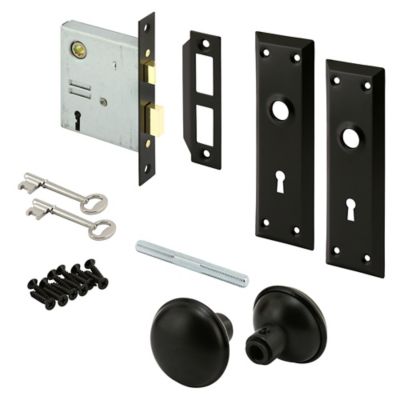
Privacy locks for bedrooms give a closed door a little more purpose: a clear boundary for getting dressed, catching up on sleep, or taking a quiet break in a busy house. A typical bedroom privacy lock is an interior doorknob or lever set that locks from the room side with a push button or thumb turn. Unlike a keyed entry lock, it generally has no keyed cylinder on the hallway side. Many designs instead have a small emergency-release hole or slot that allows access from outside with the proper release tool. These locks are meant for personal privacy, not protection against forced entry, and they are not a substitute for exterior-door security hardware. That distinction matters whether the room belongs to a teenager wanting some space, a guest settling in for the night, or someone sleeping while the rest of the household starts the day. Knobs offer a familiar feel and a compact shape, while levers provide a handle that can be easier to operate for people who have trouble gripping or twisting a round knob. A lever can also be convenient when carrying a laundry basket, though its shape and clearance deserve attention near a wall or a tight corner. The locking action matters just as much as the handle shape. Some privacy sets unlock when the inside handle turns; others operate differently, so the listed function deserves a close look. An easy-to-understand inside release helps keep everyday operation straightforward. For a child's bedroom or a room occupied by someone who might need assistance, an exterior emergency release is especially important. Release methods vary, and a pin-style opening and a slotted release do not necessarily take the same tool. Keeping the correct release tool somewhere responsible adults can reach helps prevent a simple accidental lockout from becoming a bigger interruption. Privacy hardware works best as part of a household routine that respects a closed door while still allowing help when needed.
Fit starts with the door rather than the finish. Many residential privacy locksets fit interior doors measuring 1-3/8 to 1-3/4 inches thick, but each lock's stated range is what determines compatibility. Door thickness, the diameter of the face bore, the edge-bore size, and the backset all affect whether a replacement fits the existing preparation. Backset is the distance from the edge of the door to the center of the handle opening; common residential measurements are 2-3/8 and 2-3/4 inches. Some latches adjust between those measurements, while others have a fixed backset. Older houses, additions, and previously altered doors can have openings that differ from common dimensions, making a closer match especially helpful when the goal is to keep existing holes and painted surfaces intact. The latch face also needs to suit the door edge. A rectangular faceplate with square or rounded corners fits a corresponding recess, while a drive-in latch has a different mounting arrangement. On the jamb, the strike plate needs to line up with the latch so the door closes and catches without lifting, pushing, or slamming. A privacy button cannot make up for a latch that misses its strike or a door that rubs against the frame. Handing is another consideration for levers: some designs are reversible, while others require a particular left- or right-hand configuration. Knobs often avoid that concern, but the manufacturer's specifications still settle the question. Related
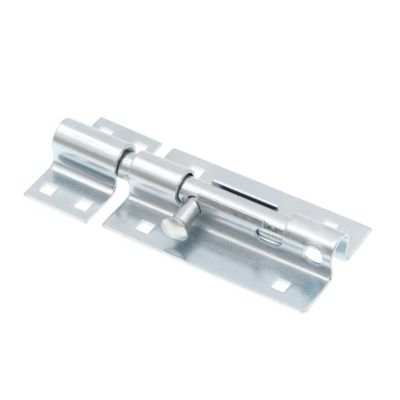
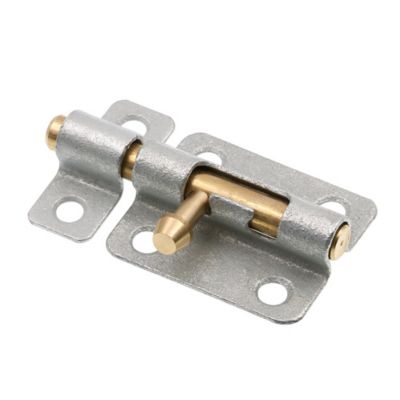
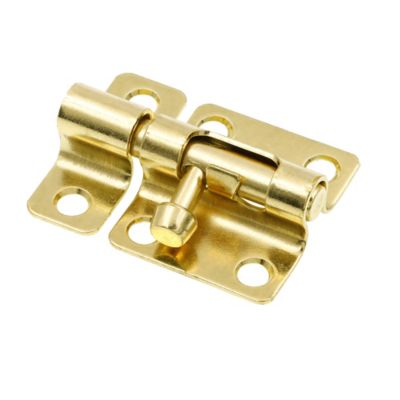
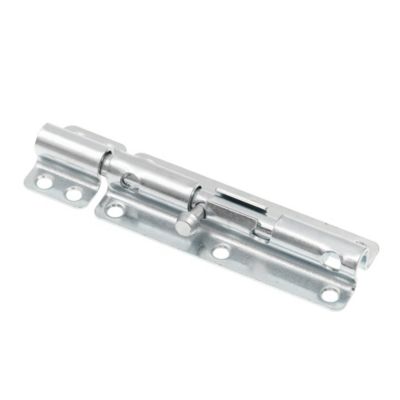
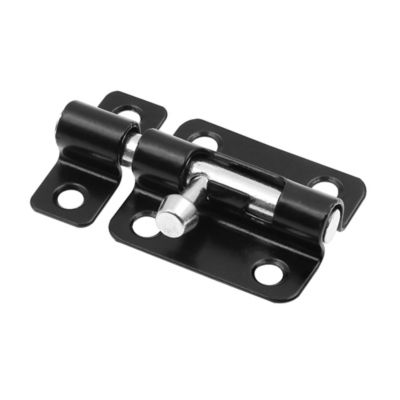
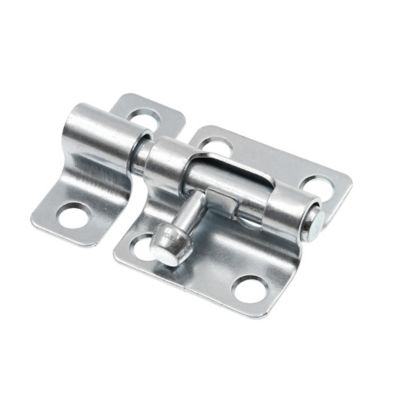
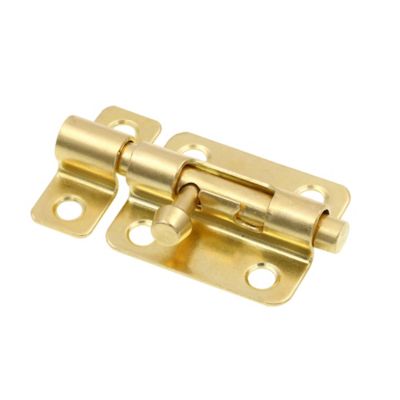
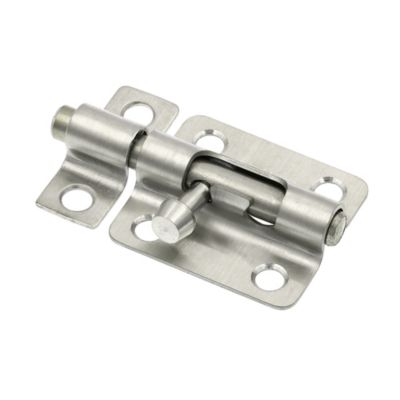
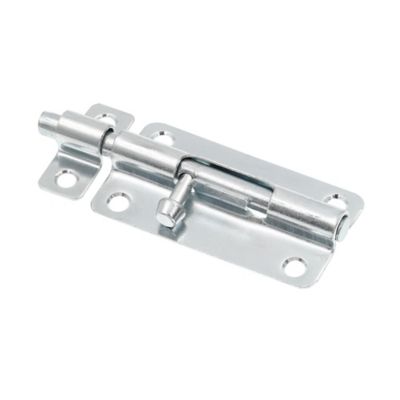
Locking Door Latches can help put the latch portion of the door hardware in context, though a separate latch is not automatically interchangeable with a complete privacy set. For a bedroom door already fitted with a knob or lever, matching the preparation and intended lock function usually matters more than matching appearance alone. A properly fitted assembly should sit square against the door, leave the handle clear of nearby trim, and allow the latch to engage without extra effort.
Materials and finishes influence both the feel of bedroom door hardware and how it holds up to daily handling. Brass, zinc alloys, and steel may appear in different parts of a lockset, and the visible finish does not always identify the material underneath. A brass-colored handle, for example, is not necessarily solid brass. The handle, latch, mounting screws, and internal mechanism each have a job, so construction details matter beyond the outer surface. A firm handle, secure mounting, and smooth latch movement contribute to a better everyday feel than a finish alone can provide. Satin nickel offers a softer sheen, polished brass brings a brighter look, and matte black creates a stronger contrast against a light-painted door. Matching nearby hinges and hallway hardware can make a bedroom update feel settled into the house, while a different finish can give the room its own character. In a farmhouse with painted trim or a smaller home with bedroom doors close together, the size and shape of the handle can be just as noticeable as its color. Care is generally simple, but the finish manufacturer's directions should set the limits. A soft cloth and a mild cleaning approach help remove fingerprints without the scratching that abrasive pads or harsh cleaners can cause. Excess moisture and cleaner left around the handle base can also affect some finishes. Any lubrication should suit the lock mechanism and follow the maker's directions rather than relying on whatever spray happens to be in the shop. Over time, loose mounting screws, a shifting strike, or a sticking latch can change how the door feels in the hand; those signs deserve attention rather than a harder pull on the handle. For guest rooms, shared homes, and everyday family bedrooms, the right privacy lock balances a comfortable grip, a suitable fit, manageable upkeep, and a clear way to release the lock from inside. It is a small piece of hardware that earns its place through ordinary routines: a door that catches cleanly, a handle that turns smoothly, and personal space that feels respected.